
How to Upcycle Thrift Store Finds Into Stylish Home Decor

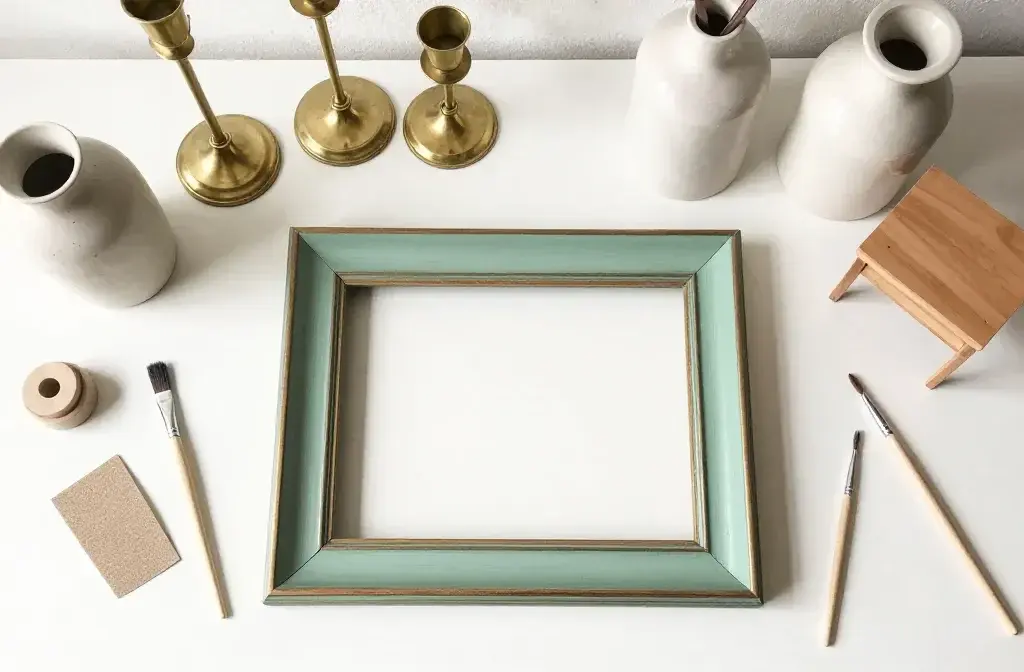
Walking through a thrift store is like entering a treasure hunt where most of the treasure looks like your grandma’s castoffs. But here’s the thing: those dusty frames, tired furniture pieces, and random ceramic finds are actually goldmines waiting for a makeover. With a little creativity and elbow grease, you can transform secondhand junk into Instagram-worthy home decor that’ll have your guests asking “Wait, you made that?”
Why Thrift Store Upcycling Beats Buying New
Let’s be real—new home decor costs a fortune. That trendy vase you spotted at West Elm? Probably $80. The same vase hiding at Goodwill behind someone’s old bowling trophy? Three bucks.
Upcycling isn’t just about saving money, though that’s obviously a huge perk. You’re also keeping stuff out of landfills and creating pieces that actually have character. Mass-produced decor looks great, but everyone and their neighbor has the same stuff. Your upcycled finds are one-of-a-kind.
Plus, there’s something incredibly satisfying about looking at a piece in your home and thinking “I made that from something nobody wanted.” It’s like giving objects a second chance at life, except way less dramatic than it sounds.
What to Look For When Thrifting for Upcycle Projects
Not everything at the thrift store deserves a comeback. You need to develop an eye for potential over current appearance. That hideous lamp might have killer bones underneath the outdated shade.
Furniture with Good Structure
Focus on solid wood pieces rather than particleboard disasters. Give furniture a little shake—if it wobbles like a Jenga tower, walk away. Look for dovetail joints in drawers and heavy construction. You can always change the finish, but you can’t fix fundamental structural problems without serious carpentry skills.
Vintage dressers, side tables, and chairs are your best bets. Even if the finish looks rough, wood furniture takes paint and stain beautifully.
Frames of All Shapes and Sizes
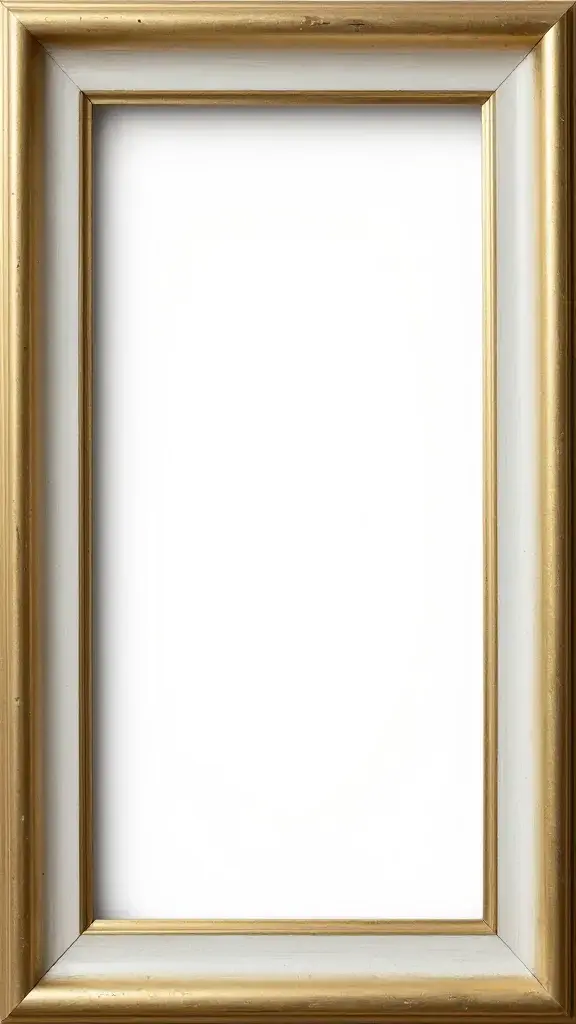
Frames are the gateway drug of upcycling. You can spray paint them gold, distress them for a farmhouse vibe, or group mismatched ones together for a gallery wall. Look past the ugly artwork inside and focus on the frame itself.
Glass and Ceramic Items
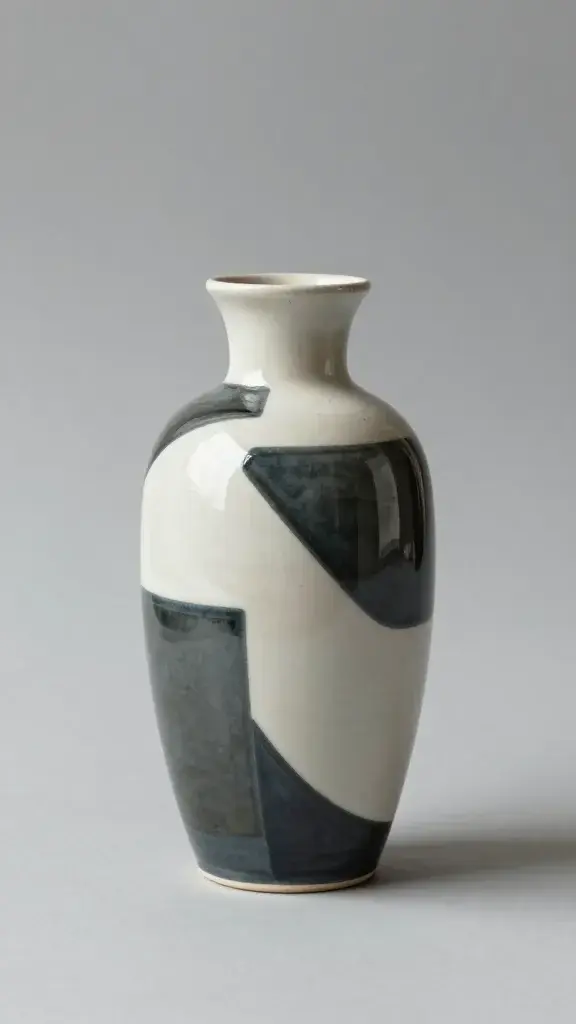
Vases, jars, bowls, and plates are incredibly versatile. Clear glass especially works for tons of projects. Don’t worry if they’re plain—that’s actually better for customization.
Essential Supplies for Your Upcycling Adventures
You don’t need a full workshop to start upcycling, but a few key supplies will make your life so much easier. Here’s what I always keep on hand:
- Spray paint in various finishes (matte, glossy, metallic)
- Sandpaper in different grits (80, 120, and 220)
- Primer for different surfaces
- Furniture wax or polyurethane for sealing
- Paint brushes and foam brushes
- Drop cloths or old sheets
- Wood stain in your favorite colors
- Super glue and hot glue gun
- Painter’s tape
FYI, you can find most of these at hardware stores, and they’ll last through multiple projects. Don’t cheap out on spray paint though—the bargain brands tend to drip and provide uneven coverage.
Easy Upcycling Projects for Beginners
Ready to get your hands dirty? These projects require minimal skills but deliver maximum impact.
Transform Picture Frames Into Statement Pieces
Grab a collection of mismatched frames and spray paint them all the same color—white, black, or gold work great. Instant cohesive gallery wall. Or go wild and paint each one a different color for an eclectic vibe.
You can also remove the glass and backing, paint the frame a bold color, and use it as a decorative tray. Add some adhesive felt pads to the bottom corners, and boom—you’ve got a catch-all for your nightstand.
Give Furniture a Fresh Identity
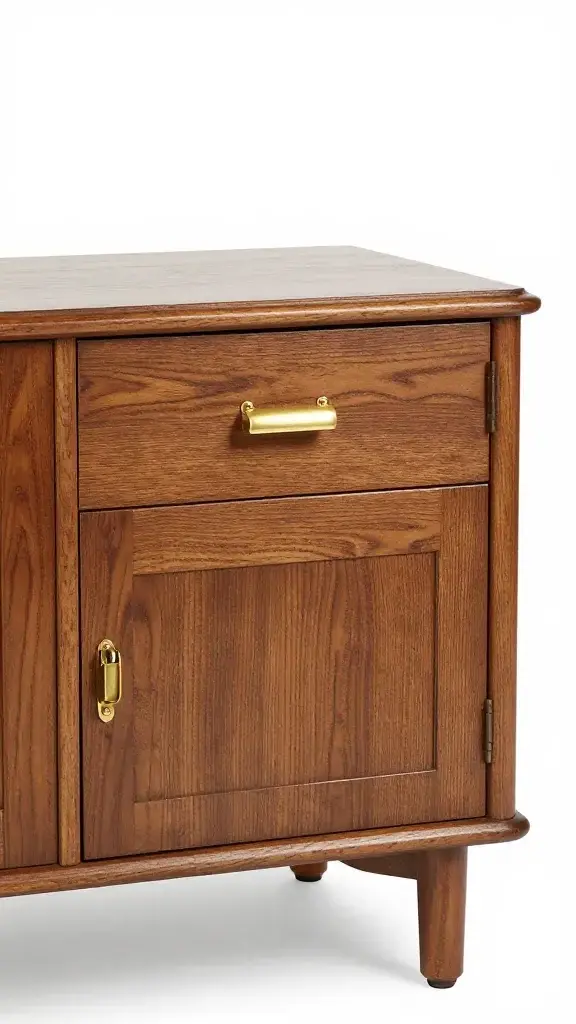
A basic dresser becomes a statement piece with the right paint color. Sand it down, apply primer, and choose a bold hue or classic neutral. Navy blue, emerald green, and charcoal gray all look incredibly sophisticated on furniture.
Want to get fancy? Try a two-tone approach with the body in one color and the drawer fronts in another. Swap out the old hardware for modern pulls, and nobody will recognize it as a thrift store find.
Turn Glassware Into Planters and Organizers
Those random glass containers you found? They’re your new succulent planters, makeup brush holders, or desk organizers. You can leave them clear for a minimalist look or paint them from the inside for a frosted effect.
Here’s a pro tip: spray paint the inside of glass vases with white or metallic paint. Once it dries, you get this gorgeous opaque finish that looks way more expensive than it is.
Advanced Projects When You’re Feeling Confident
Once you’ve mastered the basics, you can tackle more ambitious transformations.
Reupholster Chairs and Benches
It sounds intimidating, but basic reupholstering isn’t rocket science. You need fabric, a staple gun, and some patience. Remove the old fabric, use it as a template for cutting your new material, and staple it on tightly. YouTube has approximately one million tutorials for this.
The fabric choice completely changes the vibe. Velvet screams luxury, linen says coastal chic, and bold patterns add personality.
Create Custom Lighting
Old lamps need love too. Replace dated lamp shades with modern ones, or spray paint the base for an instant update. You can even turn random objects into lamp bases if you’re handy with a lamp kit from the hardware store.
Basket pendant lights are super trendy right now. Buy a woven basket from the thrift store, flip it upside down, and convert it into a light fixture. It’s easier than it sounds and looks amazing over kitchen islands.
Making Your Upcycled Pieces Look Intentional
The difference between “upcycled chic” and “random garage sale finds” comes down to styling. Here’s how to make your creations look purposeful.
Group items in odd numbers—three or five looks more natural than pairs. Mix textures and heights to create visual interest. A wooden frame next to a ceramic vase next to a metal candle holder creates dimension.
Stick to a consistent color palette throughout your space. If you’ve painted several items navy blue, scatter them around the room rather than clustering them together. This creates cohesion without looking matchy-matchy.
Don’t overcrowd your surfaces either. White space lets each piece breathe and shine. IMO, less is definitely more when displaying decor.
Common Mistakes to Avoid
We all make rookie errors when we start upcycling. Learn from my disasters so you don’t repeat them.
First, always clean your finds thoroughly before starting any project. Thrift store items collect dust, grime, and who knows what else. A good scrub with soapy water or appropriate cleaner makes a huge difference in how paint adheres.
Don’t skip primer. I know you’re excited to see the final color, but primer ensures even coverage and helps paint stick. This is especially crucial for furniture and anything with a glossy finish.
Test paint colors on a hidden spot first. That gorgeous teal might look completely different once it’s on your piece. Small test areas save you from committing to a color you’ll hate.
And please, work in a well-ventilated area when spray painting. Your brain cells will thank you.
Where to Find Inspiration for Your Projects
Stuck on what to make? The internet is bursting with ideas. Pinterest obviously tops the list for visual inspiration—search “thrift store makeovers” and prepare to lose three hours.
Instagram hashtags like #thriftflip and #upcycledhomedecor show real people’s projects, which tends to be more achievable than the Pinterest perfection. YouTube channels dedicated to DIY and thrifting offer step-by-step guidance for specific techniques.
Don’t forget to check out design blogs and home decor magazines. When you see expensive pieces you love, ask yourself: “Could I create something similar with a thrift store find?” Usually, the answer is yes.
Frequently Asked Questions
How do I know if furniture is worth upcycling?
Check the construction quality first. Solid wood with good joinery is always worth saving. Give it a stability test—no excessive wobbling. Minor cosmetic damage is fine since you’ll refinish it anyway, but avoid pieces with deep structural cracks or major water damage. If it feels heavy and sturdy, it’s probably built to last.
What’s the best paint for furniture projects?
Chalk paint and mineral paint are popular because they require minimal prep work and give that trendy matte finish. However, regular latex paint works great too if you properly prep and prime the surface. For durability, seal everything with polyurethane or furniture wax. Water-based poly won’t yellow over time, which matters if you’re using light colors.
How much should I spend on thrift items for upcycling?
Set a mental price limit before you shop. For most projects, I won’t spend more than $15-20 on a single item unless it’s a large furniture piece with incredible bones. Remember, you’ll invest time and materials into the makeover, so factor that into your total cost. The whole point is saving money compared to buying new.
Can I upcycle items even if I’m not crafty?
Absolutely! Start with simple projects like spray painting frames or vases. These require zero artistic ability—just patience and following basic steps. As you gain confidence, gradually tackle more complex projects. The beauty of upcycling is that mistakes usually aren’t permanent. You can always sand it down and start over.
How do I seal painted furniture so it lasts?
After your paint fully dries (wait at least 24 hours), apply a protective topcoat. Polycrylic or polyurethane work great for high-traffic pieces. Apply thin coats with a foam brush, letting each coat dry completely before adding the next. Two to three coats provide good protection. For a softer finish, use furniture wax applied with a cloth and buffed to a shine.
What if my upcycle project turns out terribly?
First, don’t panic. Most “failures” can be fixed with another coat of paint or a different approach. If you truly hate it, you’re only out a few dollars and some time. Consider it a learning experience. Some of my favorite pieces came from third or fourth attempts after initial disasters. The thrift store will always have more finds for your next project.
Conclusion
Upcycling thrift store finds into stylish home decor is addictive once you start. You’ll find yourself walking through thrift stores with new eyes, seeing potential in things you would’ve previously ignored. That ugly lamp becomes a statement piece. The dated dresser transforms into a stunning focal point.
The best part? Every piece tells a story. You rescued it, reimagined it, and gave it new life. Your home becomes filled with character and personality rather than cookie-cutter decor. Plus, you’ve saved money and the environment while creating something genuinely unique. Now grab some spray paint and hit up your local thrift store—your next favorite decor piece is waiting to be discovered.