
How to Make Natural Dye for Fabric From Plants and Kitchen Scraps

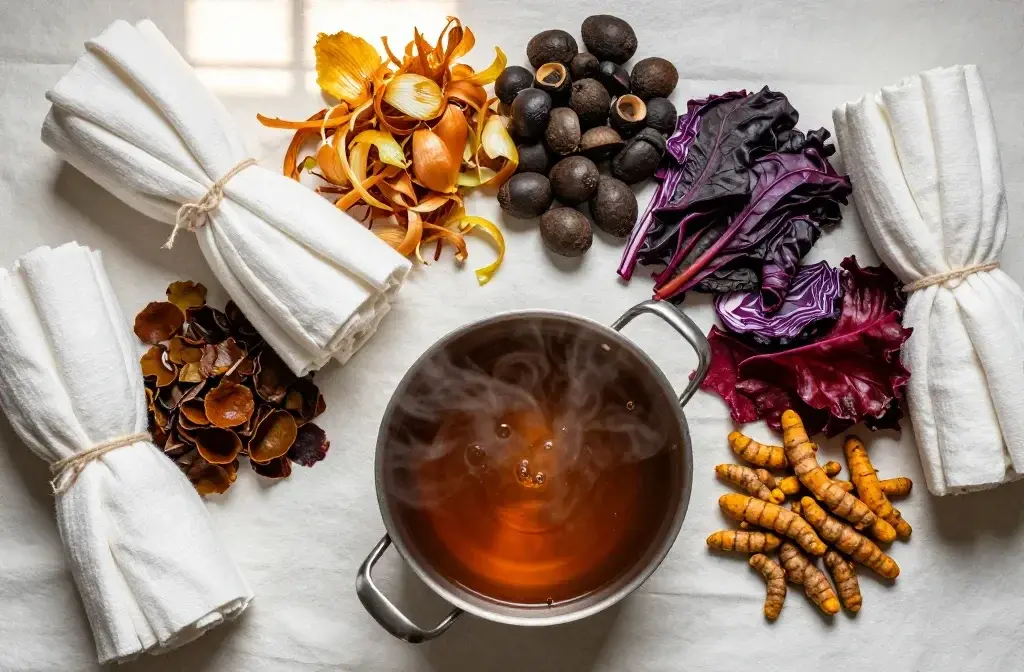
You’ve probably looked at your onion peels or that sad bunch of wilted spinach and thought, “Well, that’s garbage now.” Plot twist: those kitchen scraps could be transforming your boring white fabric into gorgeous, naturally-dyed masterpieces. Dyeing fabric with plants and food scraps is easier than you think, cheaper than buying fancy dyes, and honestly kind of magical when you see the colors emerge.
Why Bother Making Your Own Natural Dyes?
Look, I get it. You can buy fabric dye at any craft store for like five bucks. But here’s the thing: natural dyes are non-toxic, eco-friendly, and you’re literally using stuff you’d otherwise throw away. Plus, there’s something deeply satisfying about creating beautiful colors from what most people consider trash.
The colors you get from natural dyes have this subtle, earthy quality that synthetic dyes just can’t replicate. They’re not always predictable (which is half the fun), and each batch turns out slightly different. You’re basically creating one-of-a-kind pieces every single time.
What You’ll Need to Get Started
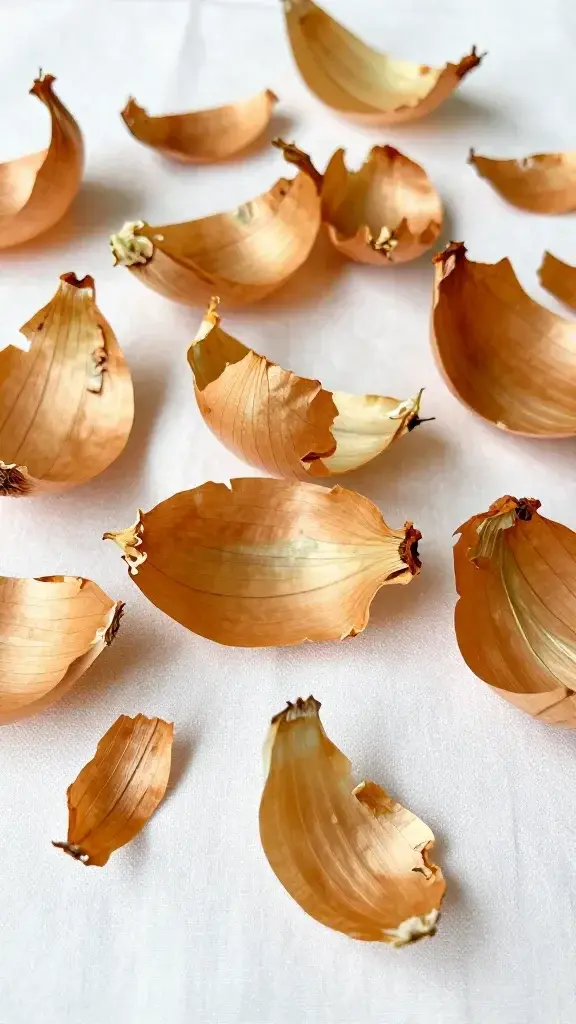
Before you start hoarding every vegetable peel like some kind of eco-warrior squirrel, let’s talk basics. The good news? You probably have most of this stuff already.
Essential Equipment
- Large stainless steel or enamel pot (not aluminum—it messes with the colors)
- Stirring spoon (designate one for dyeing only)
- Strainer or cheesecloth
- Measuring cups and spoons
- Rubber gloves (unless you want tie-dye hands for a week)
- Glass jars for storing dye liquid
The Fabric Situation
Natural dyes work best on natural fibers. Cotton, linen, silk, and wool are your friends here. Synthetic fabrics like polyester will basically laugh at your natural dyes and refuse to absorb them. Also, make sure your fabric is clean and pre-washed—dyes don’t stick well to fabric with sizing or dirt on it.
The Best Plants and Kitchen Scraps for Natural Dyes
Here’s where it gets fun. You’d be surprised what creates amazing colors. Some are obvious, some are total curveballs.
Yellows and golds: Onion skins (the brown papery ones create gorgeous golds), turmeric, celery leaves, marigold flowers
Pinks and reds: Beets (careful, they’re more pink than red), pomegranate rinds, avocado pits (yes, really—they make pink!), red cabbage with vinegar
Blues and purples: Red cabbage with baking soda, blackberries, blueberries, purple grapes
Greens: Spinach, grass clippings, artichokes, nettles
Browns and tans: Coffee grounds, tea bags, walnut hulls, acorns
FYI, avocado pits creating pink instead of brown or green is one of nature’s best pranks. Don’t question it, just embrace it.
The Mordant: Your Dye’s Best Friend
Okay, so here’s the slightly annoying part. Most natural dyes need a mordant to actually stick to the fabric permanently. Without it, your beautiful colors will wash right out and you’ll cry into your faded fabric.
A mordant is basically a fixative—it bonds the dye to the fiber. The most common one is alum (aluminum potassium sulfate), which you can buy at craft stores or online. It’s non-toxic and works great.
How to Mordant Your Fabric
- Dissolve 4 tablespoons of alum in your pot with enough water to cover your fabric
- Add your pre-wetted fabric
- Simmer (don’t boil!) for about an hour, stirring occasionally
- Let it cool in the pot, then rinse and squeeze out excess water
You can mordant fabric and let it dry for later, or use it immediately. It’ll keep the mordant for weeks if you store it properly.
Actually Making the Dye (The Fun Part!)
Alright, you’ve gathered your scraps, you’ve mordanted your fabric, now let’s make some color happen.
The basic ratio: Use about a 1:1 ratio of plant material to fabric by weight. So if you’ve got 100 grams of fabric, use about 100 grams of onion skins or whatever you’re using. You can always experiment with more or less for different intensities.
Here’s the process:
- Chop or tear your plant material into smaller pieces
- Put it in your pot and cover with twice as much water
- Bring to a boil, then reduce heat and simmer for about an hour
- Strain out all the plant material—you just want the liquid now
- Return the dye liquid to the pot and add your mordanted fabric
- Simmer for another hour, stirring occasionally
- Turn off the heat and let everything cool completely in the pot
The longer you leave it, the deeper the color gets. Some people leave their fabric soaking overnight for maximum saturation. IMO, patience really pays off here.
Tips, Tricks, and Happy Accidents
Save your dye baths! You can reuse them multiple times for progressively lighter shades. Store them in glass jars in the fridge for up to a week.
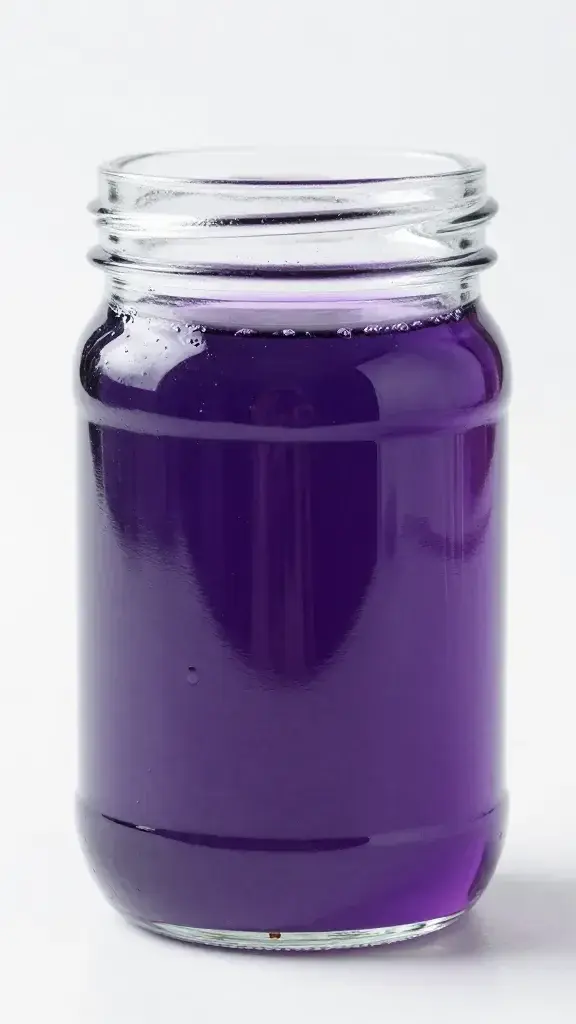
Play with pH to change colors. Adding vinegar (acidic) or baking soda (alkaline) to your dye bath can completely transform the color. Red cabbage is especially fun for this—it’ll go from blue to purple to pink depending on pH.
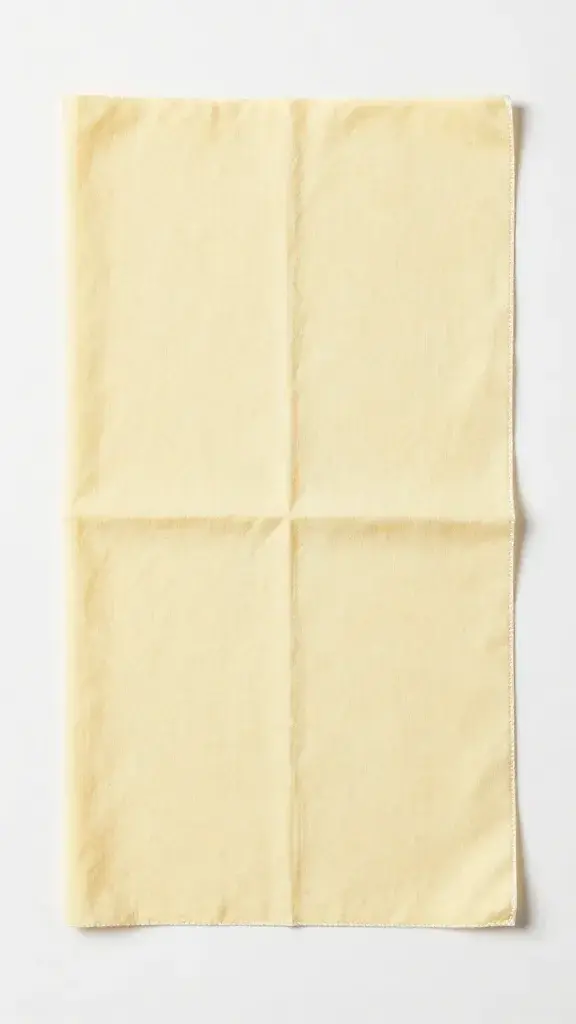
Layer colors for unique shades. Dye something yellow with onion skins, then overdye it with blue from red cabbage, and boom—green!
Keep notes. Seriously. You’ll never remember exactly what you did to get that perfect peachy color unless you write it down.
Sun fading is real. Natural dyes can fade faster than synthetic ones, especially in direct sunlight. Hang your dyed fabrics to dry in the shade.
What Can Go Wrong (And How to Fix It)
Look, not everything works perfectly the first time. Sometimes you’ll get muddy browns when you wanted vibrant pinks. Sometimes the color washes out even with mordant. It happens.
If your colors are too pale: Use more plant material, simmer longer, or leave the fabric in the dye bath overnight.
If colors wash out: You probably need more mordant or need to simmer the mordanting process longer.
If you get uneven coloring: Stir more frequently and make sure your fabric has room to move around in the pot.
Frequently Asked Questions
Can I eat from pots I’ve used for dyeing?
Most natural dye materials are non-toxic, but it’s best to designate specific pots for dyeing. Some mordants, while safe for fabric, shouldn’t be in your cooking rotation. Better safe than sorry.
How long do natural dyes last on fabric?
With proper mordanting and care, natural dyes can last for years. Hand wash or use gentle cycles with cool water, and avoid harsh detergents. They’ll fade gradually over time, but that’s part of their charm.
Do I need to use fresh plants or can I use frozen/dried ones?
Both work! Dried materials are often more concentrated, so you might need less. Frozen berries and vegetables work great too. I actually prefer saving scraps in the freezer until I have enough for a dye session.
Can I dye clothes I already own?
Absolutely, as long as they’re natural fibers. Just remember to mordant them first. Old white t-shirts, plain napkins, and thrifted linens are perfect candidates. Just make sure they’re clean and free of stains.
Why did my red cabbage dye turn out blue instead of purple?
Red cabbage is a pH indicator, so the color depends on your water chemistry and what you add to it. Acidic water/additives make it more pink-purple, while alkaline conditions create blue-green shades. Play around with adding vinegar or baking soda to get different colors.
Is natural dyeing kid-friendly?
Yes! It’s actually a great project for kids since you’re using food and plants. Just supervise the hot stove parts and keep them in gloves. They’ll love watching the colors emerge like magic.
Conclusion
Natural dyeing is one of those hobbies that seems intimidating until you actually try it—then you’re hooked. You’ll start looking at every vegetable scrap and wondering what color it might make. Your friends will think you’re weird when you get excited about onion skins. You’ll develop strong opinions about mordants.
Start simple with onion skins or turmeric, get comfortable with the process, then branch out into wild experiments. The worst that can happen is you get a color you didn’t expect—which honestly might end up being your favorite anyway. Now go rescue those avocado pits from the trash and make something beautiful.