How to Make Polymer Clay Cane Designs (Millefiori Technique for Beginners)

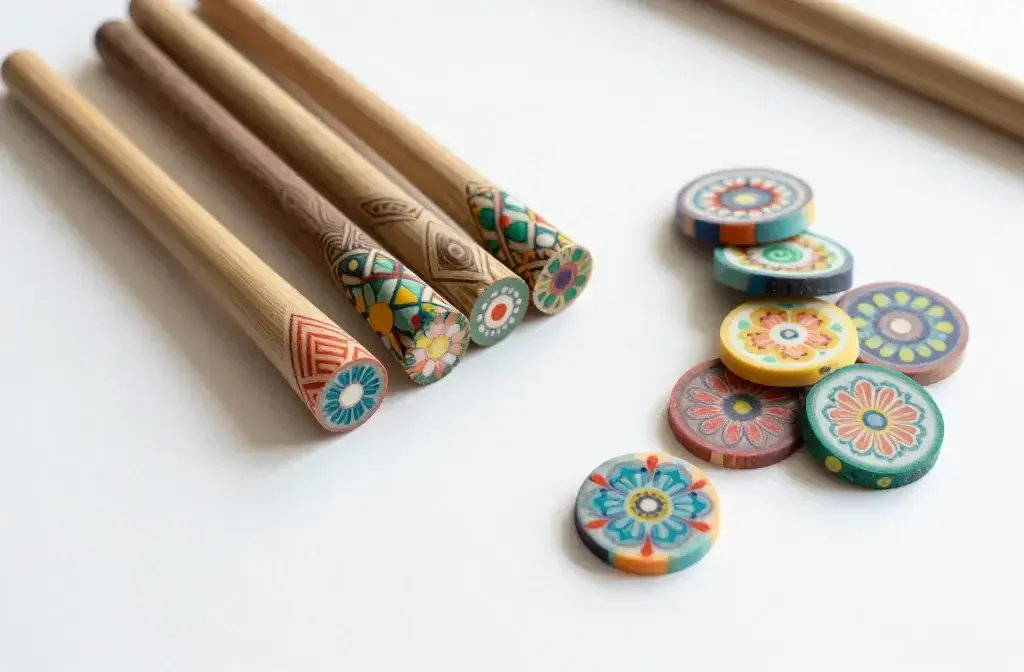
You know those gorgeous, intricate patterns inside fancy beads and charms that look like they took hours to paint by hand? Plot twist: they’re actually sliced from polymer clay logs called canes, and you can totally make them yourself. The technique is called millefiori (fancy Italian for “thousand flowers”), and while it sounds intimidating, it’s basically just stacking Play-Doh with purpose. Let me show you how to get started without losing your mind—or your fingerprints.
What Exactly Are Polymer Clay Canes?
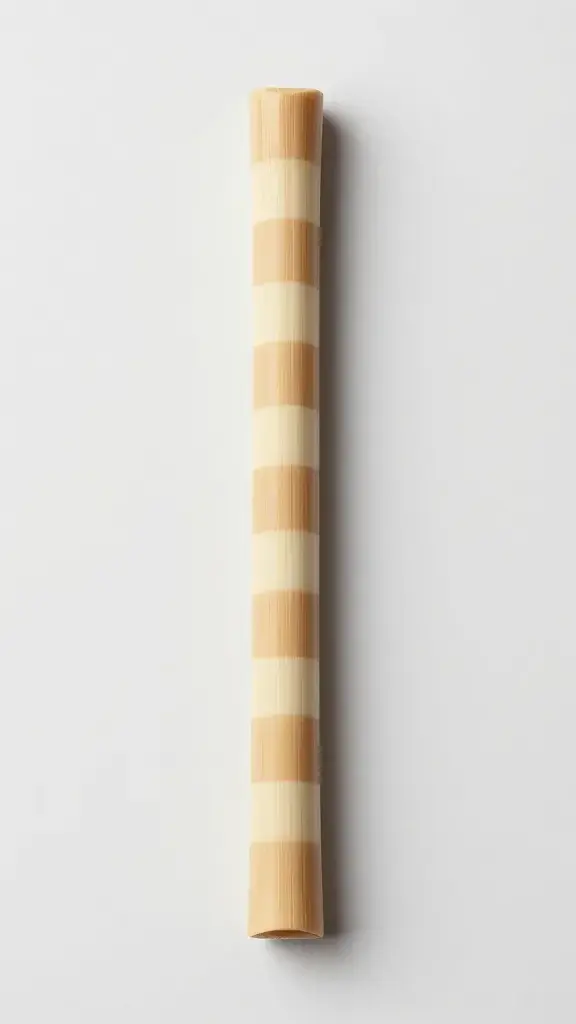
Think of a polymer clay cane like a stick of rock candy from the seaside. You build up layers and shapes of different colored clay, smoosh them into a log, and when you slice through it, every single slice shows the same pattern. Magic? Nope, just geometry working in your favor.
The millefiori technique originated with Italian glassmakers centuries ago, but polymer clay artists hijacked it in the 1970s and never looked back. Now you can create everything from simple stripes to mind-bending kaleidoscope patterns that’ll make your friends think you’ve got secret art school training.
The beauty of cane work is efficiency. You make one cane, and boom—you’ve got potentially hundreds of identical slices to use on earrings, pendants, sculptures, or whatever your creative heart desires. It’s like meal prepping, but way more colorful.
Gathering Your Supplies
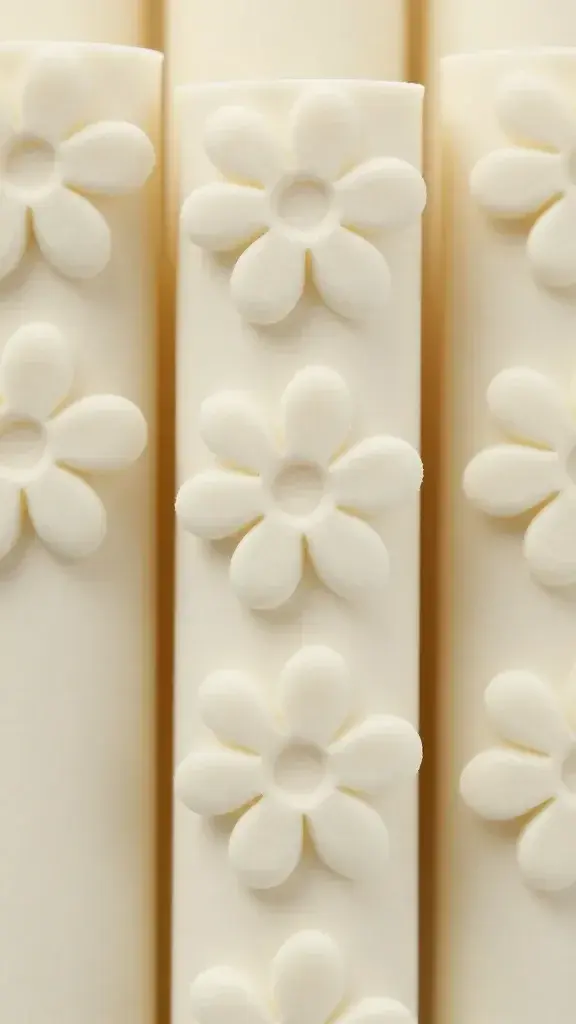
Let’s talk gear. The good news is you don’t need a ton of expensive equipment to start making canes. Here’s what you actually need:
- Polymer clay in various colors (Sculpey III, Premo, or Fimo work great for beginners)
- A smooth work surface like a ceramic tile or glass cutting board
- A roller or pasta machine (the pasta machine route will save your wrists, trust me)
- A sharp blade specifically for clay—tissue blades work perfectly
- A ruler for measuring and keeping things even
- Wet wipes or rubbing alcohol for cleaning hands between colors
One heads up: don’t use your kitchen tools for clay and then food. Polymer clay isn’t toxic, but it’s also not a sandwich ingredient. Keep your clay supplies separate unless you want to dedicate that pasta machine to crafts forever.
Starting With a Simple Striped Cane
Let’s crawl before we sprint. Your first cane should be a basic striped pattern because it teaches you the fundamental concepts without making you want to flip a table.
Step One: Condition Your Clay
Fresh-from-the-package clay is usually stiff and crumbly. You need to warm it up and work it until it’s smooth and pliable. Knead it like bread dough, run it through your pasta machine a dozen times, or just squish it while watching Netflix. This step matters more than you think—poorly conditioned clay will crack and ruin your cane.
Step Two: Create Even Sheets
Roll out your different colored clays into sheets of equal thickness. If you’ve got a pasta machine, use the same setting for each color. Aim for about 2-3mm thick—thick enough to handle but thin enough to layer nicely.
Stack these sheets on top of each other, alternating colors. Press gently to remove air bubbles (air is the enemy here). You want everything snug and cozy.
Step Three: The First Reduction
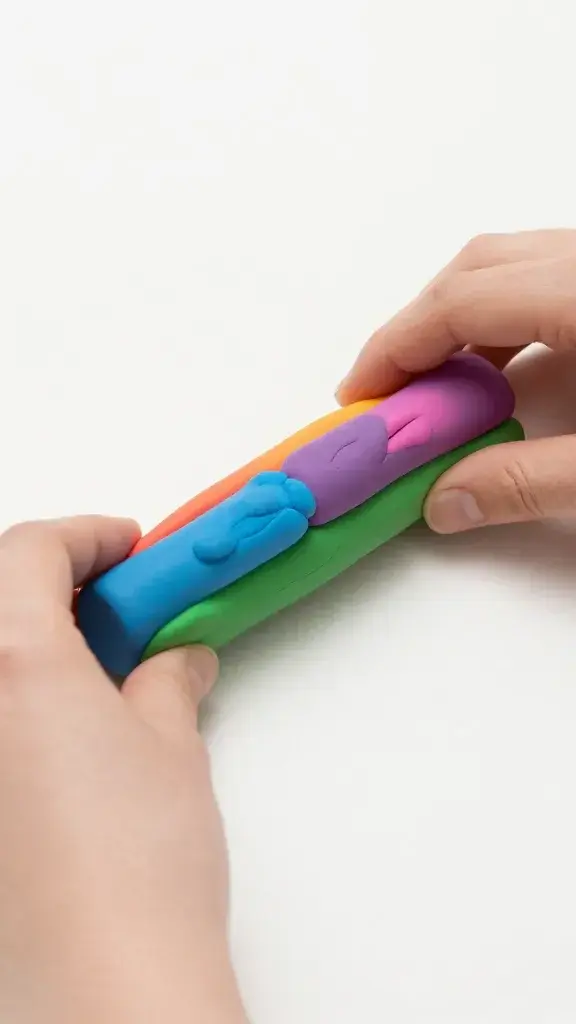
Here’s where it gets fun. Gently press down on your stack to compress it slightly. Then start rolling it, stretching it, or squeezing it from the center outward. The goal is to make your cane longer and thinner while keeping the pattern intact.
This process is called reduction, and FYI, it takes practice. Your first attempt might look like a clay crime scene, and that’s totally normal. Keep the pressure even and work slowly.
Leveling Up: Making a Simple Flower Cane
Once you’ve nailed stripes, flower canes are the natural next step. They look impressive but use the same basic principles you just learned.
Start with a log of one color for your flower center (yellow works great). Roll out a sheet of another color (like white or pink) and wrap it around the center log—this creates your petals’ base.
Now make five or six skinny logs in your petal color. Arrange them around your wrapped center log like flower petals. See the pattern forming? Fill in the gaps between petals with small triangular pieces of background color (usually contrasting like black or green).
Gently squeeze everything together and start reducing. The key word here is gently. Rushing this step will distort your beautiful flower into an abstract blob. Nobody wants a blob.
Essential Techniques That’ll Save Your Sanity
Temperature Matters
Warm clay is easier to work with but also distorts more easily. If your clay gets too soft and mushy, stick it in the fridge for 10-15 minutes. If it’s too hard and cracking, warm it up in your hands or use a bit of clay softener.
The Chill-Before-You-Slice Rule
Always refrigerate your finished cane before slicing. Cold clay slices cleanly without smooshing. Room temperature clay? That’s a one-way ticket to Distortion City. Pop your cane in the fridge for at least 30 minutes before you go at it with a blade.
Blade Technique
Rock your blade gently back and forth rather than pushing straight down. This sawing motion creates cleaner cuts. Wipe your blade between slices to prevent color transfer and keep those edges crisp.
Common Mistakes (And How to Fix Them)
Let’s address the elephant in the craft room: your first canes will probably look wonky. Mine sure did. Here are the usual suspects:
Distorted patterns: You reduced too fast or unevenly. Solution? Slow down and apply pressure from the center outward, rotating as you go.
Air bubbles: You trapped air between layers. Pierce them with a needle before reducing, or accept that your cane now has “character.” Sometimes imperfections add charm, IMO.
Cracked or crumbly clay: Your clay wasn’t conditioned properly. Go back to step one and knead like your life depends on it.
Smushed slices: You didn’t chill your cane. Back to the fridge with you.
The good news? Even “failed” canes can become cool abstract patterns or get chopped up into mosaic pieces. Nothing’s truly wasted in polymer clay.
Storing and Using Your Canes
Unbaked polymer clay lasts forever if you store it properly. Wrap your finished canes in plastic wrap or wax paper, then tuck them into an airtight container away from heat and sunlight.
You can slice and use your canes immediately, or save them for later. Some artists build up huge cane libraries organized by color and pattern. (It’s basically the adult version of collecting pretty rocks.)
When you’re ready to use your slices, apply them to whatever base you’re decorating, then bake according to your clay’s package directions. Usually that’s 275°F for 15-30 minutes depending on thickness.
FAQs About Polymer Clay Canes
Can I mix different brands of polymer clay in one cane?
You can, but it’s not ideal for beginners. Different brands have different firmness levels and baking temperatures, which can lead to cracking or distortion. Stick with one brand until you get the hang of things.
How thin can I slice my canes?
With a super sharp blade and properly chilled cane, you can get slices as thin as a millimeter. Most people work with 2-3mm slices because they’re easier to handle and less likely to tear.
What’s the best way to clean up between colors?
Wet wipes are your best friend. Keep a pack on your work surface and wipe down your hands, tools, and work surface between colors. Some people swear by rubbing alcohol on a paper towel for stubborn clay residue.
How long do canes last before baking?
Indefinitely if stored correctly. I’ve used canes that sat in my drawer for three years, and they worked perfectly after a quick re-conditioning. Polymer clay doesn’t dry out like regular clay.
Can I reduce a cane too much?
Absolutely. Go too small and your pattern becomes microscopic and hard to see. Plus, tiny canes are harder to slice without distortion. Most people stop reducing when their cane is between 1-3 inches in diameter.
Why does my cane look different at each end?
The ends always get distorted during reduction—it’s physics. Just slice off and discard the wonky ends. Consider them your sacrifice to the polymer clay gods.
Conclusion
Millefiori canes look intimidating, but they’re really just organized clay stacking with a dash of patience. Start simple with stripes, work your way up to flowers, and don’t beat yourself up when your first attempts look more “abstract art” than “perfect pattern.” Every polymer clay artist has a drawer full of weird experimental canes—it’s practically a rite of passage. The best part? Once you nail the basics, you can create impossibly intricate designs that’ll have people asking “How did you DO that?” And you can just smile mysteriously and say “millefiori, baby” while feeling like a total craft wizard. Now grab some clay and start stacking.