How to Make Resin Coasters Step by Step: Beginner Tutorial With Photos

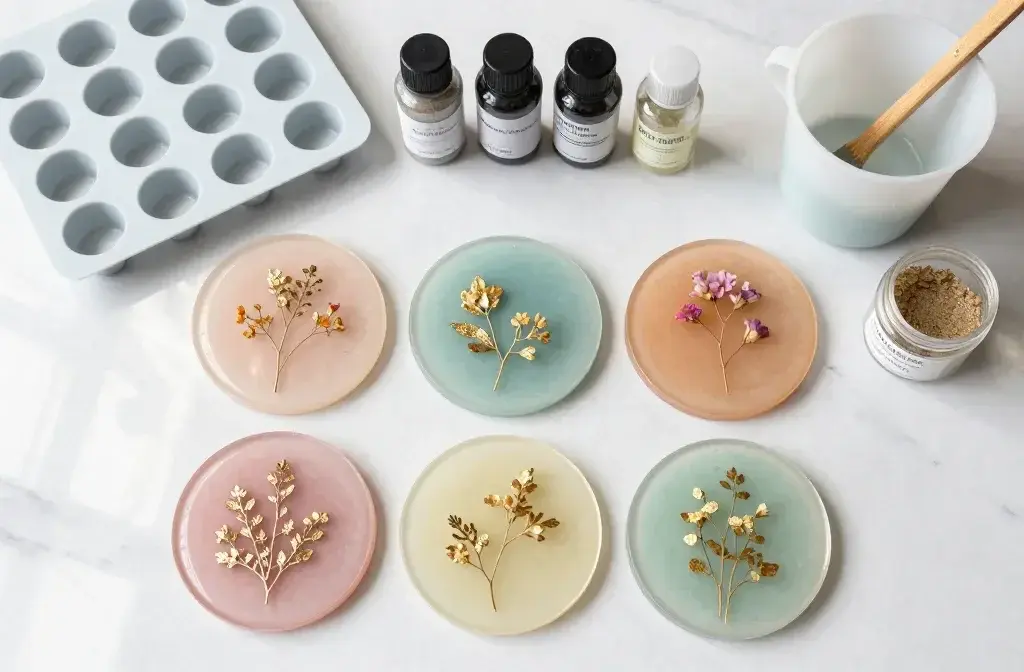
You’ve seen those gorgeous resin coasters all over Instagram and Etsy, and now you’re ready to make your own. Good news: resin coasters are one of the easiest resin projects for beginners, and you can absolutely nail them on your first try. Let me walk you through the entire process with no confusing jargon or mystery steps.
What You’ll Need to Get Started
Before you dive in, let’s talk supplies. Resin work requires a few specific items, but nothing ridiculously expensive or hard to find.
Here’s your shopping list:
- Epoxy resin – I recommend a clear, low-odor casting resin designed for beginners (brands like ArtResin or Stone Coat work great)
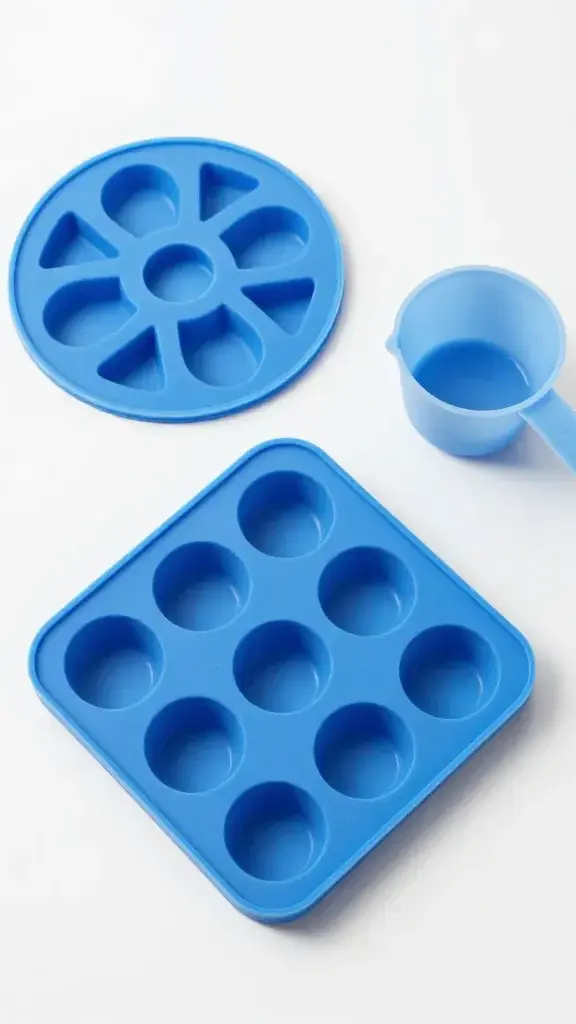
- Silicone coaster molds – You can find these on Amazon for under $15
- Mixing cups and stir sticks – Disposable ones save cleanup headaches
- Heat gun or torch – For popping bubbles (a kitchen torch works perfectly)
- Gloves and a protective surface – Resin is sticky and permanent
- Colorants – Mica powders, alcohol inks, or liquid resin dyes
- Level surface – Seriously, this matters more than you think
Optional but fun: dried flowers, glitter, gold leaf, or whatever decorative elements make your heart happy.
Preparing Your Workspace
Let me be real with you: resin will get on things. It just will. So protect your workspace like you’re handling nuclear material.
Cover your work surface with a plastic sheet, silicone mat, or even a garbage bag taped down. Make sure your work area is completely level – grab a small level from the hardware store if you need to. Uneven surfaces create wonky, lopsided coasters, and nobody wants their coffee mug sliding off.
Set up in a well-ventilated area, but not somewhere with too much airflow. You don’t want dust, pet hair, or bugs landing in your wet resin. Trust me, fishing out a gnat from partially cured resin is not a good time.
Temperature matters too. Your workspace should be between 70-80°F for most resins to cure properly. Too cold and your resin might not harden; too hot and it might cure too quickly.
Mixing Your Resin Correctly
This is where people get nervous, but honestly? It’s easier than following a cookie recipe.
The Critical Ratio
Most epoxy resins use a 1:1 ratio of resin to hardener, but ALWAYS check your specific product instructions. Using the wrong ratio will leave you with sticky, tacky coasters that never fully cure.
Measure carefully using the graduated cups that come with your resin kit. Don’t eyeball it. I know you’re tempted, but don’t.
Mixing Technique
Pour your resin into one cup, hardener into another, then combine them. Stir slowly and deliberately for at least 3-4 minutes. I’m talking really slow – like you’re stirring honey.
Scrape the sides and bottom of your cup as you mix. Any unmixed resin clinging to the container will create soft spots in your finished coasters. After mixing in one cup for a couple minutes, pour everything into a fresh cup and stir for another minute. This “double cup method” ensures thorough mixing.
Adding Color and Design Elements
Now comes the fun part – making your coasters actually look cool.
If you’re adding colorant, do it after you’ve mixed your resin and hardener together. Add just a tiny bit at first. With alcohol inks and mica powders especially, a little goes a long way. You can always add more, but you can’t take it out.
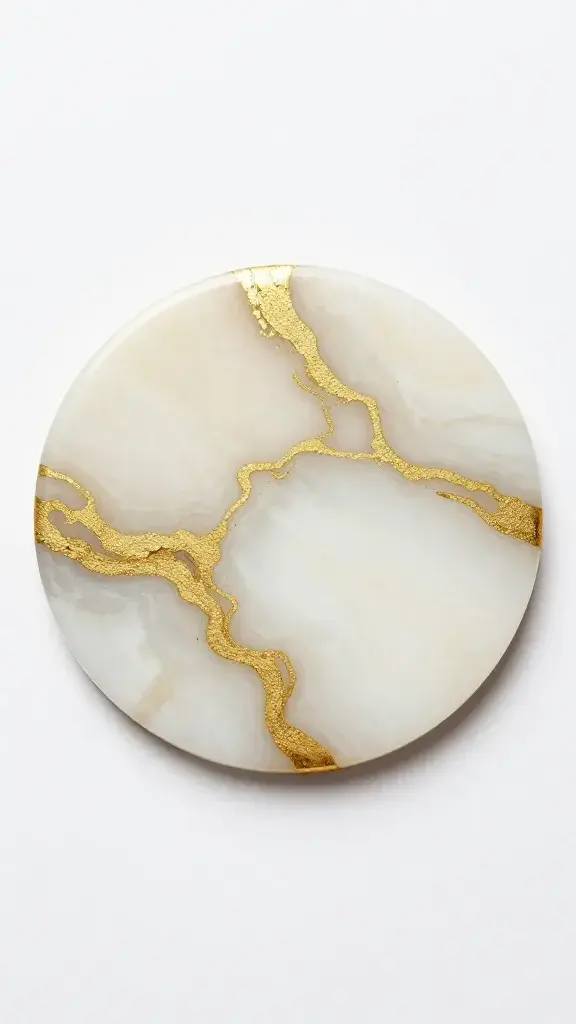
Want to create that trendy marbled look? Pour different colored resins into your mold and use a stir stick to gently swirl them together. Don’t overmix or you’ll just create a muddy brown mess.
For embedded elements like dried flowers or glitter, you have two options:
- Pour a thin base layer, let it cure until tacky, place your elements, then pour the top layer
- Mix lightweight elements directly into your resin before pouring
FYI, heavier items will sink to the bottom if you just drop them in wet resin, so plan accordingly.
Pouring Into Your Molds
Take a deep breath. You’ve got this.
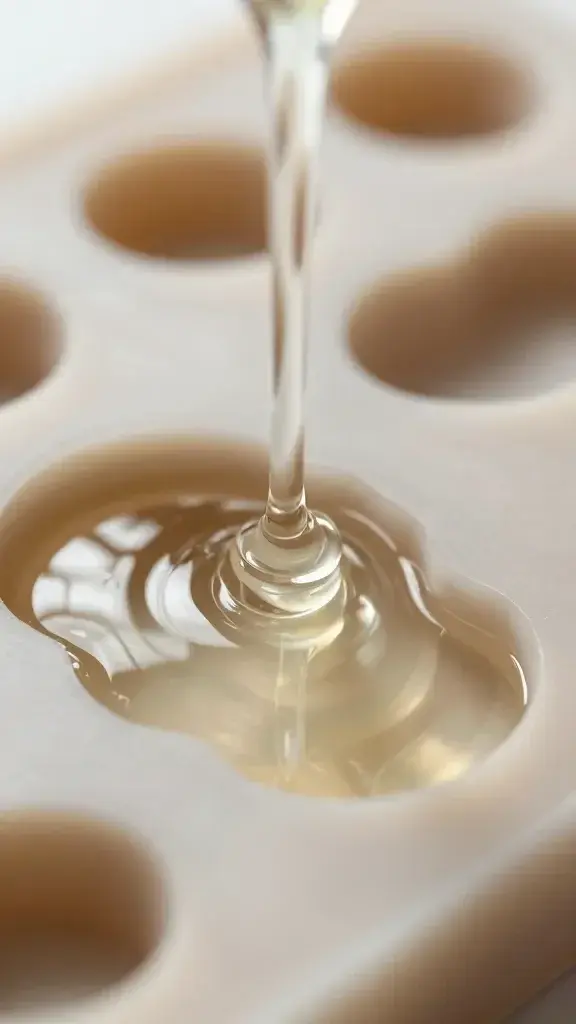
Pour your mixed resin slowly into each cavity of your silicone mold. Fill them almost to the top, leaving just a tiny bit of space. The resin will self-level, creating that beautiful glossy surface.
Dealing With Bubbles
Within a few minutes of pouring, you’ll notice bubbles rising to the surface. This is totally normal. Grab your heat gun or torch and quickly pass it over the surface from about 6 inches away.
Don’t hold it in one spot or you’ll burn the resin or create new problems. Quick, sweeping motions work best. Watch those bubbles pop – it’s oddly satisfying.
The Covering Step
Once you’ve eliminated bubbles, cover your molds. I use a large plastic storage container turned upside down. This protects against dust while still allowing airflow for curing. Don’t use anything airtight.
Curing and Demolding Your Coasters
Now comes the hardest part: waiting. Most resins need 24-72 hours to fully cure. Check your specific product instructions.
Don’t touch them. Don’t poke them. Don’t check if they’re done every 20 minutes. I know it’s tempting, but resist. Every time you mess with them, you risk getting fingerprints or dust on the tacky surface.
Once they’re fully cured (they’ll feel hard and not at all sticky), it’s demolding time. Gently flex your silicone mold and pop those coasters out. If they’re not releasing easily, they might need more curing time.
Finishing Touches
Your coasters are technically done, but you might want to sand the edges if they’re sharp or rough. Use fine-grit sandpaper (220 or higher) and lightly smooth any imperfections.
Add felt pads or cork backing to the bottom to protect your furniture. You can buy adhesive-backed felt circles at any craft store.
Troubleshooting Common Problems
Let’s talk about what can go wrong and how to fix it.
Sticky, tacky surface that won’t cure: Usually means you didn’t mix at the correct ratio or didn’t stir long enough. Unfortunately, these coasters are trash. Live and learn.
Cloudy or milky appearance: Often caused by moisture. Make sure your molds are completely dry before pouring, and don’t work in humid conditions.
Dimples or divots on the surface: Those bubbles you didn’t pop with the torch created craters. Use the heat gun more thoroughly next time.
Yellowing over time: Cheap resin yellows with UV exposure. Invest in a quality, UV-resistant resin if you want them to stay crystal clear.
Frequently Asked Questions
How long does it take to make resin coasters from start to finish?
The actual hands-on work takes about 30-45 minutes. Then you’re waiting 24-72 hours for them to cure. So you can make them in an evening, but you won’t be using them until a few days later. Plan accordingly if you’re making them as gifts.
Can I use any type of resin for coasters?
Technically yes, but epoxy resin specifically designed for casting works best. Don’t use UV resin for coasters – it won’t cure properly in thicker applications. Avoid super cheap Amazon mystery resin too; IMO, it’s worth spending a bit more for quality.
Do I really need a heat gun or can I skip that step?
You really need something to pop bubbles. A kitchen torch works great and costs like $15. Some people use a straw to blow on the surface, but that takes forever and isn’t as effective. The heat gun is a worthwhile investment if you plan to make more resin projects.
How do I clean my mixing cups and tools?
Here’s the thing: you don’t. Use disposable cups and stir sticks. Trying to clean uncured resin is miserable and wastes a ton of acetone. Just toss everything. If you get resin on your silicone mat or molds, let it cure completely and then peel it off.
Are resin coasters heat resistant enough for hot drinks?
Most cured epoxy resin can handle temperatures up to about 120°F, which is fine for warm coffee mugs. However, don’t put a pot straight off the stove on them. They’re coasters, not trivets. If you want extra heat resistance, look for high-temp epoxy formulations.
How much resin do I need for a set of four coasters?
Depends on the size, but generally 8-12 ounces total (so 4-6 oz resin + 4-6 oz hardener) covers four standard coasters. Most resin kits provide way more than that, so you’ll have plenty for multiple sets or mistakes.
Conclusion
There you have it – everything you need to know to make stunning resin coasters from scratch. Once you’ve made your first set, you’ll wonder why you were ever intimidated. The process becomes second nature after a couple batches.
Start simple with solid colors or basic glitter designs. As you get comfortable with the process, experiment with more complex techniques like geodes, ocean waves, or pressed flowers. The best part? Even your “practice” coasters will probably turn out beautiful enough to use or gift. Now go make something gorgeous!