Basic Paper Folding Techniques Every Crafter Should Know

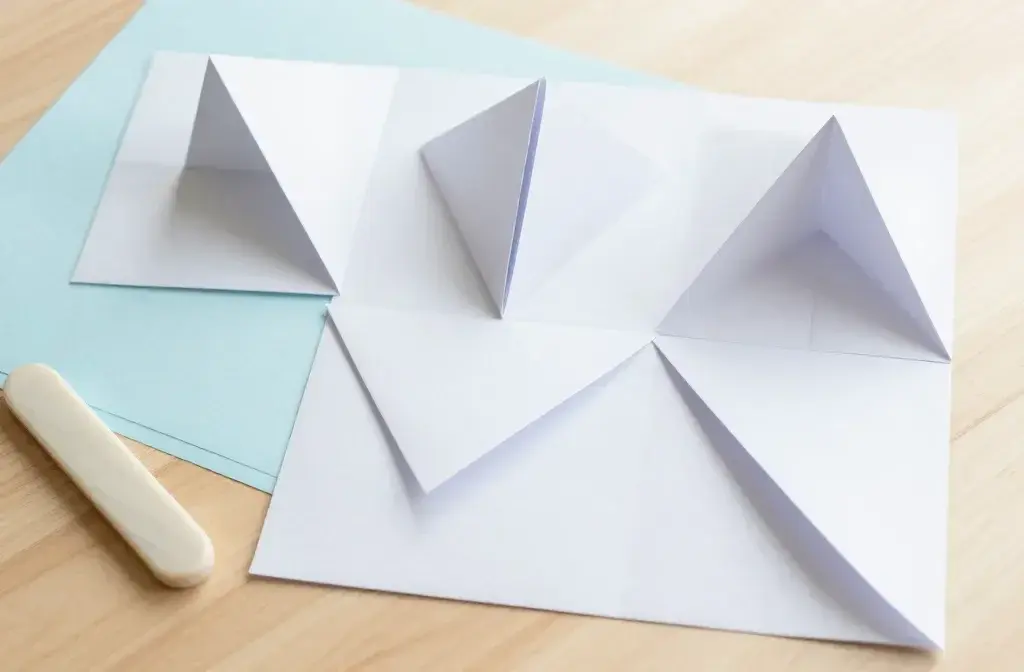
Think paper folding is just for kindergarten origami? Think again.
These fundamental techniques will transform how you approach every craft project, from handmade cards to complex paper sculptures that’ll blow people’s minds.
Master these five folds and you’ll wonder how you ever crafted without them.
1. The Valley Fold – Your Gateway to Everything
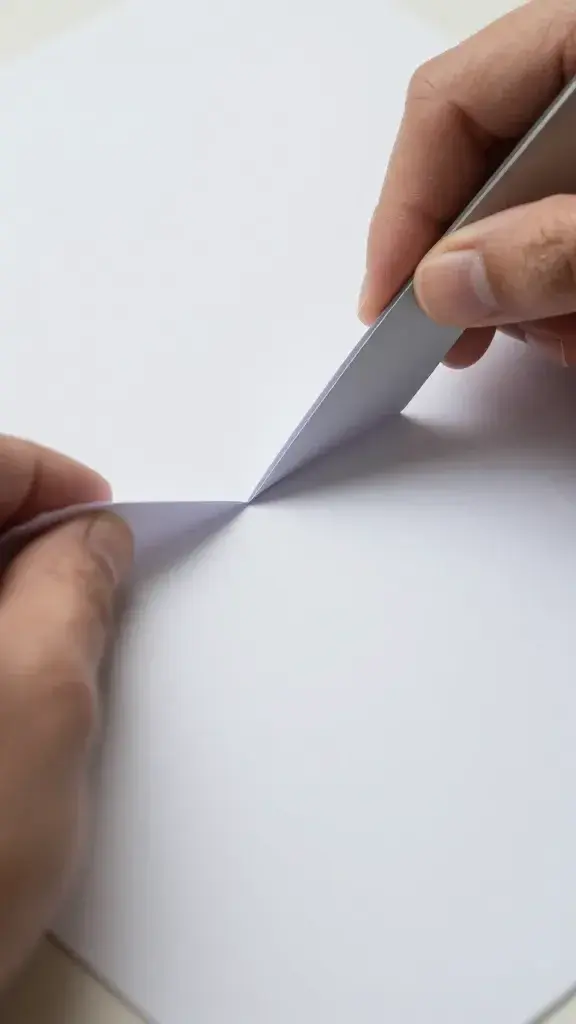
This is literally the foundation of all paper folding, and once you nail it, you’re unstoppable. A valley fold creates a “V” shape that dips inward, like a tiny paper canyon.
To create one, simply fold your paper toward you so the crease forms a valley when viewed from the side. Sounds basic, right? But here’s the secret: crisp, precise valley folds separate amateur crafts from professional-looking projects.
Use your fingernail or a bone folder to really burnish that crease. The sharper your fold, the cleaner your final project will look. You’ll use this technique in literally everything from greeting cards to intricate origami designs.
2. The Mountain Fold – Valley’s Cooler Cousin
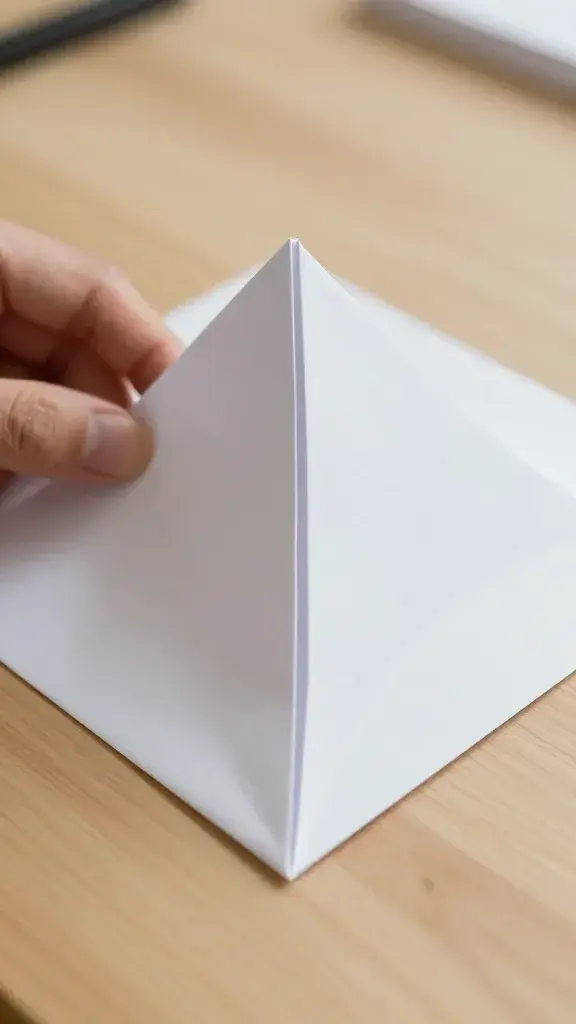
If valley folds go down, mountain folds go up. Simple as that. This fold creates a peak that points away from you, like a tiny paper mountain range.
Here’s the trick: fold the paper away from yourself so the crease forms an upward peak. Most beginners just flip their paper and do a valley fold instead, which totally works! But understanding the mountain fold concept helps you follow origami diagrams without getting confused.
Quick Tips:
- Mountain and valley folds often work together in patterns
- Alternate them to create accordion or fan folds
- They’re essential for three-dimensional paper structures
Trust me, once you see how these two folds complement each other, your crafting brain will explode with possibilities.
3. The Accordion Fold – Instant Texture Magic
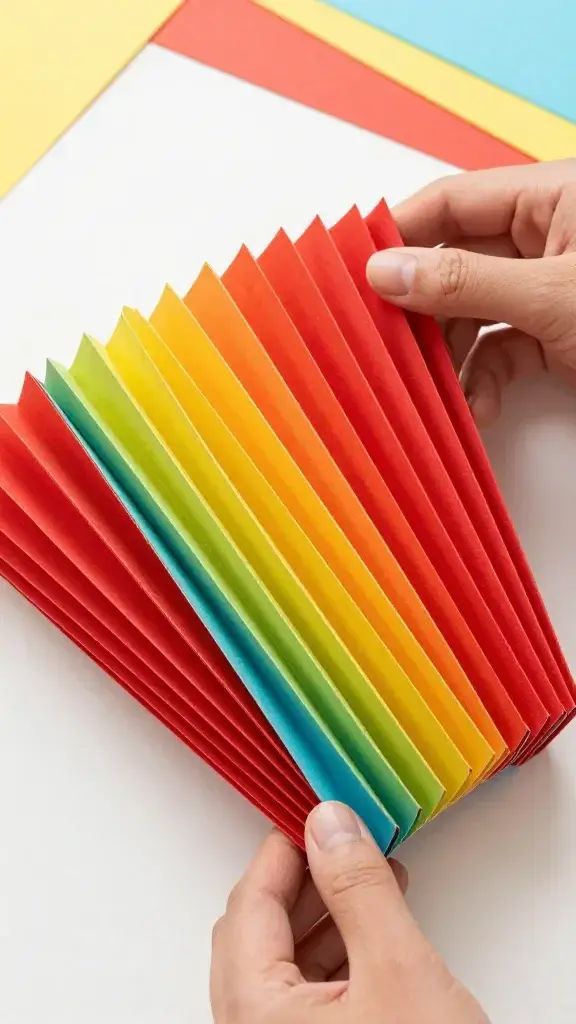
Want to add dimension and visual interest to flat paper? The accordion fold is your new best friend. This technique creates those satisfying back-and-forth pleats that look way harder than they actually are.
Start by making a valley fold, then flip your paper and make another valley fold right next to it. Keep alternating until you’ve created a zigzag pattern that resembles an accordion or fan. The key is keeping your fold widths consistent, or things get wonky fast.
Perfect For:
- Paper fans and rosettes
- Decorative borders on cards
- Adding texture to scrapbook pages
- Creating dimensional flowers and bows
Seriously, this fold punches way above its weight class for the wow factor it delivers.
4. The Book Fold – Simple But Mighty
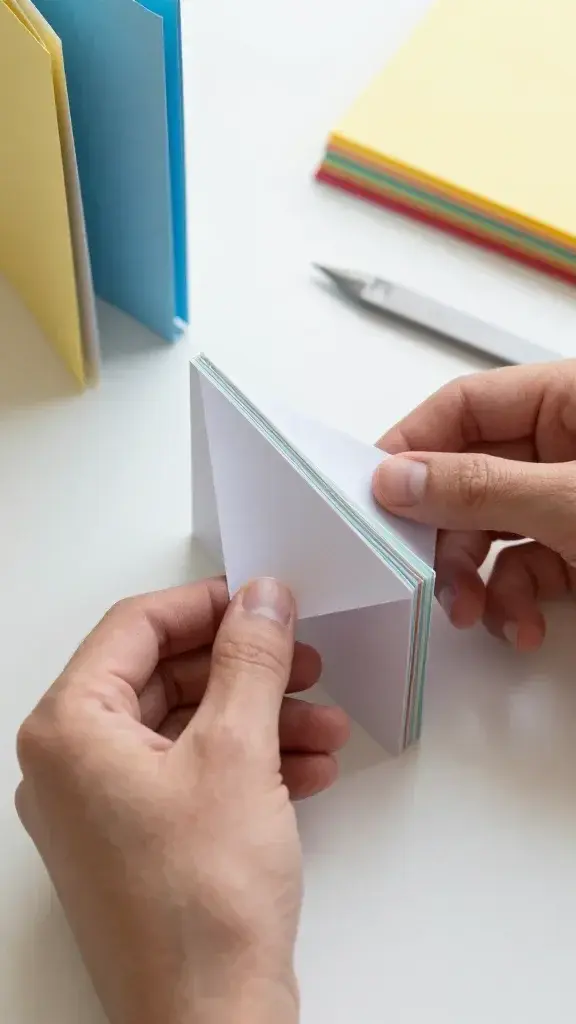
This is exactly what it sounds like, and it’s surprisingly versatile. Fold your paper in half like you’re closing a book, and boom – you’ve got a book fold.
But here’s why it matters: this fold creates the base for most greeting cards, booklets, and pamphlets. The orientation matters too. A vertical book fold (folding top to bottom) creates different possibilities than a horizontal one (folding side to side).
Pro move? Use a book fold as your starting point, then add other techniques on top. Layer an accordion fold inside a book fold for a pop-up effect, or combine multiple book folds to create mini booklets. The simplicity makes it endlessly adaptable, which is why every crafter needs this in their toolkit.
5. The Gate Fold – Drama In Two Easy Steps
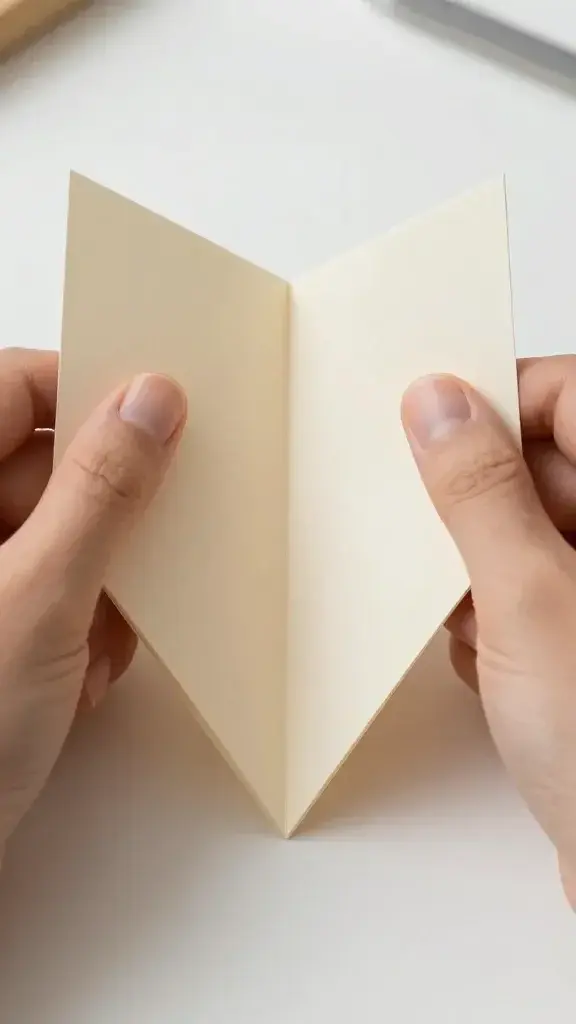
Ready for something that looks fancy but takes zero extra skill? The gate fold is where it’s at. You fold both edges of your paper toward the center, creating two “doors” that meet in the middle.
This technique instantly makes cards and invitations look more expensive and thoughtful. When someone opens those symmetrical panels, they get a reveal moment that feels special. FYI, you can leave the gates loose or add a belly band to keep them closed for extra suspense.
Creative Applications:
- Wedding invitations with hidden details
- Tri-fold brochures and menus
- Interactive cards with layered reveals
- Decorative paper packaging
The gate fold works beautifully on its own or as a base for more complex designs. Plus, it’s incredibly forgiving for beginners.
These five techniques might seem simple, but they’re the building blocks of virtually every paper craft you’ll ever attempt. Start practicing them today, and you’ll level up your crafting game faster than you ever thought possible. Now grab some paper and get folding!