
How to Make Whipped Shea Butter Body Cream at Home

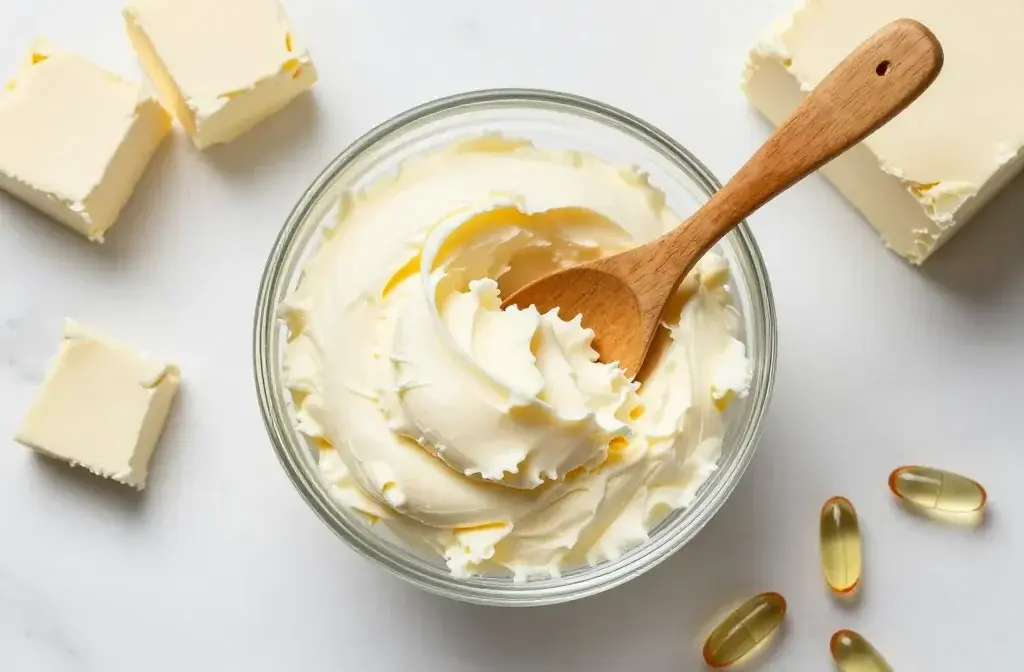
Your skin deserves better than those overpriced body creams packed with ingredients you can’t pronounce. Making whipped shea butter at home is stupidly simple, costs a fraction of store-bought versions, and gives you that cloud-like moisturizer that actually works. Plus, you’ll feel like a certified DIY chemist, which is always fun.
Why Shea Butter Is Your Skin’s New Best Friend
Shea butter isn’t just another trendy ingredient that influencers rave about. This stuff has been used for centuries in Africa for good reason—it’s loaded with vitamins A and E, fatty acids, and natural anti-inflammatory properties that actually make a difference.
When you whip it up, you transform that dense, waxy block into a light, fluffy cream that melts into your skin like butter on warm toast. No greasy residue, no waiting around for it to absorb while you stand there like a glazed donut. Just smooth, hydrated skin that doesn’t feel like you bathed in olive oil.
The best part? You control exactly what goes into your cream. No mystery chemicals, no preservatives with seventeen syllables, just pure ingredients that you’d actually want on your body.
Gathering Your Ingredients and Tools
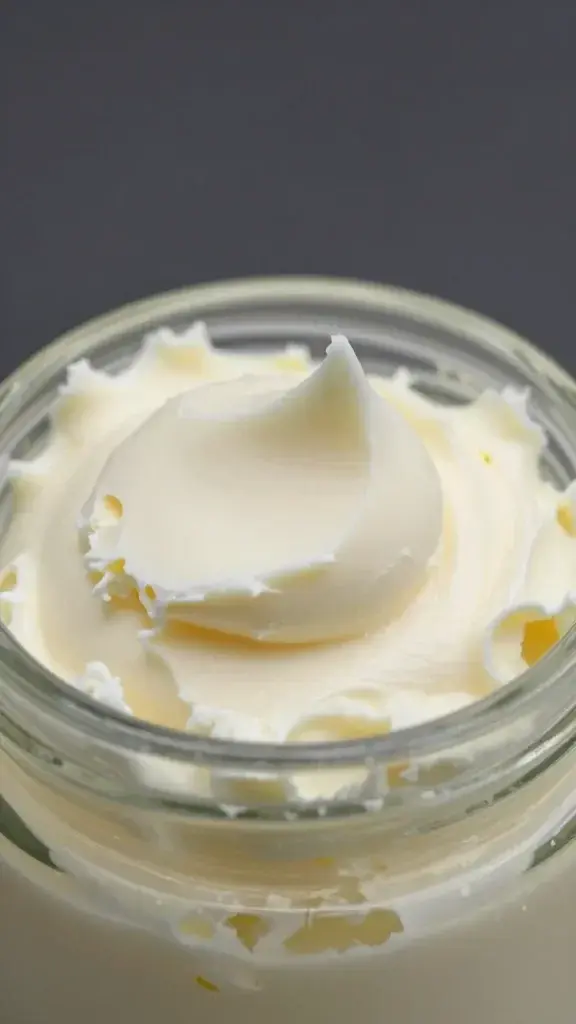
Before you channel your inner skincare chemist, you need to grab a few things. The good news is that this isn’t some complicated recipe that requires you to hunt down obscure ingredients from specialty stores.
What You’ll Need
Here’s your shopping list:
- Raw shea butter (1 cup) – Get the unrefined, ivory or yellow kind, not the white processed stuff
- Carrier oil (1/4 cup) – Sweet almond, jojoba, or coconut oil all work great
- Essential oils (10-15 drops, optional) – Lavender, vanilla, or peppermint are popular choices
- Vitamin E oil (1 teaspoon, optional) – Acts as a natural preservative
Equipment-wise, you’re not looking at anything fancy:
- Stand mixer or hand mixer (a whisk will work but your arm will hate you)
- Double boiler or microwave-safe bowl
- Storage containers (mason jars look cute and work perfectly)
- Spatula for scraping every last bit
The Actual Whipping Process (It’s Easier Than You Think)
Ready to get started? This is where the magic happens, and honestly, it’s so simple you’ll wonder why you ever spent $40 on a tiny jar of body butter.
Step 1: Soften Your Shea Butter
Take your shea butter and let it soften at room temperature for about 30 minutes. You want it pliable but not melted—think the consistency of cold cream cheese. If you’re impatient (no judgment), you can warm it in a double boiler for just a few minutes. Do NOT melt it completely, or you’ll mess up the whipping process.
Step 2: Add Your Oils
Drop in your carrier oil and vitamin E oil if you’re using it. The carrier oil helps the shea butter spread more easily and adds extra nourishment. FYI, coconut oil will make your butter more solid in cool temps, while jojoba keeps it consistently smooth.
Step 3: Whip It Good
Now for the fun part. Start your mixer on low speed to combine everything, then crank it up to high. Whip for about 10-15 minutes, scraping down the sides occasionally. You’ll see it transform from dense butter to fluffy, cloud-like goodness right before your eyes.
The mixture will roughly double in volume and turn a lighter shade. When it holds stiff peaks like whipped cream, you’re done. Your arm workout for the day? Officially complete.
Step 4: Customize the Scent
This is where you make it yours. Add your essential oils and give it one final quick whip to distribute them evenly. Start with fewer drops than you think you need—you can always add more, but you can’t take it back once it’s in there.
Storage Tips to Keep Your Creation Fresh
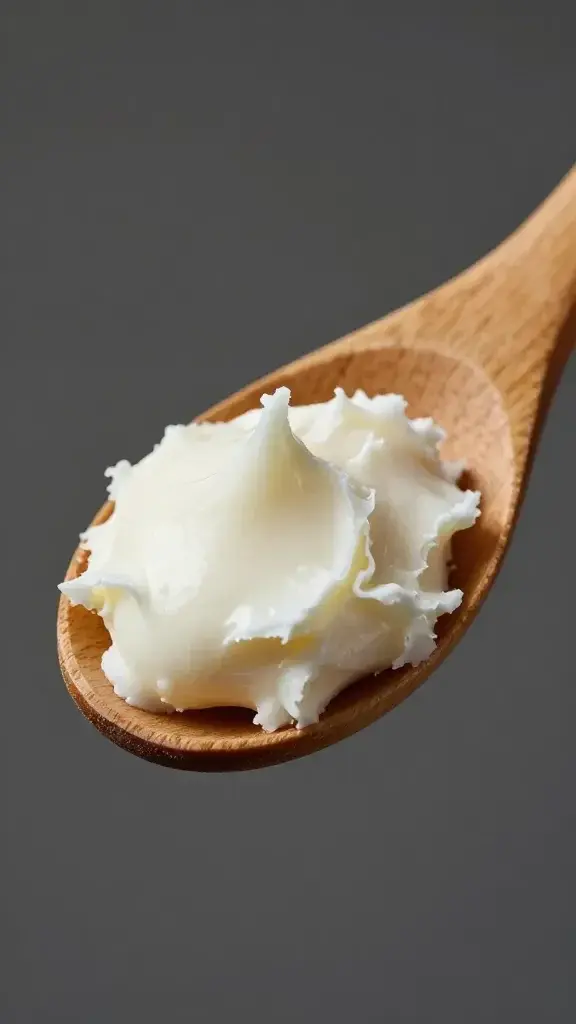
You just made something awesome, so let’s keep it that way. Scoop your whipped shea butter into clean, dry containers. Glass jars work best because they don’t absorb oils or odors.
Store your cream in a cool, dark place—not the bathroom where humidity runs wild. A bedroom dresser or linen closet works perfectly. Your creation should last about 3-6 months, especially if you added vitamin E oil as a preservative.
Here’s the thing though: shea butter melts around 75-80°F. If you live somewhere hot or it’s summer, your fluffy clouds might deflate into a more solid consistency. It’ll still work great, just won’t be as whipped. Pop it in the fridge for 20 minutes and re-whip if you want that fluffiness back.
Creative Variations to Try
Once you’ve mastered the basic recipe, it’s time to get fancy. The beauty of making your own body cream is experimenting with different combinations until you find your perfect match.
Try these variations:
- Chocolate mint: Add cocoa butter (replace half the shea butter) and peppermint essential oil
- Vanilla dreams: Mix in vanilla essential oil and a touch of sweet almond oil
- Lavender calm: Lavender essential oil with chamomile-infused carrier oil
- Coffee body butter: Add cooled, finely ground coffee for gentle exfoliation and a wake-me-up scent
- Rose garden: Rose essential oil with rosehip seed oil as your carrier
You can also add natural colorants like mica powder or a tiny bit of beetroot powder if you want your cream to look as good as it feels. Just remember: a little goes a very long way.
Common Mistakes and How to Avoid Them
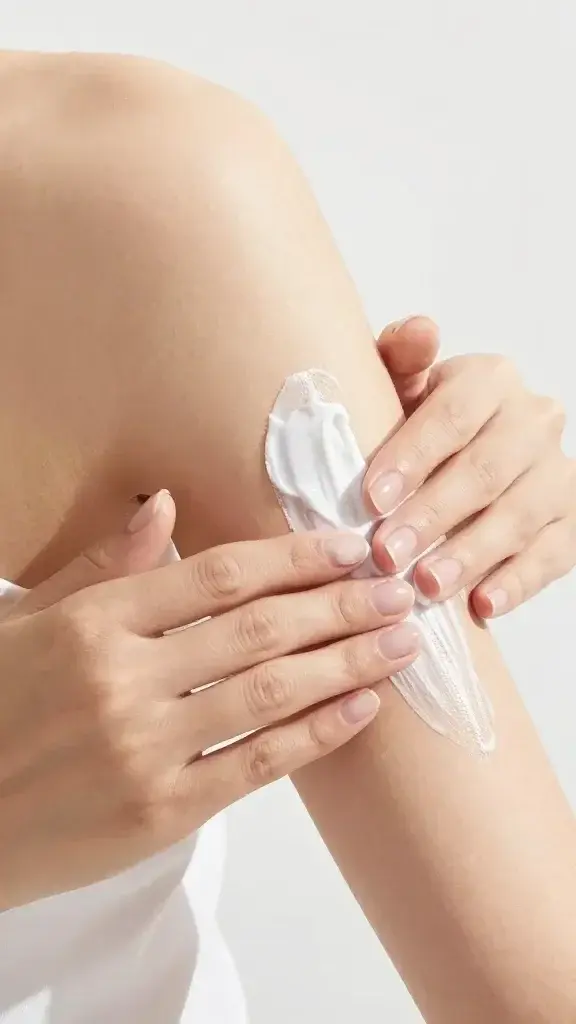
Let’s talk about where people typically mess up, so you don’t have to learn the hard way.
Melting the shea butter completely is rookie mistake number one. When you melt it all the way down, it loses its ability to whip into that fluffy texture. It’ll still moisturize fine, but it’ll be more like a solid balm than a whipped cream.
Not whipping long enough is another common issue. Your arm might get tired or you might think “eh, good enough,” but those extra few minutes make the difference between okay texture and absolutely perfect texture. Push through.
Adding too much carrier oil turns your butter into a runny mess. Stick to the 4:1 ratio (shea butter to carrier oil) for best results. You can adjust slightly based on preference, but don’t go overboard.
Frequently Asked Questions
Can I use refined shea butter instead of unrefined?
You can, but IMO you’re missing out on the good stuff. Refined shea butter has been processed and stripped of many beneficial properties. It’s white, odorless, and has a longer shelf life, but unrefined (raw) shea butter retains all those vitamins and nutrients that make it so amazing. The slightly nutty smell of raw shea butter mostly disappears once you add essential oils anyway.
How do I know if my shea butter has gone bad?
Your nose will tell you. Rancid shea butter smells funky—kind of sour or plasticky instead of that mild, nutty aroma. You might also notice the texture becoming grainy or the color changing. If it smells off, toss it. Your skin deserves fresh ingredients.
Why did my whipped shea butter turn grainy?
This usually happens when shea butter melts and re-solidifies, which changes its crystal structure. Temperature fluctuations are the culprit. To fix it, completely melt it down in a double boiler, let it cool to room temperature, then refrigerate until it’s soft but not hard. Re-whip it, and it should smooth out.
Is whipped shea butter good for all skin types?
Generally, yes! Shea butter is non-comedogenic, meaning it won’t clog your pores. However, if you have seriously oily or acne-prone skin, you might want to use it sparingly or stick to using it on your body rather than your face. Everyone’s skin is different, so patch test first if you’re concerned.
Can I use this on my face?
Absolutely. Whipped shea butter makes a fantastic face moisturizer, especially for dry or mature skin. Just use a lighter hand than you would on your body—a little goes a long way on your face. Some people love it as an overnight treatment.
How long does it take to make whipped shea butter from start to finish?
Including softening time, you’re looking at about 45 minutes to an hour total. The actual hands-on work is maybe 20 minutes. It’s one of those things you can easily do while watching Netflix or listening to a podcast.
Wrapping It Up
Making whipped shea butter at home is one of those satisfying projects that delivers instant gratification and actual results. You get a luxurious body cream that rivals anything from those fancy boutiques, costs way less, and you know exactly what’s in it.
Start with the basic recipe, get comfortable with the process, then experiment with different oils and scents until you create your signature blend. Your skin will thank you, your wallet will thank you, and you’ll have the satisfaction of knowing you made something genuinely useful with your own hands. Plus, homemade whipped shea butter makes fantastic gifts—just saying, the holidays are always around the corner.