How to Make Polymer Clay Earrings: Step-by-Step Beginner Tutorial

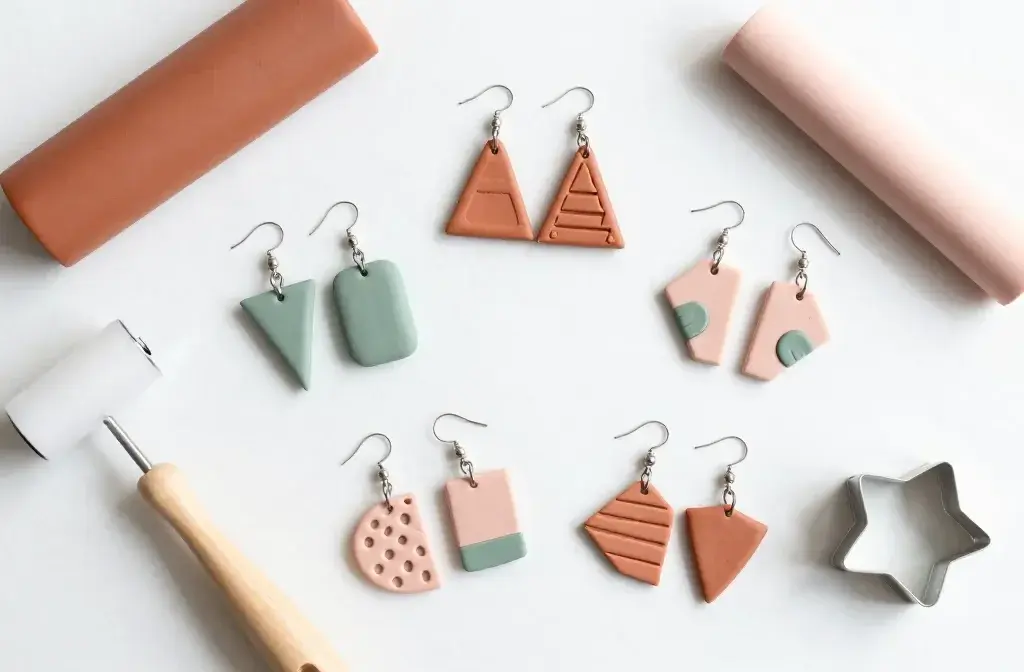
You’ve probably scrolled past those gorgeous handmade earrings on Instagram and thought “I could totally make those.” Well, guess what? You absolutely can, and polymer clay is the perfect medium to start with. It’s affordable, forgiving, and doesn’t require a pottery wheel or fancy kiln. Let’s dive into how you can create your own stunning earrings that’ll have your friends asking “where did you get those?”
What You’ll Need to Get Started
Before we jump into the fun stuff, let’s talk supplies. The good news? You probably already have half of this stuff lying around your house.
Essential supplies:
- Polymer clay in your chosen colors (Sculpey and Fimo are beginner-friendly brands)
- Earring hooks or posts (stainless steel if you have sensitive ears)
- Jump rings (those little metal circles that connect everything)
- A rolling pin or acrylic roller
- Cookie cutters or clay cutters in fun shapes
- Parchment paper or a ceramic tile
- Needle tool or toothpick
- Small pliers (jewelry pliers work best, but regular ones will do)
- An oven (yep, your regular kitchen oven)
Don’t stress about buying everything at once. Start with a basic kit and add tools as you discover what styles you love making. Your wallet will thank you.
Conditioning Your Clay (It’s Not a Spa Treatment)
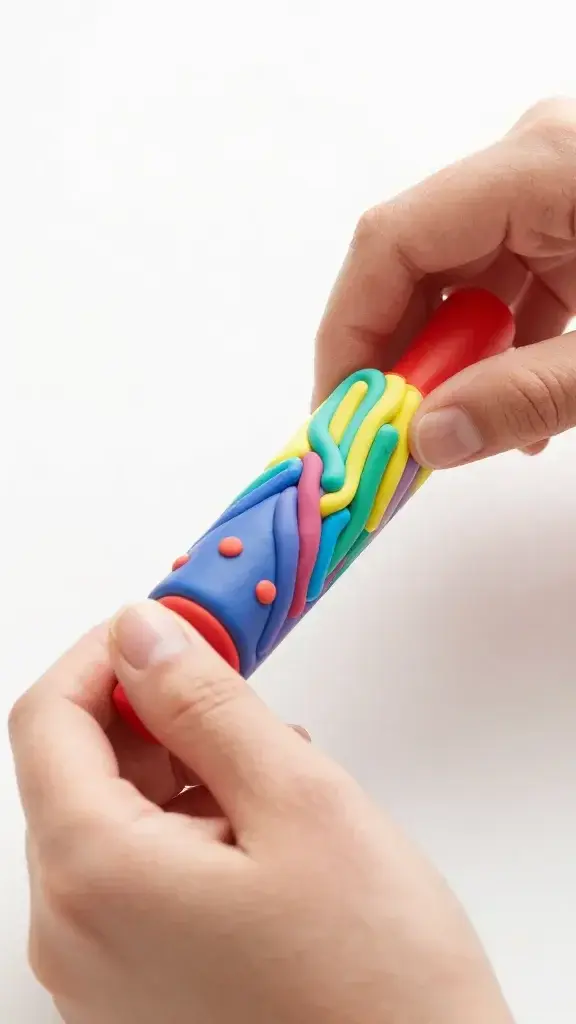
Fresh-out-of-the-package polymer clay can be pretty firm and uncooperative. Conditioning basically means warming it up and making it pliable. Think of it like stretching before a workout, except the clay is doing the stretching.
Grab a small chunk of clay and start working it with your hands. Roll it into a snake, fold it, roll it again. Repeat this process for about 5-10 minutes until the clay feels soft and smooth. If your hands get tired, you can use a rolling pin to fold and press the clay repeatedly.
Pro tip: If your clay is super old and crumbly, add a tiny drop of mineral oil or clay softener. Just a drop though—nobody wants greasy earrings.
Shaping Your Earring Design
Now comes the creative part where you actually get to make something pretty! Let’s start with a basic shape before you go full Picasso on us.
The Classic Flat Earring
Roll your conditioned clay to about 2-3mm thick. Any thinner and they’ll be too fragile; any thicker and they’ll feel like you’re wearing coasters on your ears. Use your cookie cutters or shape cutters to punch out matching shapes. Make sure you cut two that are roughly the same size unless asymmetrical is your vibe.
Before you get too excited and move on, use your needle tool or toothpick to poke a hole near the top of each shape. This is where your jump ring will go, so place it thoughtfully. Too close to the edge and it might tear; too far down and your earrings will hang weird.
Getting Fancy with Textures and Patterns
Want to level up? Try these techniques:
- Press textured items into the clay (lace, stamps, even leaves from your yard)
- Layer different colored clays for a marbled effect
- Use a blade to cut thin slices from a rolled pattern (called a “cane”)
- Add small clay details like dots or tiny flowers
The possibilities are honestly endless, which is both exciting and slightly overwhelming. Start simple and work your way up to the fancy stuff.
Baking Your Creations
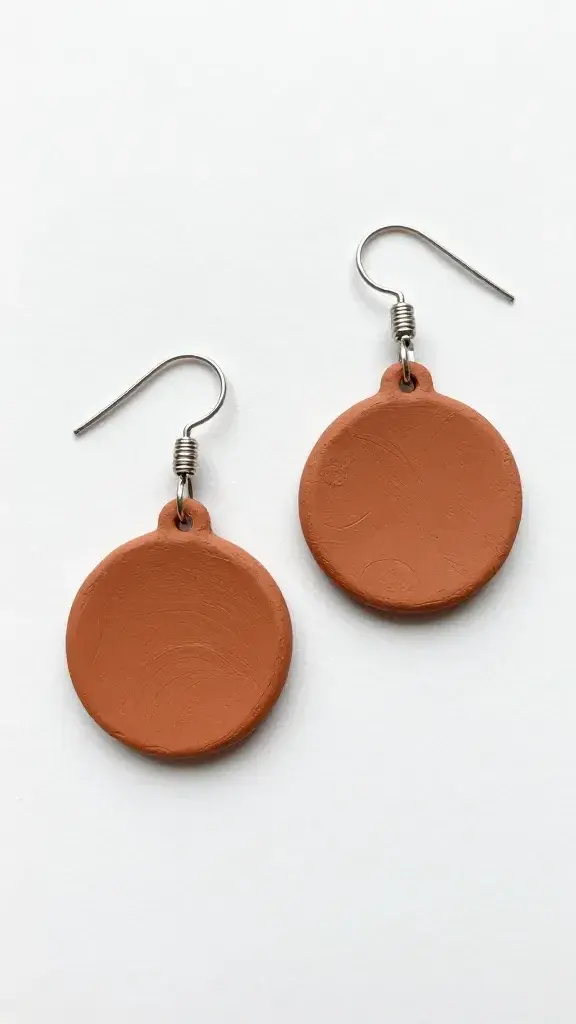
Here’s where things get real. Polymer clay needs to be baked to harden, and yes, you use your regular kitchen oven. FYI, it’s not toxic as long as you don’t burn it to a crisp.
Place your earrings on a piece of parchment paper on a baking sheet. Check your clay package for the exact temperature (usually around 275°F or 130°C) and baking time (typically 15-30 minutes depending on thickness).
Important baking tips:
- Use an oven thermometer because most ovens lie about their temperature
- Don’t overbake or your pieces might darken or burn
- Let them cool completely before handling—patience, grasshopper
- Ventilate your kitchen because the smell can be a bit plasticky
Your earrings will still feel slightly flexible when they come out hot. That’s normal. They’ll harden as they cool. If they’re still bendy after cooling completely, they need more baking time.
Finishing Touches and Assembly
Your baked pieces are cool and hard—congrats! But they’re not earrings yet. Time for the assembly magic.
First, decide if you want to sand and seal your pieces. Sanding with fine-grit sandpaper (400-600 grit) smooths any rough edges. You can also apply a glaze or varnish for a glossy finish, but honestly? Many pieces look great matte and natural.
Now for the jewelry part. Open a jump ring using your pliers (twist it sideways, don’t pull it apart like a wishbone). Thread it through the hole in your earring, then attach it to your earring hook. Close the jump ring by twisting it back. Repeat for the second earring.
Boom. You just made earrings.
Troubleshooting Common Beginner Mistakes
Let’s address the inevitable “oops” moments because they happen to everyone.
My clay won’t stick together: It’s probably not conditioned enough, or your hands are too cold. Warm it up more and try again.
My earrings cracked in the oven: This usually means the clay was too old, had air bubbles, or experienced a temperature spike. Check your oven temp and make sure you’re working out air bubbles while conditioning.
The colors look different after baking: Some clays darken slightly when baked. Test bake a small piece first if you’re worried about color changes.
My earrings are too heavy: Roll your clay thinner next time or try making smaller designs. Your earlobes will appreciate it.
Design Ideas to Get You Inspired
Stuck on what to make? Here are some beginner-friendly ideas that look way more complicated than they actually are:
- Terrazzo-style earrings (just mix clay scraps with a base color)
- Simple geometric shapes in trendy color combos
- Tiny food items like pizza slices or donuts (cute and quirky)
- Abstract shapes with metallic leaf accents
- Rainbow gradients
- Minimalist arch or half-moon shapes
IMO, the “imperfect” handmade look is part of the charm. Don’t stress about making everything perfectly symmetrical unless that’s specifically your aesthetic.
Frequently Asked Questions
Can I use polymer clay earrings in the shower?
Technically yes, but I wouldn’t recommend it. While baked polymer clay is water-resistant, the metal components (hooks and jump rings) can tarnish or irritate your skin when constantly wet. Take them off before showering, swimming, or doing dishes.
How do I store unbaked polymer clay?
Keep it wrapped in plastic wrap or in airtight containers away from heat and sunlight. Stored properly, polymer clay lasts for years. Keep different colors separated unless you want everything to eventually look muddy brown.
Are polymer clay earrings hypoallergenic?
The clay itself usually doesn’t cause reactions, but the metal findings might. If you have sensitive ears, invest in surgical steel, titanium, or niobium earring hooks. Your ears will be much happier.
Can I paint polymer clay after baking?
Absolutely! Acrylic paints work great on baked polymer clay. Just make sure the clay is completely cool and clean before painting. Seal with a water-based varnish afterward for durability.
How long do polymer clay earrings last?
With proper care, they can last for years. The clay itself is pretty durable once baked. The main wear usually happens with the metal components, which you can easily replace.
What’s the best clay brand for beginners?
Sculpey Premo and Fimo Professional are both excellent choices. They’re easy to condition, hold detail well, and come in tons of colors. Sculpey Original is cheaper but can be brittle after baking, so I’d skip that one.
Conclusion
Making polymer clay earrings is genuinely one of the most satisfying crafts you can pick up as a beginner. It’s affordable, doesn’t require tons of space, and you’ll have wearable art to show off (or gift to friends who will absolutely love them). Sure, your first few pairs might look a little wonky, but that’s part of the learning process. The only way to get better is to keep making more. So grab some clay, fire up that oven, and start creating. Your jewelry box is about to get a whole lot more interesting.