Eco-Friendly Craft Trends for 2026: What Sustainable Makers Are Creating

Tired of craft trends that leave you drowning in plastic waste and guilt? You’re not alone.
The makers leading the charge in 2026 are proving that sustainable crafting doesn’t mean sacrificing style or fun. These trends are gorgeous, earth-friendly, and surprisingly easy to jump into.
Get ready to discover what’s hot in the eco-craft world and why your next project might just help save the planet.
1. Mushroom Leather Creations: The Fungi Revolution
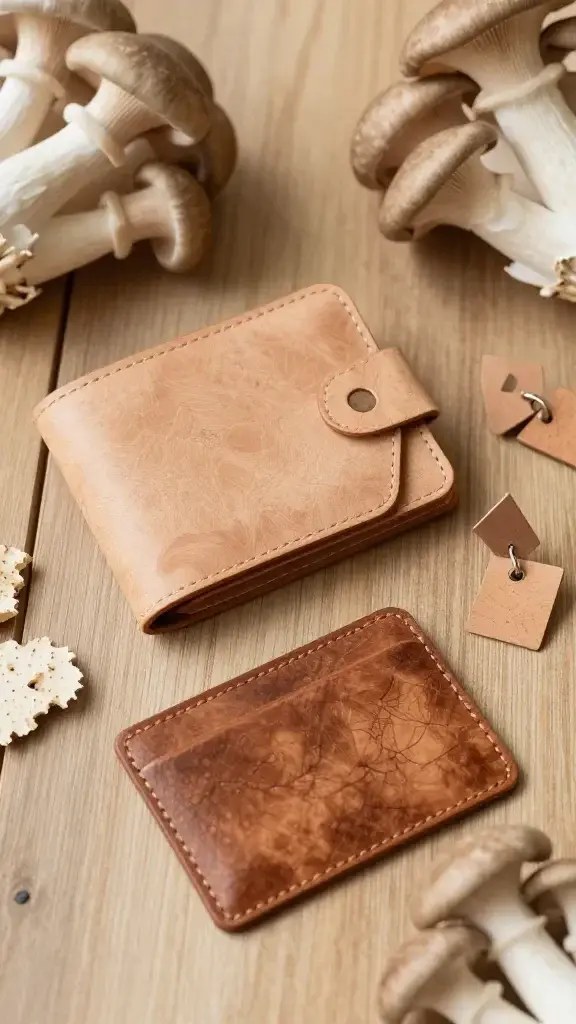
Yes, you read that right. Crafters are ditching animal and plastic leather for something grown from mycelium (aka mushroom roots). This stuff looks and feels like the real deal but breaks down naturally when you’re done with it.
The beauty of mushroom leather? You can mold it into wallets, jewelry, bookmarks, and even small bags. It takes dye beautifully and develops this gorgeous patina over time.
What You Can Make:
- Card holders and wallets
- Statement earrings
- Book covers
- Plant pot wraps
Seriously, this material is having a major moment. Plus, you can either buy pre-made sheets or grow your own if you’re feeling adventurous. The DIY kits are surprisingly affordable and make for a fun weekend project.
2. Seaweed Yarn Knitting: Ocean-Sourced Softness
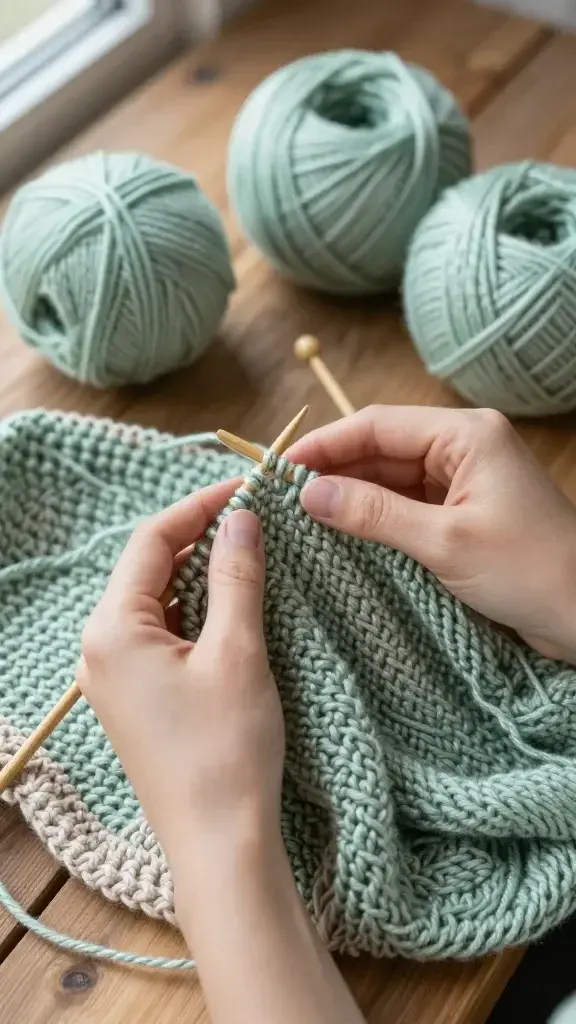
Knitters and crocheters are going wild for yarn made from seaweed fibers. This isn’t some scratchy experimental material – it’s actually softer than cotton and naturally antibacterial.
The cool part? Seaweed grows incredibly fast without pesticides, fertilizers, or fresh water. Brands are harvesting it sustainably and spinning it into yarn that comes in gorgeous natural colors.
Perfect Projects:
- Baby blankets (the antibacterial properties are clutch here)
- Summer cardigans
- Dish towels and washcloths
- Lightweight scarves
FYI, seaweed yarn works with your existing patterns – no need to learn new techniques. It drapes beautifully and gets softer with every wash. Your yarn stash just got a sustainable upgrade.
3. Electronic Waste Jewelry: Tech Trash Transformed
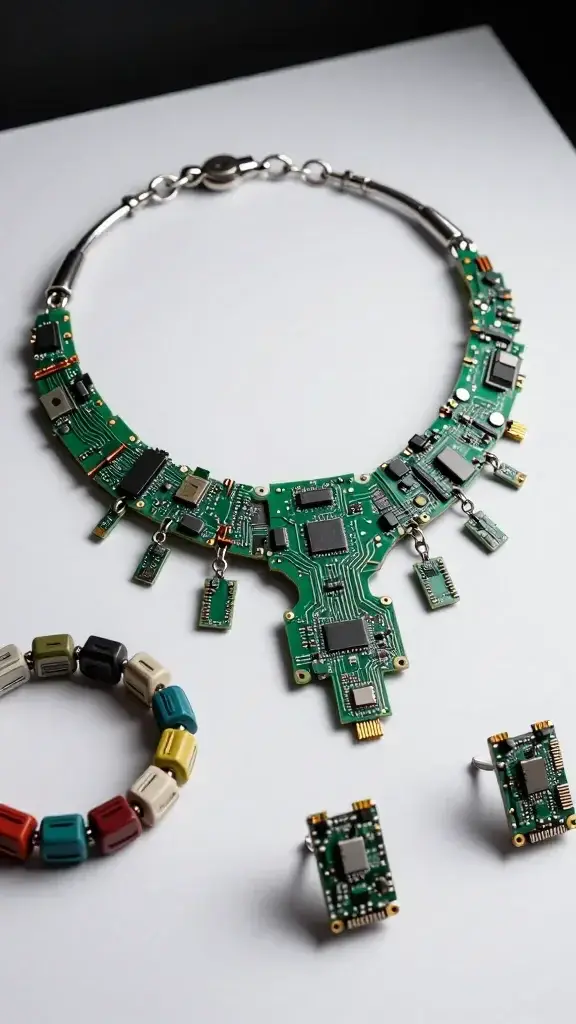
Makers are raiding old circuit boards, computer parts, and broken electronics to create stunning cyberpunk-style jewelry. Those tiny green boards? They’re becoming earrings. Old watch gears? Statement necklaces.
This trend tackles the massive e-waste problem while creating pieces that are genuinely unique. No two items look exactly alike because they’re made from different salvaged components.
Popular Pieces:
- Circuit board pendant necklaces
- Keyboard key rings and bracelets
- Motherboard cufflinks
- RAM chip earrings
You’ll need some basic jewelry-making tools and safety gear (those circuit boards can have sharp edges). But trust me, the compliments you’ll get are worth it. Plus, you’re keeping toxic materials out of landfills.
4. Pressed Flower Art with Invasive Species
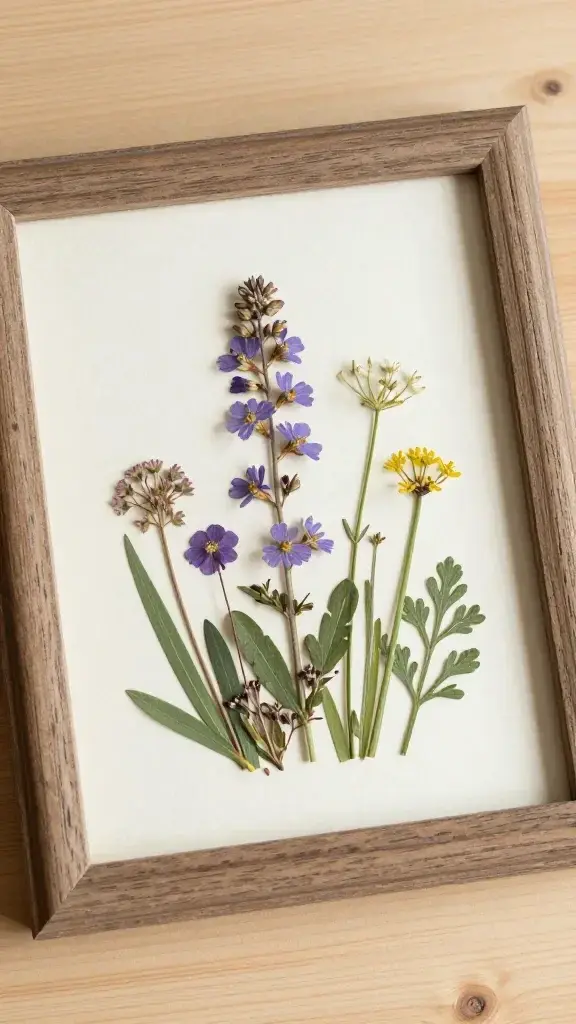
Here’s a genius twist on traditional pressed flower crafts. Artists are specifically using invasive plant species to create their botanical artwork – so you’re making beauty while helping local ecosystems.
Think Japanese knotweed, kudzu flowers, purple loosestrife, and garlic mustard. These plants are gorgeous but wreaking havoc on native species. Harvesting them for crafts? You’re basically a conservation hero.
Creative Applications:
- Framed botanical art
- Greeting cards and bookmarks
- Resin jewelry and coasters
- Phone case decorations
Check local foraging laws first, but many areas actively encourage removing invasive species. You get free materials and the warm fuzzy feeling of doing good. IMO, that’s the best kind of crafting.
5. Clay from Local Soil: Hyperlocal Ceramics
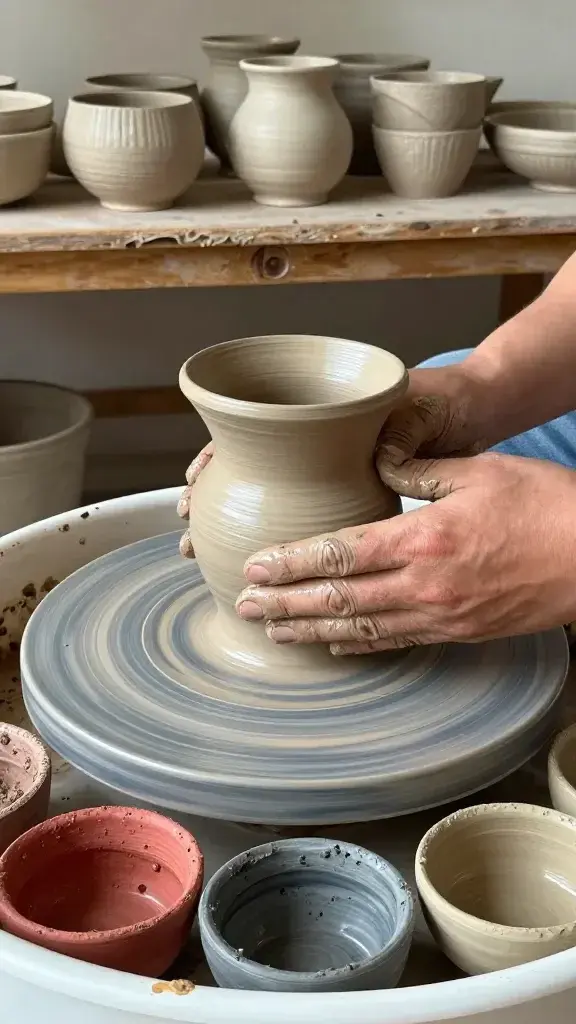
Potters and sculptors are skipping the craft store and digging clay straight from their backyards or local creek beds. This hyperlocal movement creates pieces with colors and textures you literally can’t get anywhere else.
Each region’s soil produces different results – red clay in Georgia, gray clay in the Pacific Northwest, buff tones in the Southwest. Your pottery becomes a reflection of your exact geographic location.
Getting Started:
- Find clay deposits near streams or construction sites
- Test and process your clay (plenty of tutorials online)
- Experiment with firing temperatures
- Document your clay’s origin story
Yes, it’s more work than buying commercial clay. But the connection to place and the zero carbon footprint? Priceless. Plus, your pieces come with built-in storytelling appeal that customers and friends will love.
These eco-friendly trends prove that sustainable crafting is anything but boring. Whether you’re growing mushroom leather or foraging invasive flowers, you’re joining a movement that values creativity and the planet equally. Pick one that speaks to you and dive in – your most meaningful projects might be the ones that give back.