
How to Bake Polymer Clay Without Cracking: Temperature and Timing Guide

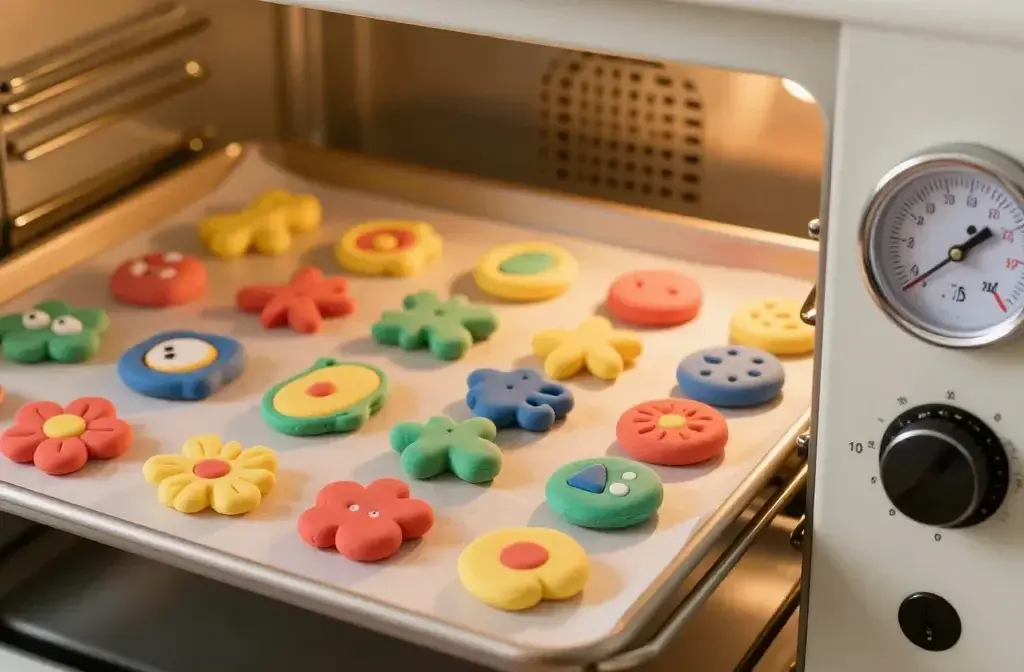
You’ve just spent hours crafting the perfect polymer clay miniature, and you’re ready to bake it into permanent awesomeness. But wait—one wrong move in the oven, and you’ll end up with a cracked, burnt, or worse, gooey disaster. Let’s make sure that doesn’t happen to you.
Why Temperature Actually Matters (Like, A Lot)
Here’s the thing about polymer clay: it’s basically plastic that needs heat to transform from squishy moldable stuff into a hard, durable finished piece. But unlike cookies where “a few extra degrees won’t hurt,” polymer clay is ridiculously picky about temperature.
Most polymer clay brands need to bake at temperatures between 265°F and 275°F (129°C to 135°C). Go too low, and your piece won’t cure properly—it’ll stay bendy, weak, and basically useless. Crank it too high, and you’ll get darkening, scorching, and those heartbreaking cracks that make you want to throw your oven out the window.
The cracking usually happens because different parts of your piece heat up at different rates. Think of it like shocking a glass with hot water—sudden temperature changes create stress, and stress creates cracks. Your polymer clay feels the same way about inconsistent heat.
Get Yourself an Oven Thermometer (Seriously, Do It Now)
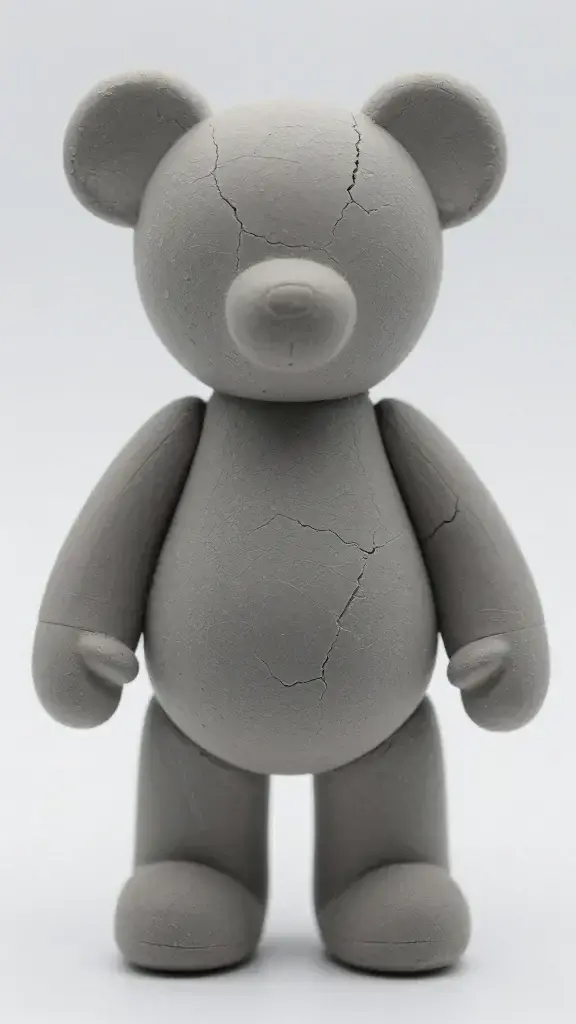
Your oven is a liar. I hate to break it to you, but that temperature dial is probably off by at least 10-25 degrees. Sometimes more if you’ve got an older oven that’s seen better days.
An oven thermometer costs like five bucks and will save you countless heartbreaks. Just toss it in your oven and check what temperature it actually reaches when you set it to 275°F. You might be shocked at how wrong it is.
Once you know your oven’s true personality, you can adjust accordingly. If it runs hot, set it lower. If it runs cool, bump it up. This single step will prevent more cracking disasters than anything else on this list.
The Perfect Baking Setup for Crack-Free Results
Now that you’ve got your temperature sorted, let’s talk about how you actually position your clay in the oven. This matters more than you’d think.
Never Put Clay Directly on the Oven Rack
Your clay pieces need a buffer between them and the direct heat source. Place them on a ceramic tile, glass baking dish, or metal baking sheet lined with parchment paper. This helps distribute heat more evenly and prevents hot spots that can cause cracking.
Some artists swear by creating a “tent” with aluminum foil over their pieces. This protects them from direct heat from the top element and keeps the temperature more consistent. It’s especially helpful for pieces with delicate details that might brown too quickly.
The Center Rack Is Your Best Friend
Position your baking surface on the middle rack of your oven. This keeps your clay away from the heating elements at the top and bottom, giving it the most even heat possible. Heat rises and concentrates at different spots, so the middle is your safe zone.
Timing: How Long Should You Actually Bake?
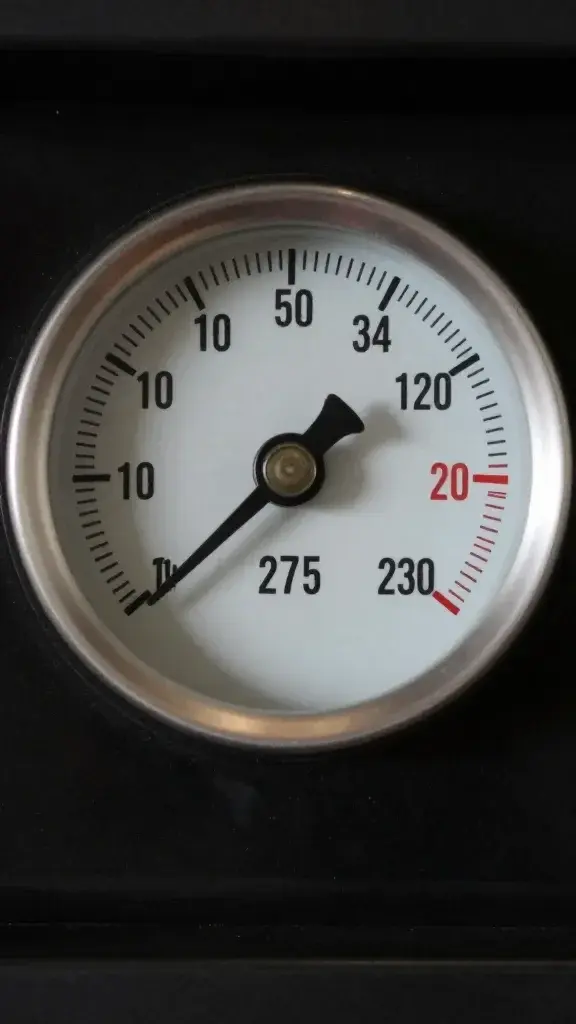
Here’s where things get a bit more flexible, but there’s still a golden rule: bake for 15 minutes per quarter-inch (6mm) of thickness. This applies to most major brands like Sculpey, Fimo, and Premo.
Got a chunky dragon sculpture that’s an inch thick at the body? That needs at least an hour in the oven. A thin pendant that’s only 1/8 inch thick? Fifteen minutes should do it. When in doubt, go longer rather than shorter—you can’t really overbake polymer clay at the correct temperature, but you can definitely underbake it.
Underbaked clay is weak, brittle, and prone to cracking after it cools. It might look done on the outside, but the inside never fully cured. That’s a recipe for disappointment when your piece snaps in half a week later.
What About Multiple Baking Sessions?
Good news: you can absolutely bake polymer clay multiple times without issues. This is actually super useful for complex projects where you’re adding layers or attaching new pieces to already-baked components.
Just make sure each baking session follows the same temperature and timing rules. The clay doesn’t care how many times it’s been in the oven as long as you treat it right each time.
Cooling Down: The Step Everyone Forgets
You’ve baked your piece perfectly, and now you’re itching to pull it out and admire your work. Slow down there, speedster.
Let your clay cool down gradually inside the oven with the door closed. Just turn off the heat and walk away for 20-30 minutes. This slow cooldown prevents thermal shock—that sudden temperature change that causes cracking.
FYI, pulling hot polymer clay into room temperature air is basically asking for stress cracks. The outer layer cools and contracts while the inside is still hot and expanded. That tension? Yeah, that’s crack city right there.
If you’re impatient (and let’s be honest, we all are), at least let it cool on the baking surface outside the oven rather than dunking it in water or putting it on a cold surface. Room temperature air is fine as long as you’re not creating a dramatic temperature shock.
Brand-Specific Temperature Cheat Sheet
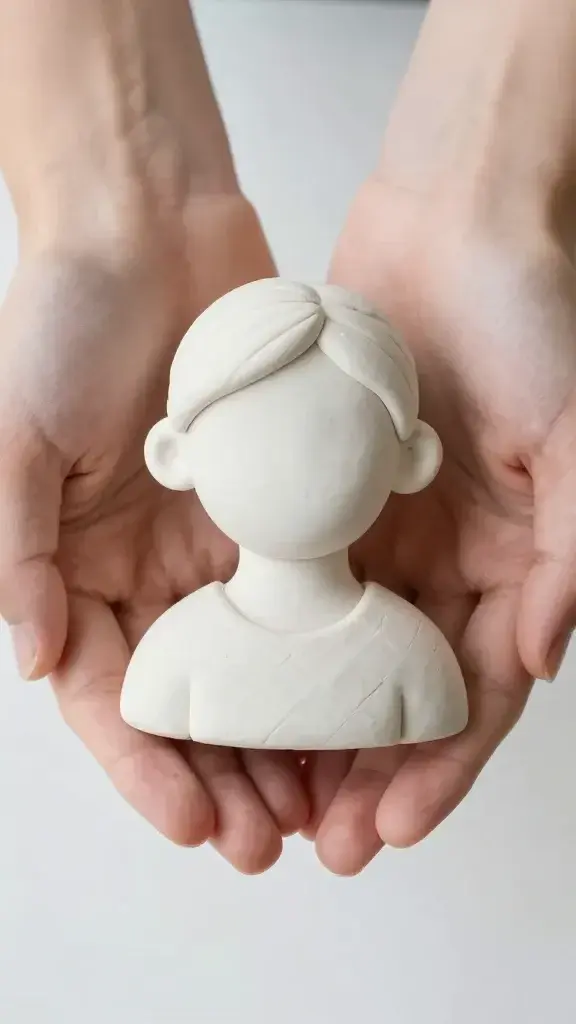
Different polymer clay brands have slightly different sweet spots. Here’s what you need to know:
- Sculpey III: 275°F (135°C) for 15 minutes per 1/4 inch
- Premo Sculpey: 275°F (135°C) for 30 minutes per 1/4 inch
- Fimo Professional: 230°F (110°C) for 30 minutes
- Kato Polyclay: 300°F (150°C) for 10 minutes per 1/4 inch
- Cernit: 215-270°F (100-130°C) for 30 minutes
Always check your specific package instructions because formulations can change. The manufacturer knows their product best, even if we sometimes think we know better.
Common Mistakes That Lead to Cracking
Let’s talk about what NOT to do, because sometimes learning from disasters is the best teacher.
Using a Toaster Oven Without Precautions
Toaster ovens are notorious for wild temperature swings. They heat up fast, cool down fast, and have hot spots that could burn a hole through steel. If you’re using one, you need to be extra careful with temperature monitoring and consider using a tile to buffer the heat.
Baking Thin and Thick Sections Together
If your sculpture has both super thin parts and chunky sections, you’re setting yourself up for trouble. The thin parts can overbake while the thick parts are still curing, leading to stress and potential cracking.
Consider baking thick bases first, then adding and baking thinner detailed elements in a second session. Your patience will pay off.
Opening the Oven Door Repeatedly
I get it—you want to check on your baby. But every time you open that oven door, the temperature drops and then spikes back up when the heating element kicks in. These fluctuations create stress in your clay.
Set a timer, trust the process, and keep that door closed until the timer goes off.
Frequently Asked Questions
Can I bake polymer clay in a convection oven?
You can, but turn off the convection fan if possible. The circulating air can cause uneven heating and temperature fluctuations. If you can’t turn it off, reduce the temperature by about 25°F and watch your first few pieces like a hawk to see how they turn out.
What if my clay cracked anyway—can I fix it?
Sometimes, yes! Small surface cracks can be filled with liquid polymer clay or clay softener mixed with clay dust, then rebaked. Deep structural cracks are trickier, but you can try filling them with fresh clay and baking again. IMO, prevention is way easier than fixing, though.
Is it normal for polymer clay to be slightly flexible after baking?
Absolutely! Properly cured polymer clay should have a bit of flex to it, especially in thinner sections. If it snaps like a cracker, it’s either underbaked or you’re using a brand that’s naturally more brittle. Premo and Fimo tend to stay slightly flexible, which actually helps prevent cracking.
Can I speed up cooling by putting my piece in the fridge?
Don’t do it. This creates exactly the kind of thermal shock we’ve been trying to avoid. Room temperature cooling or slow oven cooling is the way to go. I know waiting is hard, but your future self will thank you when your piece isn’t covered in stress cracks.
Why did my clay darken or brown even at the right temperature?
Some colors, especially translucent and white clays, are more sensitive to heat and will darken even at proper temperatures if baked too long. The foil tent method helps with this. Also, some older ovens have heating elements that radiate extra heat even when maintaining the right temperature.
Do I need to let clay warm to room temperature before baking?
Not necessarily, but if your clay has been stored in a cold garage or basement, letting it warm up a bit can help. Cold clay going into a hot oven can experience more thermal stress. Just bring it to a comfortable working temperature and you’re golden.
Conclusion: You’ve Got This
Baking polymer clay without cracking isn’t rocket science, but it does require attention to detail and a little patience. Get yourself an oven thermometer, follow the temperature guidelines for your specific brand, and give your pieces time to cool down gradually. Those three things alone will eliminate most cracking disasters.
Remember, every oven is different, and you might need to experiment a bit to find your perfect settings. Keep notes on what works and what doesn’t, and you’ll develop an intuition for your setup. Now go forth and bake with confidence—your perfectly crafted creations deserve to come out of that oven just as beautiful as they went in.