
10+ Common DIY Home Decor Mistakes (And How to Avoid Them)

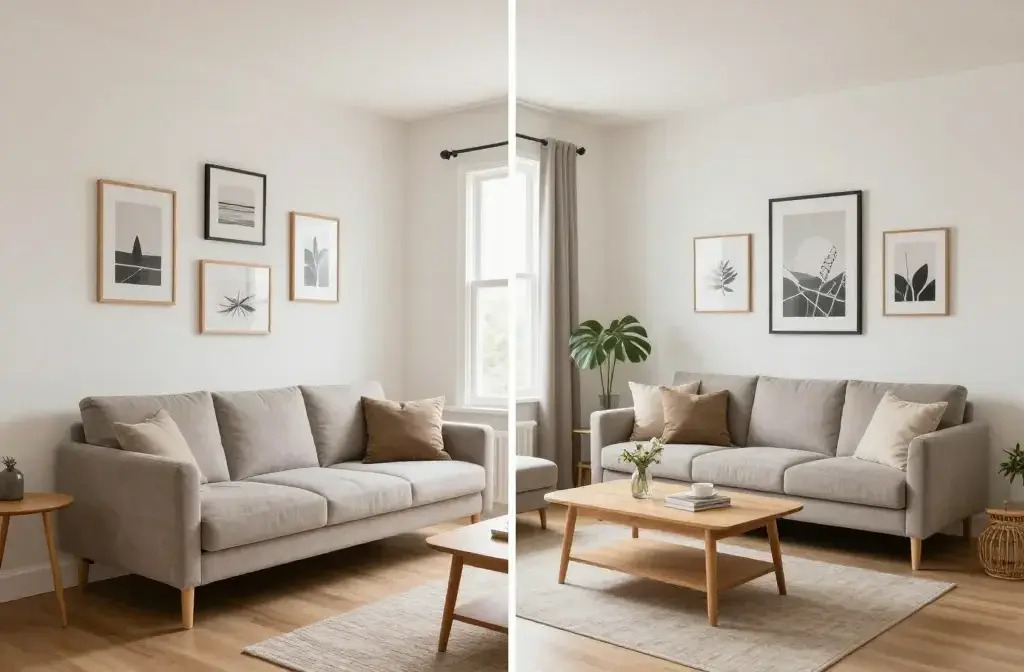
Ever wonder why your DIY projects never quite look like those Pinterest photos?
These mistakes are sneaky little saboteurs that make even your best efforts fall flat. Once you know what to avoid, your home will finally have that polished, intentional look you’ve been chasing.
Let’s fix what’s been holding you back from creating a space you absolutely love.
1. Hanging Everything at Eye Level (Yours, Specifically)
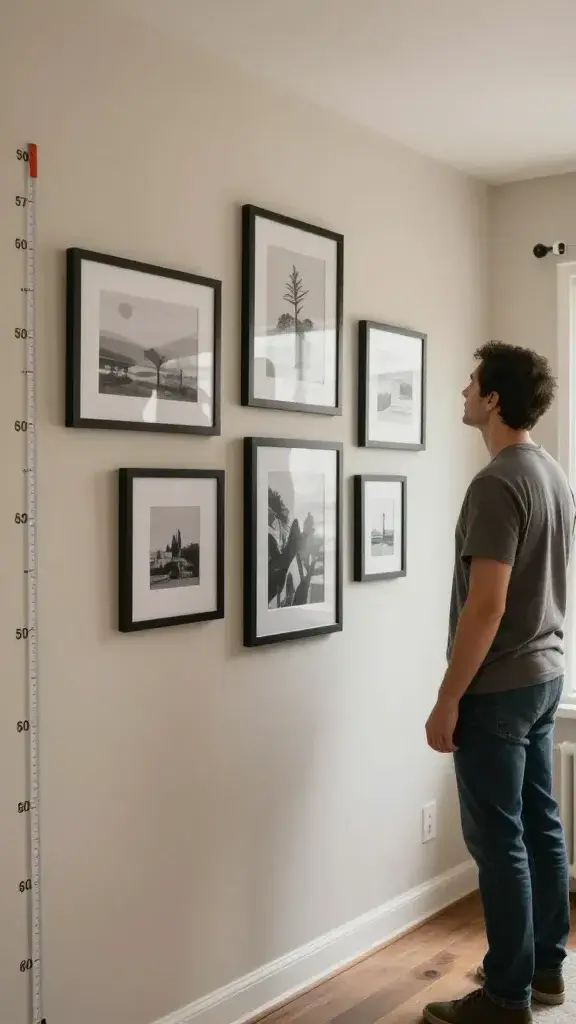
Here’s the thing – not everyone is your height. When you hang art, mirrors, or shelves based solely on your eye level, you create a space that only works for you. The golden rule? Center artwork at 57-60 inches from the floor, which is the standard gallery height.
This creates visual balance that works for everyone who walks into your room. Plus, it makes your ceilings look higher and your space feel more professionally designed. Trust me, this one tiny adjustment changes everything.
2. Pushing All Furniture Against the Walls
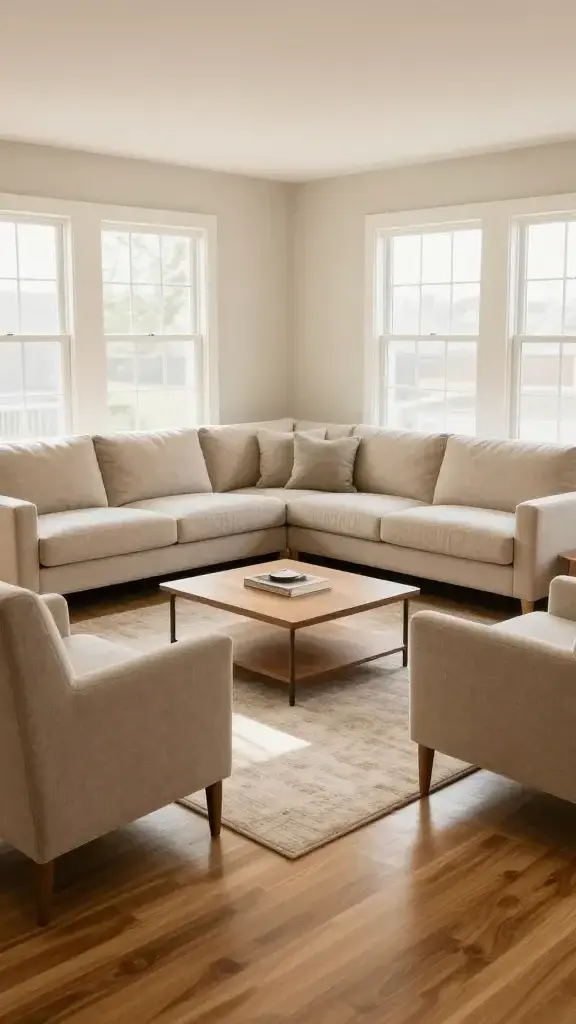
You’re not maximizing space – you’re creating a middle school dance vibe. Pulling furniture away from walls, even just a few inches, makes rooms feel larger and more intentional. It creates conversation areas instead of awkward perimeters.
Try floating your sofa a foot from the wall or angling chairs to face each other. The extra breathing room around furniture pieces actually tricks the eye into seeing more space, not less. Who knew breaking the rules would make things better?
3. Ignoring Scale and Proportion
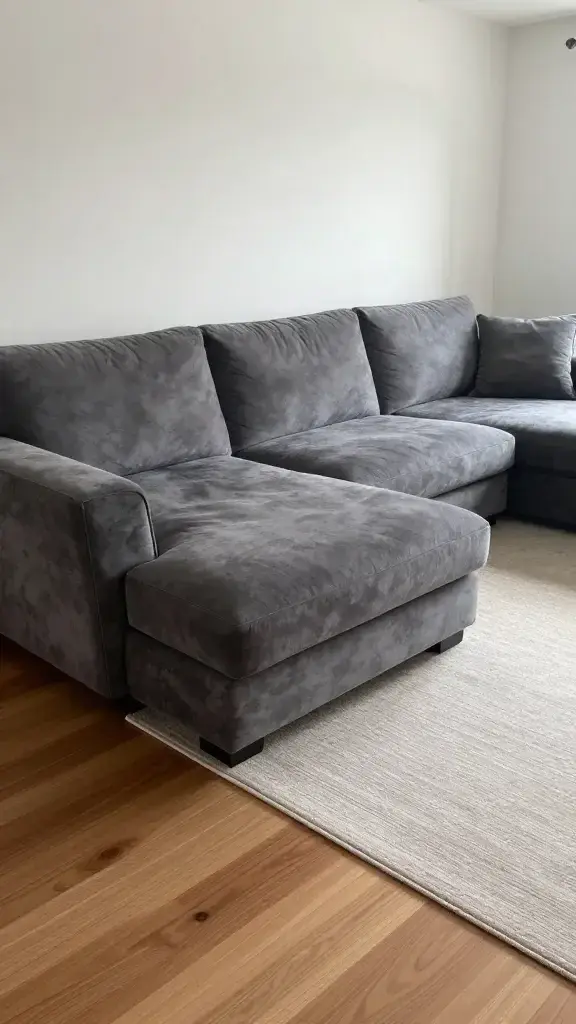
That tiny rug under your massive sectional? It’s making your whole room look off. Scale matters more than most people realize. Your rug should extend at least 18 inches beyond all sides of your furniture grouping, and your coffee table should be about two-thirds the length of your sofa.
Same goes for art – that 8×10 print above your king-sized bed is getting lost. Aim for artwork that’s roughly two-thirds to three-quarters the width of your furniture. Your eyes will thank you for the visual harmony.
4. Painting Before You Plan
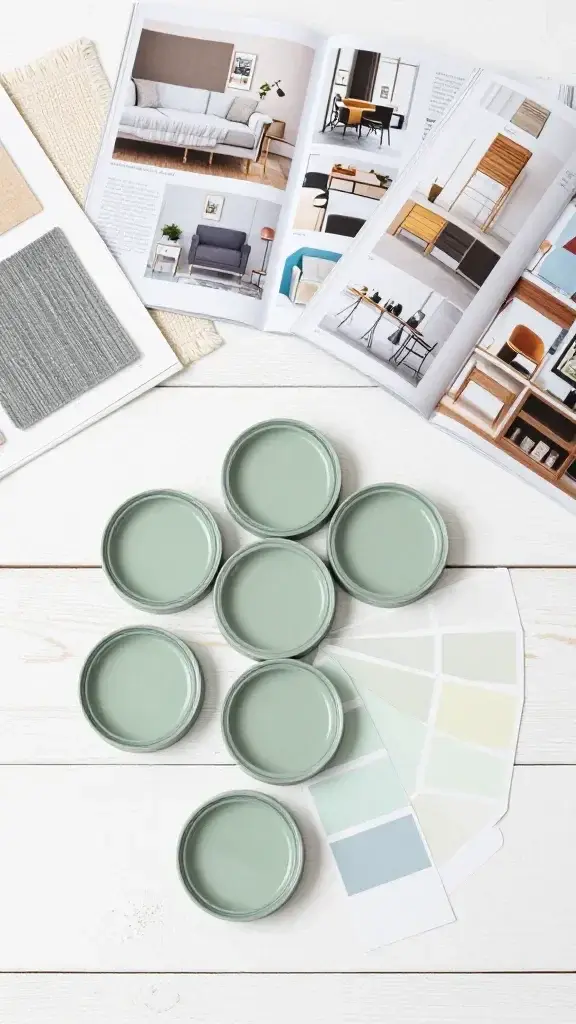
Seriously, stop picking paint colors first. I know that gorgeous sage green is calling your name, but choosing paint before you select furniture, rugs, and decor is backwards. Paint is literally the easiest thing to match to everything else.
The Right Order:
- Choose your largest furniture pieces first
- Select rugs and window treatments
- Pick accent pillows and decor
- THEN choose paint colors that tie it all together
You’ll save yourself from countless returns and repaints this way.
5. Matching Everything Perfectly
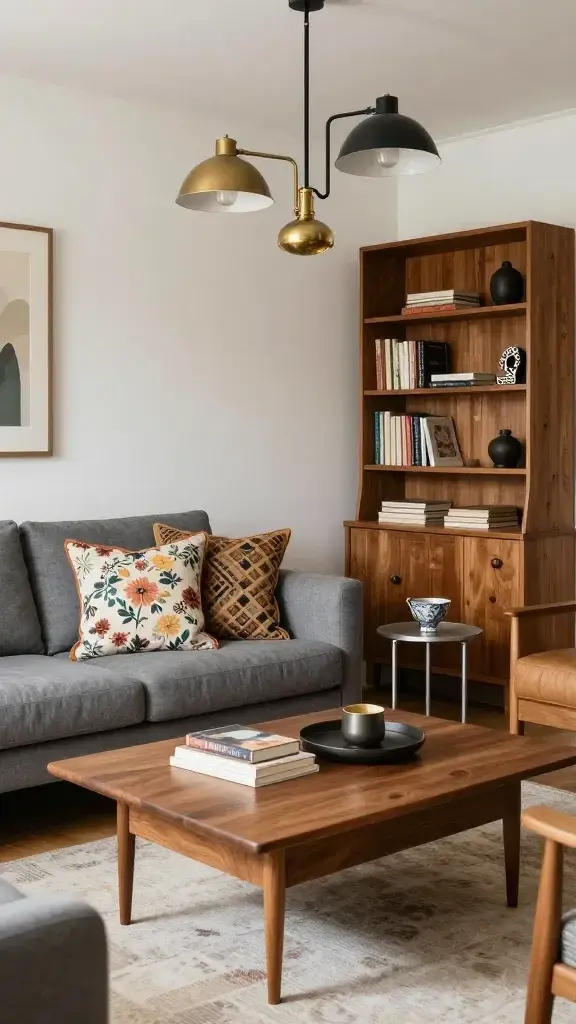
Your home isn’t a hotel room – it shouldn’t look like everything came from the same box. When every piece matches perfectly, your space feels sterile and boring. Curated beats coordinated every single time.
Mix wood tones, combine metal finishes, and layer patterns with abandon. The key is choosing pieces that complement each other without being identical twins. Your space should look collected over time, not purchased in one shopping trip.
6. Skipping the Measuring Tape
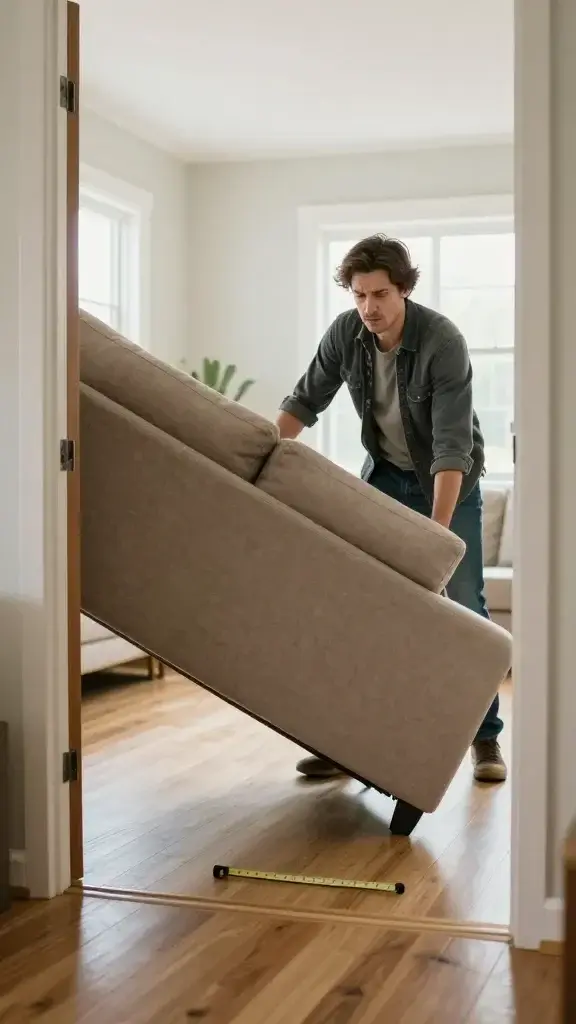
Eyeballing dimensions is how you end up with a coffee table you can’t walk around or curtains that puddle on the floor like a wedding dress gone wrong. FYI, professional designers measure everything – twice.
Before buying anything, measure your space, doorways, and the piece itself. Create a floor plan on graph paper or use a free app. It takes ten extra minutes but saves you from expensive mistakes and the nightmare of trying to return a sofa that won’t fit through your door.
7. Treating Lighting as an Afterthought
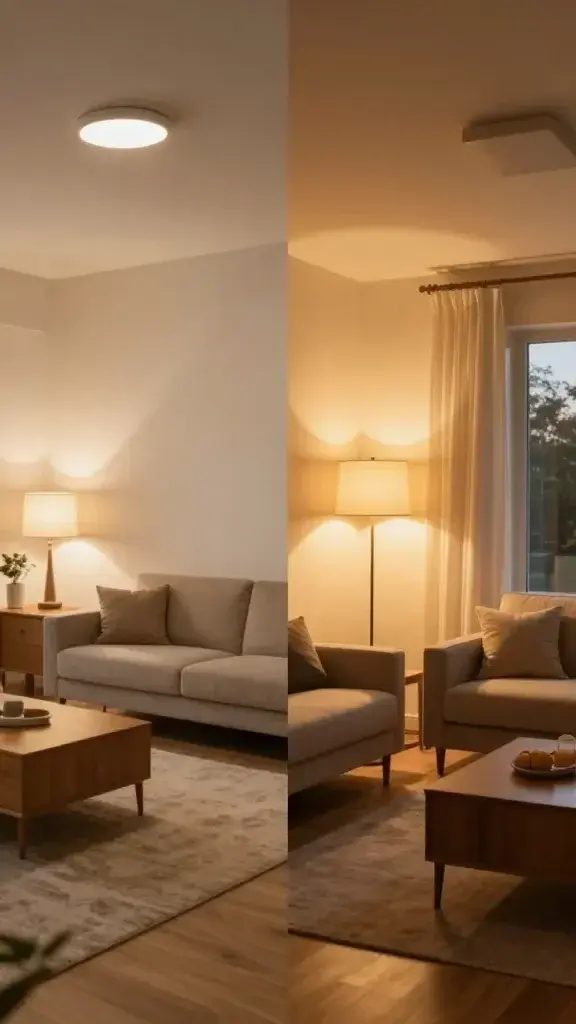
You spent hours picking the perfect paint color, but you’re still using that builder-grade overhead light? Lighting can make or break your entire design. A well-lit room needs three types of lighting: ambient, task, and accent.
Layer floor lamps, table lamps, and even candles to create depth and warmth. Dimmer switches are your best friend – they cost about $15 and take minutes to install. Good lighting transforms a room faster than almost any other change.
8. Following Trends Too Closely
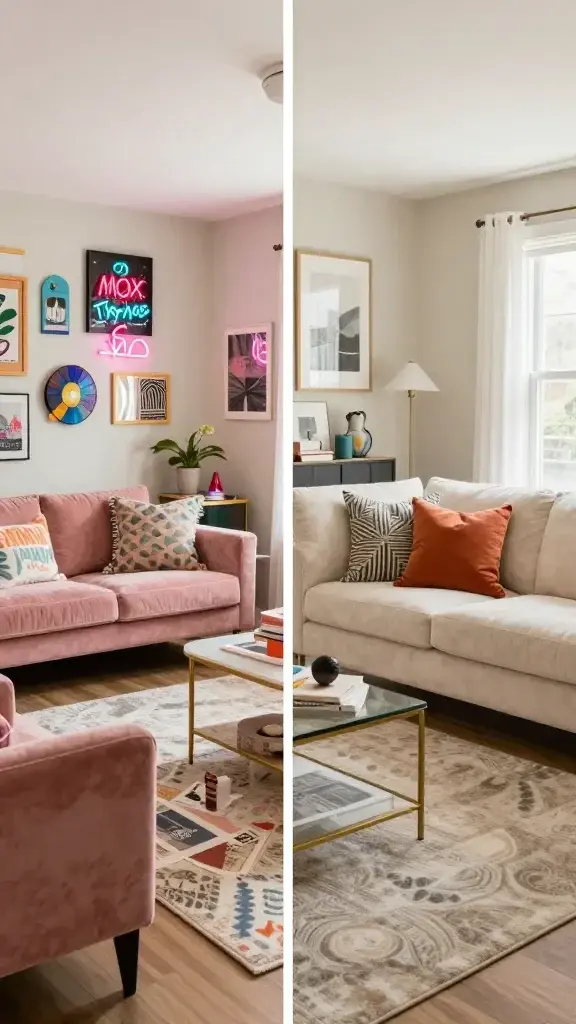
That viral TikTok trend might be everywhere right now, but will you still love it in six months? Chasing every trend leaves you with a mishmash of “remember when” pieces that don’t work together. Build your space around timeless basics and add trendy accents sparingly.
Choose classic furniture in neutral colors, then play with trends through pillows, art, and accessories. When the trend dies, you’re out $40 in throw pillows instead of $1,200 in furniture. Your future self will appreciate the restraint.
9. Neglecting Negative Space
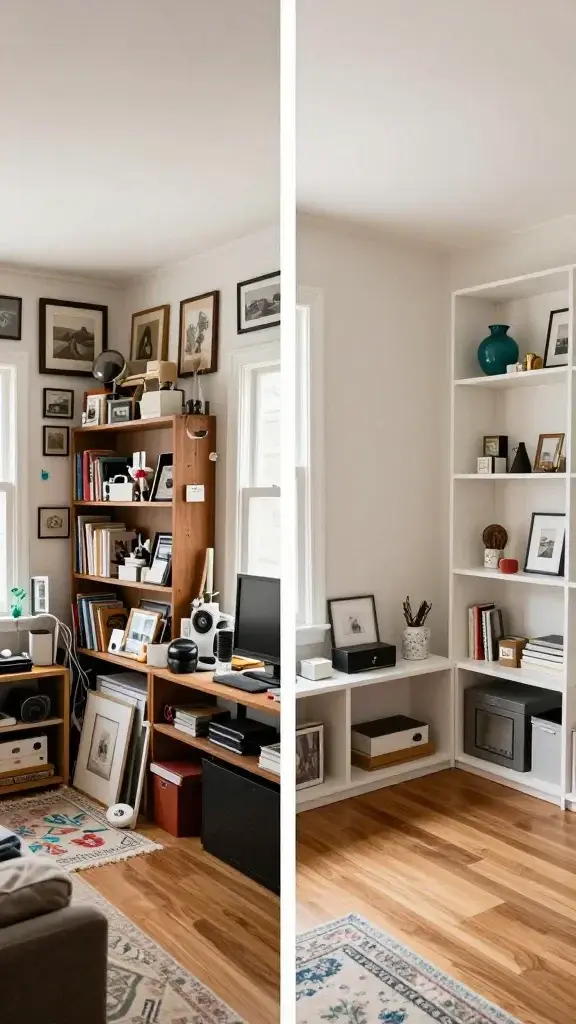
Empty space isn’t wasted space – it’s essential. Cramming every surface with decor and filling every corner makes your room feel chaotic and cluttered. Your eyes need places to rest, and your design needs breathing room to shine.
Leave some shelves partially empty. Let your walls have blank spots. Give your furniture groupings space to stand alone. The items you do display will have more impact when they’re not competing with fifty other things for attention.
10. Forgetting Function for Style
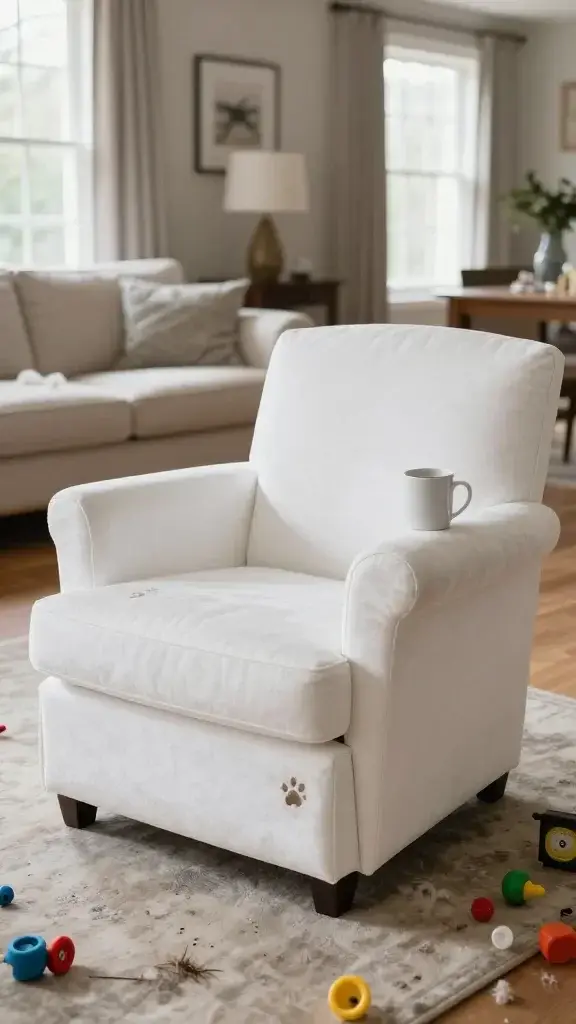
That gorgeous velvet chair looks amazing, but can you actually sit in it comfortably? Beautiful design that doesn’t work for your real life is just expensive frustration. Your home needs to function for how you actually live, not how you wish you lived.
If you have kids and pets, skip the white linen sofa. If you work from home, invest in proper task lighting. Choose style that serves your lifestyle, not the other way around. The best design is beautiful AND livable.
Now you know what’s been sabotaging your DIY dreams! Armed with these fixes, you’re ready to create spaces that look intentional, feel comfortable, and actually work for your life. Go forth and decorate with confidence – you’ve got this.