
How to Condition Polymer Clay Properly: The Step Most Beginners Skip

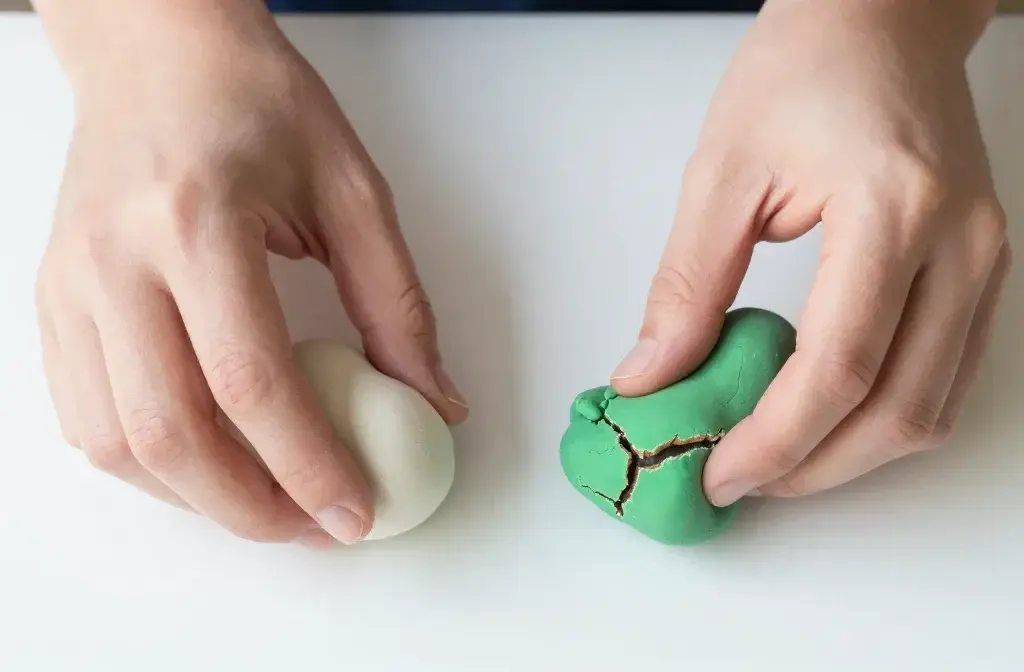
You’ve bought your first block of polymer clay, cracked it open with excitement, and… it crumbles in your hands like stale bread. Or maybe it’s so hard you could legitimately use it as a weapon. Welcome to the world of polymer clay, where conditioning is the unglamorous foundation of everything good, and somehow almost every beginner tutorial glosses right over it.
What Even Is Conditioning (And Why Should You Care)?
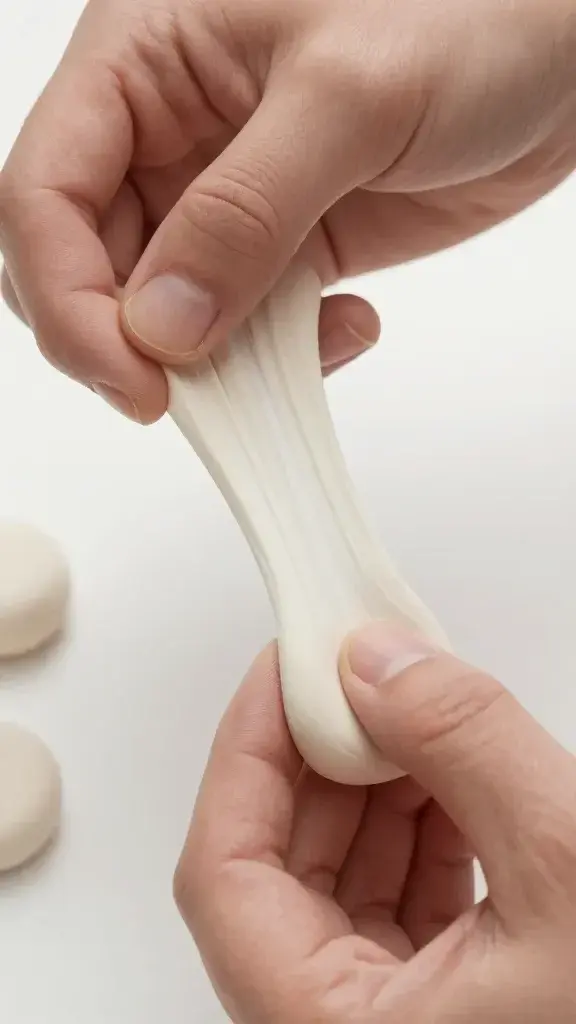
Conditioning polymer clay means working it until it becomes soft, pliable, and uniform. Think of it like kneading bread dough, except instead of gluten development, you’re aligning plasticizer molecules throughout the clay. Yeah, I know that sounds super technical, but here’s what actually matters: unconditioned clay is brittle, breaks easily, and will absolutely ruin your project.
The plasticizers in polymer clay tend to settle and separate during storage. Fresh clay can be stiff as a rock. Old clay might feel crumbly. Either way, you need to redistribute everything evenly before you can actually use it for anything remotely detailed.
Skipping this step is like trying to paint a masterpiece with dried-out paint. Sure, you might get something on the canvas, but it’s going to look rough and probably crack later. Nobody wants their carefully sculpted miniature dragon to develop stress fractures in the oven.
The Dead Giveaway That Your Clay Needs More Work
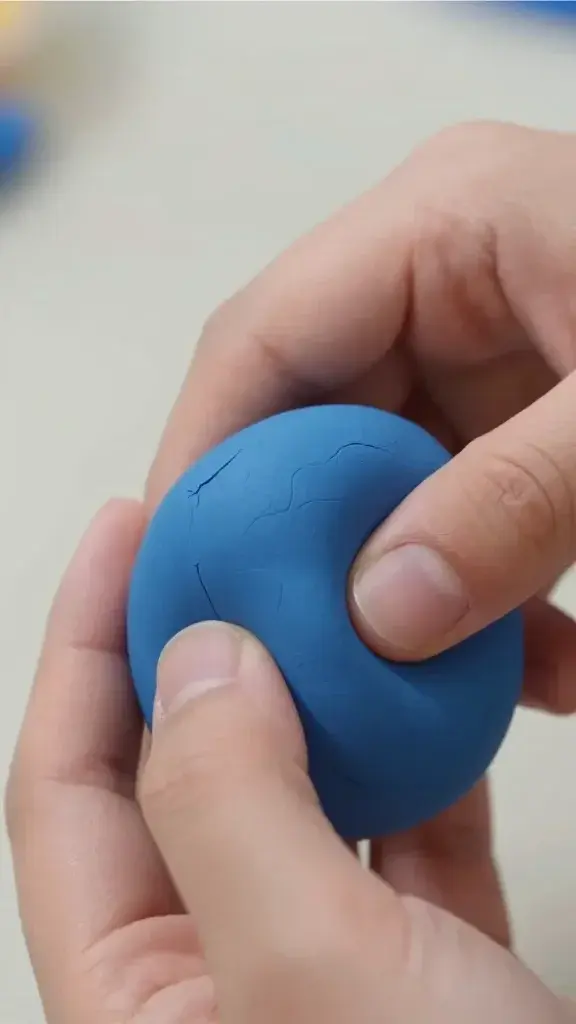
How do you know when your clay is properly conditioned? The fold test never lies. Roll your clay into a snake about as thick as a pencil, then fold it in half. If it cracks at the fold, keep working it. Properly conditioned clay should fold smoothly without any breakage.
You’ll also notice the texture changes dramatically. Unconditioned clay feels grainy or crumbly. Conditioned clay is smooth and almost silky. The difference is honestly night and day once you’ve felt both.
Another telltale sign? Air bubbles. Proper conditioning drives out trapped air pockets that can expand in the oven and create ugly blisters on your finished piece. Nobody wants surprise crater face on their carefully sculpted figurine.
Hand Conditioning: The Original (And Most Exhausting) Method
Let’s start with the old-school approach: your bare hands. This method works, but FYI, it’s going to give your hands a serious workout. Think of it as free hand strengthening exercises while you craft.
The Basic Hand Technique
Cut or break off a chunk of clay that’s comfortable to hold. Don’t try to condition an entire block at once unless you have the grip strength of a rock climber. Start by warming the clay in your hands—your body heat helps soften it.
Roll it into a snake, fold it over, and roll again. Repeat this process approximately 47,000 times. Okay, maybe not quite that many, but it will feel like it. Most clays need at least 10-15 minutes of continuous hand conditioning.
Some brands condition faster than others. Sculpey III? Pretty soft, conditions quickly. Kato Polyclay? That stuff is basically polymer clay’s answer to CrossFit. Hope you’ve been doing your hand exercises.
When Hand Conditioning Makes Sense
Hand conditioning works great for small amounts of clay or when you’re working with multiple colors and don’t want to clean equipment between each one. It’s also perfect when you’re traveling or don’t have access to your pasta machine.
Plus, there’s something meditative about working clay by hand. Some artists swear it gives them a better feel for the material. I respect that, even if my hands start cramping just thinking about it.
The Pasta Machine Method: Your Hands Will Thank You
Here’s where most serious polymer clay artists end up: using a dedicated pasta machine. And yes, I said dedicated. Please, for the love of all that is good, don’t use the same pasta machine for clay and food. Polymer clay isn’t toxic, but it’s also not a garnish for your spaghetti.
Run your clay through the machine on the thickest setting. Fold it in half, run it through again. Keep folding and rolling, always feeding the fold in first (this prevents air bubbles from getting trapped). You’ll typically need 20-30 passes for most brands.
The machine does the heavy lifting while you just feed clay through. It’s faster, more consistent, and way less tiring than hand conditioning. IMO, if you’re planning to work with polymer clay regularly, a pasta machine is worth every penny.
Adjusting for Different Clay Brands
Stiffer clays like Kato or Fimo Professional might need some hand warming before they’ll even go through your machine without breaking. Start with warmer clay or a thicker setting to avoid stressing your machine’s gears.
Softer clays like Original Sculpey practically condition themselves. A few passes through the machine and you’re golden. These are great for beginners, though they can be too soft for detailed work.
Troubleshooting: When Your Clay Is Being Difficult
Sometimes clay just doesn’t want to cooperate. Old, crumbly clay that’s been sitting in someone’s craft closet since 2003? Yeah, that’s going to need some help.
Reviving Crumbly, Old Clay
Add a few drops of clay softener (like Sculpey Clay Softener or Fimo Mix Quick) and work it in thoroughly. You can also use mineral oil or even Vaseline in a pinch, but go easy—too much makes your clay permanently too soft and sticky.
Chop the crumbly clay into small pieces, add your softener, let it sit for a few minutes, then condition as normal. Sometimes old clay takes patience and multiple rounds of conditioning. It’s worth it if you’ve got expensive clay you don’t want to waste.
Dealing with Too-Soft Clay
The opposite problem happens too. Maybe you added too much softener, or maybe you bought Sculpey III in the middle of summer and it’s basically pudding now. The fix? Leach it.
Roll your clay into a flat sheet and sandwich it between two pieces of plain white printer paper. The paper absorbs excess oils and plasticizer. Leave it for a few hours or overnight, then check the consistency. You can repeat this process until your clay firms up to a workable consistency.
Why Proper Conditioning Prevents Project Disasters
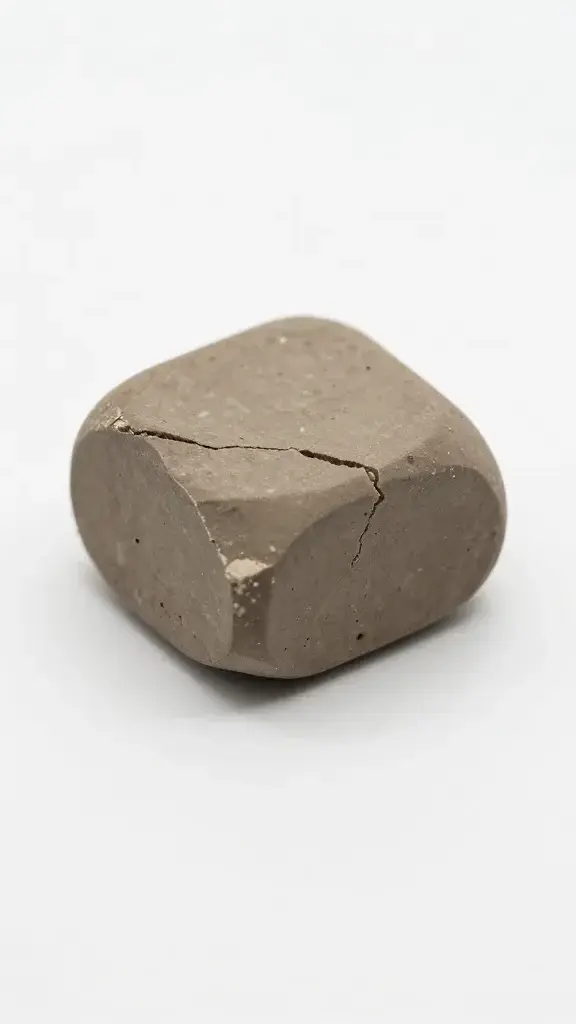
I’ve seen so many beginners skip conditioning and then wonder why their projects crack, break, or develop weird texture issues. Proper conditioning isn’t just about making the clay easier to work with right now—it’s insurance for your finished piece.
Well-conditioned clay bakes more evenly. It’s less likely to crack during or after baking. It holds detail better when you’re sculpting. The colors mix more smoothly and consistently. Basically, every single aspect of your project improves when you start with properly conditioned clay.
Think of conditioning as the foundation of a house. Sure, you can skip it and jump straight to the fun decorating part, but don’t be surprised when everything collapses later. A solid foundation might not be exciting, but it’s what makes everything else possible.
FAQs
Can you over-condition polymer clay?
Technically yes, but it’s pretty hard to do. Over-conditioned clay becomes very soft and can be harder to work with for detailed projects. If this happens, just let it rest for a day or leach out some excess oils with paper. Generally though, most people don’t condition enough rather than too much.
Do I need to condition clay every time I use it?
If you’ve properly conditioned clay and stored it in an airtight container, it should stay conditioned for your next session. However, if it’s been sitting for months or feels stiff when you take it out, give it a quick refresh with a few passes through the pasta machine or a minute of hand working.
Can I use a food processor to condition polymer clay?
You can, and some artists do this for large batches or difficult clay. Chop the clay into small cubes, pulse it in the food processor until it forms a crumbly mixture, then finish by hand or with a pasta machine. Just remember—once a food processor touches polymer clay, it’s retired from kitchen duty forever.
How long does conditioning actually take?
By hand, expect 10-20 minutes of continuous work for a standard block. With a pasta machine, you’re looking at 5-10 minutes of running it through. Stiffer brands take longer, softer brands work faster. Your hands will tell you when to stop (by getting tired) or when the clay is ready (by feeling smooth and pliable).
Does warming clay in the microwave help with conditioning?
Please don’t. Microwaves heat unevenly and can actually start curing your clay in hot spots, making it completely unusable. If you want to warm stiff clay, use your body heat, hold it under a lamp, or run it under warm (not hot) water in a plastic bag. Slow and gentle wins this race.
Why does my clay get sticky when I condition it?
Your hands might be too warm, or the clay might be naturally soft and you’re warming it further with friction. Try taking breaks, working in a cooler room, or dusting your hands with a tiny bit of cornstarch. Some brands are just stickier than others—that’s normal and doesn’t mean you’ve done anything wrong.
Conclusion
Conditioning polymer clay isn’t glamorous. It doesn’t make for satisfying social media content. Nobody’s going to ooh and aah over your beautifully conditioned clay blob. But skip this step, and your actual project is probably going to look rough, crack mysteriously, or just frustrate you into wondering why polymer clay has to be so difficult.
The truth is, polymer clay isn’t difficult—it just has rules. Conditioning is rule number one. Master this unglamorous foundation, and everything else becomes so much easier. Your sculpts will hold finer details, your colors will mix more beautifully, and your finished pieces will actually last instead of developing stress cracks six months down the road. Now stop reading and go condition some clay. Your future projects are counting on you.