
5+ Polymer Clay Techniques Every Beginner Should Master First

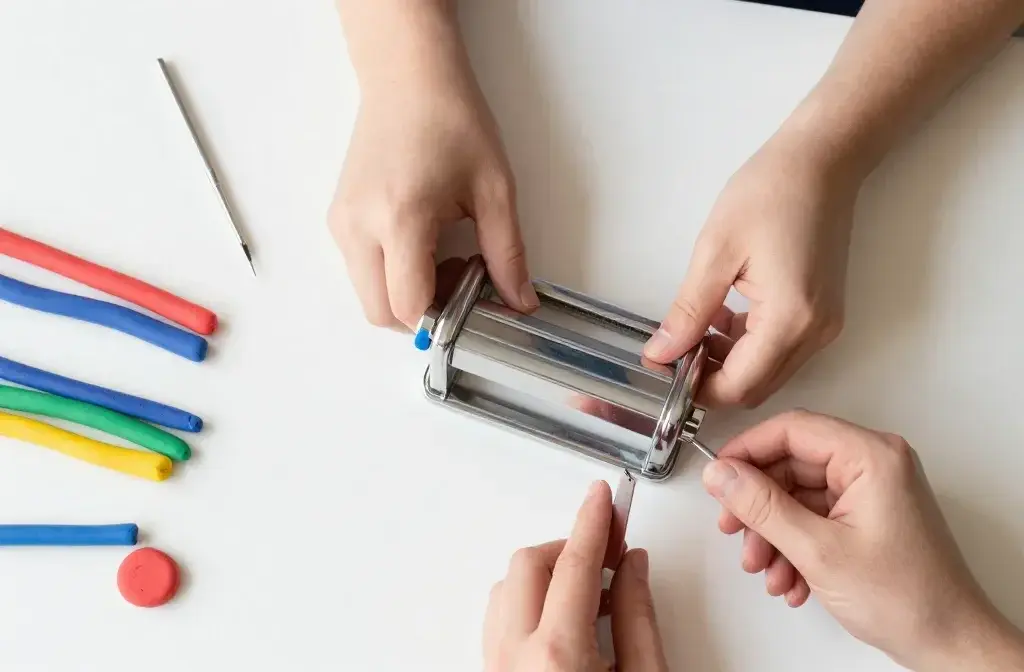
Ever bought a bunch of polymer clay only to end up with a drawer full of cracked, wonky creations?
These five foundational techniques will save you from frustration and actually help you make things you’re proud to show off.
Master these basics first, and you’ll be creating beautiful pieces way faster than you think.
1. Conditioning Your Clay (Yes, It’s Actually Important)
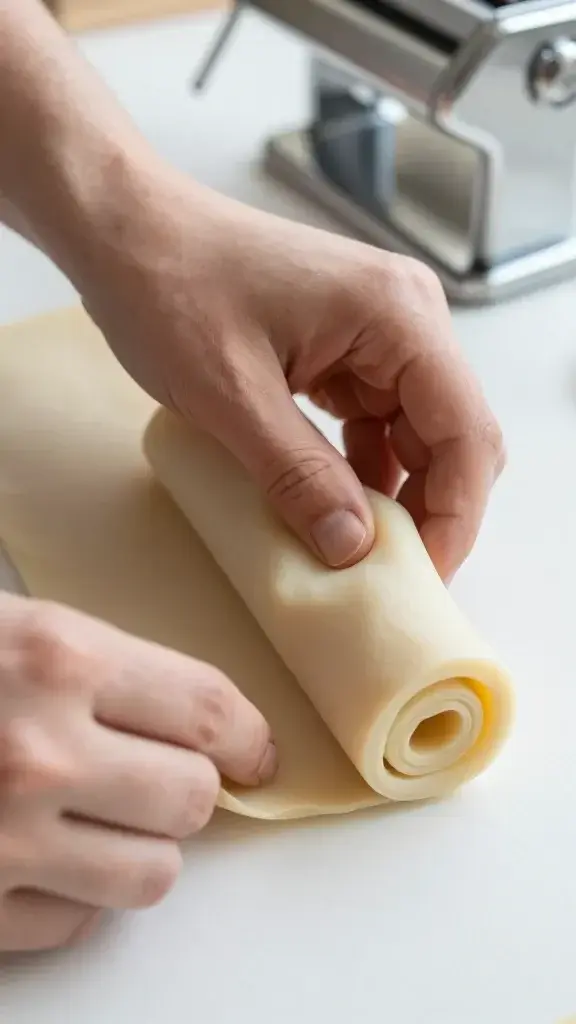
Look, I know you want to jump straight into creating, but skipping this step is like trying to bake bread with cold butter. Your clay needs to be soft, pliable, and air-bubble-free before you start working with it.
Roll it, fold it, twist it, and repeat until the clay feels smooth and warm in your hands. If you have a pasta machine dedicated to clay (seriously, don’t use your food one), run your clay through it about 20-30 times, folding it between passes.
Why This Matters:
- Prevents cracking during and after baking
- Makes blending colors way easier
- Removes air bubbles that can explode in your oven
- Ensures even texture throughout your project
Trust me, spending five minutes conditioning your clay will save you from heartbreak when your finished piece cracks in half.
2. The Classic Roll and Slice (Your Gateway to Cool Patterns)
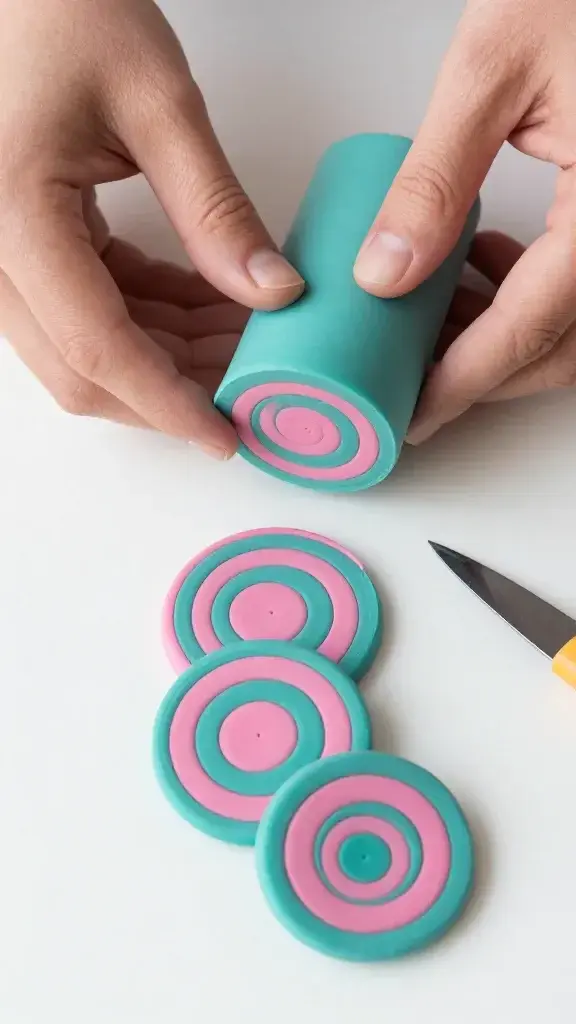
This technique is ridiculously simple but opens up a whole world of possibilities. You stack different colored clay logs together, roll them into a cylinder, and slice them to reveal patterns. It’s like making those fancy slice-and-bake cookies, except you get to wear the results.
Start with a basic bullseye pattern – wrap one color around another, roll it smooth, and slice thin pieces. Each slice gives you a perfect circle pattern that you can use for earrings, pendants, or decorative elements.
Pro Tips:
- Keep your blade sharp and clean between slices
- Chill your cane in the fridge for 15 minutes before slicing
- Use a rocking motion instead of pressing straight down
Once you nail this technique, you can move on to more complex canes like flowers, stripes, and checkerboards. But seriously, master the basics first.
3. Smooth Finishing (Because Fingerprints Aren’t a Design Choice)
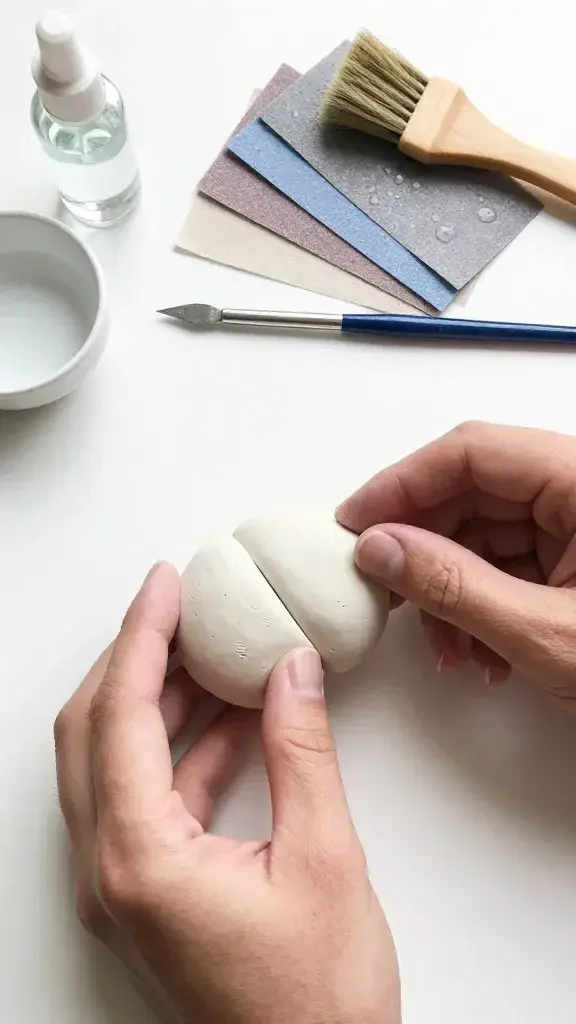
Nothing screams “beginner” louder than a clay piece covered in fingerprints, lint, and random bumps. Learning to get a smooth, professional finish is a game-changer for your work.
Before baking, gently smooth your piece using rubbing alcohol on your finger or a soft brush. For stubborn imperfections, you can wet-sand after baking using ultra-fine sandpaper (start with 400 grit and work up to 1000 grit).
Your Smoothing Arsenal:
- Rubbing alcohol for pre-bake smoothing
- Wet sandpaper in various grits (400-1000)
- Soft cloths for buffing to a shine
- Cornstarch dusted on tools to prevent sticking
FYI, you can also use acrylic roller covers or soft makeup sponges to smooth surfaces before baking. The effort you put into finishing separates okay pieces from stunning ones.
4. Proper Baking (Don’t Turn Your Masterpiece Into Burnt Toast)
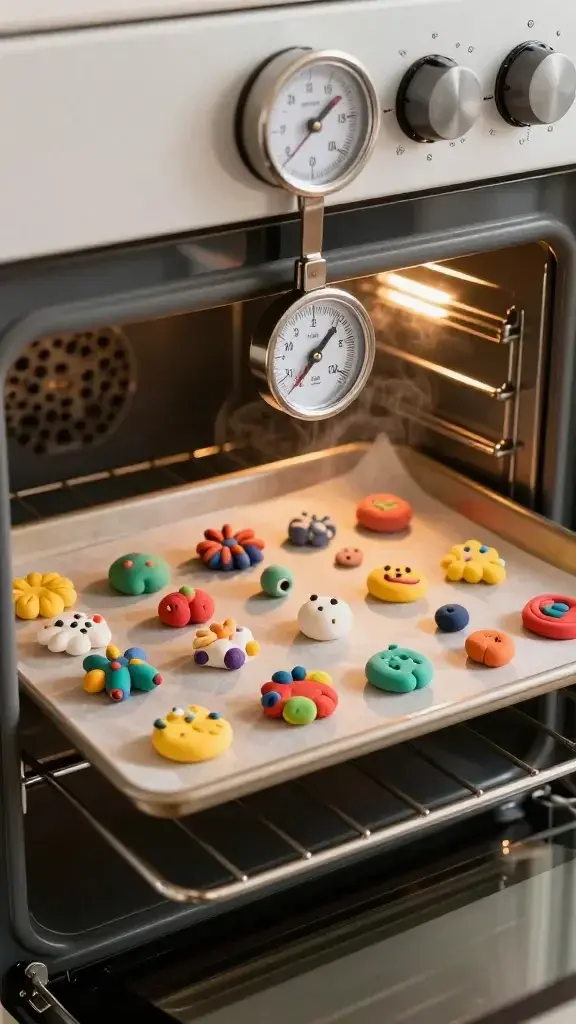
You spent all that time creating something awesome – don’t ruin it by guessing at bake times. Different brands and thicknesses require different temperatures and times, so actually read the package instructions.
Get an oven thermometer because your oven is probably a liar. Most polymer clays bake around 275°F, but ovens can run 25 degrees hotter or cooler than the dial says. Too hot and your clay burns or darkens; too cool and it stays weak and brittle.
Baking Best Practices:
- Preheat your oven completely before baking
- Place pieces on parchment paper or ceramic tiles
- Tent delicate pieces with aluminum foil to prevent browning
- Let pieces cool completely before handling
IMO, slightly over-baking (following package time recommendations) creates stronger pieces than under-baking. Your clay should feel hard when fully cooled, not bendy.
5. Basic Color Mixing (Create Any Shade You Can Dream Up)
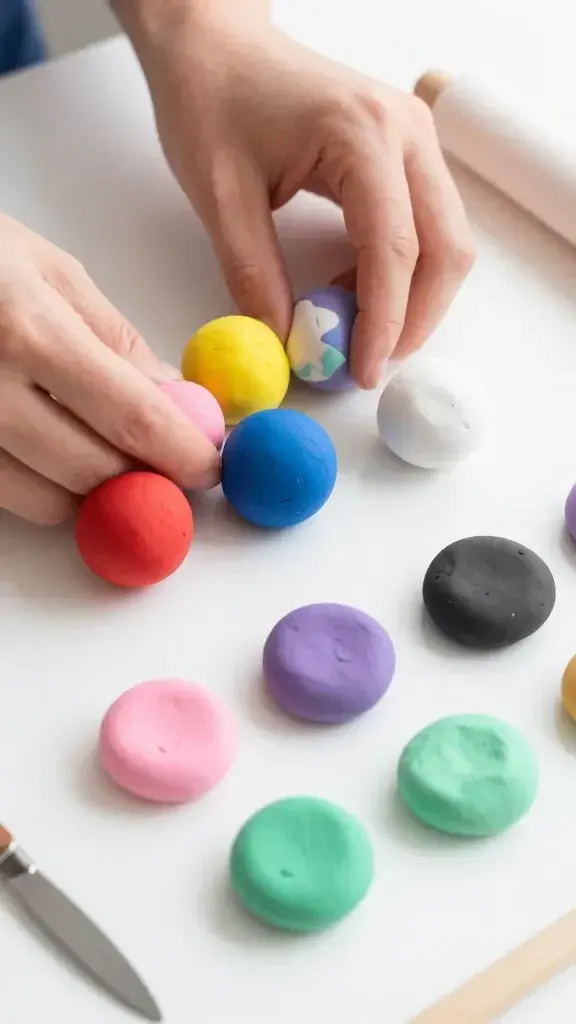
Why buy 50 different clay colors when you can mix your own? Understanding basic color theory with polymer clay gives you unlimited options and saves serious money.
Start with the primary colors (red, yellow, blue) plus white and black. You can create virtually any color by combining these five. Want a softer pastel? Add white. Need a deeper tone? Mix in black sparingly (it’s powerful stuff).
Mixing Tips:
- Condition each color separately before mixing
- Add darker colors to lighter ones gradually
- Keep notes on your favorite combinations
- Roll colors together in a log and fold repeatedly for even blending
You’ll develop an eye for color ratios pretty quickly. Plus, there’s something super satisfying about creating the exact shade you envisioned instead of settling for whatever’s available at the craft store.
There you have it – the five techniques that’ll take you from confused beginner to confident creator. Master these fundamentals, and you’ll have a solid foundation for every polymer clay project you tackle. Now grab that clay and start practicing – your future creations are waiting!