
How to Make Soy Candles at Home: A Step-by-Step Beginner Tutorial

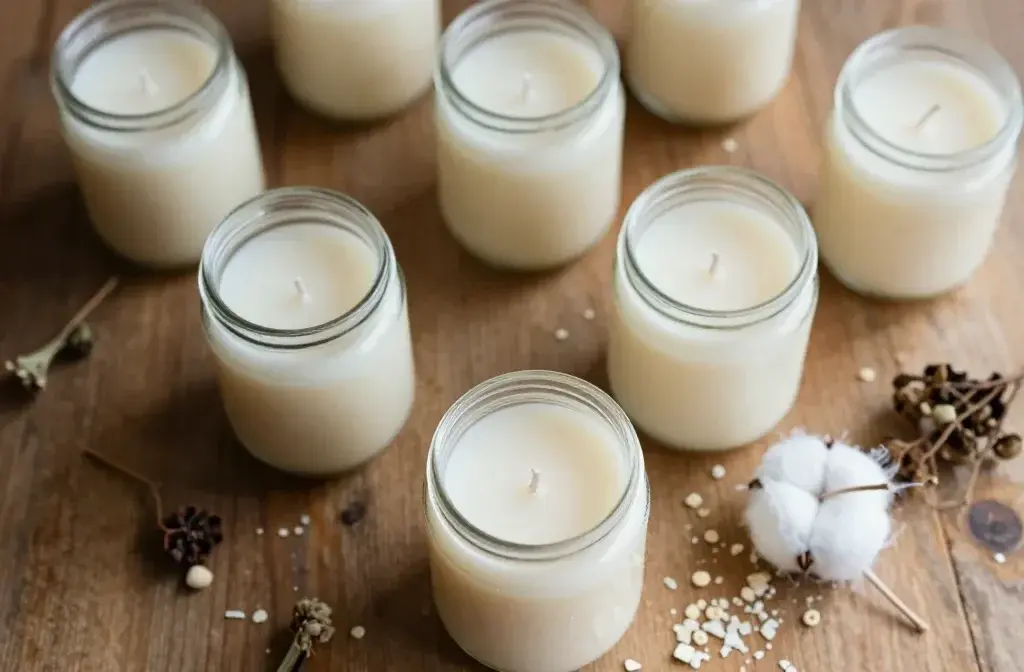
You know that cozy feeling when you light a candle and your whole space transforms into a sanctuary? Now imagine creating that vibe yourself, with candles you actually made. Making soy candles at home isn’t just ridiculously satisfying—it’s also way easier than you think, and you’ll never want to pay $30 for a tiny store-bought candle again.
Why Soy Wax Is Your New Best Friend
Let’s talk about why soy wax beats the pants off paraffin wax. First up, soy wax comes from soybeans (shocking, I know), which makes it a renewable resource. Paraffin, on the other hand, comes from petroleum, and nobody wants to breathe in those fumes while Netflix-binging.
Soy wax burns cleaner, lasts longer, and holds scent like a dream. Plus, if you spill it, cleanup is just hot soapy water—no need to panic or contemplate whether you’ve ruined your favorite tablecloth forever. It’s also better for anyone with allergies or sensitivities because it doesn’t release those nasty toxins into the air.
The cherry on top? Soy wax costs less than you’d expect, especially when you buy in bulk. You’ll feel like a genius when you realize you’re making luxury candles for a fraction of retail prices.
Everything You Need to Get Started
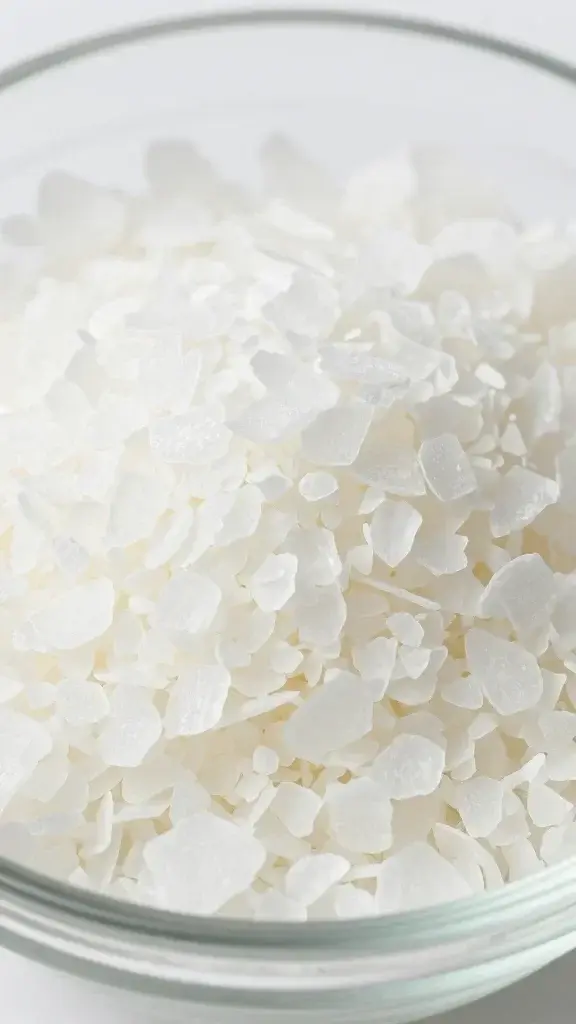
Before you dive in, let’s gather your supplies. The good news is you probably have some of this stuff already lying around your kitchen.
The Essential Supplies
Here’s your shopping list:
- Soy wax flakes (start with 1-2 pounds for your first batch)
- Candle wicks with metal tabs at the bottom
- Fragrance oils or essential oils (candle-safe only!)
- Glass jars or containers (mason jars work perfectly)
- Double boiler or a heat-safe pouring pitcher
- Thermometer (candy or candle thermometer)
- Wooden stir stick or spoon
- Wick holders or clothespins to keep wicks centered
You can find starter kits online that bundle everything together, which honestly takes the guesswork out of the equation. But if you’re feeling adventurous, buying supplies separately gives you more control over your candle aesthetic.
Nice-to-Have Extras
Want to level up? Grab some candle dye for color, a heat gun for smoothing tops, and labels for that professional touch. These aren’t necessary for your first batch, but they’re fun to experiment with once you’ve got the basics down.
The Step-by-Step Process That Actually Works
Alright, let’s get into the nitty-gritty. Making soy candles follows a pretty straightforward process, and once you nail it, you’ll be churning out candles like a small-scale factory.
Step 1: Measure Your Wax
Figure out how much wax you need by filling your container with wax flakes, then doubling that amount. Soy wax loses about half its volume when melted. FYI, this always looks like way more wax than necessary, but trust the process.
Step 2: Melt the Wax
Set up your double boiler (or DIY one with a pot and heat-safe pitcher) and melt your wax over medium heat. Keep that thermometer handy—you want the wax between 170-180°F. Don’t rush this part by cranking up the heat. Patience, grasshopper.
Stir occasionally while it melts. This is a great time to queue up a podcast or pretend you’re a potion master at Hogwarts.
Step 3: Prep Your Container
While your wax melts, prep your container. Attach the wick tab to the bottom center of your jar using a dab of hot glue or a wick sticker. Then secure the top of the wick with a wick holder or two clothespins balanced across the rim. You want that wick standing straight and proud.
Step 4: Add Fragrance
Once your wax hits the right temp, remove it from heat and let it cool to about 160-170°F. Then add your fragrance oil. The magic ratio is typically 1 ounce of fragrance per pound of wax, but check your specific oil’s recommendations.
Stir gently for about 30 seconds to incorporate everything evenly. Your kitchen is about to smell amazing.
Step 5: Pour and Wait
Let the wax cool to around 130-140°F before pouring into your container. Pour slowly and steadily down the side of the jar to minimize air bubbles. Leave about half an inch of space at the top.
Now comes the hardest part: waiting. Let your candle cure for at least 24 hours before burning it. I know, the anticipation is killer, but this allows the wax to fully harden and the scent to bind properly.
Troubleshooting Common Candle Catastrophes
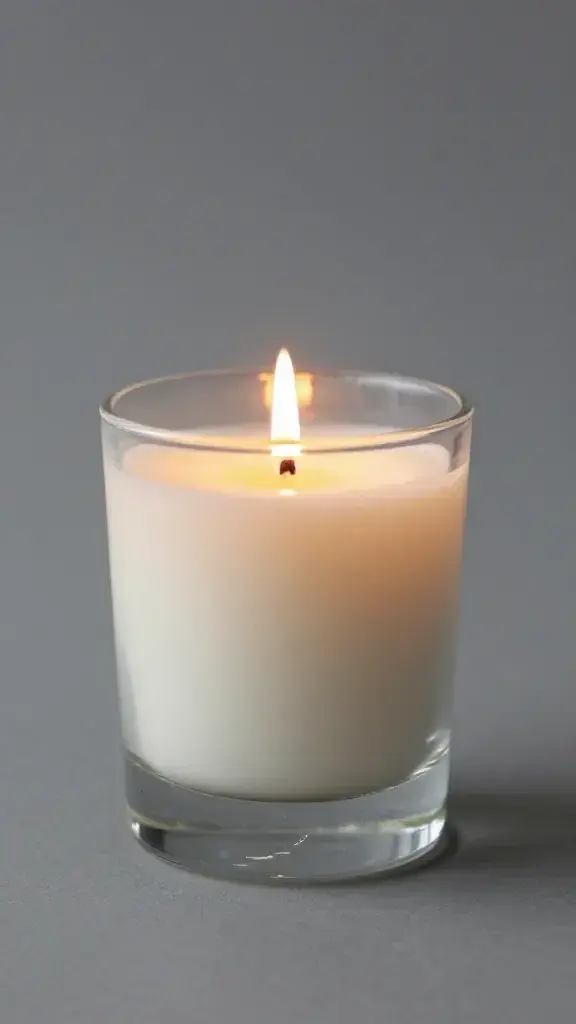
Let’s be real—your first candle might not be Instagram-perfect, and that’s totally fine. Here are the most common issues and how to fix them.
Sinkholes and Craters
See a crater forming around your wick as the candle cools? This happens when wax cools too quickly. Poke a few relief holes around the wick and top off with a bit of reserved melted wax. Problem solved.
Frosting on the Surface
That white, crystalline look on your candle isn’t mold—it’s frosting, and it’s completely natural with soy wax. Some people actually love the rustic look. If you don’t, try pouring at a slightly higher temperature or use a heat gun to smooth the surface.
Weak Scent Throw
If your candle barely smells when burning, you either didn’t add enough fragrance oil or didn’t let it cure long enough. IMO, patience is key here. Give it a full week for the best scent throw, especially with certain fragrances.
Tunneling When Burning
This happens when you don’t burn your candle long enough during the first use. Always let the entire top surface melt to the edges on that first burn—usually about 2-4 hours. This creates a “memory” for future burns.
Making Your Candles Look Professional
Want your homemade candles to look like they came from a boutique? Small touches make a huge difference.
Start with clean containers—fingerprints and dust aren’t cute. After your candle fully cures, trim the wick to about 1/4 inch. Wipe down the jar rim with rubbing alcohol to remove any wax drips.
Labels are your secret weapon. You can design custom labels online or buy pre-made ones. Include the scent name, a witty description, and maybe a burn time if you’re feeling fancy. Tie some twine or ribbon around the jar, and boom—you’ve got a gift-worthy candle.
Getting Creative With Scents and Styles
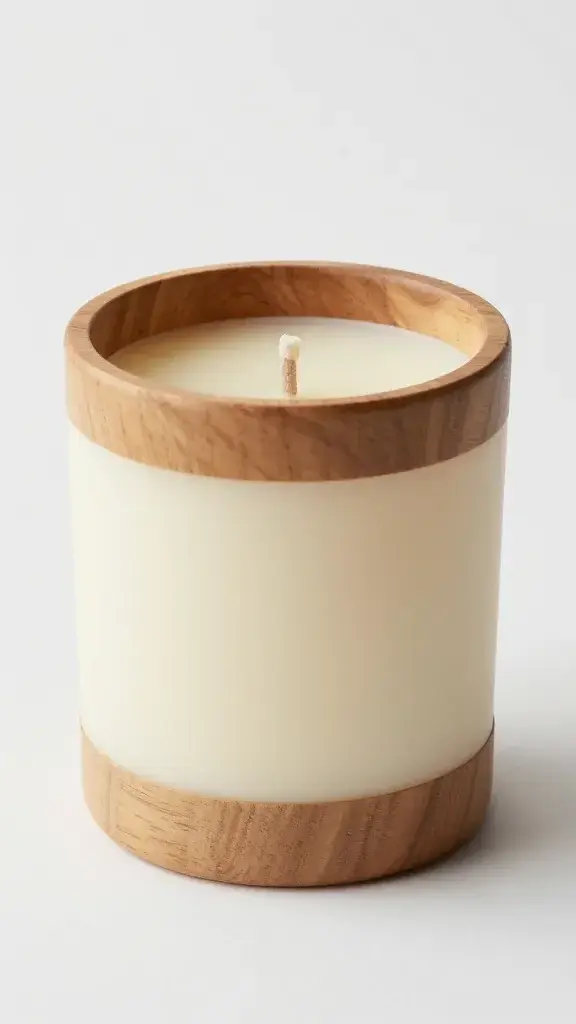
Once you’ve mastered the basics, the fun really begins. Experiment with layering scents—vanilla and coffee, lavender and eucalyptus, or cedarwood and orange. Keep notes on your combinations so you can recreate the winners.
Try making seasonal candles with scents like pumpkin spice for fall, peppermint for winter, or fresh linen for spring. You can also experiment with colored wax to match the vibe. Just remember that a little dye goes a long way.
Consider making travel tins, multi-wick candles, or even wax melts using the same process but different containers. The possibilities are endless, which is dangerous for your free time and storage space.
Frequently Asked Questions
How long do homemade soy candles last?
A properly made soy candle burns about 7-9 hours per ounce of wax. So an 8-ounce candle should give you roughly 56-72 hours of burn time. That’s way better than paraffin candles, which is another reason soy rocks.
Can I use essential oils instead of fragrance oils?
You can, but essential oils don’t always hold up well to heat and often have a weaker scent throw than fragrance oils designed specifically for candles. If you go this route, expect to use more oil and know that some scents might fade faster. Stick with oils labeled as candle-safe.
Why does my candle have a rough top?
This usually happens when the wax cools too quickly or unevenly. Try pouring in a warmer room, heating your containers slightly before pouring, or using a heat gun to smooth the top after it’s set. Honestly though, rustic tops have character.
How soon can I burn my candle after making it?
Technically you can burn it after 24 hours, but for the best scent throw, wait at least 3-7 days. This curing time lets the fragrance oil fully bind with the wax. I know waiting sucks, but your nose will thank you.
Is it cheaper to make candles than buy them?
Absolutely. Once you’ve invested in the initial supplies, each candle costs maybe $3-5 to make, depending on your container and fragrance choices. Compare that to the $20-40 you’d spend on a comparable store-bought candle, and you’re saving serious cash.
What size wick should I use?
Wick size depends on your container diameter. For containers 2-3 inches wide, use a small wick (like ECO 4 or CD 8). For 3-4 inches, go medium (ECO 10 or CD 12). Most wick suppliers have handy charts that match wick types to container sizes, so check those before buying.
Your Candle-Making Journey Starts Now
Making soy candles at home transforms from a fun weekend project to a full-blown obsession faster than you’d think. You’ll start seeing potential candle containers everywhere, your fragrance oil collection will mysteriously multiply, and you’ll become that person who gives handmade candles as gifts for every occasion.
The beauty of candle-making is that there’s always something new to try—different scents, containers, colors, or techniques. Start simple, be patient with yourself through the learning curve, and don’t stress about making everything perfect. Even your “failed” candles will probably burn just fine, and nobody but you will know they weren’t exactly what you envisioned. Now go forth and create some cozy vibes!