
Homemade Skincare vs Store-Bought: Is DIY Actually Better for Your Skin?

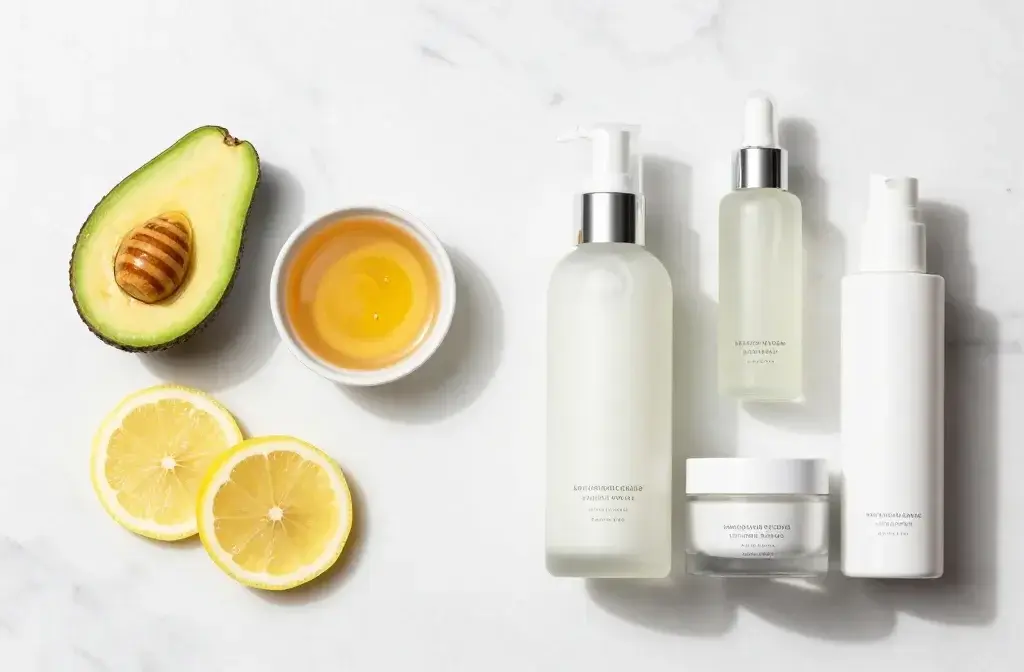
Ever stood in your kitchen with a face full of mashed avocado wondering if this is actually doing anything? You’re not alone.
The DIY skincare trend has taken over our feeds, promising glowing skin without the hefty price tag. But is slathering food on your face really better than that $50 serum you’ve been eyeing?
Let’s break down the real truth about homemade versus store-bought skincare so you can stop wasting time (and perfectly good groceries).
1. The Ingredient Control Game-Changer
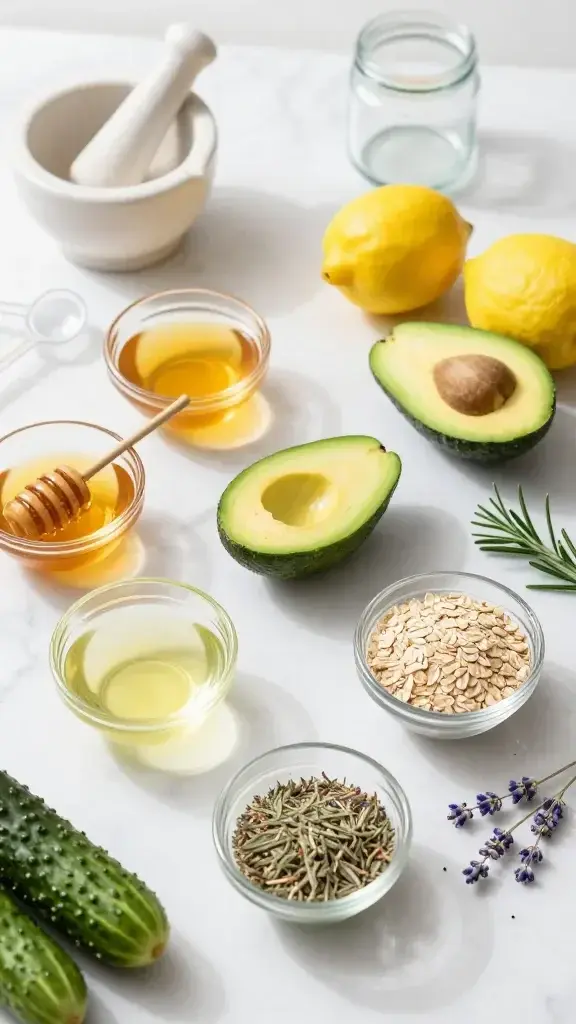
Here’s the biggest selling point for DIY skincare: you know exactly what you’re putting on your face. No mysterious chemicals with seventeen-syllable names, no synthetic fragrances, just pure, recognizable ingredients from your pantry.
With homemade products, you can customize everything to your skin’s needs. Got sensitive skin? Skip the lemon juice. Need extra moisture? Add more honey.
What You Can Actually Control:
- Freshness of ingredients (no preservatives needed for immediate use)
- Potency levels of active ingredients
- Allergen avoidance for reactive skin
- Texture and consistency preferences
But here’s the catch: store-bought products go through rigorous testing and formulation. Those scientists aren’t just throwing ingredients together. They’ve spent years perfecting stability, pH levels, and efficacy that you simply can’t replicate in your kitchen.
2. The Price Tag Reality Check
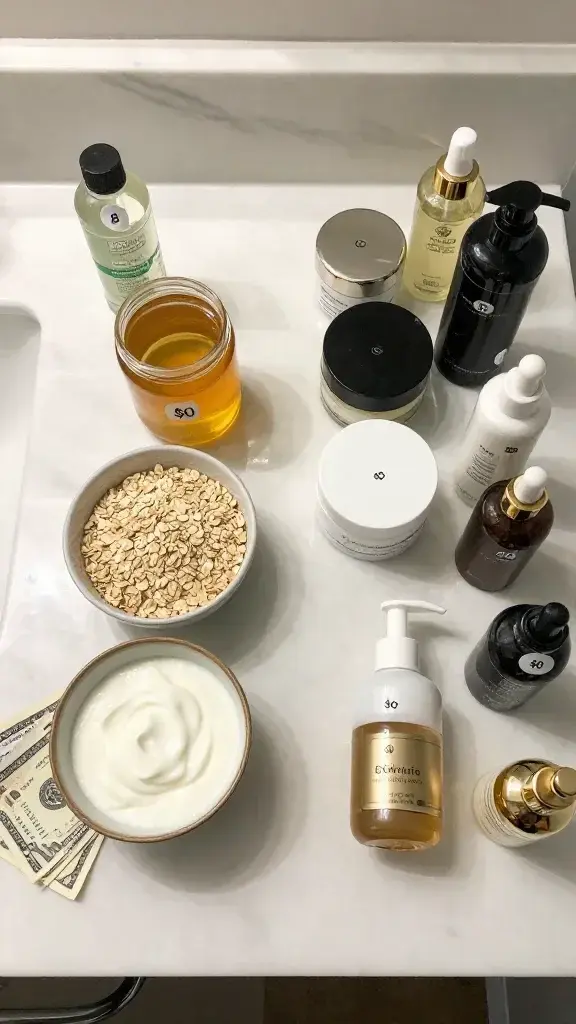
Let’s talk money, because honestly, that’s probably why you’re considering DIY in the first place. A jar of coconut oil costs like $8 and lasts forever, while that fancy moisturizer is $60 for two ounces.
DIY wins on upfront costs, no question. You probably already have ingredients like honey, oatmeal, and yogurt sitting in your kitchen right now. Mix them up, boom – instant face mask for pennies.
However, store-bought products pack serious concentrated ingredients you’d never find at the grocery store. That vitamin C serum? It uses a stable, medical-grade form that actually penetrates your skin. Your orange juice face mask? Not so much.
Cost Breakdown:
- DIY face mask: $1-3 per use
- Store-bought mask: $5-15 per use
- But professional formulas last longer and deliver consistent results
FYI, you might save money initially with DIY, but if it doesn’t work, you’re just wasting ingredients and time.
3. The Effectiveness Showdown Nobody Talks About
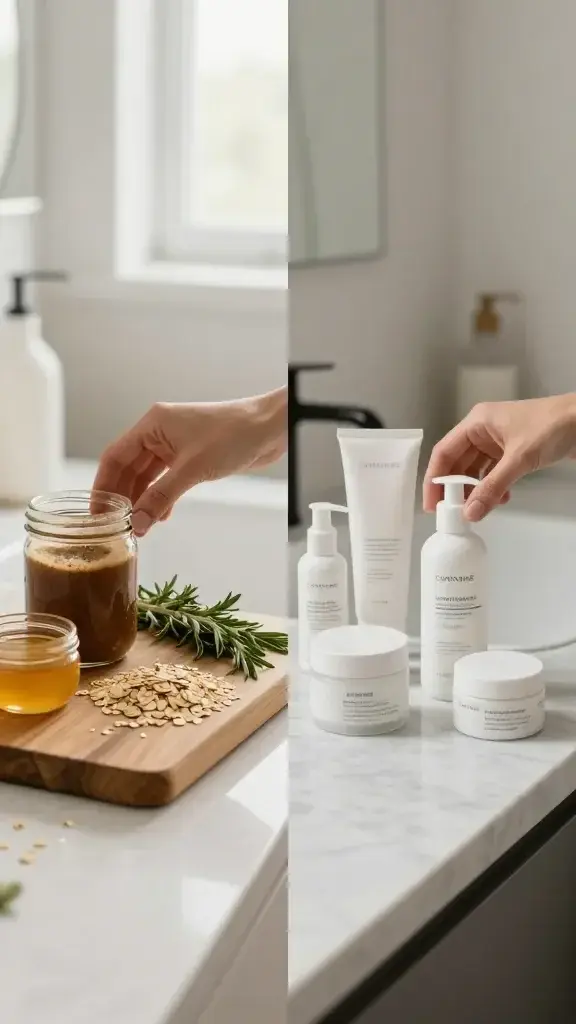
Here’s where things get real: most DIY recipes you find on Pinterest sound amazing but deliver mediocre results at best. That coffee scrub might smell incredible, but it’s probably too harsh for your delicate facial skin.
Store-bought products undergo clinical trials and stability testing. They’re formulated with specific percentages of active ingredients proven to work. Your kitchen chemistry experiment? Not exactly FDA-approved.
That said, some DIY treatments genuinely work wonders. A simple honey mask has antibacterial properties, and oatmeal really does soothe irritation. The key is knowing which homemade remedies are backed by actual science versus internet hype.
Professional products can penetrate deeper skin layers thanks to advanced delivery systems. Your mashed banana might hydrate the surface, but that $80 retinol is literally changing your skin cells at a molecular level.
4. The Safety Factor You Can’t Ignore
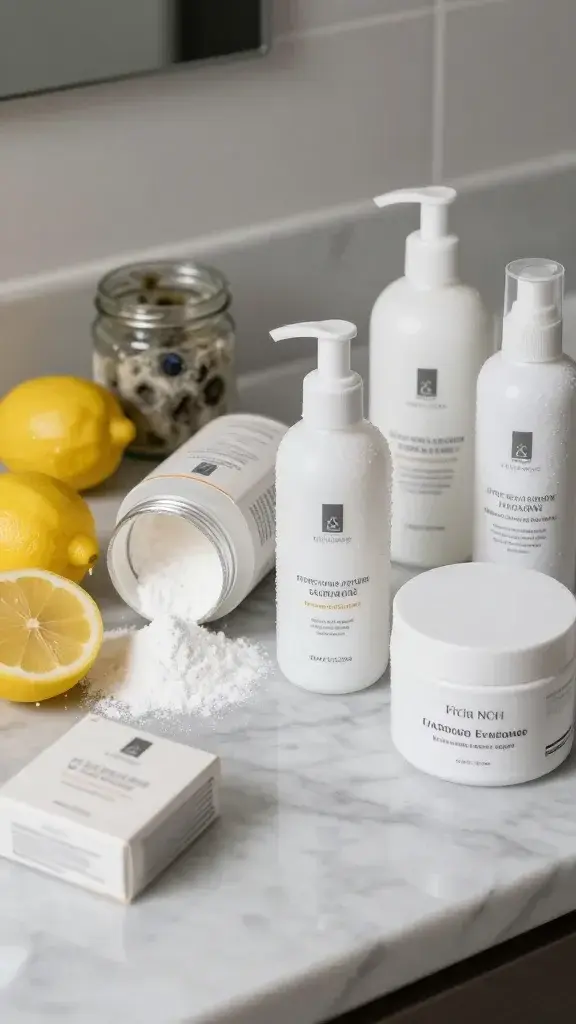
Seriously, we need to talk about this. Just because something is natural doesn’t mean it’s safe for your skin. Lemon juice can cause chemical burns and photosensitivity. Baking soda can wreck your skin’s pH balance.
Store-bought products are formulated with proper pH levels, preservatives to prevent bacteria growth, and ingredients that actually work together. They’ve been tested for safety and won’t suddenly go moldy in your bathroom.
Common DIY Disasters:
- Citrus causing severe burns and dark spots
- Essential oils triggering allergic reactions
- Homemade products growing bacteria within days
- Scrubs causing micro-tears in skin
DIY enthusiasts love touting “chemical-free” products, but trust me, everything is a chemical (water is H2O, remember?). The real question is whether those chemicals are safe and effective, and that’s where professional formulation wins.
5. The Convenience Factor Nobody Admits
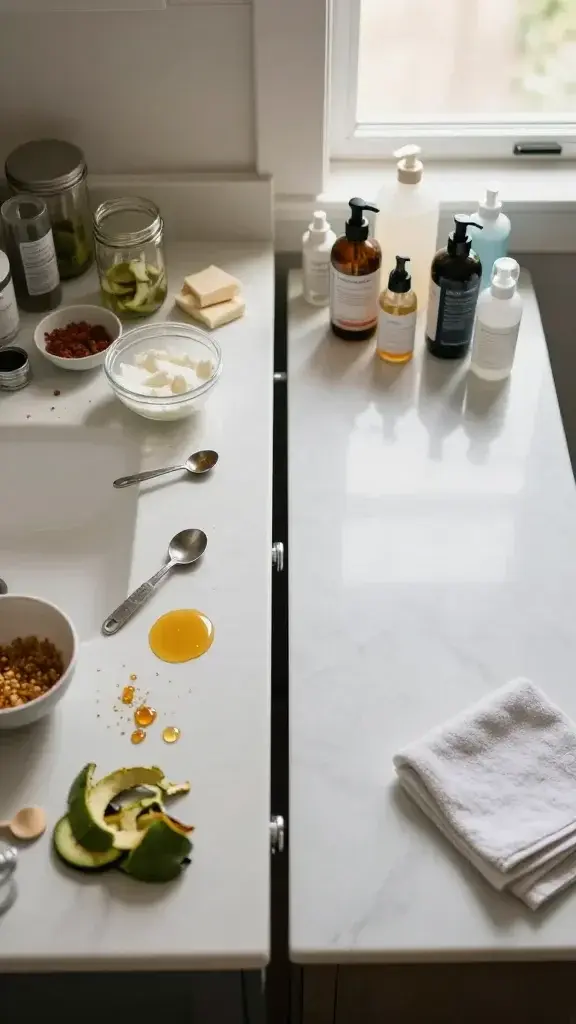
Let’s be honest: making skincare from scratch takes time and effort. You need to shop for ingredients, mix everything properly, use it immediately (or within days), and clean up the mess afterward.
Store-bought products sit pretty on your bathroom shelf, ready whenever you need them. No measuring, no mixing, no moldy disasters waiting to happen. Just pump, apply, done.
IMO, consistency matters more than the perfect product. If your elaborate DIY routine means you skip skincare half the time because it’s too much work, that drugstore moisturizer you’ll actually use daily wins every time.
Plus, certain ingredients like retinol, niacinamide, and peptides simply aren’t available for home use in effective concentrations. You need professional-grade products for those serious anti-aging and acne-fighting benefits.
The verdict? Mix both approaches for the best results. Use reliable store-bought products for your daily routine and serious skin concerns, then throw in the occasional DIY treatment when you want something fresh and fun. Your skin deserves both the science and the self-care, so why choose just one?