Best Eco-Friendly Craft Supplies: Natural Non-Toxic Materials for DIY Projects

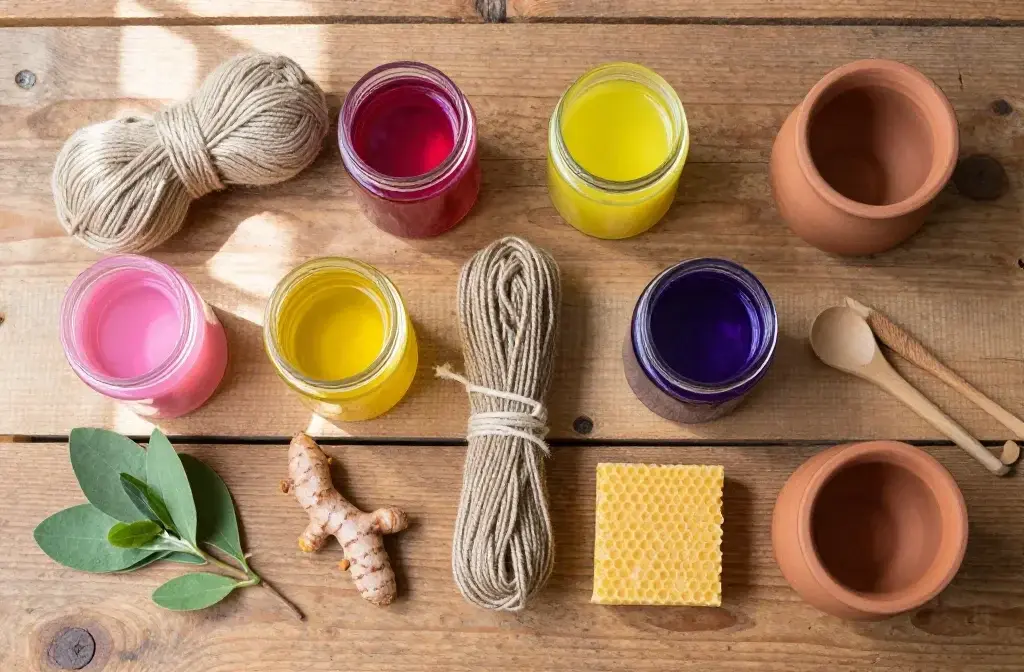
Tired of crafting with materials that make you wonder what mysterious chemicals you’re touching?
These natural, non-toxic supplies let you create beautiful projects without compromising your health or the planet’s future.
Get ready to stock your craft room with materials that actually feel good to work with.
1. Plant-Based Dyes: Nature’s Color Palette
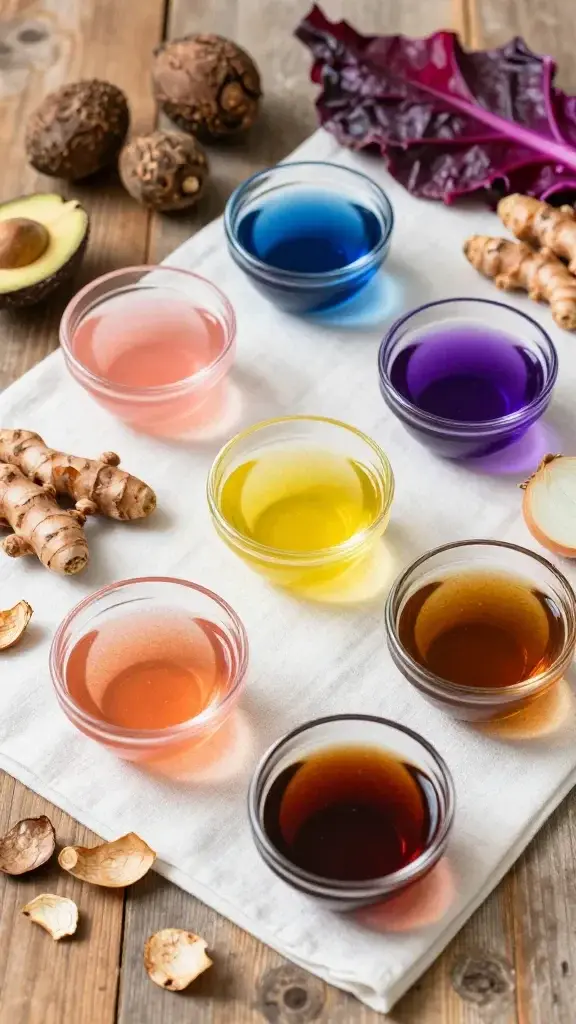
Why reach for synthetic dyes when your kitchen scraps can create the most gorgeous colors? Natural plant-based dyes from avocado pits, onion skins, and turmeric give you stunning hues without the toxic fumes.
Best Sources for Natural Colors:
- Avocado pits and skins for soft pinks
- Red cabbage for blues and purples
- Turmeric for vibrant yellows
- Onion skins for rich oranges and browns
The colors you get have this beautiful, muted quality that synthetic dyes can’t replicate. Plus, you can literally compost your leftover dye materials when you’re done.
Perfect for dyeing fabrics, yarn, paper, and even wood. The possibilities are seriously endless.
2. Beeswax: The Multi-Tasking Wonder Material
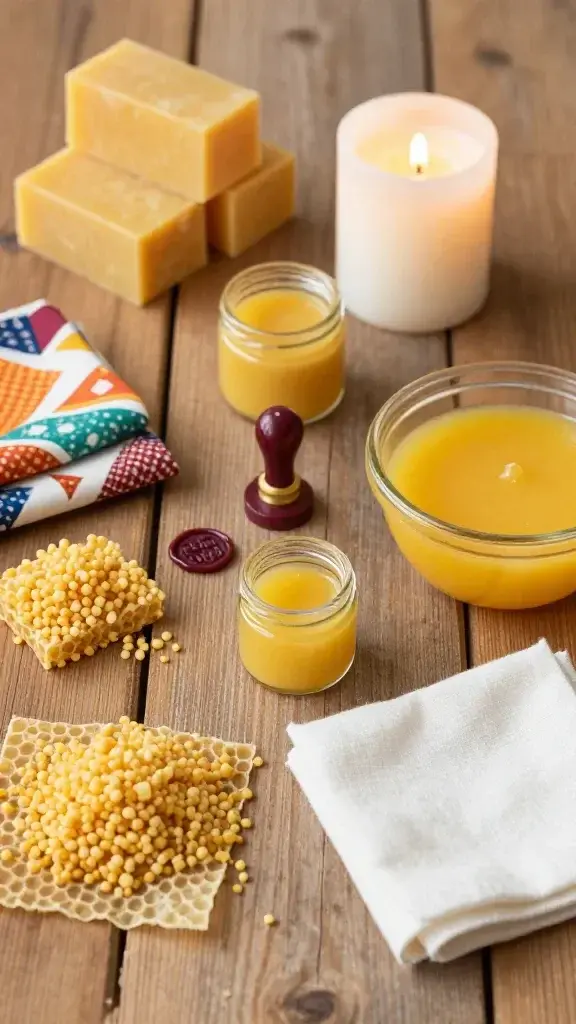
Beeswax might be the most versatile eco-friendly craft supply you’ll ever use. This natural material works as a coating, adhesive, and finish all in one.
You can melt it down for candle-making, use it to waterproof fabric, or mix it with natural oils to create your own polish. The honey-sweet smell is just a bonus that makes your craft space smell amazing.
Popular Beeswax Projects:
- Reusable food wraps (bye-bye, plastic wrap!)
- Natural furniture polish
- Hand-poured candles
- Wax seals for letters and packaging
Trust me, once you start working with beeswax, you’ll find a million uses for it. Just make sure you buy from ethical beekeepers who prioritize their colonies’ health.
3. Recycled Paper and Cardboard: Your Free Craft Goldmine
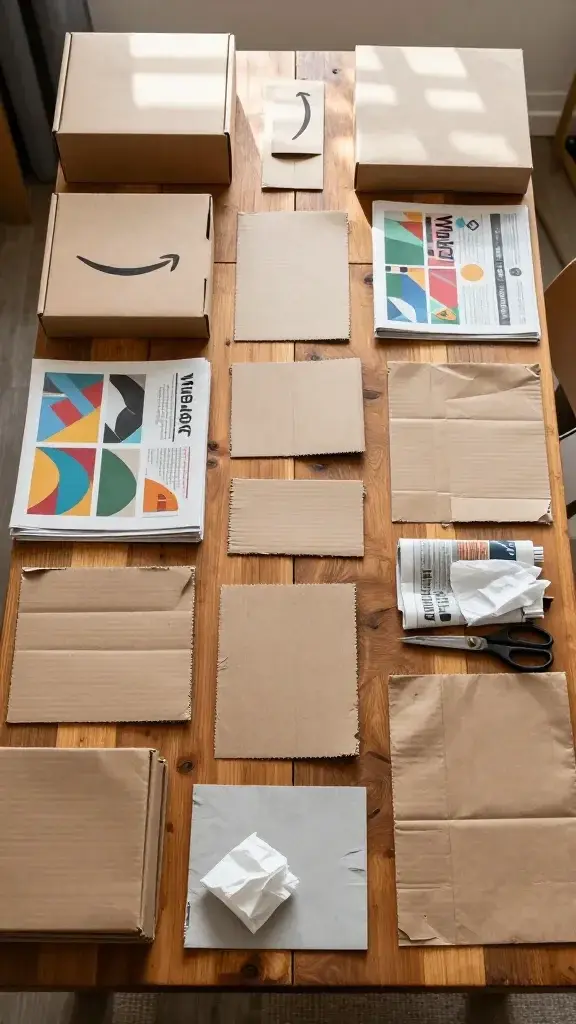
Stop tossing those Amazon boxes and old magazines! Recycled paper materials are literally free crafting supplies hiding in your recycling bin.
Old cardboard boxes transform into sturdy bases for mixed media projects. Newspaper becomes perfect for papier-mâché, and those glossy magazine pages? They make incredible collage materials with zero guilt attached.
What to Save:
- Cardboard packaging (all weights and textures)
- Magazines and catalogs
- Newspapers and junk mail
- Paper bags and tissue paper
The texture and character of recycled materials adds depth to your projects that pristine new paper just can’t match. Plus, you’re keeping all that paper out of landfills.
4. Natural Fibers: Wool, Cotton, and Hemp for the Win
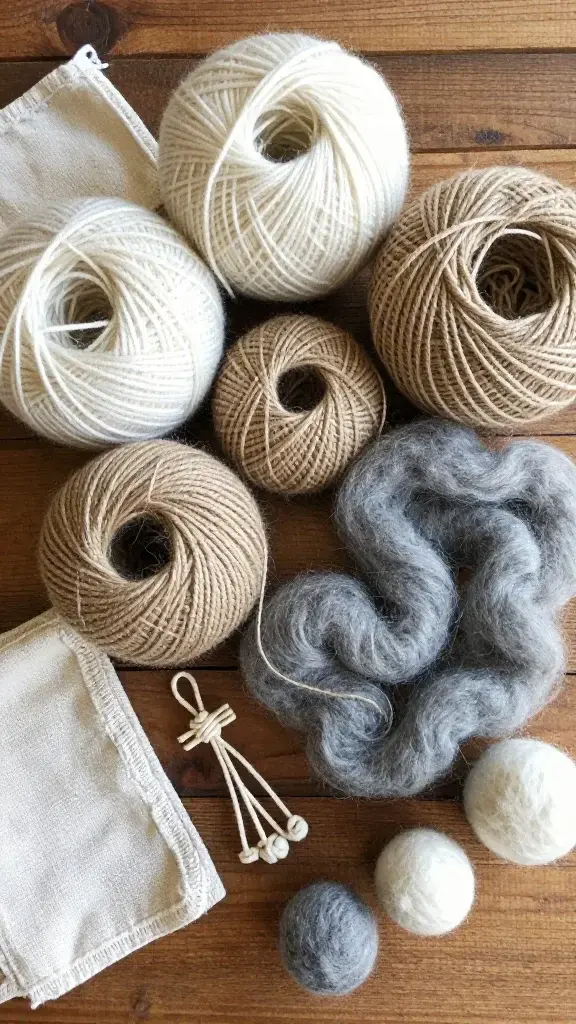
Ditch the acrylic yarn and synthetic fabrics for natural fiber alternatives that feel amazing to work with. Organic cotton, wool, hemp, and linen don’t shed microplastics and actually biodegrade when you’re done with them.
Working with natural fibers just feels different in your hands. They breathe better, hold dye beautifully, and develop this gorgeous patina over time instead of looking worn out.
Top Natural Fiber Choices:
- Organic cotton for softness
- Hemp for durability and texture
- Wool for warmth and felting projects
- Linen for that perfect rustic look
Yes, they cost more upfront than cheap synthetics, but the quality difference is night and day. Your finished projects will last for years, not months.
5. Clay and Natural Earth Pigments: Get Your Hands Dirty
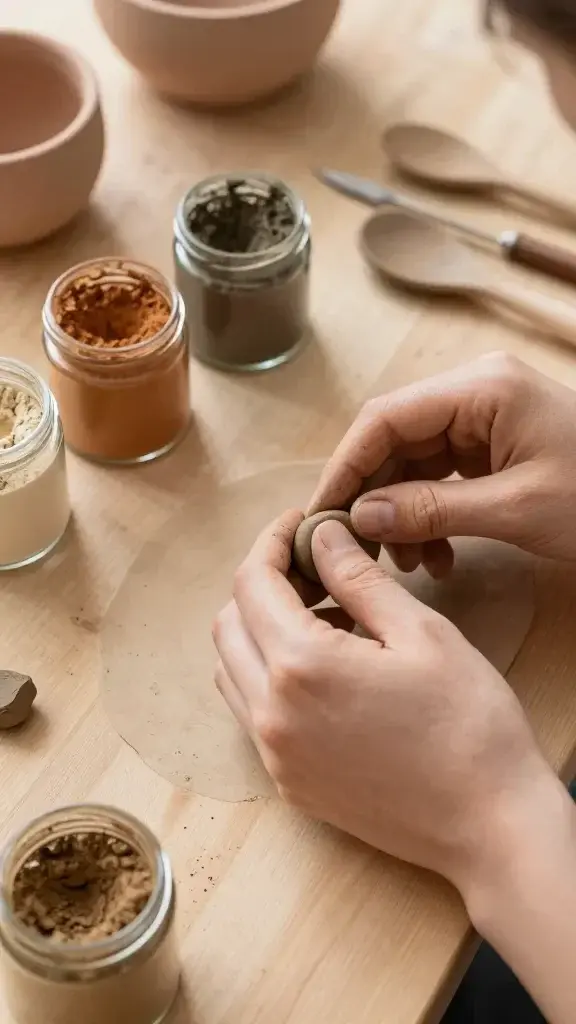
Air-dry clay and natural earth pigments bring you back to humanity’s original art supplies. These materials connect you to centuries of makers who created beautiful things from literal dirt.
Air-dry clay eliminates the need for kiln firing, making pottery and sculpture accessible for home crafters. Natural earth pigments like ochre, umber, and sienna give you earthy tones that synthetic paints struggle to reproduce.
You can even harvest your own clay and pigments if you’re feeling adventurous. FYI, many areas have clay-rich soil just waiting to be discovered in your backyard or local creek beds.
These materials work beautifully for handbuilding pottery, sculpting, painting, and creating natural makeup or art supplies. The finished pieces have this organic quality that celebrates imperfection.
Ready to make your craft space healthier and more sustainable? These eco-friendly materials prove that going green doesn’t mean sacrificing creativity or quality. Your next DIY masterpiece is waiting, and the planet will thank you for it.