How to Read a Crochet Pattern for Beginners: A Symbol and Abbreviation Guide

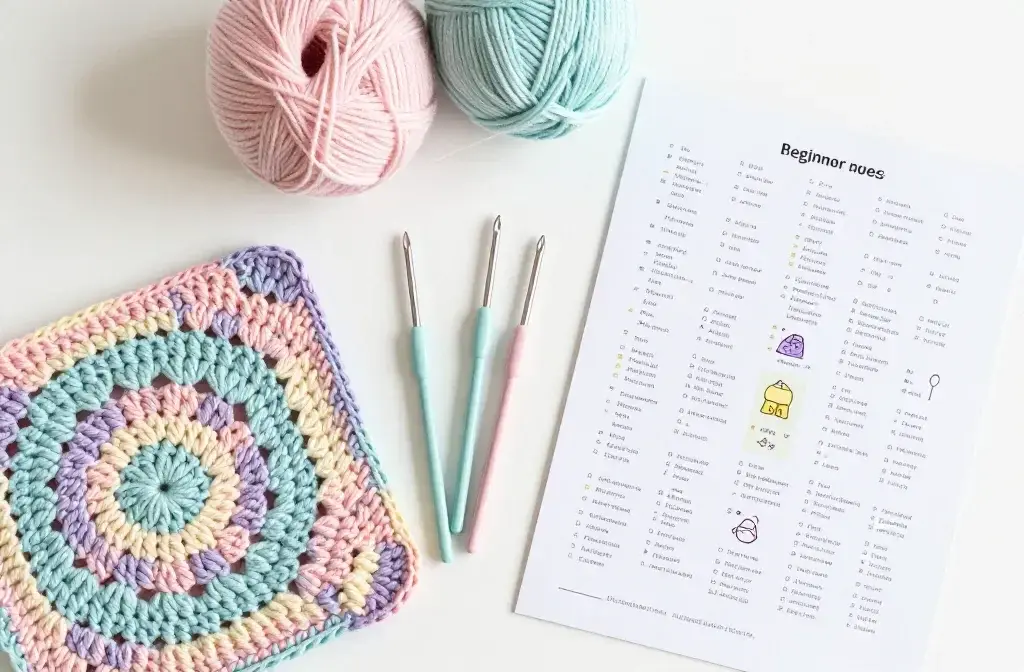
You’ve found a gorgeous crochet pattern online, you’re excited to start, and then… you open it. Suddenly you’re staring at what looks like some kind of secret code mixed with hieroglyphics. Don’t panic—every crocheter has been exactly where you are right now. Learning to read crochet patterns is like learning any new language: confusing at first, but totally worth it once those cryptic abbreviations start making sense.
Why Crochet Patterns Look Like Alien Language
Here’s the thing: crochet patterns use abbreviations and symbols because writing out every single stitch would create a novel-length document for even the simplest project. Imagine reading “chain five stitches, then work one double crochet in the fourth chain from the hook, then work another double crochet in the next chain…” for every single row. You’d give up before finishing page one.
Patterns condense all that information into something like “Ch 5, dc in 4th ch from hook, dc in next ch.” Way shorter, right? The trade-off is that you need to learn the code first.
The good news? There are only about 15-20 common abbreviations you’ll use constantly. Once you’ve got those down, you can tackle most beginner and intermediate patterns without constantly flipping to a reference guide.
The Essential Abbreviation Starter Pack
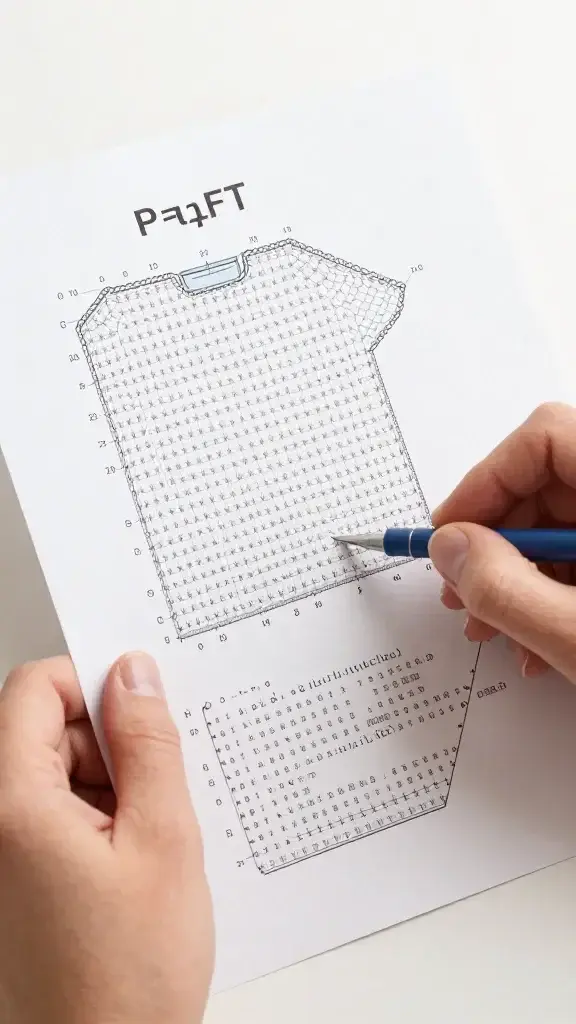
Let’s start with the abbreviations you absolutely need to know. These show up in practically every pattern you’ll encounter.
The Basic Stitches
- ch – chain (the foundation of everything)
- sl st – slip stitch (the sneaky little connector)
- sc – single crochet (your bread and butter)
- hdc – half double crochet (taller than sc, shorter than dc)
- dc – double crochet (confusingly, this is called “treble” in UK patterns)
- tr – treble crochet (and yes, UK patterns call this “double treble”—I know, it’s annoying)
The Supporting Cast
These aren’t stitches themselves, but they tell you what to do with your stitches:
- st(s) – stitch or stitches
- sp – space (the gap between stitches)
- sk – skip (ignore that stitch and move along)
- inc – increase (work two stitches in one stitch)
- dec – decrease (combine two stitches into one)
- rep – repeat (get ready to do that sequence again)
- yo – yarn over (wrap that yarn around your hook)
Pro tip: Keep a printed list of these next to you while you work on your first few projects. You’ll be surprised how quickly they stick in your brain through repetition.
Decoding Pattern Instructions
Now that you know what the abbreviations mean, let’s talk about how patterns actually string them together. Most patterns follow a pretty standard format that becomes second nature once you know what to look for.
The Pattern Header
Before you get to the actual instructions, patterns include important info like what yarn weight to use, what hook size you need, and the gauge (how many stitches fit in a certain measurement). Don’t skip this stuff! Using the wrong hook size can turn your cute baby blanket into a tablecloth.
Reading the Rows
Most written patterns organize instructions by row or round. They’ll usually look something like this:
“Row 1: Ch 20, sc in 2nd ch from hook, sc in each ch across. (19 sc)”
Let’s break that down. You’re making 20 chains, then working a single crochet starting in the second chain from your hook, and continuing across all the chains. The number in parentheses at the end? That’s your stitch count—super helpful for catching mistakes before you’ve gone too far.
Asterisks and Parentheses Are Your Friends
When you see asterisks (*) or instructions in parentheses, pay attention. These indicate repeating sections. For example:
“*Dc in next 3 sts, ch 2, sk 1 st; rep from * across”
This means you do everything between the asterisks, then repeat that whole sequence until you reach the end of the row. The semicolon tells you where the repeat instruction ends.
Parentheses can mean two different things depending on the pattern. Sometimes they show stitch counts (like we talked about earlier), and sometimes they group stitches that go in the same place: “(2 dc, ch 2, 2 dc) in next st” means you’re putting all those stitches into one single stitch.
Chart Symbols: The Visual Alternative
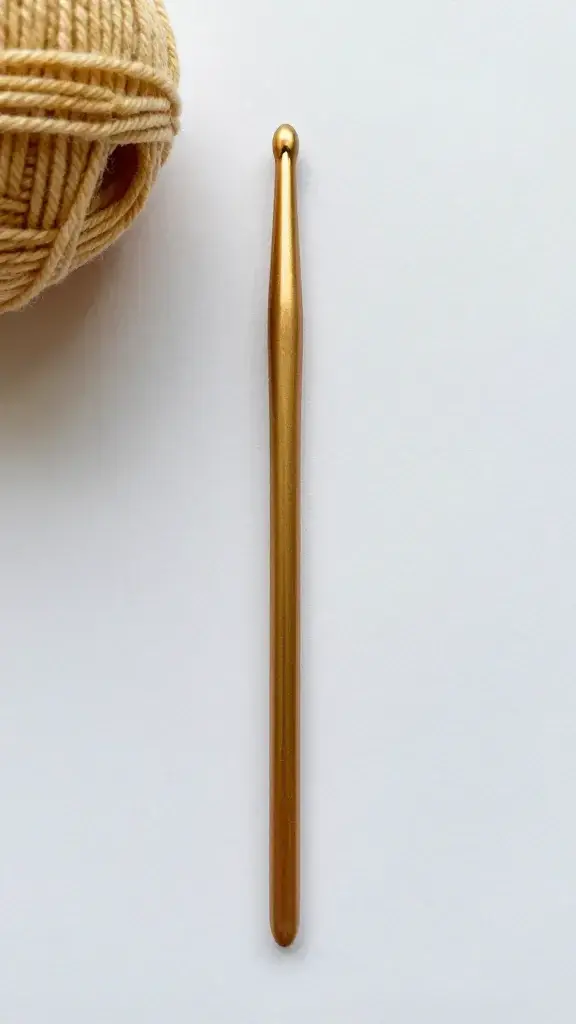
Not everyone vibes with written patterns. Some people are visual learners who prefer charts, where each symbol represents a different stitch. IMO, charts are actually easier once you get used to them, especially for complex stitch patterns.
Common Chart Symbols
Different publishers use slightly different symbols, but here are the most common ones:
- Oval or dot – chain stitch
- X or + – single crochet
- T shape – half double crochet
- T with one crossbar – double crochet
- T with two crossbars – treble crochet
- Filled dot or teardrop – slip stitch
The beautiful thing about charts? You can literally see what your finished fabric should look like. Each symbol sits where that stitch goes in your work.
How to Read a Chart
For flat projects (scarves, blankets), you typically read charts from the bottom up. Right-side rows go from right to left, and wrong-side rows go from left to right—basically following your hook as it moves.
For projects worked in the round (hats, amigurumi), you usually read charts counterclockwise starting from the center. The pattern should tell you which direction to read, so check before you start.
US vs UK Terms: The Eternal Confusion
Quick heads up: American and British crochet terms are different, and this trips up literally everyone at some point. What Americans call a “single crochet,” the British call a “double crochet.” What Americans call a “double crochet,” the British call a “treble crochet.”
How do you know which system your pattern uses? Look for clues in the pattern header. It should specify “US terms” or “UK terms.” If it doesn’t say, check where the designer is based. FYI, most online patterns these days default to US terms.
When in doubt, look up a tutorial video for the pattern or search for conversion charts. Trust me, it’s better to double-check than to finish a project and realize everything is the wrong height.
Special Stitches and Techniques
Some patterns include “special stitches”—basically custom stitch combinations the designer created for that specific pattern. These usually appear in a separate section near the beginning.
Always read this section before starting. I know it’s tempting to dive right in, but spending two minutes learning a special stitch will save you from ripping out hours of work later.
Common techniques you’ll see mentioned:
- Working in BLO or FLO – back loop only or front loop only (instead of through both loops)
- Working in the round – creating a tube or circle without turning your work
- Turning chains – the extra chains you make at the start of each row to bring your hook up to the right height
- Joining with invisible join – a technique to connect rounds seamlessly
Practice Makes Progress (Not Perfection)
The absolute best way to learn pattern reading is to pick a simple project and just start. Choose something small—a dishcloth, a coaster, maybe a simple hat. Work through the pattern slowly, looking up abbreviations as you go.
You’ll make mistakes. You’ll miscount stitches. You might even need to restart a couple times. That’s completely normal and part of the learning process.
Keep that abbreviation cheat sheet handy for your first few projects. Write notes in the margins of your patterns. Highlight the rows you’ve completed. Whatever helps you keep track and understand what’s happening.
After you’ve finished three or four small projects, something magical happens: you’ll suddenly realize you’re reading patterns without constantly checking what the abbreviations mean. Your brain starts recognizing the patterns in the patterns themselves.
Frequently Asked Questions
Do I need to memorize all the abbreviations before I start a project?
Nope! Keep a reference guide nearby and look things up as you encounter them. You’ll naturally memorize the common ones through repetition. Trying to memorize everything upfront is like trying to learn a language by reading the dictionary—technically possible but unnecessarily painful.
What if the pattern has an abbreviation I’ve never seen before?
First, check if the pattern includes a special stitches section or abbreviation key—many do. If not, a quick internet search for “crochet [abbreviation]” usually solves the mystery. You can also check the Craft Yarn Council’s website, which maintains a comprehensive list of standard abbreviations.
Can I use a different yarn weight than the pattern calls for?
You can, but your finished project will be a different size. Going heavier creates a bigger item; going lighter makes it smaller. If you want to substitute yarn, you’ll need to adjust your hook size and probably recalculate your starting chain. For your first few projects, stick with what the pattern recommends to avoid frustration.
Why do some patterns seem to have way more detail than others?
Pattern writing styles vary wildly. Some designers write super detailed, beginner-friendly patterns with stitch-by-stitch instructions. Others assume more knowledge and write more condensed patterns. Neither is wrong—they’re just targeting different skill levels. As a beginner, look for patterns specifically labeled “beginner-friendly” or “easy.”
What does it mean when a pattern says “multiple of X stitches”?
This means your starting chain needs to be divisible by that number for the pattern to work correctly. If a pattern says “multiple of 6 + 2,” you could start with 20 chains (18 + 2), 26 chains (24 + 2), 32 chains (30 + 2), etc. The pattern repeat works in groups of 6, with 2 extra chains for the edges.
Should I learn to read written patterns or charts first?
Try both and see what clicks for your brain! Some people are word-oriented and love written patterns. Others see charts and everything suddenly makes sense. There’s no right answer—use whatever format helps you understand what you’re supposed to do. Many experienced crocheters can read both and choose based on the specific project.
Conclusion
Reading crochet patterns feels overwhelming at first, but you’re basically just learning a new shorthand language. Once you know the basic abbreviations and understand how patterns structure their instructions, you’ll unlock access to thousands of projects you can make.
Start small, be patient with yourself, and remember that every single crocheter—even the ones making those gorgeous complex shawls on Instagram—started exactly where you are now, squinting at abbreviations and wondering what the heck “sc2tog” means. Keep your reference guide handy, work through a few beginner patterns, and before you know it, you’ll be reading patterns like you’re fluent. Happy crocheting!