Polymer Clay for Beginners: Everything You Need to Know to Get Started

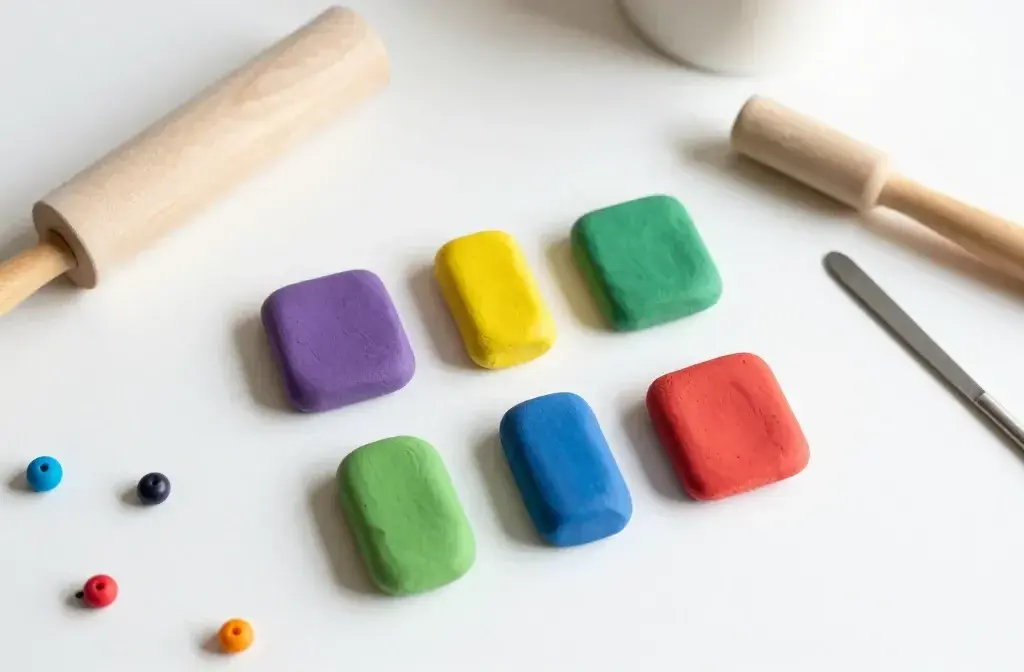
Ever scrolled through Instagram and wondered how people make those adorable tiny food charms or stunning handmade earrings? Spoiler alert: it’s probably polymer clay, and it’s way easier than you think.
This magical modeling material lets you create everything from jewelry to miniature sculptures without needing a kiln or fancy equipment. Just your hands, an oven, and a little creativity.
Ready to unlock your inner artist? Let’s break down everything you need to jump into the wonderful world of polymer clay.
1. Get the Right Clay (Not All Brands Are Created Equal)
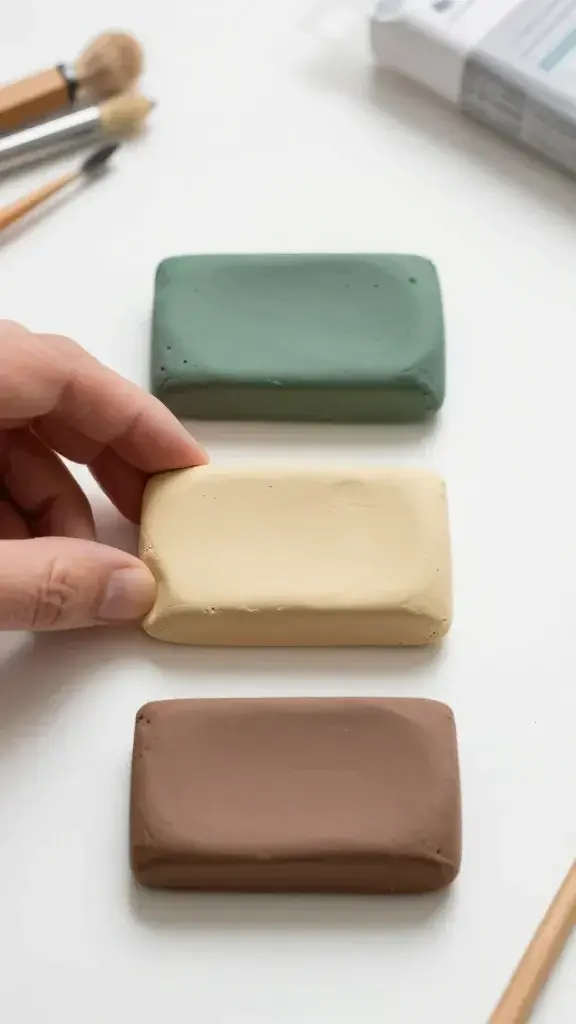
Walking into a craft store and staring at dozens of polymer clay brands can feel overwhelming. Here’s the deal: Sculpey, Fimo, and Premo are your top contenders, but they each have different personalities.
Sculpey III is super soft and great for kids or quick projects, but it can be a bit crumbly. Premo is the goldilocks option – firm enough to hold detail but soft enough to condition easily. Fimo Professional is stiffer and holds intricate details like a champ, but your hands might get tired working with it.
What to Buy First:
- A starter pack with basic colors (you can mix custom shades later)
- White and translucent blocks (you’ll use these constantly)
- At least one metallic color for that extra pizzazz
Start with 2-ounce blocks to test different brands without committing your entire budget. Trust me, you’ll develop favorites quickly.
2. Essential Tools That Won’t Break the Bank
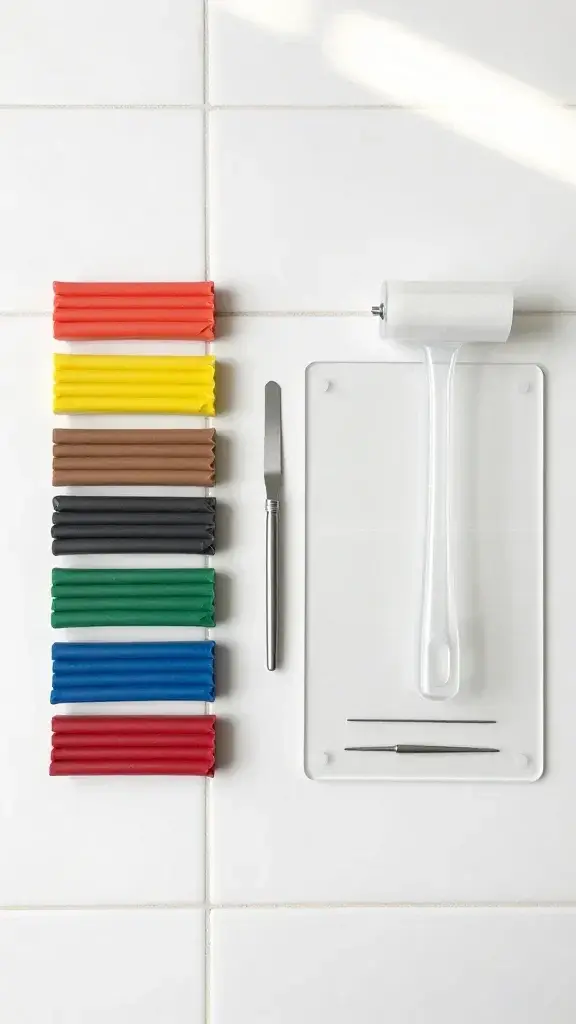
Good news: you don’t need to drop hundreds of dollars on fancy equipment. Most polymer clay essentials are probably already hiding in your kitchen or craft drawer.
A smooth work surface like a glass cutting board or ceramic tile keeps things clean and prevents staining your countertops. An acrylic roller or pasta machine (dedicated to clay only, please) rolls your clay to even thickness. Blade tools for cutting can be as simple as a tissue blade from the craft store.
Your Starter Toolkit:
- Ceramic tile or glass work surface
- Acrylic roller or dedicated pasta machine
- Tissue blade or craft knife
- Toothpicks and dotting tools
- Wet/dry sandpaper (400-600 grit)
Seriously, you can create amazing projects with just these basics. The fancy stuff can wait until you’re hooked (and you will be).
3. Conditioning Clay Is Your Secret Weapon
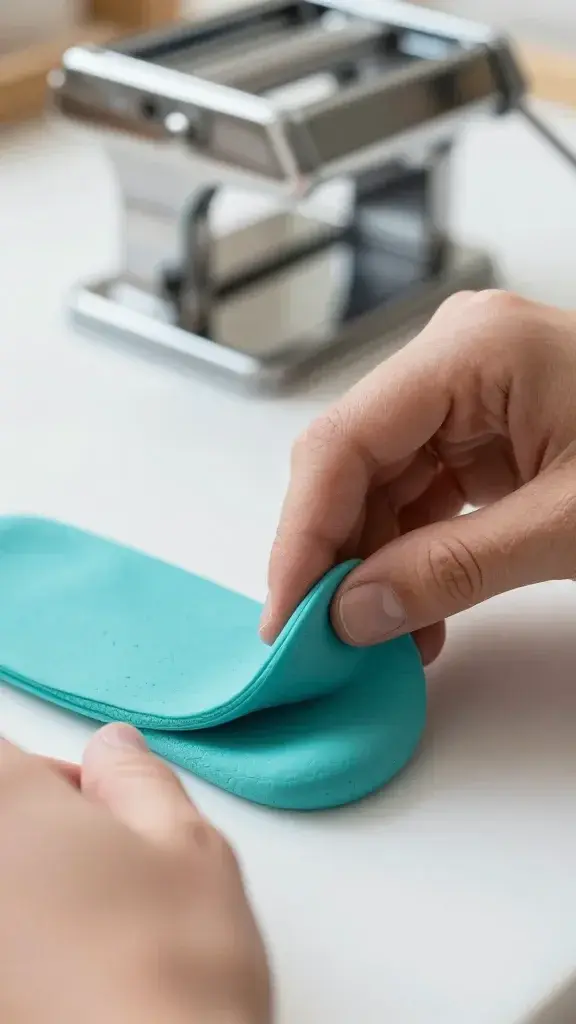
Here’s something nobody tells beginners: conditioning your clay before you start is absolutely crucial. Fresh-from-the-package clay needs warming and kneading to make it pliable and prevent cracking after baking.
Roll it, fold it, twist it, and repeat until the clay feels smooth and slightly warm. If your hands are getting tired, run the clay through a pasta machine 20-30 times, folding it between passes. This aligns the particles and makes your finished pieces way stronger.
Skipping this step? That’s why your first attempts might have cracked or crumbled. FYI, older clay needs extra conditioning love – add a few drops of clay softener if it’s super stiff.
4. Baking Basics (Don’t Burn Your Masterpiece)
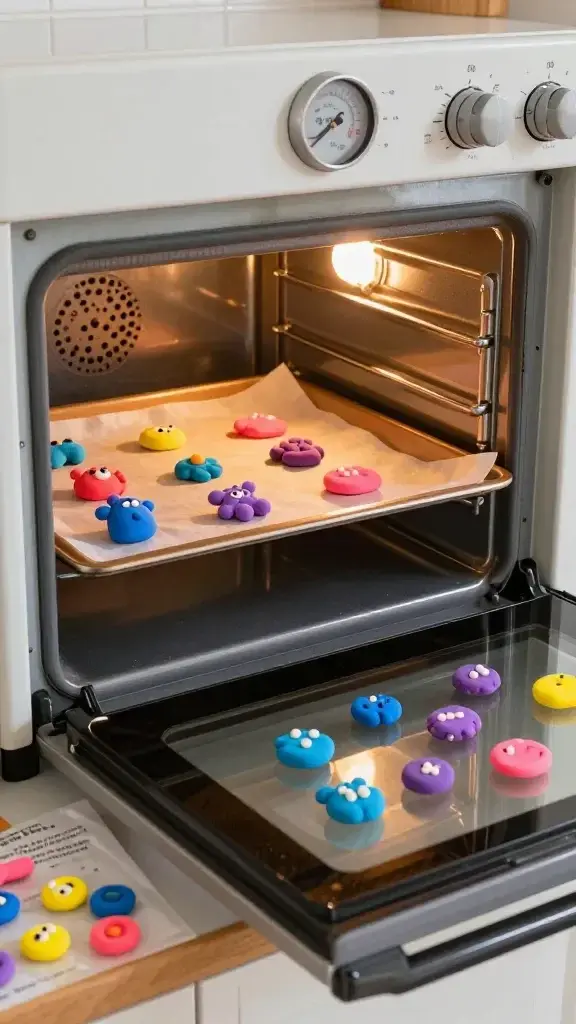
Your regular kitchen oven works perfectly for polymer clay – no kiln required! The magic happens at low temperatures, usually between 265-275°F depending on your brand. Check the package instructions because each type has its sweet spot.
Use an oven thermometer to verify your actual temperature since most ovens lie about their heat. Bake your pieces on parchment paper or cardstock on a metal baking sheet. Time varies by thickness, but plan for 15-30 minutes for most projects.
Baking Tips:
- Never exceed the recommended temperature (burnt clay releases fumes)
- Tent delicate pieces with aluminum foil to prevent browning
- Let pieces cool completely before handling
- Properly baked clay won’t break when you flex it gently
Underbaking is the most common beginner mistake. When in doubt, bake a little longer – you can’t really overbake at the correct temperature.
5. Finishing Touches That Make Your Work Pop
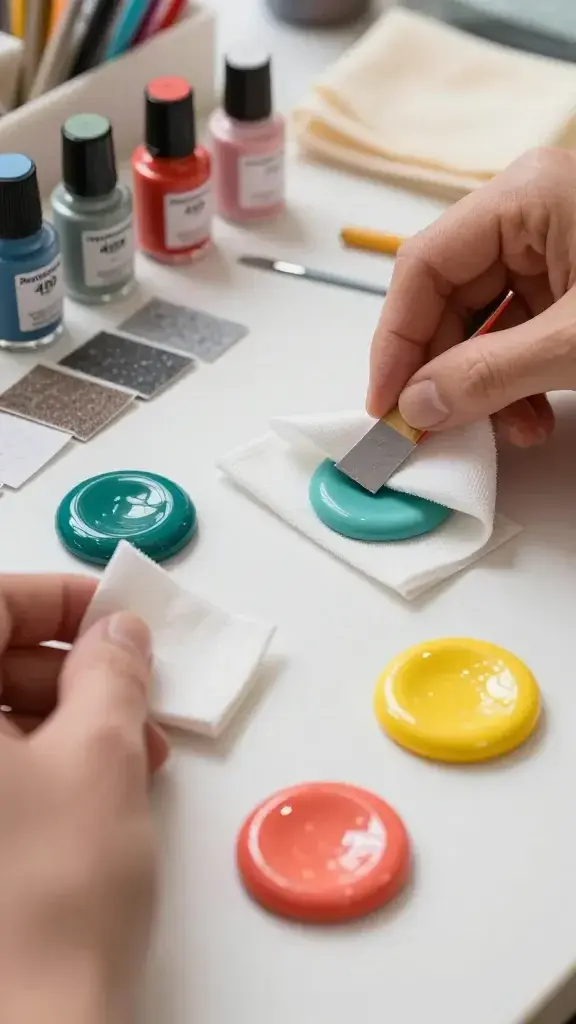
You’ve sculpted, you’ve baked, now what? The finishing process transforms your project from “okay” to “wow, did you really make that?”
Sanding with progressively finer grits (400 to 1000) smooths out fingerprints and imperfections. Buff with an old t-shirt for a subtle sheen, or apply a gloss varnish for that glass-like finish. Just make sure you use varnishes specifically made for polymer clay – some finishes stay sticky forever.
You can also paint baked clay with acrylics, add resin coatings, or drill holes for jewelry findings. The possibilities expand exponentially once you nail the basics.
So there you have it – everything you need to start your polymer clay journey without feeling overwhelmed or overspending. Grab some clay, fire up that oven, and prepare to amaze yourself with what you can create. Your first project might be wonky, and that’s totally fine – we all start somewhere, and honestly, that’s half the fun!