How to Make Resin Jewelry Molds at Home (And Which Molds to Buy)

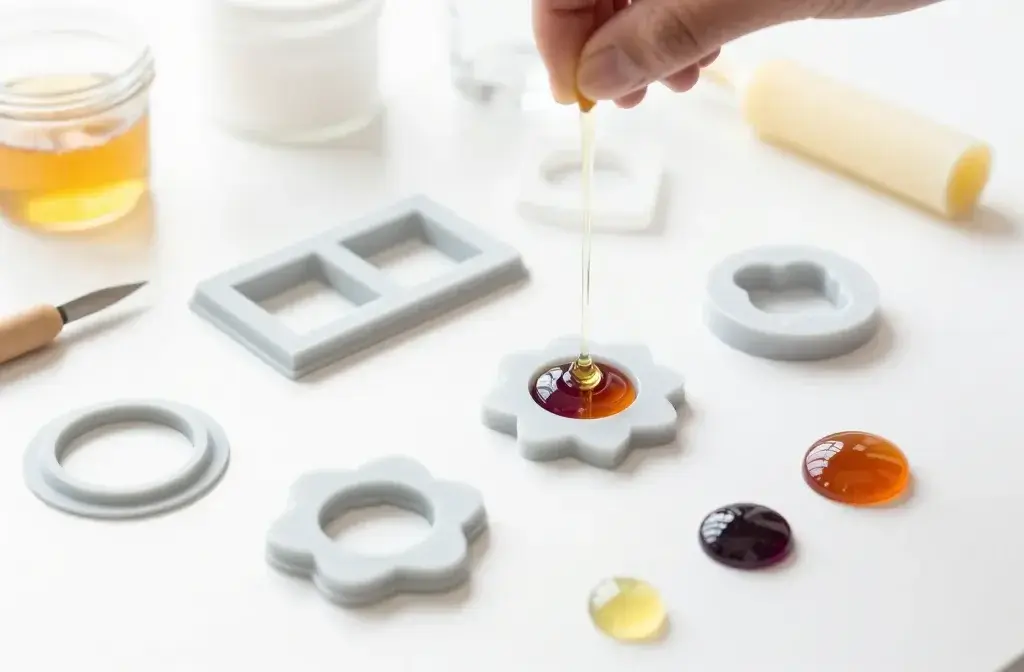
You know that moment when you’re scrolling through Etsy and see gorgeous resin jewelry that costs way more than your coffee budget allows? Well, here’s the thing: you can totally make that stuff yourself, and it starts with getting the right molds. Whether you want to buy them or make your own, I’m about to walk you through everything you need to know without the fluff.
Why Even Bother Making Your Own Molds?
Look, I’m not going to pretend that making your own molds is always worth the effort. Sometimes buying pre-made molds is the smart move. But here’s when DIY actually makes sense: when you want a completely unique design that nobody else has, when you need a specific size that doesn’t exist in stores, or when you’re just tired of seeing the same cookie-cutter shapes everywhere.
Making your own molds also saves you money in the long run if you’re planning to produce jewelry in bulk. Plus, there’s something incredibly satisfying about creating something from absolute scratch. It’s like the ultimate crafting flex.
That said, you’ll need to invest some time learning the process, and your first few attempts might look… let’s just say “rustic.” But stick with me here.
The DIY Route: Materials You’ll Actually Need
Before you dive in, you need the right supplies. The good news? You don’t need a ton of fancy equipment. The bad news? Quality materials aren’t exactly dirt cheap, but they’re still cheaper than buying dozens of pre-made molds.
Silicone Mold-Making Supplies
Here’s your shopping list for making silicone molds:
- Two-part silicone rubber (like Smooth-On’s Mold Star or OOMOO)
- A master object (the thing you want to replicate)
- Mixing cups and stir sticks
- Mold release spray (trust me on this one)
- A mold box or container (can be cardboard, plastic, or even LEGO blocks)
- Hot glue gun (for securing your master object)
The silicone rubber is your biggest expense, usually running between $20-50 for a starter kit. But one kit can make multiple molds, so don’t let sticker shock scare you off.
Alternative Materials for Quick Molds
Not ready to commit to silicone? You can experiment with polymer clay for simple, flat designs. Just press your object into conditioned clay and bake it according to package directions. It won’t be as durable or detailed as silicone, but it works for testing designs.
Step-by-Step: Making Your First Silicone Mold
Alright, let’s get into the actual process. I’m assuming you’re using two-part silicone here because it’s the industry standard for resin molds.
First, choose your master object. This could be anything: a button, a small toy, something you carved from wax, or even a piece of jewelry you want to duplicate. Just make sure you have permission if it’s not your original design—copyright exists, people.
Next, build your mold box. This contains the liquid silicone while it cures. You can use a plastic cup, a small cardboard box lined with packing tape, or get fancy with LEGO bricks (honestly one of the best methods). The box should be about half an inch larger than your object on all sides.
Secure your master object to the bottom of the box with hot glue or putty. Make sure it’s positioned exactly how you want it, because there’s no take-backs once you pour.
Now comes the fun part: mixing your silicone. Follow the manufacturer’s ratio exactly—this isn’t cooking where you can eyeball ingredients. Most two-part silicones use a 1:1 ratio, but check your specific product. Mix thoroughly but gently to avoid creating tons of bubbles.
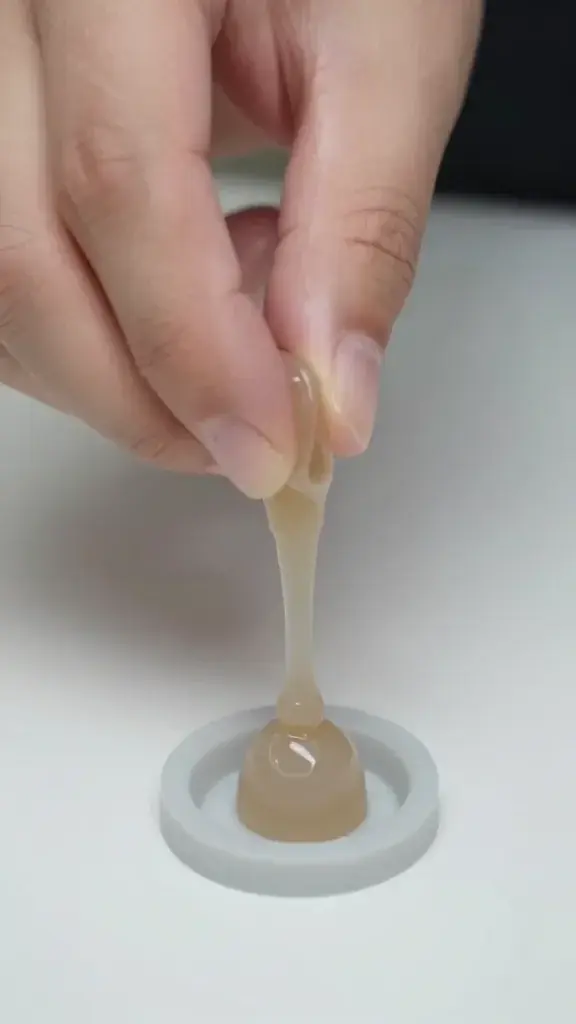
Pour the silicone slowly into your mold box, aiming for the lowest corner and letting it rise up around your object. This technique minimizes air bubbles. If you see bubbles forming, gently tap the box on your work surface or use a toothpick to pop them.
Let it cure. Most silicones need 24 hours to fully cure, though some fast-cure options are ready in a few hours. Be patient. Seriously. Don’t touch it every five minutes like I know you want to.
Which Ready-Made Molds Are Actually Worth Buying
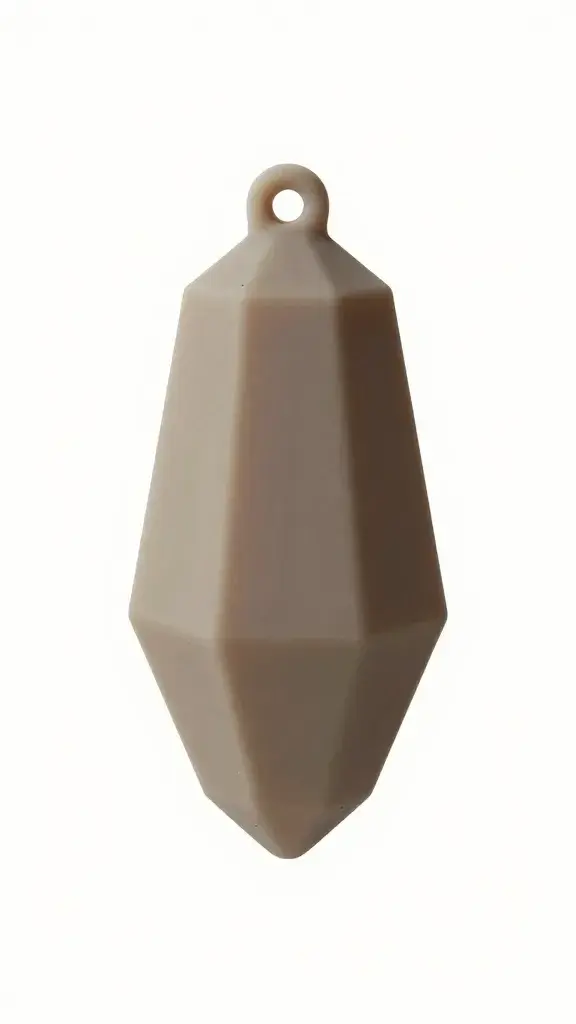
Sometimes you just want to skip the DIY hassle and buy molds that actually work. I get it. Not every project needs to be made from scratch, and honestly, some commercial molds are so good that replicating them would be pointless.
Best Molds for Beginners
If you’re just starting out, look for basic geometric shapes: circles, squares, rectangles, and simple pendants. These teach you resin basics without complicated demolding. The Let’s Resin brand on Amazon has decent starter sets that won’t break the bank.
For earring makers, grab a mold with multiple sizes of circles and ovals. You’ll use these constantly, and they’re surprisingly hard to make yourself with perfect symmetry.
Specialty Molds Worth the Investment
Once you’ve got the basics down, these specialty molds are game-changers:
- Letter and number molds – DIY versions never look professional enough, IMO
- Sphere molds – Getting two perfect halves is tricky to DIY
- Thick bracelet molds – The depth and curve require precision
- Ring molds with multiple sizes – Sizing consistency matters here
FYI, avoid those super cheap molds with terrible reviews. They’ll warp, tear, or give you pieces with rough edges that need hours of sanding. Not worth saving $3.
Pro Tips for Long-Lasting Molds
Whether you make or buy your molds, you want them to last. Here’s how to keep them in good shape.
Always use mold release spray or a thin layer of petroleum jelly before pouring resin. Yes, even with silicone molds. It makes demolding easier and prevents microscopic damage to the mold surface.
Store your molds flat in a cool, dry place away from direct sunlight. UV exposure degrades silicone over time, making it cloudy and less flexible. I learned this the hard way when I left molds on my sunny windowsill like an idiot.
Clean your molds with warm soapy water after each use, but skip the abrasive scrubbers. A soft cloth or your fingers work best. Any resin residue can create texture issues on your next piece.
Common Mistakes (That I Totally Haven’t Made Myself, Obviously)
Let’s talk about what not to do, shall we?
Don’t rush the curing time on either your silicone molds or your resin pieces. I know waiting is torture, but pulling things out too early ruins everything. Set a timer and walk away.
Stop overcomplicating your first mold. I see beginners trying to make molds of super detailed, undercut-heavy objects, and then wondering why demolding is impossible. Start simple. Get boring. Add complexity later.
Don’t forget to measure your resin properly. Too much hardener makes brittle jewelry. Too little means it never fully cures. Follow the ratios, use a scale if needed, and stop trying to “just eyeball it.”
Frequently Asked Questions
Can I make molds from objects I don’t own the copyright to?
You can make them for personal use, but selling jewelry made from copyrighted designs is a legal no-go. If you’re planning to sell your work, create original designs or use copyright-free objects. The resin police (aka lawyers) are real, and they have terrible senses of humor about intellectual property.
How many times can I use a silicone mold before it wears out?
A quality silicone mold should last for 50-100 uses if you treat it right. Cheaper molds might only give you 20-30 pours before they start looking rough. The telltale signs of a dying mold include cloudiness, tears at the edges, and loss of detail in the finished pieces.
What’s the best silicone for beginners?
OOMOO 30 is fantastic for beginners because it’s forgiving, has a decent work time, and doesn’t cost a fortune. Mold Star 16 is another solid choice if you want faster curing. Both are from Smooth-On, which is basically the gold standard for mold-making supplies.
Can I use ice cube trays or chocolate molds for resin?
You can, but results vary wildly. Some plastics react badly with resin and either melt or bond permanently to your piece. Silicone baking molds work better, but they’re not designed for the chemical interaction with resin, so they deteriorate faster. If you’re just experimenting, go for it. For serious projects, invest in actual resin molds.
Do I need a pressure pot for mold making?
Not for making the molds themselves, but a pressure pot helps eliminate bubbles when you pour your resin into those molds. It’s not essential for beginners, but if you start selling jewelry, you’ll probably want one eventually. They run around $100-200 for a decent setup.
How do I add color to my molds?
You don’t color the molds—you color the resin that goes into them. Use resin-specific dyes, mica powders, or alcohol inks mixed into your resin before pouring. The mold should stay clear or white silicone so you can see your work and achieve consistent results.
Final Thoughts
Making resin jewelry molds at home isn’t rocket science, but it does require patience and a willingness to mess up a few times. Start with simple projects, invest in decent materials, and don’t be afraid to buy pre-made molds when they make sense. The goal is creating jewelry you love, not proving you can DIY literally everything from scratch.
Mix and match your approach: buy molds for shapes you use constantly, and make custom molds for your unique designs. That’s the sweet spot where creativity meets practicality, and your jewelry actually gets made instead of living forever in the “someday” pile. Now stop reading and go make something cool.