
How to Mix Resin Without Bubbles: Tips and Techniques That Actually Work

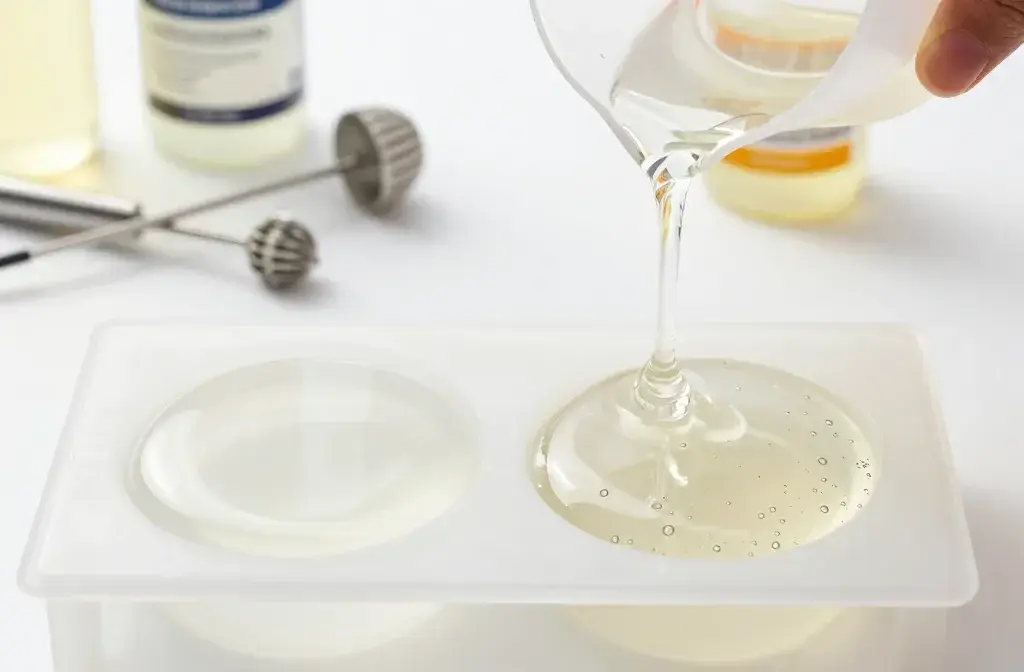
You’ve mixed your resin, poured it into your mold, and stepped back to admire your work—only to discover it looks like someone dumped a can of La Croix into your project. Those tiny bubbles mocking you from inside your carefully crafted piece are the bane of every resin artist’s existence. But here’s the thing: bubble-free resin isn’t some mystical unicorn that only professional artists can achieve.
Why Your Resin Keeps Getting Bubbly (And No, It’s Not Just Bad Luck)
Before we jump into solutions, let’s talk about why bubbles happen in the first place. Understanding the enemy is half the battle, right?
Bubbles form when you introduce air into your resin mixture. Shocking, I know. But it happens way more easily than you’d think. Every stir of your stick, every pour from the cup, and even the temperature of your workspace can trap tiny air pockets in your resin.
Some resins are more prone to bubbles than others. Thicker resins trap air more stubbornly, while thinner formulas let bubbles escape more easily. The type of hardener you use matters too—fast-curing resins give bubbles less time to escape before everything sets.
The Pre-Game Setup: Starting Right Means Fewer Problems
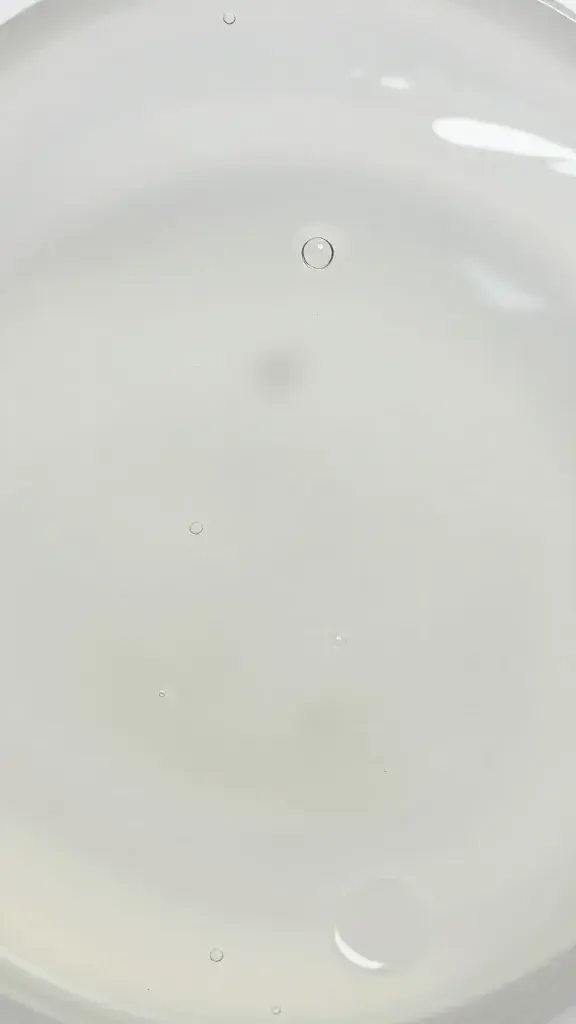
Want to know a secret? Most bubble problems start before you even crack open your resin bottles. Your workspace temperature should sit between 75-85°F. Cold resin is thick resin, and thick resin loves holding onto bubbles like a toddler clutching a favorite toy.
Warm up your resin bottles in a warm water bath for about 10-15 minutes before mixing. Not hot water—we’re not making tea here. Just pleasantly warm. This simple step reduces viscosity and makes your life exponentially easier.
Also, make sure your mixing containers are completely clean and dry. Water + resin = instant bubble party, and not the fun kind.
The Right Tools Matter More Than You Think
Ditch those cheap craft sticks if you’re serious about bubble-free resin. They create turbulence and introduce way more air than necessary. Instead, grab a flat stirring stick or a silicone spatula with a straight edge. These tools let you mix thoroughly without whipping air into your mixture like you’re making meringue.
Some people swear by drill mixers for large batches, but honestly? They’re bubble machines unless you know exactly what you’re doing. For most projects, slow and steady hand-mixing wins the race.
The Mixing Technique That Actually Works
Here’s where most people mess up: they treat resin mixing like they’re scrambling eggs. Fast, vigorous stirring might feel productive, but you’re basically creating a bubble smoothie.
Mix slowly and deliberately. Scrape the sides and bottom of your container constantly—unmixed resin hiding in the corners will ruin your project faster than bubbles ever could. Use a folding motion rather than circular stirring when possible.
Take your time. Most manufacturers recommend mixing for at least 3-5 minutes. Yes, it feels like forever. Yes, your arm will get tired. Do it anyway. Set a timer if you need to. Under-mixed resin can stay tacky forever or cure unevenly, which is arguably worse than bubbles.
The Transfer Trick Nobody Talks About
After mixing in your first container, pour the mixture into a second clean cup and give it another gentle stir for about 30 seconds. This technique catches any unmixed resin clinging to your original container and gives stubborn bubbles another chance to rise to the surface.
De-Bubbling Methods That Actually Deliver Results
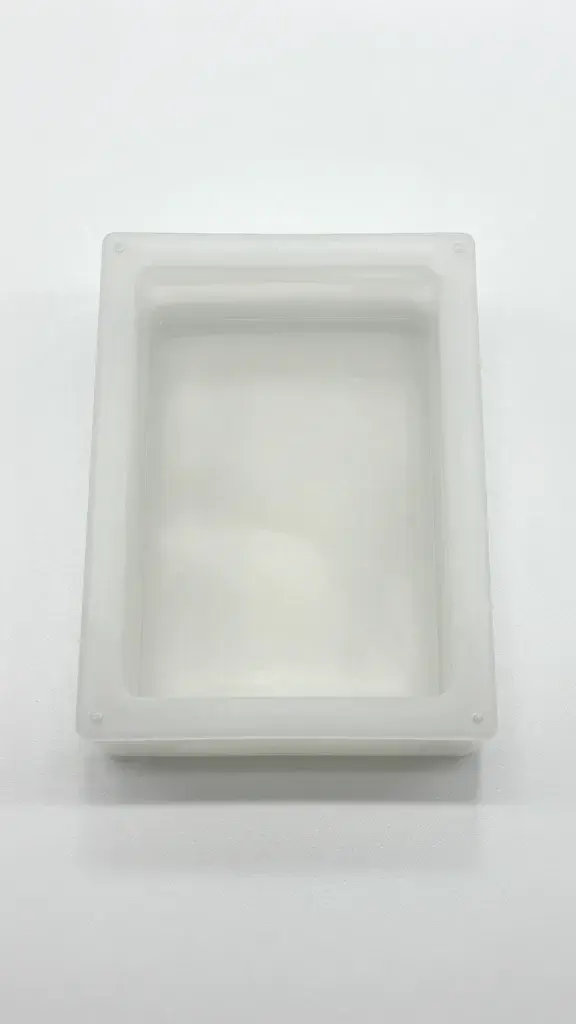
Okay, you’ve mixed your resin carefully, but you still see bubbles. Don’t panic. You’ve got options.
The Heat Gun Method
A heat gun is your best friend for surface bubbles. Hold it about 6-8 inches away from your resin and move it constantly in sweeping motions. The heat thins the surface tension, letting bubbles pop and escape. Don’t hover in one spot or you’ll create heat damage or even burn your resin.
Quick passes work better than long exposure. Think of it like you’re a resin whisperer, gently coaxing those bubbles to freedom.
The Torch Technique
Many artists prefer a butane torch over a heat gun. It works faster and gives you more control. Same rules apply though: keep moving, don’t linger, and maintain a safe distance. A quick pass should pop surface bubbles instantly.
Be warned: torches can scorch certain colorants and additives. Test on a small project first if you’re using anything fancy.
The Pressure Pot Solution
For serious bubble elimination, nothing beats a pressure pot. These devices use air pressure to compress bubbles down to microscopic, invisible sizes. They’re pricey (usually $100+), but if you’re doing this regularly, they’re worth every penny.
FYI, you’ll need an air compressor to run most pressure pots. It’s an investment, but bubble-free resin every single time? Pretty tempting.
Pouring Strategies That Minimize Bubble Formation
How you pour matters almost as much as how you mix. Pour from a low height to minimize air incorporation. That satisfying high pour you see in satisfying videos? Great for content, terrible for bubble-free resin.
Pour slowly and in a thin stream. Let the resin flow naturally into your mold rather than dumping it all at once. If you’re doing layers, a wooden stick or toothpick helps guide the resin into corners without creating air pockets.
For deep pours, consider using a deep pour epoxy formula specifically designed for thicker applications. Regular resin can overheat in thick pours, creating bubbles from the inside out.
Letting Time Do the Heavy Lifting
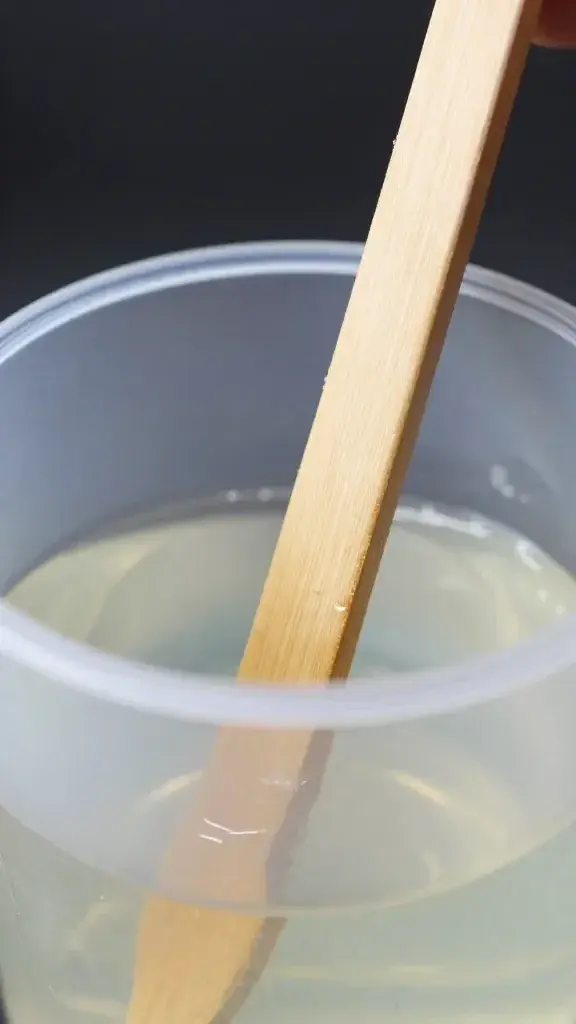
Sometimes the best technique is patience. After pouring, let your piece sit undisturbed for 10-15 minutes. Many bubbles will naturally rise to the surface during this time, where you can hit them with a heat gun or torch.
During this waiting period, resist the urge to keep messing with your piece. Every time you move it, you risk introducing new bubbles or preventing existing ones from escaping. Just let it be.
Some artists cover their work with a dust cover during this phase—just make sure it doesn’t touch the resin surface. You’ve come this far; don’t let a random hair or dust particle ruin your bubble-free masterpiece.
Frequently Asked Questions
Can I use a hairdryer instead of a heat gun?
You can, but it’s not ideal. Most hairdryers blow too much air, which can actually push dust and debris onto your wet resin surface. They also don’t get hot enough to be truly effective at popping stubborn bubbles. If it’s your only option, use the highest heat setting and keep it moving constantly. IMO, invest in a cheap heat gun—they’re like $20 and make a huge difference.
Why do bubbles keep appearing even after I’ve torched the surface?
Those sneaky bubbles are probably coming from your mold or inclusions. Porous materials like wood or dried flowers trap air that slowly releases into your resin over time. Seal porous items with a thin coat of resin first and let it cure before doing your main pour. For molds, a light mist of rubbing alcohol can help reduce surface bubbles.
Do additives like mica powder or alcohol ink make bubbles worse?
Absolutely. Additives increase viscosity and can trap air. Mix your colorants thoroughly but gently, and give colored resin extra time to de-gas before pouring. Some artists add their colors to the resin before adding hardener, then let it sit for a few minutes to let bubbles escape before completing the mix.
How long should I wait between pouring layers to avoid bubbles?
Wait until your previous layer reaches the tacky stage—firm enough to support the next layer but still sticky to the touch. This usually takes 4-8 hours depending on your resin. Pouring too early can cause layers to mix, and pouring too late can trap bubbles at the interface between layers.
Will a vacuum chamber eliminate all bubbles?
Vacuum chambers pull air out of resin through negative pressure, and they work incredibly well for deep bubbles. However, they can cause thin pours to foam up and overflow. They’re best for casting applications rather than coating projects. Pressure pots are more versatile for most resin artists.
Can I fix bubbles after the resin has cured?
Once cured, bubbles are permanent features of your piece. You can sand and apply a fresh coat of resin to create a bubble-free surface layer, but internal bubbles stay put. This is why prevention matters so much—there’s no going back once everything hardens.
Wrapping It All Up
Creating bubble-free resin isn’t magic, but it does require attention to detail and a bit of patience. Warm your resin, mix slowly and thoroughly, use the right tools, and don’t skip the de-bubbling step. Every resin artist deals with bubbles at some point—even the pros get caught off guard sometimes.
The good news? The more you practice these techniques, the more natural they become. You’ll develop a feel for your specific resin brand and workspace conditions. Before you know it, you’ll be turning out crystal-clear pieces that make other artists ask for your secrets. And now you’ve got them.