How to Make Paper Roses Step by Step: Easy Tutorial for Beginners

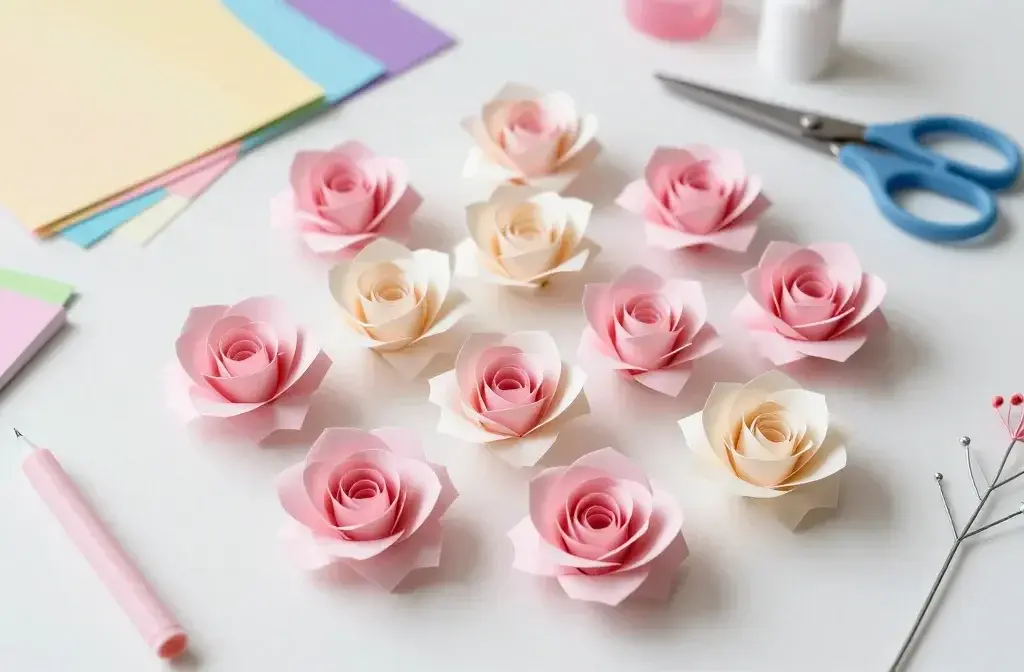
Ever scrolled through Pinterest and wondered how people create those gorgeous paper roses that look almost real? Good news: you don’t need a degree in origami or some secret crafting gene to make them. With a few basic materials and a little patience, you’ll be churning out beautiful paper blooms that’ll make your friends ask, “Wait, you made that?”
What You’ll Need to Get Started
Before we dive in, let’s talk supplies. The beauty of paper roses is that you probably already have most of what you need lying around your house.
Here’s your shopping list:
- Colored paper (cardstock works best, but regular printer paper or crepe paper also does the job)
- Scissors (the sharper, the better)
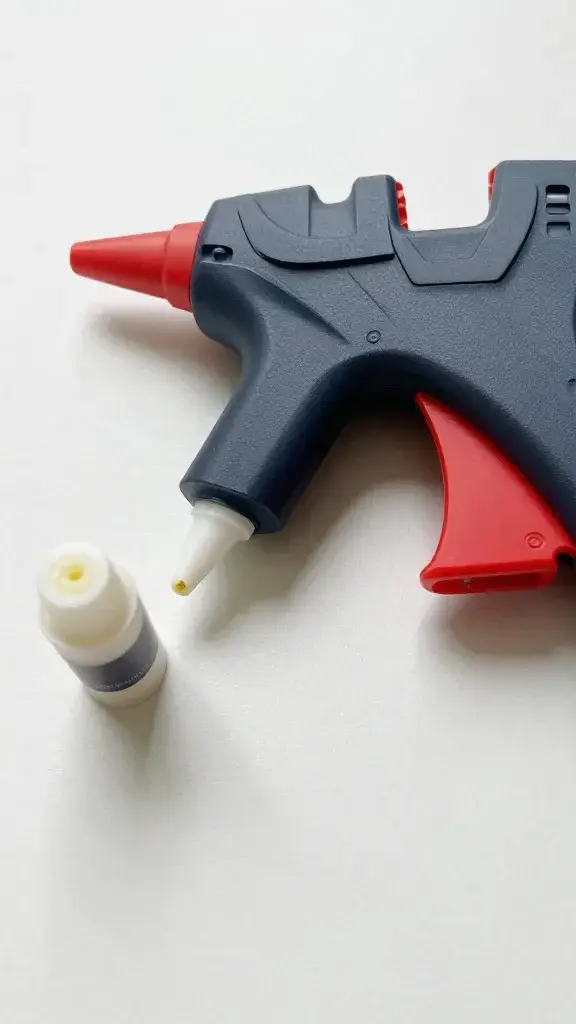
- Glue (hot glue gun, craft glue, or even a glue stick will work)
- Pencil for tracing
- Wire or a stick for the stem (optional but recommended)
- Green tape or paper for leaves and covering the stem
You can get fancy with specialty papers later, but honestly? Start simple. I’ve made stunning roses with regular copy paper that I painted myself. Don’t let the supply list intimidate you.
Choosing the Right Paper for Your Roses
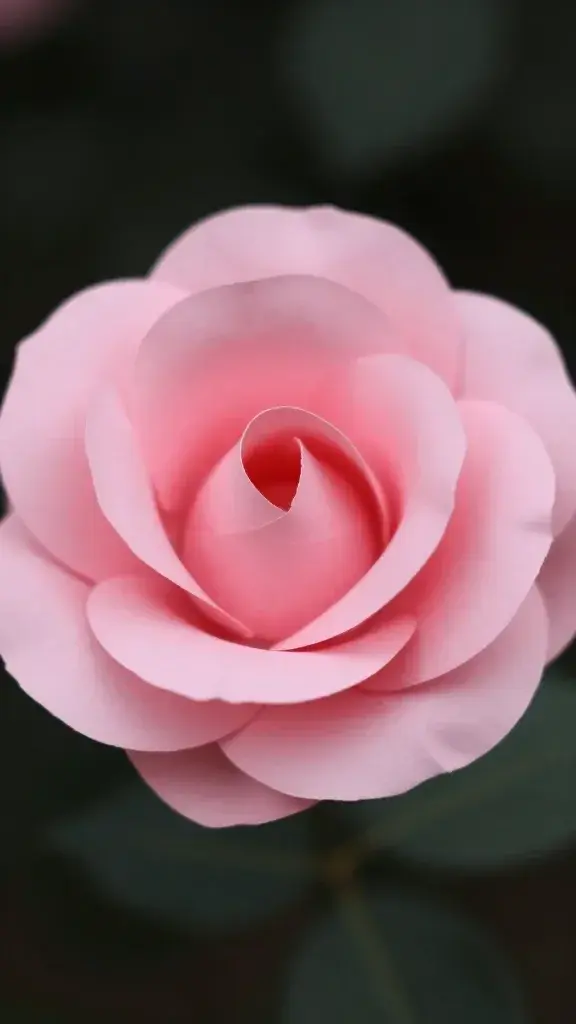
Not all paper is created equal when it comes to flower crafting. The type you choose will affect how your roses look and how easy they are to work with.
Cardstock is your best friend here. It holds its shape beautifully and gives you those crisp, defined petals. Go for something in the 65-80 lb range—thick enough to stand up on its own but not so thick you can’t shape it.
Crepe paper creates incredibly realistic roses because you can stretch and manipulate it to mimic real petal texture. The downside? It’s more delicate and tears easily if you’re not careful.
Regular printer paper works fine if you’re just practicing or making roses for a one-time event. Just know they’ll be a bit floppier and less durable than their cardstock cousins.
Creating Your Petal Template
Here’s where the magic starts. You’ll need to create petal shapes in different sizes to build a realistic-looking rose.
Draw a simple teardrop or heart shape on your paper—nothing fancy. For a full rose, you’ll want three different sizes: small (about 1 inch), medium (1.5 inches), and large (2 inches). These measurements aren’t set in stone, so adjust based on how big you want your final rose.
Pro tip: Create one template for each size out of cardstock or cardboard. You’ll use these over and over, and trust me, you don’t want to freehand draw 20+ petals every time you make a rose.
How Many Petals Do You Actually Need?
For a nice, full rose, aim for about 15-20 petals total. Break it down like this:
- 4-5 small petals for the center
- 6-7 medium petals for the middle
- 6-8 large petals for the outer layers
Feel free to adjust these numbers based on how full you want your rose to look. More petals = fuller rose, but also more time and materials.
Shaping Your Petals Like a Pro
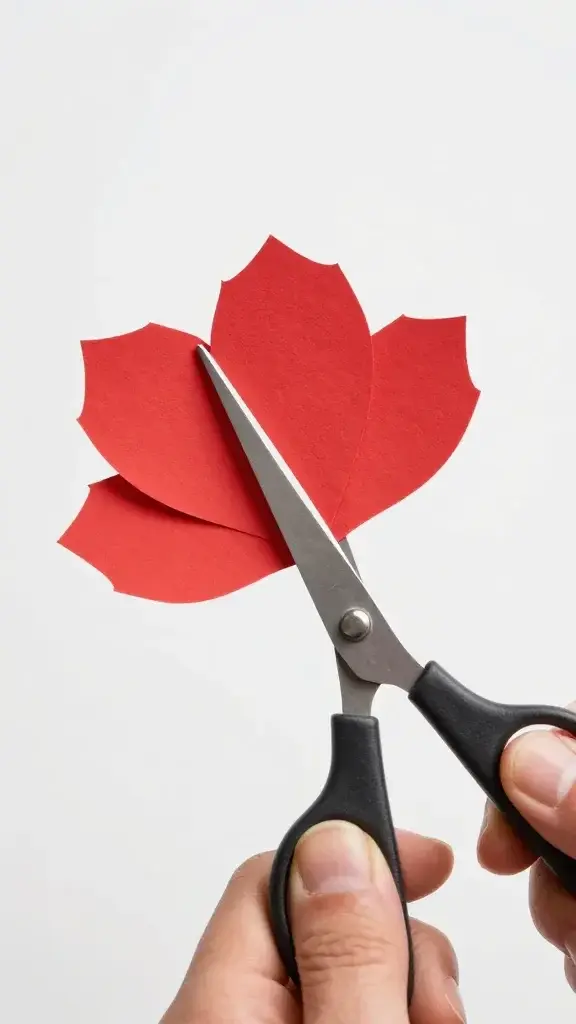
This step separates the “meh” paper roses from the “wow, did you buy that?” ones. Flat petals look, well, flat. We want dimension!
Take each petal and curl the top edge backward around a pencil or pen. Hold it for a few seconds, then release. The petal should now have a gentle curve at the top, just like real rose petals.
For extra realism, gently cup the middle of each petal by pressing your thumb into the center while supporting the back with your fingers. You’re basically giving each petal a little belly. Sounds weird, but it works.
The Pencil Roll Technique
Here’s another shaping trick that’ll level up your roses instantly. Take a pencil and tightly roll the sides of each petal around it, leaving the center relatively flat. When you unroll it, you’ll get these beautiful curved edges that catch the light gorgeously.
Don’t stress about making every petal identical. Real roses have variation, and yours should too!
Assembling Your Rose Step by Step
Time to put this baby together. This is where your rose actually starts looking like a rose, which is honestly the most satisfying part.
Start with your stem (wire or stick). Take your smallest petal and wrap it tightly around the top of the stem, securing it with glue at the base. This creates your rose center—keep it tight!
Add your remaining small petals one at a time, overlapping each slightly. You’re building in a spiral pattern, always wrapping in the same direction. Each petal should cover about half of the previous one.
Building the Outer Layers
Once you’ve attached all your small petals, move to the medium ones. Here’s where you start loosening up a bit—these petals should wrap more openly around the center. Continue that spiral pattern, though.
The large petals go on last, and these should be the most open of all. Position them so they look like they’re just starting to unfurl. FYI, this is where you can really get creative with positioning to give your rose personality.
Adding Finishing Touches
Your rose is basically done, but let’s make it chef’s kiss perfect.
Wrap your stem with green floral tape or cut thin strips of green paper and wrap them around, securing with glue. This covers any messy glue spots at the base and makes your rose look polished.
Want to add leaves? Cut leaf shapes from green paper, add some vein details with a pen or by folding, and glue them to your stem. Two or three leaves is plenty—you don’t want to overdo it.
For extra dimension, consider adding a calyx (that’s the green leafy bit right under the flower). Cut a star shape from green paper and glue it where the petals meet the stem.
Common Mistakes and How to Avoid Them
Let’s talk about what usually goes wrong so you can dodge these pitfalls.
Using too much glue is mistake number one. You need way less than you think. A tiny dab on the petal base is enough. Too much glue creates visible mess and makes your rose look amateur.
Rushing the shaping process will haunt you. Those flat, uncurled petals? Dead giveaway of a rushed job. Take your time curling and cupping each petal. Yes, all of them.
Making petals too big or too small throws off the whole proportion. If your rose looks weird and you can’t figure out why, check your petal sizes. They should increase gradually, not jump from tiny to enormous.
Frequently Asked Questions
How long does it take to make one paper rose?
Once you get the hang of it, about 20-30 minutes per rose. Your first one might take closer to an hour because you’re learning, and that’s totally normal. By your third or fourth rose, you’ll have a rhythm going and can pump them out much faster.
Can I use tissue paper to make roses?
Absolutely! Tissue paper creates soft, delicate-looking roses. The technique is slightly different—you’ll typically stack and scrunch tissue paper rather than building individual petals. It’s actually easier than the cardstock method, but the results look more whimsical than realistic.
How do I make my paper roses last longer?
Keep them out of direct sunlight to prevent fading, and don’t put them anywhere humid (bathroom, kitchen). If you want them really protected, give them a light spray with a clear acrylic sealer. They’ll last for years if you treat them right—way longer than real roses, IMO.
Can I make different types of flowers with this technique?
Definitely! Once you master the basic rose, you can adapt the technique for peonies, ranunculus, and other layered flowers. Just change up your petal shapes and how tightly you wrap them. Peonies use more rounded petals with ruffled edges, for example.
What’s the best glue for paper roses?
Hot glue works fastest and holds strongest, but you have to work quickly before it sets. Craft glue (like Tacky Glue) gives you more working time and creates a cleaner finish, but you’ll need to hold petals in place longer. For beginners, I’d recommend craft glue—you can fix mistakes more easily.
How can I make giant paper roses?
Scale everything up! Use poster board instead of cardstock, make your petal templates much larger (think 6-10 inches), and use a thicker wire or even a wooden dowel for the stem. The technique stays the same, just bigger. Giant roses make incredible photo backdrops, by the way.
Wrapping Up Your Paper Rose Journey
Making paper roses is one of those crafts that looks intimidating but becomes almost meditative once you get into it. Your first rose might look a little wonky—mine definitely did—but your tenth one will be gorgeous.
The best part? You can customize everything. Change colors, add glitter, make them huge or tiny, create whole bouquets that never die. They’re perfect for weddings, home decor, gifts, or just keeping your hands busy while binge-watching Netflix.
So grab some paper and scissors, and just start. You’ll mess up a few petals, probably use too much glue at least once, and definitely wonder why yours doesn’t look exactly like the Pinterest photo. But keep going. By the time you finish your first rose, you’ll already be planning the next one in a different color.