
Resin Art Safety: What Every Beginner Must Know Before Starting

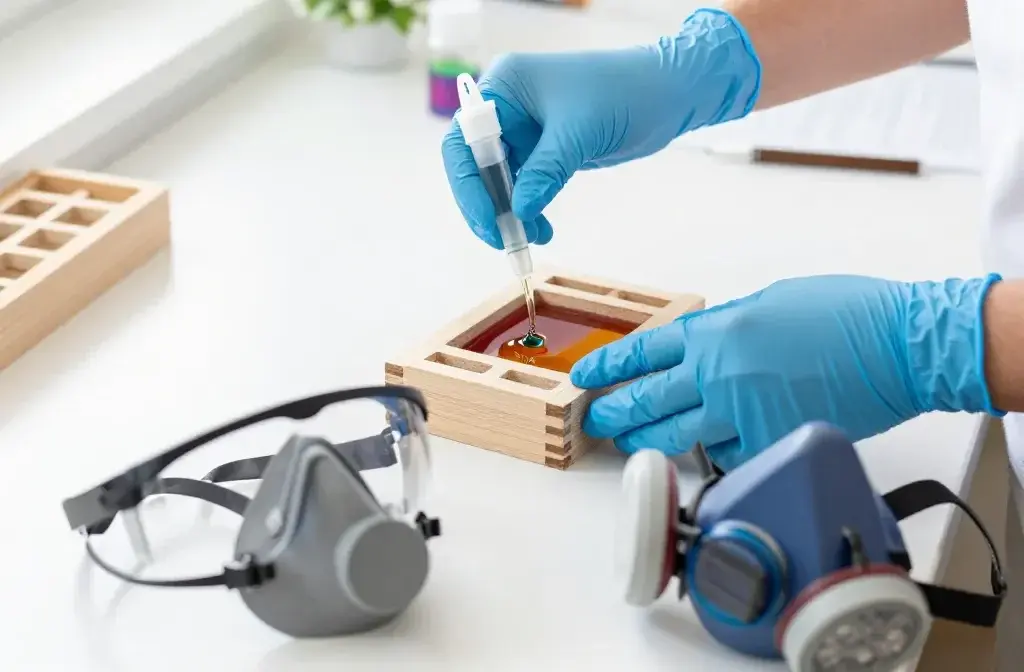
Think resin art is all glossy coasters and gorgeous river tables? Well, it is – but only if you don’t accidentally harm yourself in the process.
The truth is, resin can be seriously hazardous if you skip the safety basics. We’re talking skin reactions, breathing problems, and workspace nightmares you definitely don’t want to deal with.
Before you pour your first project, let’s talk about the five safety essentials that’ll keep you creating beautiful art without any scary side effects.
1. Suit Up Like You’re Entering a Science Lab
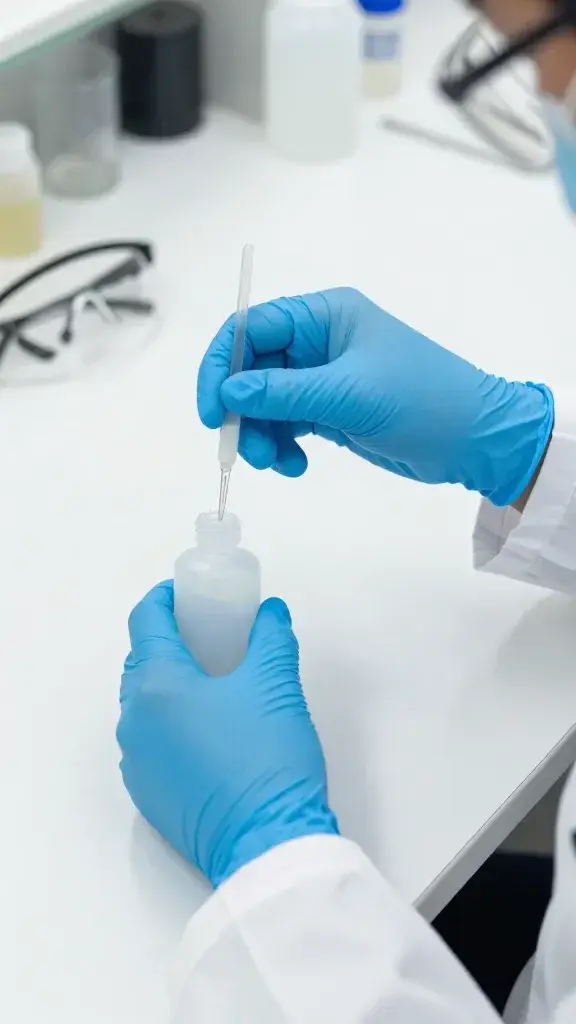
Here’s the deal: resin isn’t something you want touching your skin, ever. Those gorgeous Instagram resin artists? They’re wearing protective gear even when you can’t see it in their photos.
You need to treat uncured resin like the chemical it actually is. Even “non-toxic” formulas can cause serious skin sensitization, which means you could develop an allergy that makes future resin work impossible.
Essential Protective Gear:
- Nitrile gloves (not latex – resin eats through those)
- Long sleeves and pants you don’t mind getting messy
- Safety glasses or a face shield
- Closed-toe shoes (trust me on this one)
Think this sounds like overkill? Talk to someone who developed a resin allergy and can never work with it again. Protection is worth the minor inconvenience.
2. Breathe Easy With Proper Ventilation
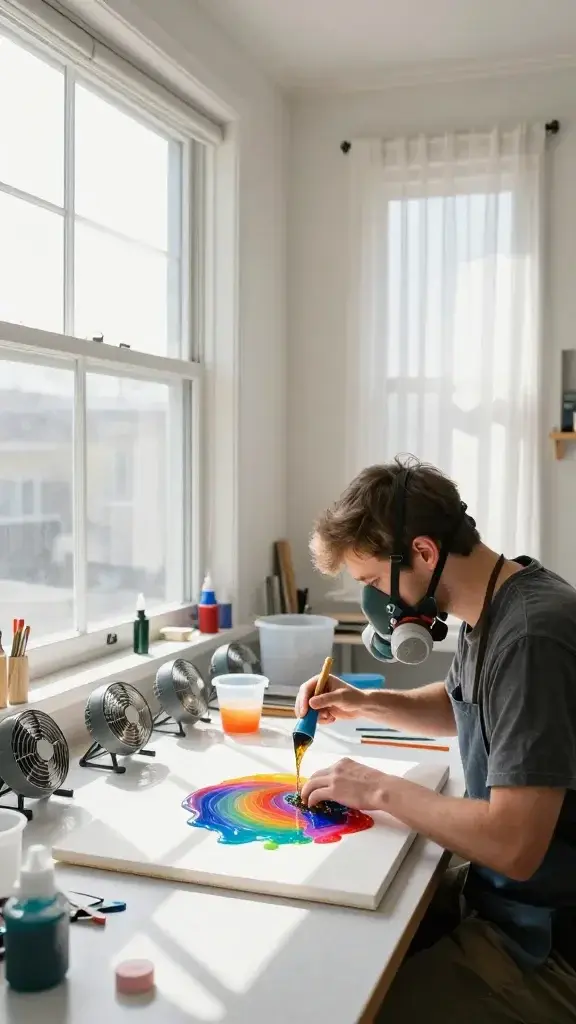
Okay, real talk: those fumes you smell when mixing resin? Yeah, you really don’t want those in your lungs. Ventilation is absolutely non-negotiable, no matter what your workspace looks like.
Even low-odor resins release volatile organic compounds (VOCs) that can cause headaches, dizziness, and long-term respiratory issues. Your nose getting used to the smell doesn’t mean the fumes disappeared – it means you’re getting overexposed.
Ventilation Options:
- Work near open windows with cross-breeze
- Use fans to push fumes away from your face
- Set up in a garage with the door open
- Invest in a proper respirator with organic vapor cartridges for indoor work
And FYI, those cheap dust masks from the hardware store? Completely useless against chemical fumes. Save your money or invest in a real respirator.
3. Create a Dedicated Disaster-Proof Workspace
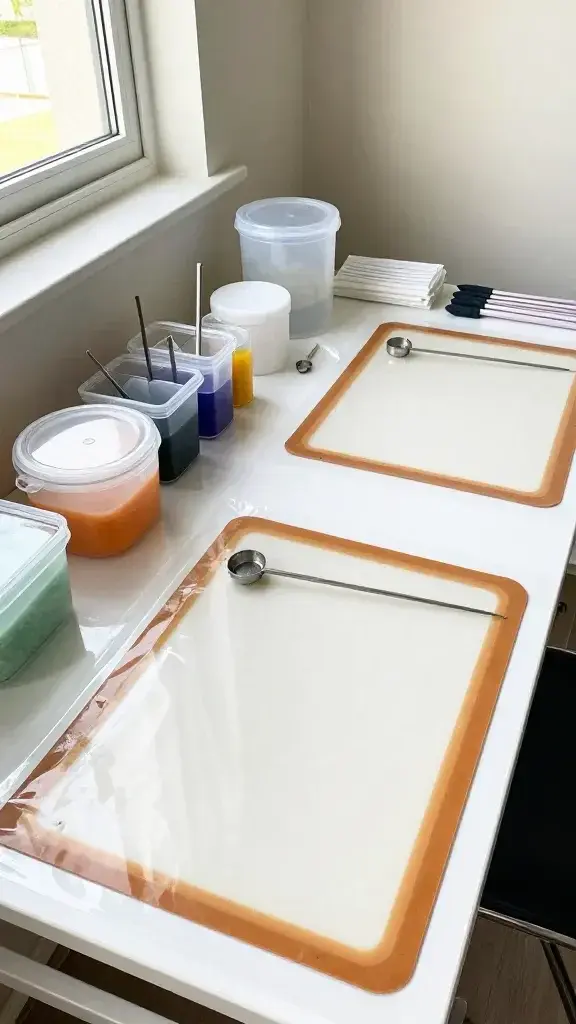
Here’s what nobody tells you: resin gets everywhere. Seriously, it’s like glitter’s evil chemical cousin.
You need a designated workspace that’s protected, organized, and far away from anything you care about. That fancy dining room table? Not the place to experiment with sticky chemicals that cure permanently.
Cover your work surface with plastic sheeting, silicone mats, or disposable materials. Keep your mixing supplies separate from kitchen items (never, ever use food containers for resin – cross-contamination is no joke).
Workspace Must-Haves:
- Protective covering for your entire work surface
- Paper towels and isopropyl alcohol for quick cleanups
- Dedicated measuring cups and stir sticks
- A level surface (uneven curing = sad, wonky projects)
Bonus tip: keep pets and kids far away from your workspace. Curious cats and sticky resin do not mix well.
4. Master the Mix Before You Mess Up
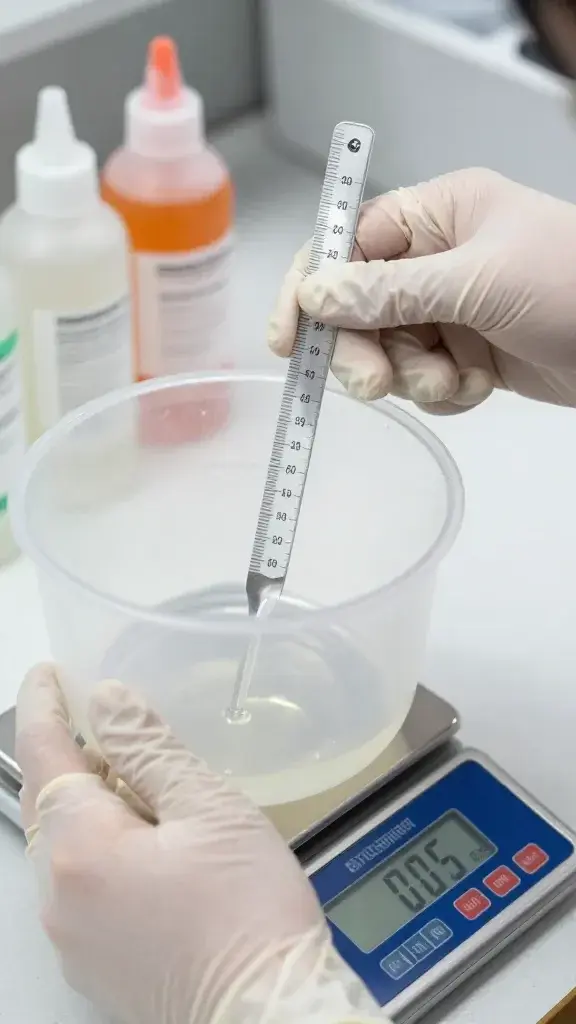
Improperly mixed resin isn’t just annoying – it’s actually a safety hazard. Sticky, uncured resin that never hardens means prolonged chemical exposure and a toxic mess.
Always follow your specific resin’s mixing ratios exactly. We’re talking precise measurements here, not eyeballing it like you’re making a smoothie. Too much hardener or too little creates chemical imbalances that affect curing.
Mix slowly and deliberately for the recommended time (usually 3-5 minutes). Rushing this step traps air bubbles and creates incomplete chemical reactions. Set a timer if you need to – your lungs will thank you when everything cures properly.
And seriously, read the manufacturer’s instructions like your safety depends on it. Because it kind of does.
5. Store and Dispose Like a Responsible Adult
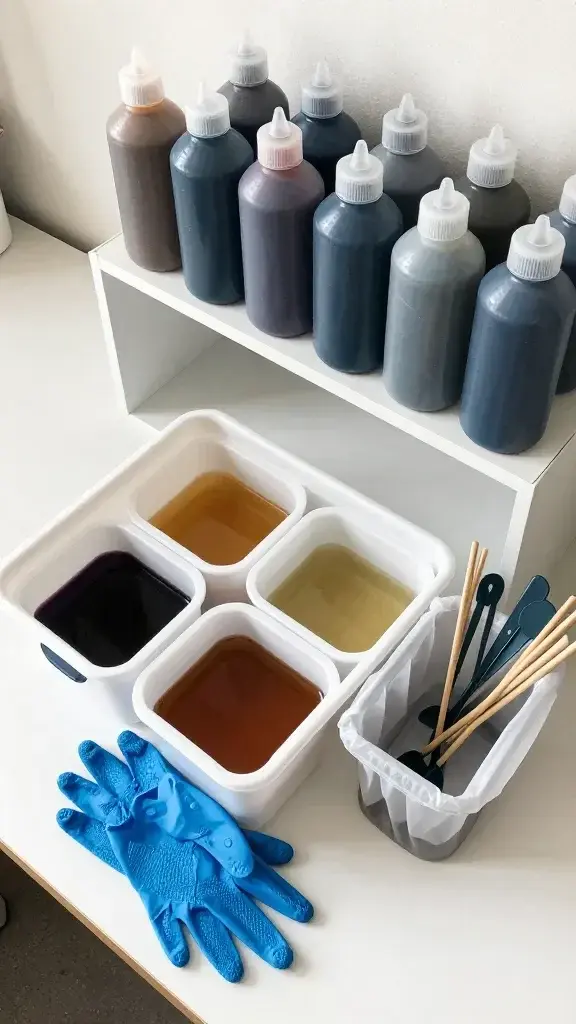
So you’ve finished your masterpiece – now what? Proper storage and disposal might be the least glamorous part of resin art, but it’s crucial for safety.
Store unmixed resin in a cool, dry place away from sunlight and heat sources. Keep containers tightly sealed and clearly labeled. Mixed but unused resin? Let it cure completely in a disposable container before throwing it away.
Disposal Guidelines:
- Never pour liquid resin down drains (environmental disaster waiting to happen)
- Cure waste resin fully before trash disposal
- Check local hazardous waste guidelines for larger quantities
- Dispose of contaminated gloves, stir sticks, and cups properly
Clean your tools immediately with isopropyl alcohol before resin cures on them. Once it hardens, those tools are basically done for. Prevention beats scraping crusty resin off your favorite mixing cup any day.
Ready to create stunning resin art safely? With these five essentials locked down, you can focus on the fun part – making gorgeous pieces without worrying about the scary stuff. Now grab your gear and start pouring (safely, of course)!