
Resin Art for Beginners: Complete Start-to-Finish Guide

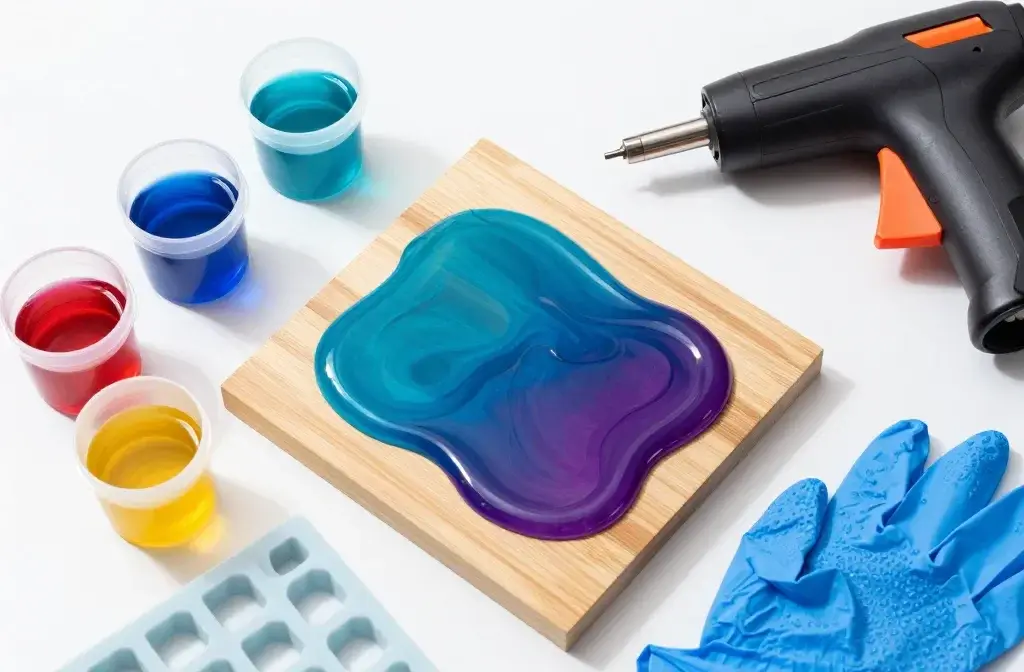
Ever scrolled through Instagram and wondered how people create those stunning glossy masterpieces that look like captured oceans or galaxy explosions?
Resin art isn’t just for professional artists anymore. With the right guidance, you can create jaw-dropping pieces that’ll have everyone convinced you’ve been doing this for years.
Ready to dive into the mesmerizing world of resin? Let’s turn you into a resin artist by the end of this guide.
1. Gather Your Essential Resin Arsenal
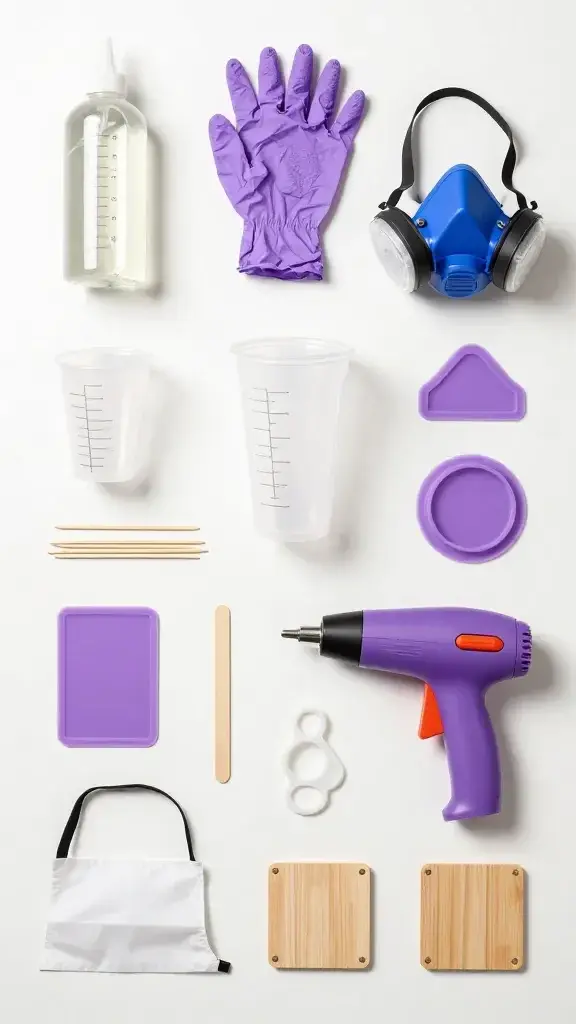
Before you start pouring anything, you need the right supplies. Trust me, skipping this step leads to frustrating disasters and wasted materials.
Must-Have Materials:
- Epoxy resin kit (look for beginner-friendly brands with clear mixing ratios)
- Silicone molds or surfaces (wood panels, canvases, or coasters)
- Mixing cups and stir sticks (disposable ones save cleanup headaches)
- Heat gun or torch (for popping those pesky bubbles)
- Protective gear (gloves, apron, and ventilation mask)
Start with smaller projects like coasters or keychains. You’ll learn the basics without committing to a massive canvas that costs serious money.
The beauty of resin art? You don’t need fancy art skills to create something gorgeous. The resin basically does the work for you once you understand the fundamentals.
2. Master the Mix (Because Ratios Actually Matter)
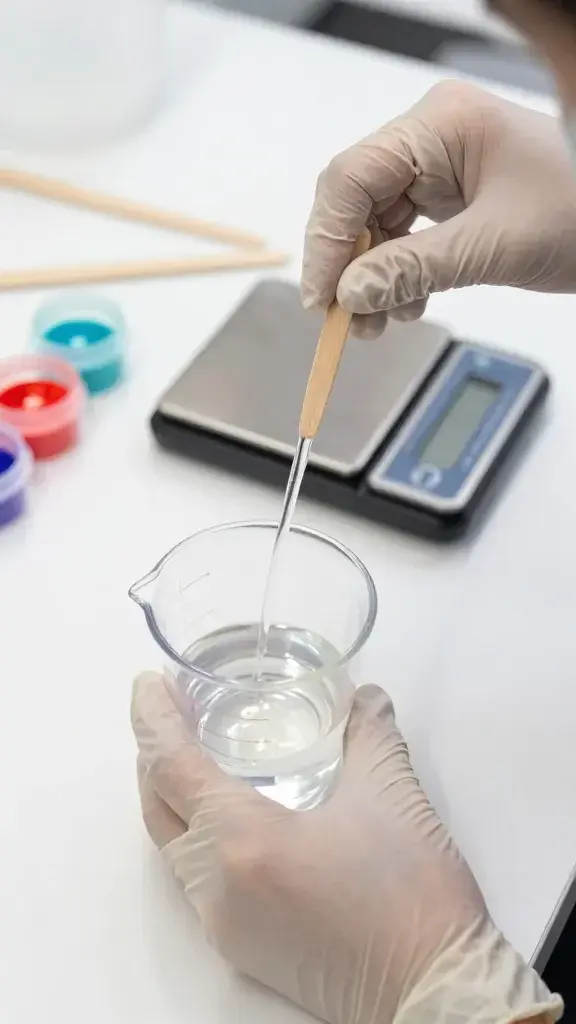
Here’s where beginners mess up most often. Mixing resin isn’t like cooking where you can eyeball ingredients and hope for the best.
Most epoxy resins use a 1:1 ratio of resin to hardener, but always check your specific product instructions. Seriously, read them twice. Getting this wrong means your piece won’t cure properly and you’ll end up with a sticky, expensive mistake.
Mixing Tips:
- Measure precisely using graduated cups or a digital scale
- Stir slowly for 3-5 minutes (yes, really that long)
- Scrape the sides and bottom while mixing
- Let the mixture sit for 2-3 minutes before pouring
The slow stir prevents creating tons of bubbles. You want a smooth, clear mixture that looks like honey. Any cloudiness means you need to keep stirring.
3. Create Your Design (The Fun Part Finally Begins)
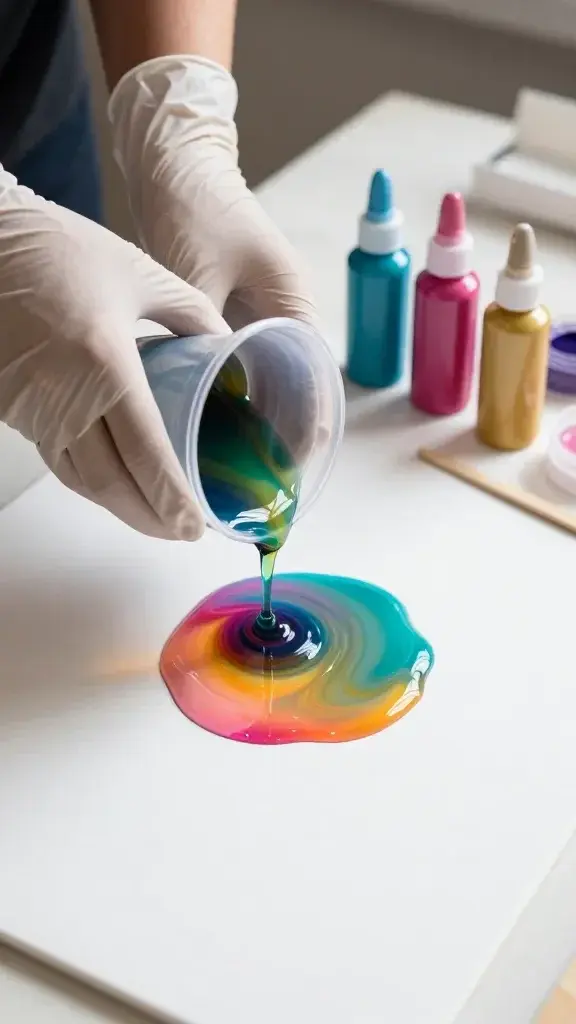
Now comes the creative magic! You can add alcohol inks, mica powders, or acrylic paints to create colors that’ll make your heart skip a beat.
Start with just two or three colors for your first project. Adding too many creates muddy browns instead of the vibrant designs you’re imagining. FYI, a little pigment goes a long way.
Popular Beginner Techniques:
- Dirty pour – Layer colors in one cup, then pour onto your surface
- Swirl technique – Pour colors separately and use a stick to create patterns
- Beach scene – Use white and blue tones with actual sand for texture
Don’t overthink it! Some of the most stunning pieces happen when you just let the resin flow naturally. The medium has a mind of its own, and that unpredictability creates unique results every single time.
4. Eliminate Bubbles Like Your Life Depends On It
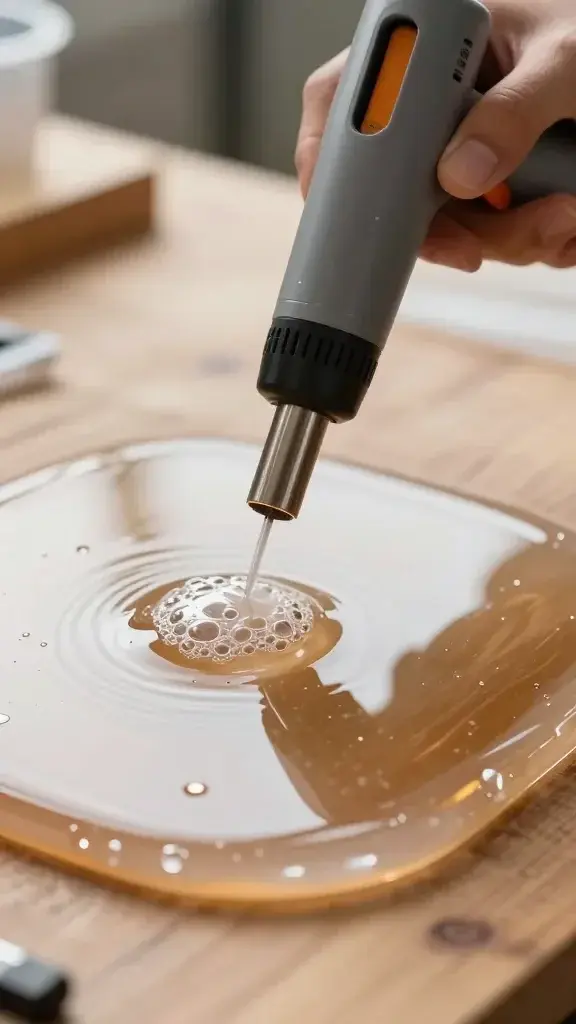
Those tiny air bubbles will haunt your masterpiece if you don’t deal with them. Luckily, getting rid of them is super satisfying.
After pouring your resin, grab your heat gun or kitchen torch and wave it gently over the surface. Watch those bubbles pop like magic! Keep the heat source moving and don’t hold it too close, or you’ll create new problems like burnt spots or crater-like dimples.
You might need to do this every 10-15 minutes during the first hour as new bubbles rise to the surface. It’s annoying but totally worth it for that glass-like finish.
Some artists also use isopropyl alcohol in a spray bottle as a gentler bubble-popping method. Both techniques work, so pick whichever feels more comfortable for you.
5. Cure, Cover, and Celebrate Your Creation
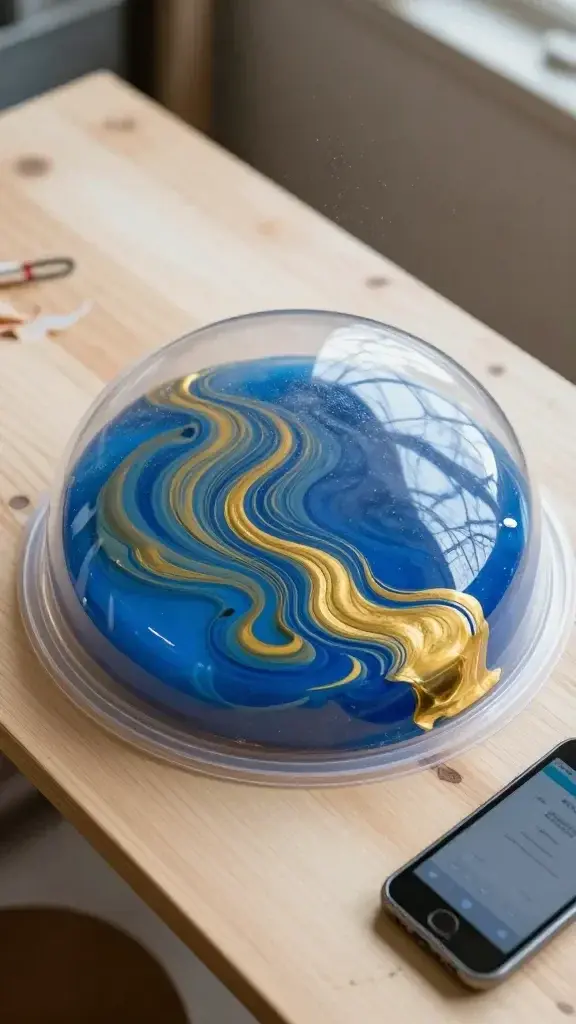
Patience isn’t just a virtue in resin art, it’s absolutely necessary. Most resins need 24-72 hours to fully cure, depending on temperature and humidity.
Cover your piece with a large cardboard box or plastic dome to protect it from dust, pet hair, and curious fingers. Don’t use anything that touches the surface directly, or you’ll have permanent imprints in your work.
During Curing:
- Keep your piece level (use a leveling app on your phone)
- Maintain room temperature between 70-80°F for best results
- Resist touching it even when it looks dry
Once fully cured, you can sand the edges, drill holes for jewelry, or add additional resin layers for depth. The possibilities expand exponentially once you nail these basics.
You’ve got everything you need to create your first resin masterpiece! Start small, embrace the learning curve, and remember that every “mistake” teaches you something valuable. Now go make something gorgeous and prepare for all the compliments heading your way.