
How to Make Candles With a Wood Wick (And Why They Crackle)

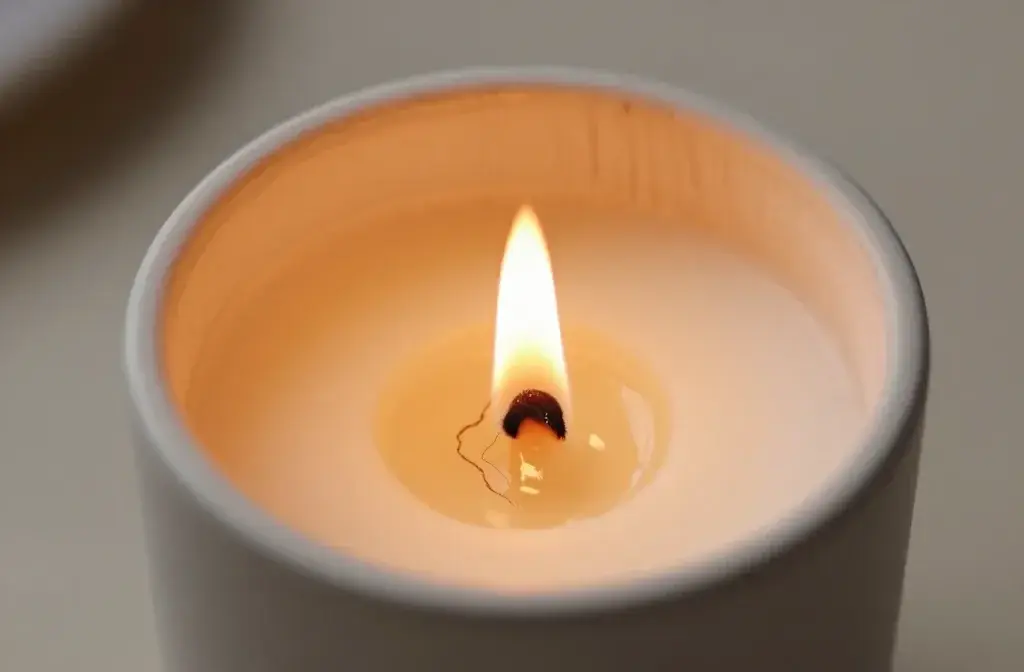
You know that satisfying crackle you hear when you light up a wood wick candle? That’s not just ambiance—that’s physics doing its thing. Wood wick candles have exploded in popularity lately, and for good reason: they look gorgeous, sound amazing, and honestly aren’t that much harder to make than regular candles. Let me walk you through exactly how to make one yourself.
Why Wood Wicks Crackle (The Cool Science Part)
Before we dive into the how-to, let’s talk about why these things sound like a tiny campfire. The crackling noise comes from the wood burning and releasing pockets of moisture and air trapped in the fibers. As the flame heats the wood, these pockets rapidly expand and burst, creating those satisfying little pops.
Think of it like popcorn, but way more zen. Different types of wood create different crackle intensities—some woods are quieter whispers while others sound like you’re sitting by a legitimate fireplace. The moisture content matters too, which is why you should never make your own wood wicks from random sticks in your backyard (unless you want disappointment or a fire hazard).
Gathering Your Supplies
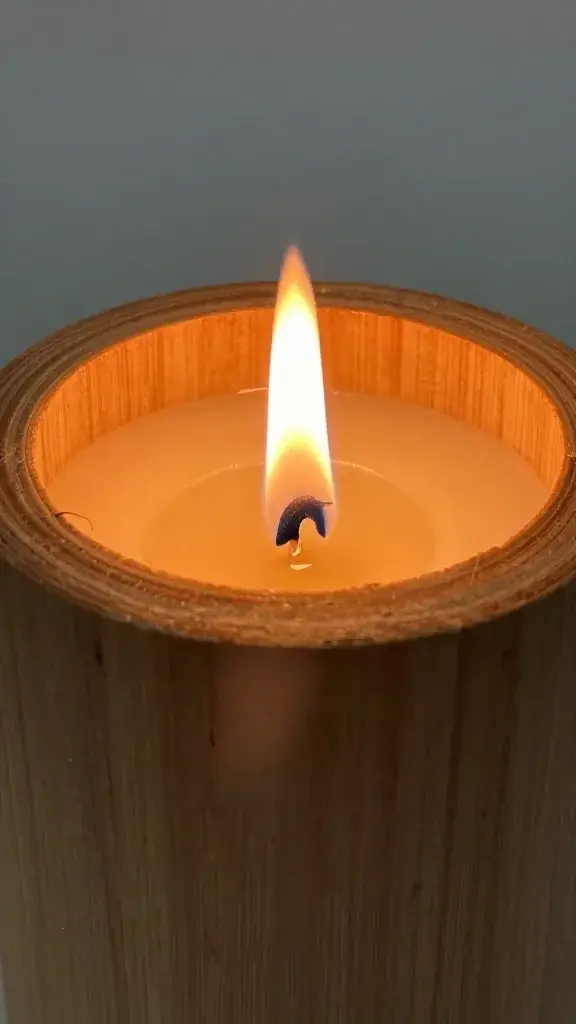
Here’s what you’ll need to get started. Don’t worry—most of this stuff is pretty easy to find online or at craft stores.
- Wood wicks (buy these pre-made unless you’re feeling extremely adventurous)
- Wick tabs or bases to hold the wicks upright
- Soy wax, beeswax, or paraffin wax (soy is easiest for beginners)
- Fragrance oils (optional, but recommended)
- Container (mason jars work great)
- Double boiler or a makeshift one (pot + heat-safe bowl)
- Thermometer
- Stirring utensil
- Hot glue gun or wick stickers
FYI, wood wicks come in different sizes and styles. Single-ply wicks work for smaller containers, while multi-ply or wider wicks suit larger candles. Check the manufacturer’s recommendations based on your container diameter.
Preparing Your Container and Wick
Clean your container thoroughly—any dust or residue can mess with how your candle burns. Dry it completely before moving forward.
Now for the wick placement, which is honestly the most annoying part of the whole process. You need to secure your wood wick to the bottom center of your container. Use a dab of hot glue on the wick tab, or grab some wick stickers if you want to be fancy.
The Centering Trick
Here’s where things get tricky. Wood wicks don’t stand up as easily as cotton wicks, so you’ll need to prop them up while the wax sets. I like using clothespins or chopsticks laid across the top of the container to hold the wick perfectly vertical. Some people use wick holders made specifically for this purpose, but honestly, chopsticks work just fine.
Melting and Pouring Your Wax
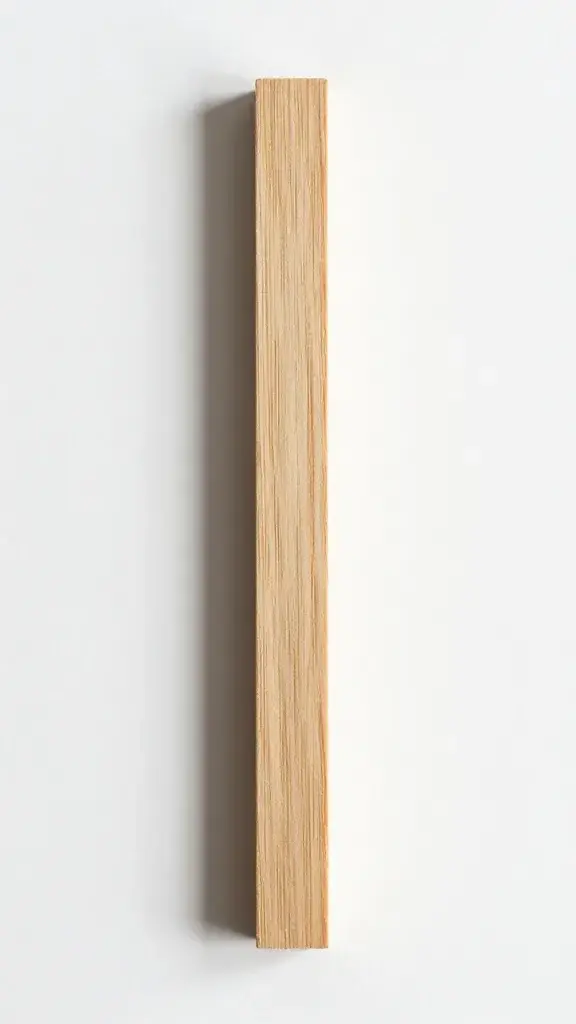
Time to get melting. Set up your double boiler and add your wax. Heat it slowly—rushing this step leads to uneven melting and potentially scorched wax that smells weird.
Keep an eye on your thermometer. For soy wax, you’ll want to heat it to about 170-180°F. If you’re adding fragrance oil, wait until the wax cools to around 160°F before stirring it in. Adding fragrance at the right temperature prevents it from evaporating and ensures it binds properly with the wax.
Pour slowly into your container, leaving about half an inch of space at the top. Try not to disturb your carefully centered wick (this is where you’ll test your patience). If you do knock it off-center, you can usually nudge it back while the wax is still liquid.
Dealing With Sinkholes
Sometimes the wax develops a little crater around the wick as it cools. This is totally normal and happens because wax contracts when it solidifies. You can either leave it (it won’t affect burning) or do a second pour to fill it in once the candle has fully set.
The Waiting Game
Let your candle cure for at least 24-48 hours before lighting it. I know, I know—waiting sucks when you want to see (and hear) your creation immediately. But trust me, patience pays off here. The wax needs time to fully harden and bond with the fragrance oils.
During this time, keep your candle away from drafts and temperature fluctuations. A cool, stable environment prevents cracking and frosting on the surface.
Wood Wick Pro Tips
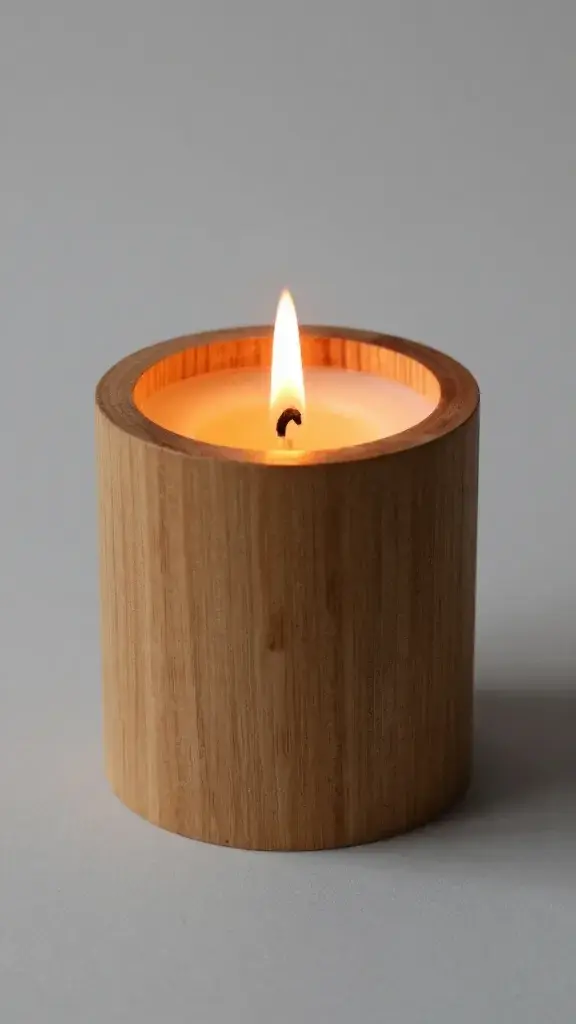
Now that you know the basics, let me drop some wisdom I’ve learned through trial and error (mostly error).
Trim your wick before each burn. Wood wicks need to stay around 1/8 to 3/16 inch tall. Too long, and you’ll get a huge flame and soot. Too short, and it might drown in the wax pool. A regular nail clipper works perfectly for this.
The first burn matters. When you light your candle for the first time, let it burn long enough to melt the wax all the way to the edges of the container. This usually takes 2-3 hours depending on size. Skip this step, and you’ll get tunneling—where the candle burns straight down the middle and wastes all that precious wax on the sides.
Wood wicks can be finicky about staying lit, especially on the first burn. If your wick keeps going out, it might be too long, the wax might be wrong for that wick size, or there could be too much fragrance oil in your blend. IMO, starting with a reputable wick supplier’s size recommendations prevents most of these headaches.
Frequently Asked Questions
Can I use actual wood from outside for wicks?
Technically yes, but I really don’t recommend it. Commercial wood wicks are specially processed to burn consistently and safely. Random twigs have unpredictable moisture content, might contain sap or resins that burn weird, and could have chemicals or bugs you don’t want in your candle. Just buy the proper wicks—they’re not expensive.
Why doesn’t my wood wick crackle much?
Could be a few reasons. You might have a naturally quieter wood type, the wick might be too small for your container, or your wax pool isn’t getting hot enough. Try a wider wick or a different wood wick brand. Some companies specifically market “extra crackle” wicks.
How much fragrance oil should I add?
Generally, stick to 6-10% fragrance oil by weight. So for 16 ounces of wax, you’d use about 1-1.6 ounces of fragrance. More isn’t better—too much fragrance can clog the wick and cause burning problems.
My candle is smoking a lot. What’s wrong?
Your wick is probably too long or too wide for your container size. Trim it down and see if that helps. Also make sure you’re burning your candle away from drafts, which can cause uneven burning and smoke.
Can I use wood wicks with all types of wax?
Wood wicks work with soy, paraffin, beeswax, and blends. However, each wax type burns differently and might need different wick sizes. Soy wax is the most forgiving for beginners and pairs beautifully with wood wicks.
How do I prevent my wood wick from drowning in wax?
Make sure you’re using the right wick size for your container diameter. Also, keep that wick trimmed short. If you’re still having issues, try a thicker or multi-ply wick that can handle more wax.
Final Thoughts
Making wood wick candles isn’t rocket science, but it does require a bit more attention to detail than standard cotton wick candles. The payoff? A gorgeous, crackling candle that makes your whole space feel cozy and looks way more impressive than it actually was to make.
Start with a small batch to get the hang of it. Once you nail the process, you can experiment with different wood wick styles, wax blends, and scent combinations. And honestly, even your “failures” will probably still burn just fine—they just might not crackle quite as dramatically as you hoped. Happy candle making!