How to Label and Package Candles for Gifting or Selling

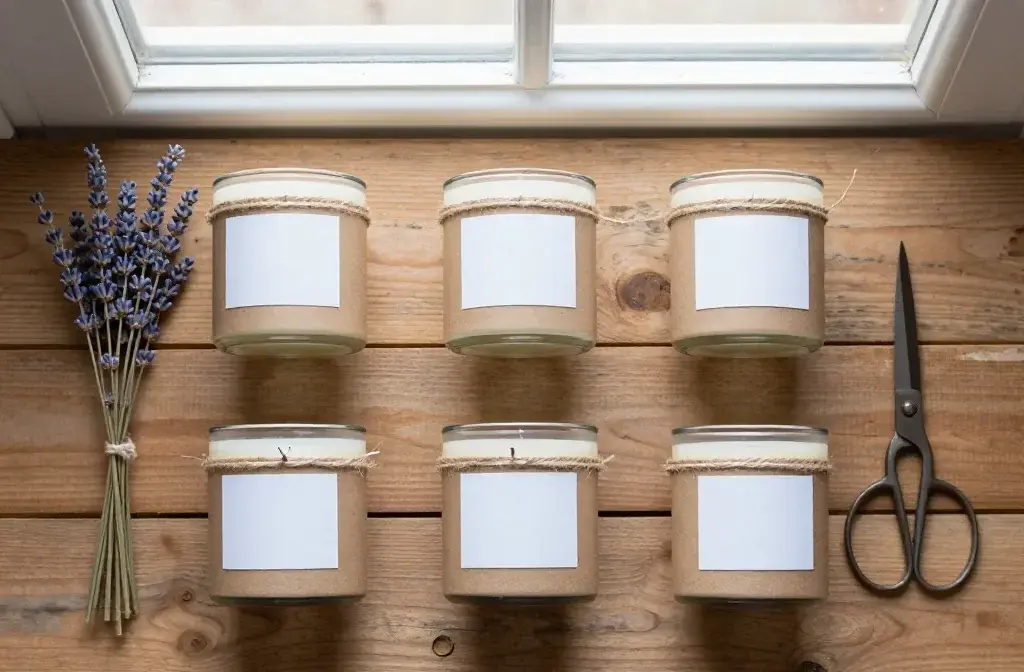
You’ve poured your heart (and probably way too much money) into crafting the perfect candles, but now they’re just sitting there looking naked and unloved. Whether you’re planning to sell them at your first craft fair or gift them to your suspiciously hard-to-shop-for mother-in-law, proper labeling and packaging transforms your candles from “homemade hobby project” to “I’d actually pay money for this.” Let’s dive into making your candles look as good as they smell.
Why Labels Actually Matter (And Not Just for Looking Pretty)
Look, we all judge books by their covers, and we definitely judge candles by their labels. A well-designed label tells customers you’re serious about your craft, even if you’re still making candles on your kitchen stove at midnight.
But here’s the thing – labels aren’t just about aesthetics. They’re also your legal shield. Most regions require you to include specific safety information, ingredients, and your business details on candle labels. Miss these requirements, and you could face fines or worse. Not exactly the entrepreneurial dream, right?
Plus, labels give you the chance to tell your story. Did you name your lavender candle “Midnight Garden” because it reminds you of your grandmother’s backyard? Tell people that! Customers connect with stories, and connection leads to sales.
The Essential Information Your Labels Need
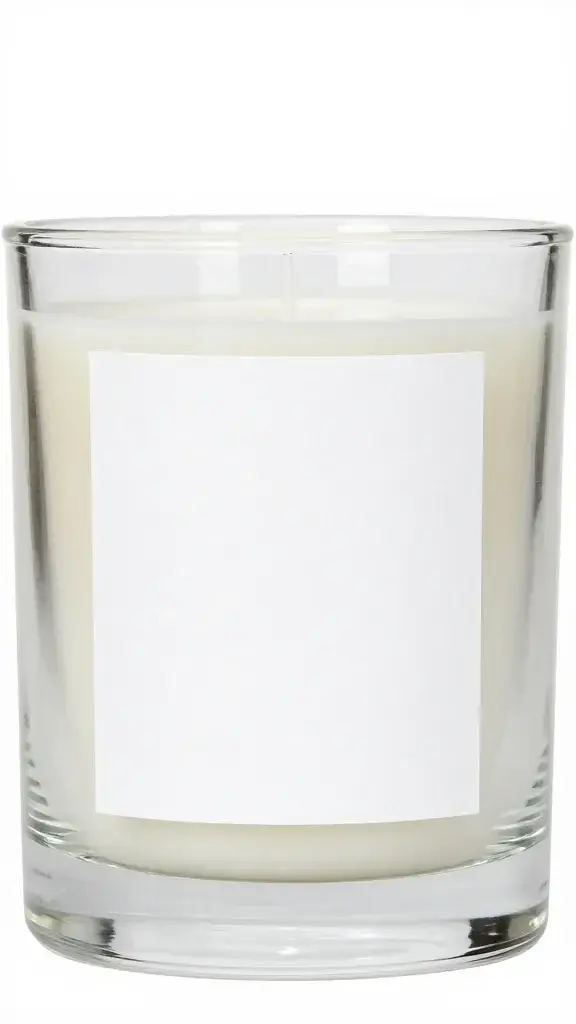
Before you get lost in font choices and color schemes, let’s talk about what legally needs to go on your candle labels. This stuff isn’t optional, folks.
Required Label Elements
Every candle label should include:
- Your business name and contact information (yes, even if you’re just starting out)
- Net weight of the candle in ounces and grams
- Clear warning labels about fire safety
- Burn instructions (because apparently people need to be told not to light the whole thing on fire)
- Ingredient list, especially important for people with allergies
Different countries and even states have varying requirements, so do your homework. The last thing you need is Karen from the farmer’s market reporting you to consumer protection because your label didn’t meet code.
Optional But Smart Additions
Beyond the legal must-haves, consider adding:
- Burn time estimates
- Fragrance descriptions that don’t sound like a wine sommelier wrote them
- Your social media handles (free marketing, baby)
- A small logo or brand mark
- A cute backstory about the scent
Choosing Your Label Style and Materials
Now for the fun part – making decisions that’ll keep you up at night! Just kidding. Kind of.
You’ve got three main options for label materials: paper, vinyl, or clear labels. Paper labels give you that rustic, handmade vibe and they’re usually the cheapest option. However, they don’t love moisture or oil, which can be problematic around candles.
Vinyl labels are the workhorses of the candle world. They’re waterproof, oil-resistant, and durable enough to survive your Aunt Linda’s overly enthusiastic handling. They cost more, but IMO, they’re worth it if you’re selling.
Clear labels create that minimalist, let-the-candle-speak-for-itself aesthetic. They work beautifully on colored wax where you want the candle itself to be the star of the show. Just make sure your text is readable against whatever color wax you’re using.
DIY vs. Professional Printing
Starting out? Home printing on label sheets works perfectly fine. You can grab Avery labels at any office supply store and design something decent in Canva (which is free, FYI).
But if you’re scaling up or want that extra polish, professional printing services like Sticker Mule or MOO deliver crisp, gorgeous labels that make your candles look seriously legit. The investment pays off when customers take you more seriously.
Packaging Options That Don’t Break the Bank
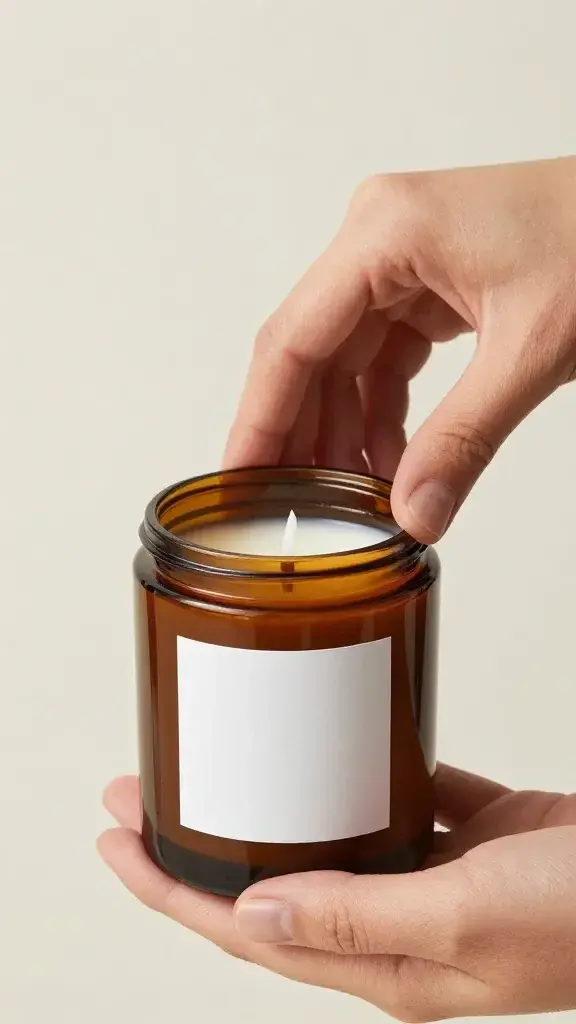
Your candle is labeled and looking sharp. Now let’s talk about wrapping it up without emptying your wallet.
Gift Packaging Ideas
For gifts, you want packaging that says “I put thought into this” without screaming “I spent three hours on Pinterest.” Simple works.
Try these budget-friendly options:
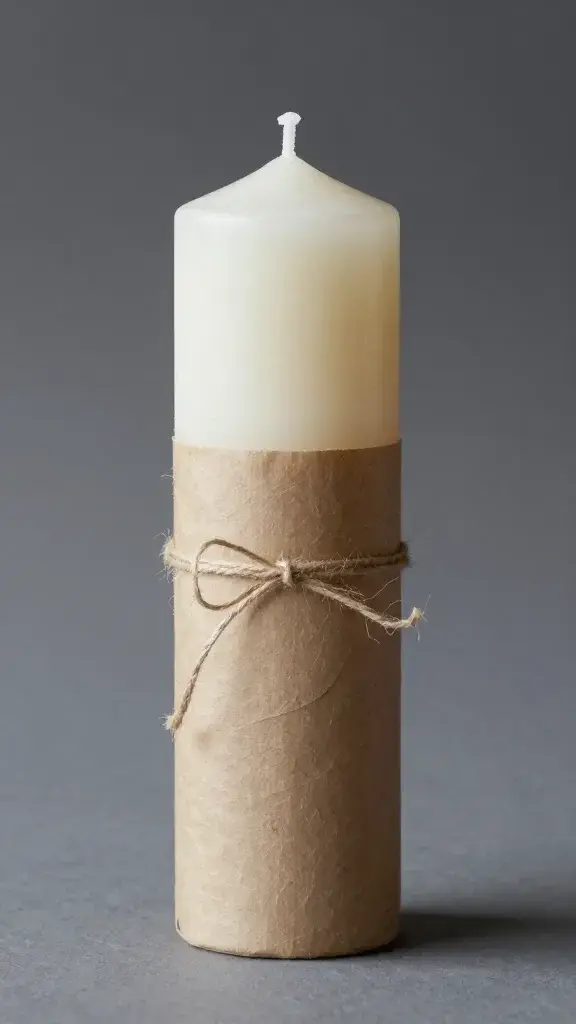
- Tissue paper tied with natural twine or ribbon
- Small kraft boxes with a window cutout (shows off your pretty candle)
- Organza bags for smaller candles
- Mason jars with fabric toppers secured with ribbon
- Simple white boxes with custom stickers sealing them shut
Add a small thank-you card or care instruction tag, and boom – you’ve got yourself a gift that looks way more expensive than it actually was.
Retail Packaging Essentials
Selling at markets or online? Your packaging needs to protect the candle during transport while still looking attractive on a shelf.
Sturdy boxes are non-negotiable for shipping. Wrap each candle in bubble wrap or tissue paper, and for the love of all that’s holy, actually test your packaging before sending it to customers. Drop it. Shake it. Let your cat knock it off the counter. If it survives, you’re good.
For in-person sales, consider packaging that lets customers smell the candle without opening it. Shrink wrap bands around the middle work great – they secure the lid while leaving the top exposed for sniff tests.
Design Tips That Actually Help You Stand Out
Here’s where personality comes in. Your label design should reflect your brand, but it also needs to be functional and readable.
Keep your fonts simple and legible. That gorgeous script font you found on Etsy? It might look pretty, but if customers can’t read your candle name from two feet away, it’s not doing its job. Stick to two fonts maximum – one for headlines, one for body text.
Color psychology matters more than you think. Earthy tones suggest natural ingredients. Bold colors pop on shelves. Pastels feel gentle and calming. Choose colors that align with both your scents and your brand personality.
White space is your friend. Don’t cram every square inch of your label with information. Give your design room to breathe. A cluttered label looks amateurish, while clean design looks professional.
Common Labeling Mistakes to Avoid
Let’s talk about what not to do, because we learn from mistakes (preferably other people’s).
Don’t use labels that aren’t heat-resistant. Candles get warm, and cheap stickers will peel, curl, or turn into a gummy mess. Test your labels on an actual burning candle before committing to 500 of them.
Don’t skip proofreading. Seriously. Triple-check everything. Nothing says “unprofessional” like a label that says “Lavander” instead of “Lavender.” Get a friend to proofread too – your brain automatically corrects errors you’ve looked at a dozen times.
Avoid making health claims you can’t back up. Saying your candle “promotes relaxation” through aromatherapy is fine. Claiming it “cures anxiety” will land you in hot water with regulatory agencies.
Don’t forget about the bottom of your candle. Put a label there with burning instructions and warnings. People actually read those (after they’ve already burned the candle incorrectly, but still).
Frequently Asked Questions
Can I use regular printer labels for my candles?
You can, but it’s not ideal for candles you’re selling. Regular printer labels often don’t hold up well to heat or oils. If you’re just making gifts for friends, go for it. For selling, invest in proper candle labels made from vinyl or waterproof materials. Your brand reputation will thank you.
Do I really need warning labels on homemade candles?
Absolutely yes. Even if you’re just gifting them, warning labels protect both you and the recipient. They’re legally required in most places for sold candles. Basic warnings should include never leaving a burning candle unattended, keeping away from children and pets, and burning on a heat-resistant surface. Better safe than sued.
What’s the best way to apply labels without bubbles?
Start from one edge and slowly press down while smoothing toward the other edge with a credit card or similar tool. Peel back the label as you go rather than removing all backing at once. For cylindrical candles, this technique prevents those annoying air bubbles. Pro tip: slightly warm labels make them more pliable and easier to apply smoothly.
How do I calculate the net weight for my label?
Weigh your finished candle, then weigh the container separately. Subtract the container weight from the total weight, and that’s your net wax weight. List it in both ounces and grams on your label. A simple kitchen scale works fine – you don’t need fancy equipment.
Should I include fragrance ingredients on my labels?
Yes, especially for people with allergies or sensitivities. You don’t need to list your exact fragrance formula (that’s your secret sauce), but you should note if it contains common allergens. Something like “Fragrance oil (contains essential oils of lavender and eucalyptus)” works perfectly.
Where can I get affordable custom packaging?
Start with places like Noissue, Packlane, or even Amazon for basic boxes and supplies. Order samples before committing to large quantities. Local print shops often offer competitive pricing for boxes and labels if you’re buying in bulk. For truly budget-friendly options, Uline offers plain packaging you can customize yourself with stickers or stamps.
Wrapping It All Up
Labeling and packaging your candles doesn’t have to be complicated or expensive. Start with the basics – legal information, durable materials, and clean design – then add your personal flair from there. Whether you’re wrapping up gifts for the holidays or launching your candle empire from your kitchen table, thoughtful presentation makes all the difference.
Remember, your packaging is often the first impression customers get of your brand. Make it count, but don’t let perfectionism paralyze you. Start simple, gather feedback, and improve as you go. Your first labels probably won’t be perfect, and that’s totally fine. Every successful candle maker started somewhere, probably with crooked labels and questionable font choices. You’ve got this!