
How to Make DIY Floating Shelves for Any Room

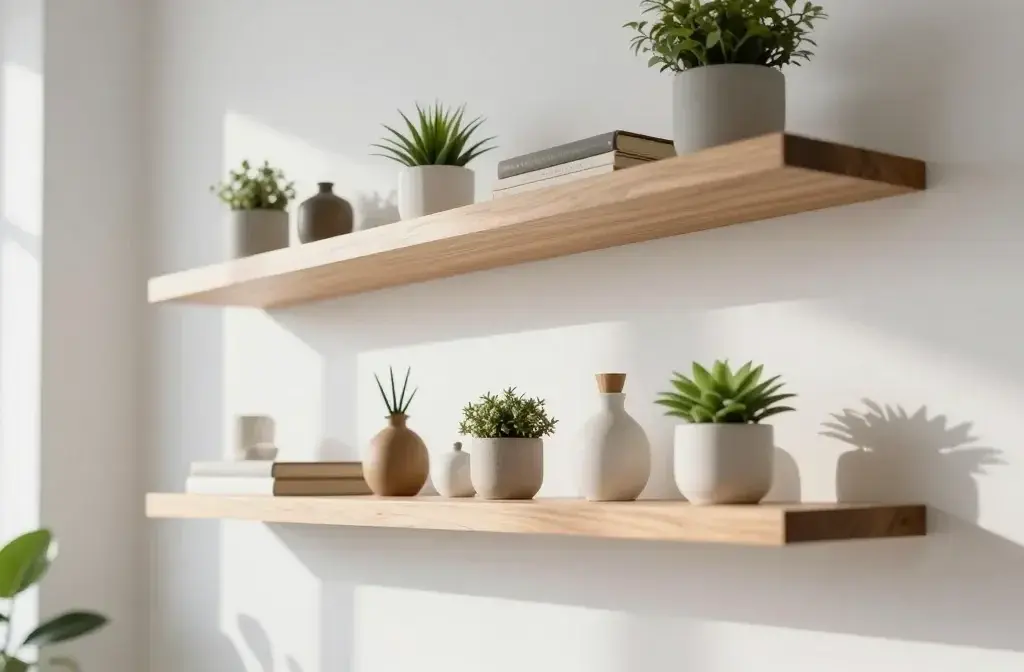
Floating shelves are one of those home upgrades that look way more expensive and complicated than they actually are. You know what I’m talking about—those sleek shelves that seem to magically hover on your wall with no visible brackets or supports. The good news? You can totally make these yourself without a degree in carpentry or sacrificing your entire weekend.
Why Floating Shelves Are Actually Worth the Effort
Let me be real with you: regular shelves with visible brackets get the job done. But floating shelves? They’re the difference between a room that looks fine and a room that looks like you hired an interior designer. They create clean lines, make spaces feel bigger, and give you major bragging rights when guests ask where you bought them.
Plus, they work literally anywhere. Kitchen, bathroom, living room, that awkward hallway you never knew what to do with—floating shelves are the Swiss Army knife of storage solutions. And unlike trendy décor that’ll look dated in two years, these babies are pretty timeless.
The best part? You control everything. The size, the finish, the placement—no settling for whatever’s available at the big box store. You’re creating something custom that actually fits your space and style.
Materials You’ll Actually Need
Before you start, let’s talk shopping list. The beauty of DIY floating shelves is that you don’t need fancy or expensive materials to get professional results.
The Wood Situation
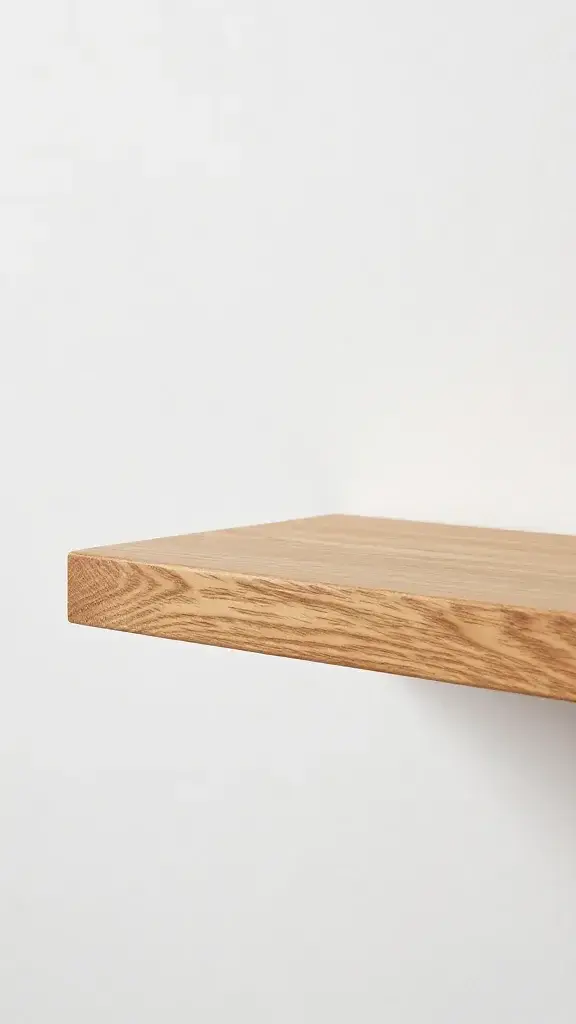
Your main shelf board is the star of the show. For a standard floating shelf, you’ll want something at least 1.5 inches thick to hide the mounting hardware properly. Pine works great if you’re on a budget, but hardwoods like oak or maple will give you that premium look and feel.
Here’s what you need for a basic shelf:
- One piece of wood for the shelf surface (your desired length and width)
- Two pieces of 2×2 lumber for the support structure
- One piece of plywood or thin boards for the back and bottom (optional but recommended for sturdiness)
- Wood glue—get the good stuff, not dollar store quality
- Screws (2.5 to 3 inches for wall mounting, 1.25 inches for assembly)
- Wall anchors if you’re not hitting studs
- Sandpaper (120 and 220 grit)
- Your choice of finish: stain, paint, or polyurethane
Finding Your Wall Studs (No, Really, Do This Part)
I cannot stress this enough: find your studs before you do anything else. Unless you want your beautiful new shelf crashing down at 2 AM with all your stuff, you need solid anchoring points.
Grab a stud finder from any hardware store—they’re like fifteen bucks and worth every penny. Studs are typically 16 or 24 inches apart, so once you find one, the others are easy to locate. Mark them with a pencil because you’ll be measuring and re-measuring like five times anyway.
If your desired shelf placement doesn’t line up with studs, you’ll need heavy-duty wall anchors rated for the weight you’re planning to hold. Don’t cheap out here. A shelf holding decorative feathers is one thing, but if you’re loading it with books or kitchen stuff, you need anchors that can handle 50+ pounds.
Building the Shelf Support Structure
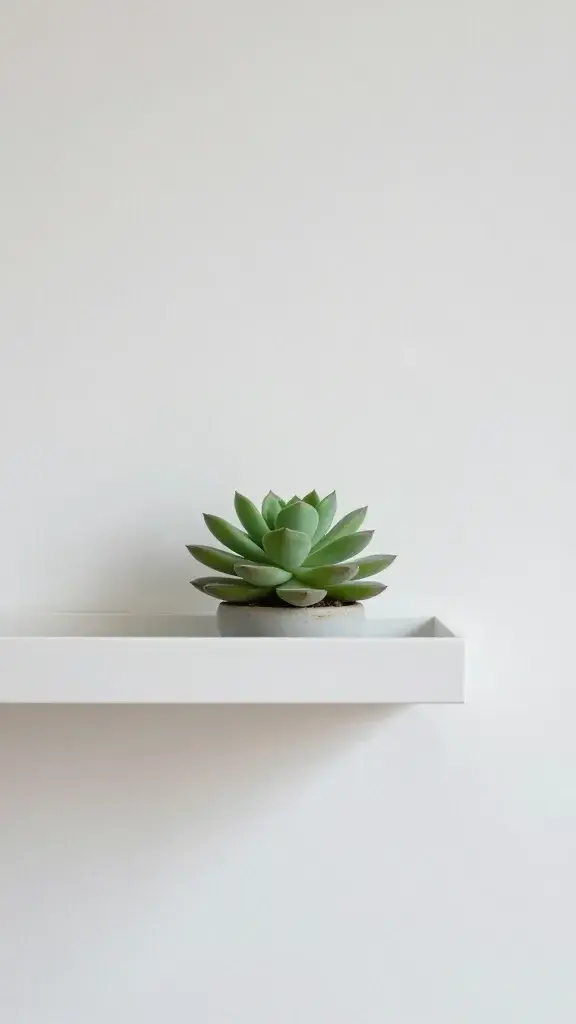
Here’s where things get real. The “floating” magic happens because you hide a support structure inside a hollow shelf that slides over it. It’s basically a really well-executed illusion.
Creating the French Cleat System
The easiest method for beginners is using a French cleat system. Cut your 2x2s to fit your desired shelf length, then attach them directly to the wall studs. These become the rails that your hollow shelf will slide onto.
Position your cleats where you want the shelf, make sure they’re perfectly level (use that level app on your phone if you must, but a real level is better), and screw them into the studs. Use at least two screws per stud for each cleat.
Building the Hollow Shelf Box
Now comes the fun part—building the actual shelf that’ll slide over your cleats. Think of it like building a very shallow box that’s open on one side:
- Cut your shelf board to your desired dimensions
- Cut two side pieces and a back piece from your thinner wood
- Glue and nail these pieces to create a box that’ll fit snugly over your wall-mounted cleats
- Sand everything smooth—nobody likes splinters
The key is making sure your internal dimensions match your cleat spacing perfectly. Measure twice, cut once, all that wisdom your dad probably told you.
Finishing Touches That Make or Break the Look
Raw wood shelves can look cool if you’re going for that rustic vibe, but most of us want something a bit more polished. This is where you customize to match your space.
Staining vs. Painting
Staining shows off the wood grain and gives you that natural, warm look. Apply it with a brush or rag, let it soak in for a few minutes, then wipe off the excess. Two coats usually does it. Finish with polyurethane for protection.
Painting gives you unlimited color options and works great if your wood has imperfections you want to hide. Prime first (seriously, don’t skip this), then apply two coats of your chosen color. Semi-gloss or satin finishes are more durable than flat for shelves.
FYI, let everything cure completely before installation—we’re talking 24-48 hours. I know you’re excited, but patience pays off here.
Installation Day: Making It Look Professional
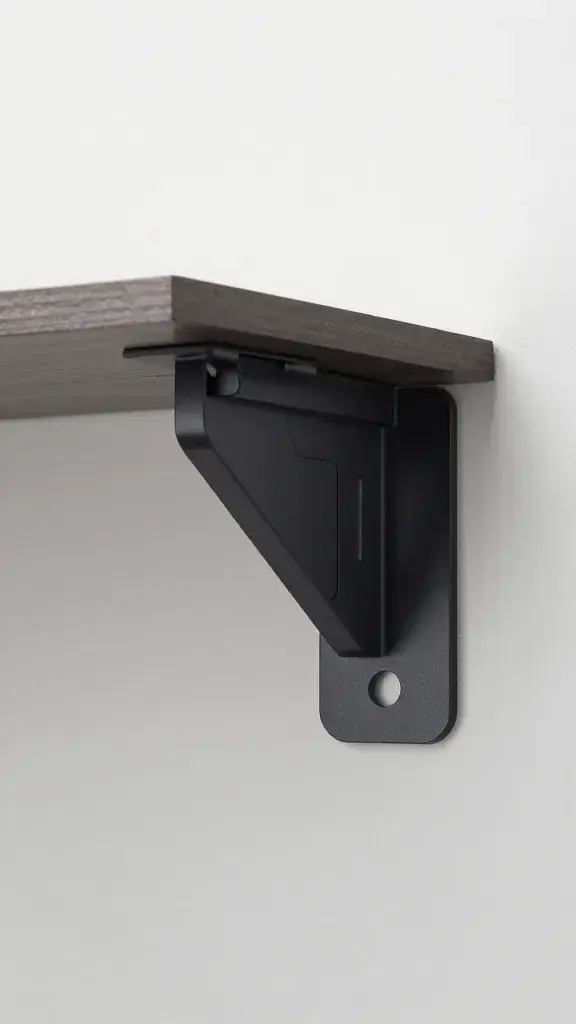
You’ve got your cleats on the wall and your finished shelf box ready to go. Deep breath—this is the moment of truth.
Slide your hollow shelf onto the cleats. It should fit snugly but not require a hammer (if it does, your measurements were off and you need to sand the inside a bit). The shelf should sit flush against the wall with no gaps.
For extra security, you can drill through the top of the shelf down into the cleats at an angle. Fill these holes with wood putty that matches your finish, and nobody will ever know they’re there.
Common Problems and How to Fix Them
Let’s talk about what can go wrong, because something probably will and that’s totally normal.
The Shelf Won’t Slide On
Your box is too tight. Remove it and sand the inside surfaces until you get a better fit. Go slowly—you can always remove more material but you can’t put it back.
There’s a Gap Between the Shelf and Wall
Either your wall isn’t perfectly straight (most aren’t) or your cleat installation was slightly off. For small gaps, caulk is your friend. For bigger issues, you might need to shim the cleats or plane the back of your shelf.
The Shelf Isn’t Level
This usually means your cleats weren’t level during installation. You can try shimming underneath the low side, but honestly, if it’s really noticeable, you might need to reinstall the cleats. Better to do it right than live with crooked shelves forever.
Frequently Asked Questions
How much weight can DIY floating shelves actually hold?
If you’ve properly anchored into studs with a solid cleat system, you’re looking at 50-100 pounds depending on your shelf length and wood thickness. The longer the shelf, the more it’ll sag in the middle under heavy weight. For heavy-duty storage, keep shelves under 3 feet long or add a third cleat in the middle.
Can I make floating shelves without finding studs?
Technically yes, but IMO it’s risky unless you’re only displaying super lightweight stuff. Heavy-duty toggle bolts or wall anchors rated for your wall type can work, but nothing beats screwing into solid studs. If you absolutely can’t hit studs where you want your shelf, at least use anchors rated for twice the weight you plan to hold.
What’s the minimum thickness for a floating shelf to look right?
You want at least 1.5 inches thick to properly hide your support structure and maintain the “floating” illusion. Thinner than that and it starts looking flimsy or people can see your mounting system. Two inches is even better if you want that chunky, substantial look.
How do I make floating corner shelves?
Corner shelves use the same principle but require cleats on two walls meeting at a right angle. Cut your shelf material into a triangle or wedge shape, build your support structure to match, and install cleats on both walls. Just make sure your corner is actually 90 degrees before you start cutting—older houses can be wonky.
Can I use reclaimed wood or pallets for floating shelves?
Absolutely! Reclaimed wood adds tons of character. Just make sure to properly clean it, check for nails or metal bits, and sand it thoroughly. Pallet wood can work but tends to be thinner and rougher quality, so you might need to glue multiple pieces together to get the thickness you need.
How far apart should I space multiple floating shelves?
For decorative items, 8-12 inches between shelves works well. For books, you want 10-14 inches depending on your book sizes. In kitchens, 15-18 inches gives you room for taller items. Basically, measure what you plan to put on them and add a couple inches of clearance.
Wrapping It All Up
Look, are floating shelves a bit more work than buying pre-made ones? Sure. But you’re getting exactly what you want, spending way less money, and earning those sweet DIY bragging rights. Plus, once you’ve made one set, you’ll realize how easy it actually is and start seeing opportunities for floating shelves everywhere.
The key is taking your time with measurements, not skipping the wall stud step, and being patient with your finish. Do those three things right and you’ll have shelves that look like they cost hundreds of dollars when you spent maybe fifty bucks and an afternoon. That’s a win in my book.