
Coconut Oil vs Palm Oil in Soap Making: Which is Better for a Harder Bar?

Ever wonder why some handmade soaps turn into mush after a few uses while others last for weeks?
The secret lies in choosing the right oil, and this decision can make or break your soap making game. Your choice between coconut oil and palm oil determines whether you’ll craft luxurious bars or disappointing disasters.
Let’s settle this debate once and for all and figure out which oil deserves a spot in your soap recipe.
1. The Hardness Factor: Who Wins the Durability Battle?
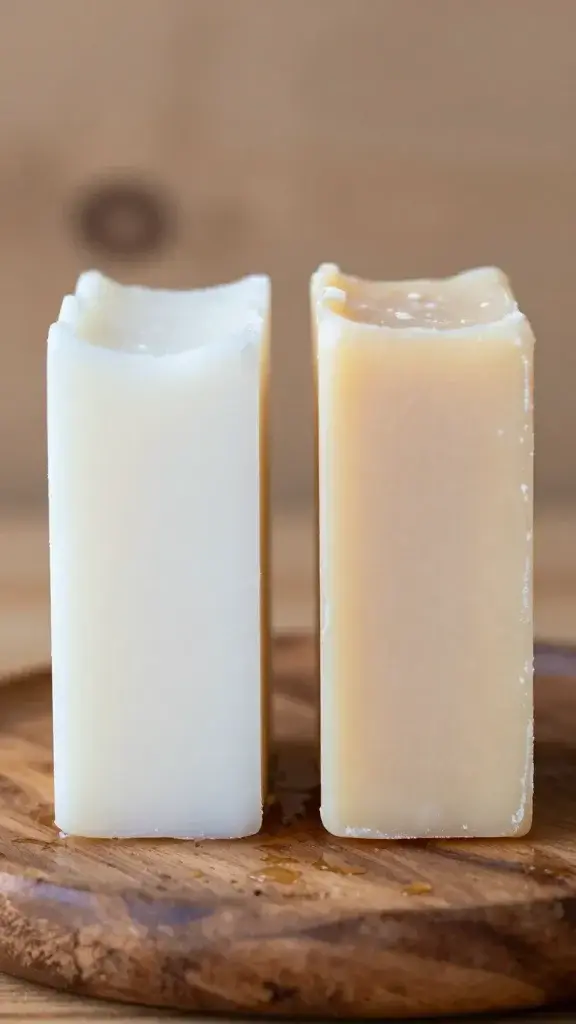
Both oils create hard bars, but they take different routes to get there. Palm oil produces a firm, long-lasting bar that holds its shape beautifully in your soap dish. Coconut oil also creates hardness, but it brings something extra to the party.
Here’s the deal: coconut oil makes soap harder faster during the curing process. Your bars will unmold quicker and feel solid within days. Palm oil takes a more patient approach, building hardness gradually over the full cure time.
Want the best of both worlds? Many soap makers combine these oils, using palm oil as the base for stability and adding coconut oil for that quick-setting magic. FYI, a 60/40 palm to coconut ratio works wonders for beginners.
2. The Lather Game: Bubbles Matter, People
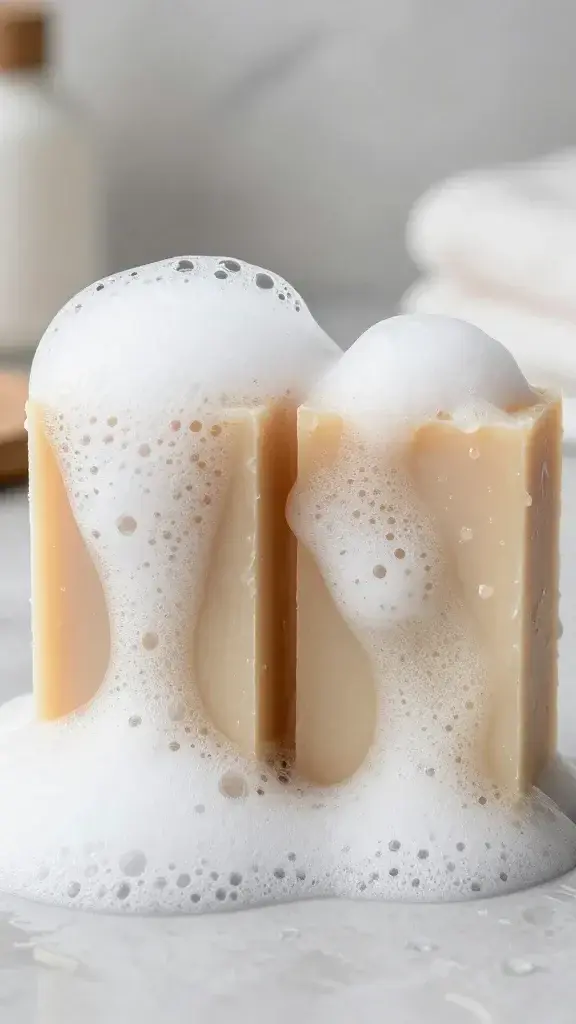
Let’s talk about what everyone really cares about: those glorious suds. Coconut oil absolutely dominates in the lather department, creating big, fluffy bubbles that make shower time feel luxurious.
Lather Characteristics:
- Coconut oil: Big, fluffy, abundant bubbles
- Palm oil: Creamy, stable, smaller bubbles
- Combined: The dream team of bubble heaven
Palm oil produces a creamier lather with smaller bubbles. It’s not bad, just different. Think cappuccino foam versus beer foam.
If you’re making soap for someone who loves that squeaky-clean feeling, coconut oil wins hands down. But if you want a more moisturizing, gentle lather, palm oil brings the goods.
3. Skin Feel: The Moisture vs Clean Debate

Here’s where things get interesting. Coconut oil has a dark side that nobody warns you about until you’ve already made a batch of super-stripping soap.
Use too much coconut oil (we’re talking above 30% in your recipe), and you’ll create bars that clean so aggressively they’ll leave skin feeling tight and dry. It’s a powerful cleanser, which sounds great until your hands feel like sandpaper.
Palm oil plays nicer with your skin’s natural oils. It creates a balanced bar that cleans without that stripped feeling. Seriously, if you’re making soap for sensitive skin types, palm oil should be your new best friend.
The sweet spot? Keep coconut oil around 20-25% of your total oils and use palm oil as your hardness base. Your skin will thank you.
4. The Sustainability Question: Let’s Get Real

We need to talk about the elephant in the room. Palm oil cultivation has caused serious environmental damage, including deforestation and habitat destruction. This isn’t just soap maker drama; it’s a legitimate concern.
Making Responsible Choices:
- Look for RSPO certified sustainable palm oil
- Consider palm-free alternatives like lard or tallow
- Support suppliers with transparent sourcing practices
Coconut oil isn’t perfect either (monoculture farming has its own issues), but it generally carries less environmental baggage. If sustainability matters to you, research your suppliers carefully and ask questions.
Some soap makers have ditched palm oil entirely, relying on coconut oil plus other hard oils like cocoa butter or shea butter. IMO, it’s worth exploring these alternatives.
5. Cost and Availability: Your Wallet’s Perspective
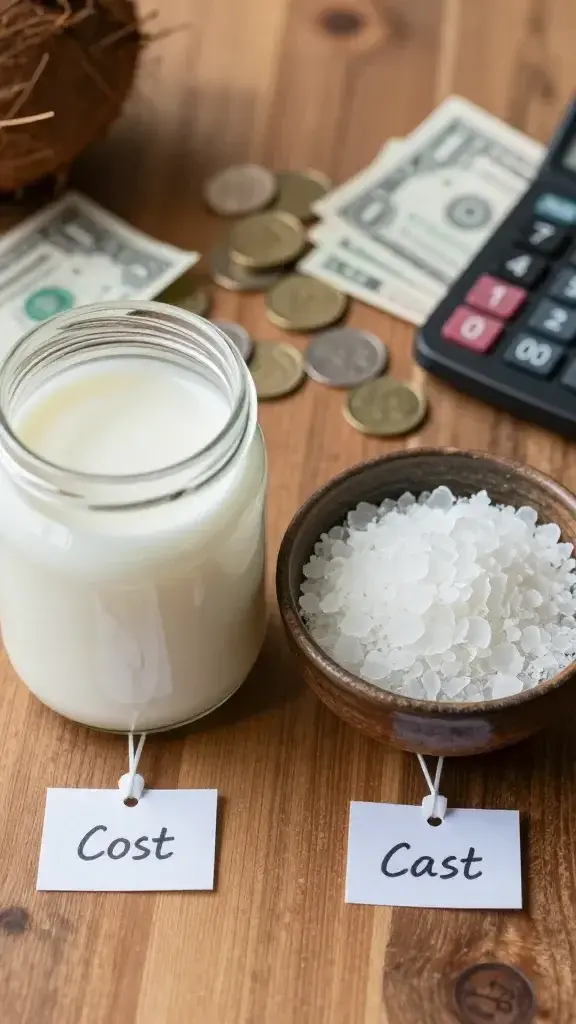
Let’s talk money because your soap hobby can get expensive fast. Coconut oil typically costs more per pound than palm oil, though prices fluctuate based on where you shop and market conditions.
Palm oil wins on availability. You can find it at most soap supply stores and it’s often sold in convenient flake form that melts easily. Coconut oil is everywhere too, but you’ll pay a premium for refined versions that don’t make your soap smell like a tropical vacation.
The price difference isn’t huge, but it adds up when you’re making large batches. Calculate your cost per bar to figure out which oil makes sense for your budget and selling price (if you’re going pro with this).
Trust me, spending an extra dollar per pound on quality oil beats wasting an entire batch on cheap, sketchy ingredients.
So which oil wins? Honestly, both have their place in your soap making arsenal. Coconut oil brings bubbles and quick hardness, while palm oil offers gentle cleansing and sustainable hardness. Your perfect recipe probably includes both, balanced to create bars that last, lather, and leave skin happy. Now go make some amazing soap!