
Best Fragrance Oils for Soap Making: Scents That Perform Well in Cold Process

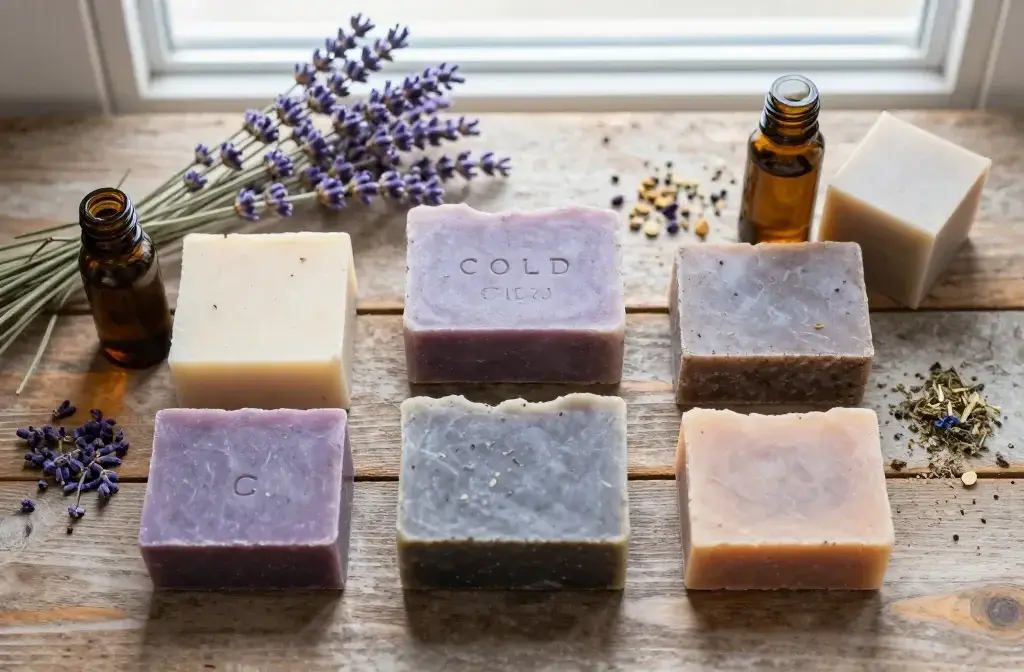
Ever spent hours perfecting a cold process batch only to have your gorgeous scent completely vanish? Yeah, we’ve all been there.
The right fragrance oils can make the difference between soap that smells like a spa dream and bars that smell like… well, nothing. Some scents actually get stronger as they cure, while others disappear faster than your motivation on a Monday morning.
Ready to discover the fragrance oils that’ll stick around through saponification and beyond? Let’s talk about the scents that actually perform.
1. Lavender Essential Oil – The Reliable Overachiever
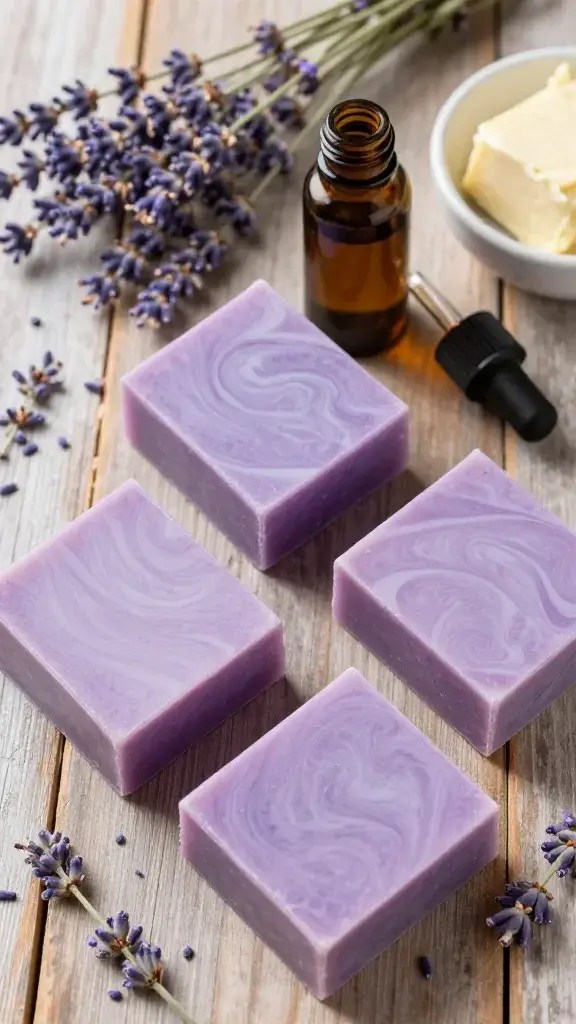
Look, lavender might seem basic, but there’s a reason soapers keep coming back to it. This purple powerhouse anchors beautifully in cold process and actually holds its scent through cure time.
You’ll want to use lavender 40/42 specifically for soap making. It’s a blend that’s been standardized to perform consistently, and trust me, it makes a difference. Regular lavender essential oil can fade or morph into something weird during saponification.
Why It Works:
- Naturally stable in high pH environments
- Doesn’t accelerate trace or cause seizing
- Plays well with other scents for custom blends
- Won’t discolor your beautiful soap designs
Use it solo for a classic clean scent, or blend it with peppermint or rosemary for something more complex. The usage rate is typically around 3-5% of your oil weight, and you’ll still smell it months after curing.
2. Patchouli – The Earthy Anchor That Won’t Quit
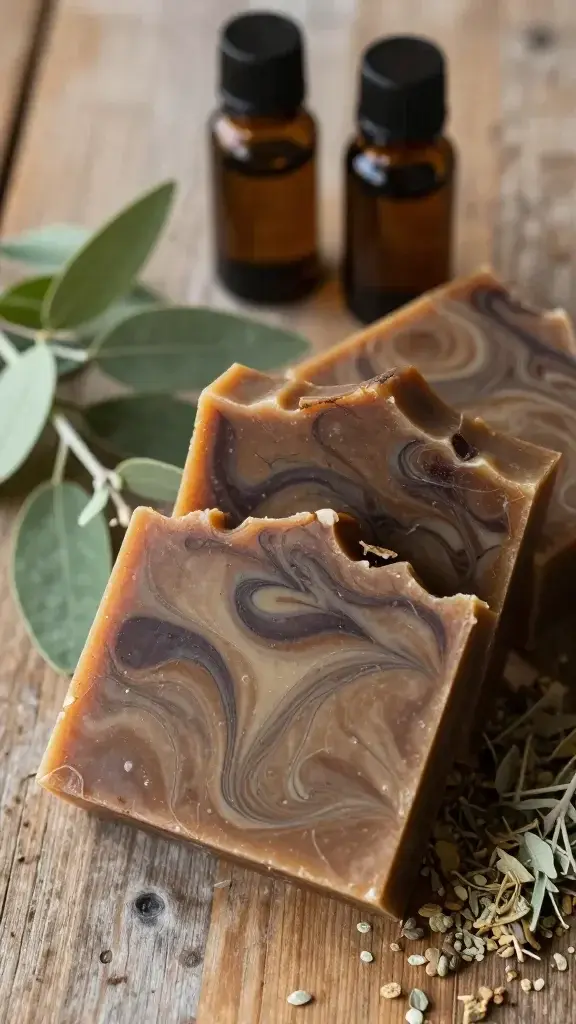
Patchouli is basically the superhero of soap scents. This earthy, woody fragrance doesn’t just survive cold process – it actually gets better with time.
Here’s the thing about patchouli: people either love it or they don’t. But even patchouli skeptics appreciate how it anchors lighter scents and keeps them from fading. Think of it as the foundation that holds your whole scent profile together.
Pro Tips:
- Use dark patchouli for a richer, aged scent
- Mix with citrus oils to add staying power
- Blend with vanilla for a surprisingly cozy vibe
- Start with small amounts – a little goes a long way
Seriously, even if you’re not making hippie soap, add a touch of patchouli to your blend. Your future self (and your customers) will thank you when that scent is still going strong six months later.
3. Cedarwood – The Woodsy Wonder
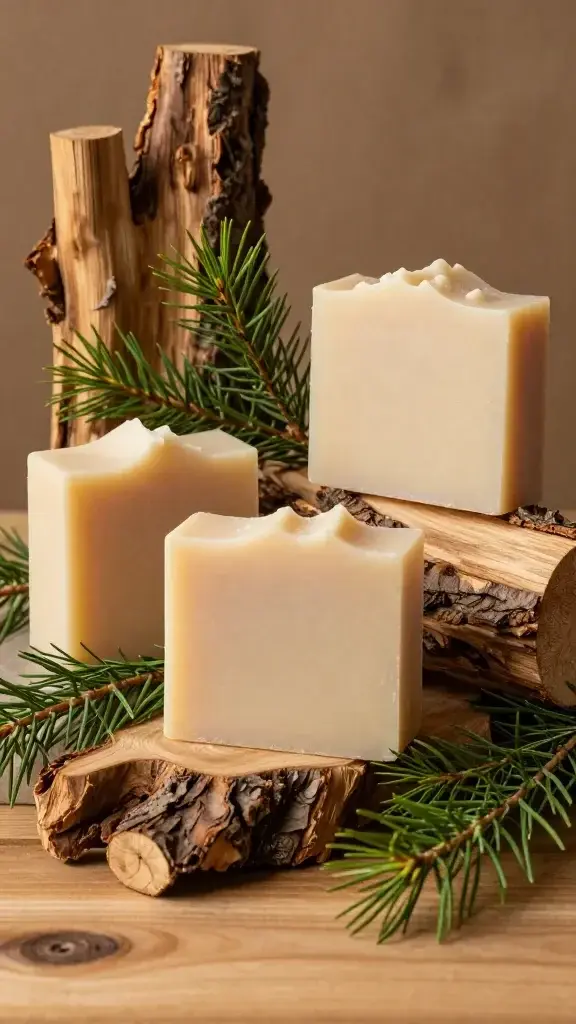
Want that outdoorsy, masculine scent that actually lasts? Cedarwood essential oil is your new best friend. It holds up incredibly well in cold process and adds this warm, grounding quality that people go crazy for.
Cedarwood Atlas and Cedarwood Virginian are both excellent choices, though they smell slightly different. Atlas is softer and sweeter, while Virginian is more robust and sharp. Both stick around like they’re being paid to do it.
Perfect Pairings:
- Cedarwood + orange = fresh and energizing
- Cedarwood + lavender = spa-worthy relaxation
- Cedarwood + peppermint = winter wonderland vibes
- Cedarwood + rosemary = herbal sophistication
This oil won’t discolor your soap (maybe a slight tan at most), and it behaves beautifully in the batter. No acceleration, no ricing, just smooth sailing.
4. Litsea Cubeba – The Citrus That Actually Sticks Around
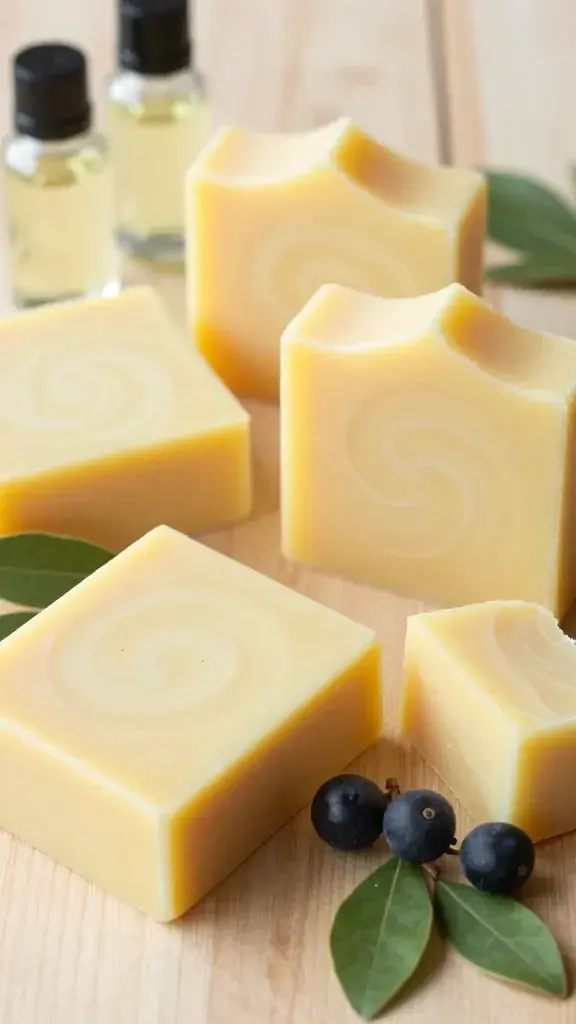
If you’ve tried using lemon or orange essential oils in cold process, you know the disappointment. They smell amazing going in and then – poof – they’re gone. Enter litsea cubeba, the citrus scent that defies all odds.
Also called May Chang, this lemony-fresh oil has serious staying power. It’s got that bright, uplifting citrus vibe without the vanishing act. FYI, it’s also way more affordable than other citrus options that actually perform well.
What Makes It Special:
- Survives saponification like a champ
- Clean, fresh scent without being overwhelming
- Works beautifully with florals and herbs
- Doesn’t cause soap batter drama
Use it at around 3-4% of your oil weight. It’s perfect for summer soaps, morning shower bars, or any time you want that wake-up-and-smell-the-sunshine vibe that actually lasts.
5. Oakmoss Fragrance Oil – The Complex Character Builder
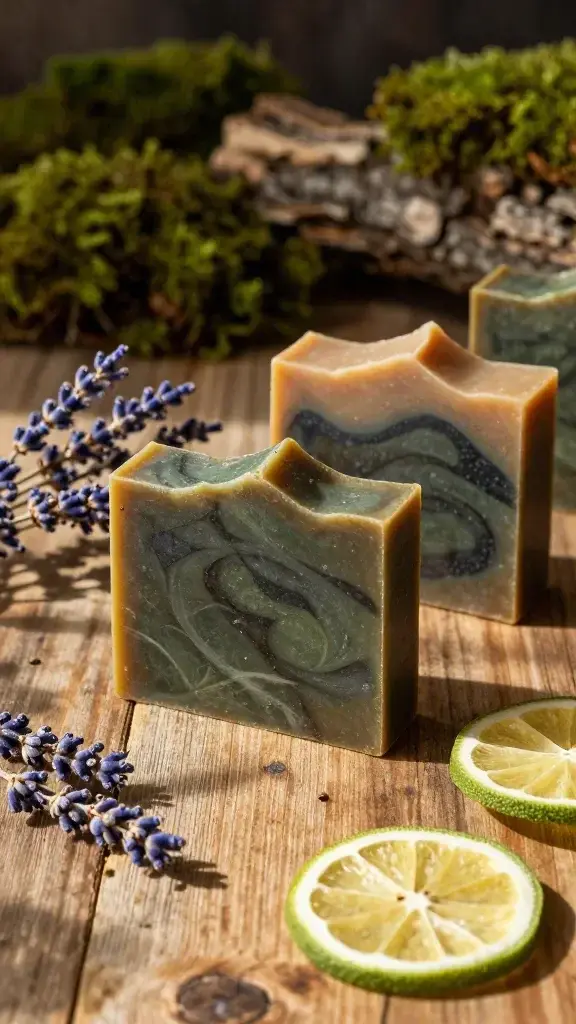
Okay, switching gears to a fragrance oil here because sometimes synthetics just outperform naturals. Oakmoss FO brings this sophisticated, forest-floor earthiness that’s impossible to recreate with essential oils alone.
This scent is what perfumers call a base note, meaning it’s heavy, complex, and stubborn in the best possible way. It adds depth to any blend and makes your soap smell like it came from an expensive boutique instead of your kitchen.
Blending Ideas:
- Oakmoss + lavender + bergamot = classic fougère
- Oakmoss + cedarwood + vanilla = cozy cabin vibes
- Oakmoss + patchouli + orange = bohemian luxury
- Oakmoss alone = minimalist sophistication
Make sure you buy from a reputable supplier who specifically labels their oakmoss as soap-safe. Some formulations can accelerate trace or cause discoloration (usually a lovely tan or brown, which can actually work with your design). Test it first in a small batch.
There you have it – five fragrance champions that’ll actually show up for work in your cold process soap. Start with these reliable performers, and you’ll never have to deal with disappointing scentless bars again. Happy soaping!