UV Resin vs Epoxy Resin: Which is Better for Jewelry Making?

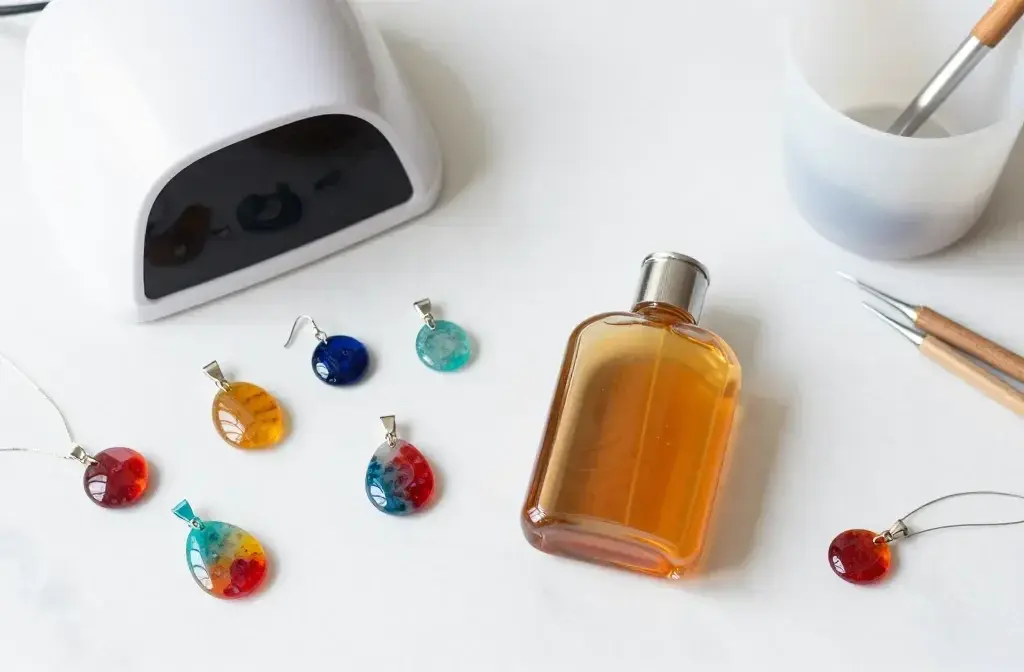
So you want to start making gorgeous resin jewelry, but you’re stuck staring at product listings wondering what the heck the difference is between UV resin and epoxy resin?
Choosing the wrong resin can lead to tacky messes, cracked pieces, and a whole lot of wasted time and money. Each type has its superpowers and kryptonite.
Let’s break down the five biggest differences that actually matter when you’re creating wearable art. By the end, you’ll know exactly which resin deserves a spot in your craft arsenal.
1. Curing Time: The Need for Speed vs. Patience Pays Off
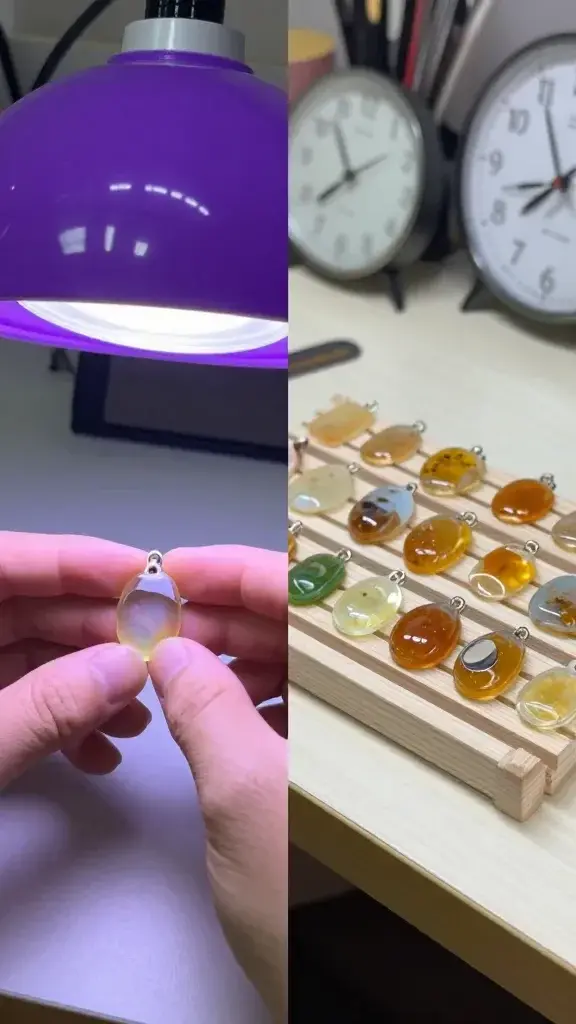
Here’s the deal: UV resin cures in literal minutes under a UV lamp, while epoxy resin makes you wait anywhere from 24 to 72 hours. Talk about polar opposites!
UV resin is perfect when you’re in creative flow mode and want instant gratification. Pop your piece under a UV lamp for 2-5 minutes, and boom – it’s done. No waiting around, no dust settling on your wet piece, no accidentally touching it and ruining everything.
Epoxy resin requires serious patience. You’ll mix your two parts together and then play the waiting game. But here’s the catch: that slow cure time actually gives you way more working time to position embellishments, pop bubbles, and fix mistakes. For complex pieces with lots of elements, epoxy wins hands down.
2. Thickness and Layering: Going Deep or Keeping It Shallow
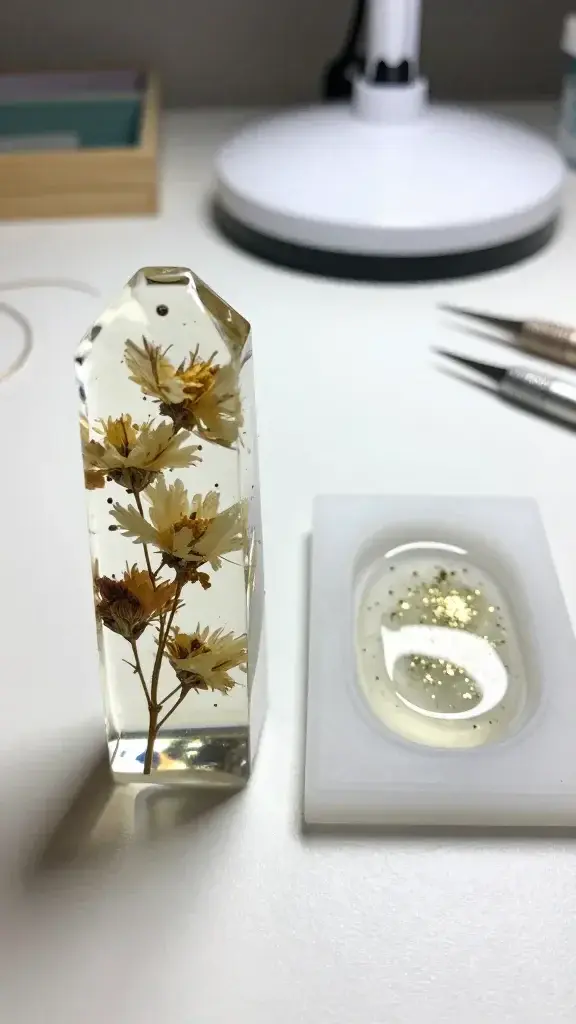
Want to create chunky statement pieces or thick pendants? Epoxy resin lets you pour thick layers (sometimes up to an inch) without breaking a sweat.
UV resin is the delicate flower of the resin world. It only cures properly in thin layers – we’re talking 2-4mm max. Try to go thicker, and the UV light can’t penetrate all the way through, leaving you with a sticky disaster underneath a cured top layer. Seriously frustrating!
Best Applications:
- UV resin: Thin cabochons, coatings, small charms, and filling bezels
- Epoxy resin: Thick pendants, paperweights, larger pieces, and deep molds
FYI, you can layer UV resin if you cure between each pour, but that gets tedious real quick for bigger projects.
3. Durability and Yellowing: The Long Game
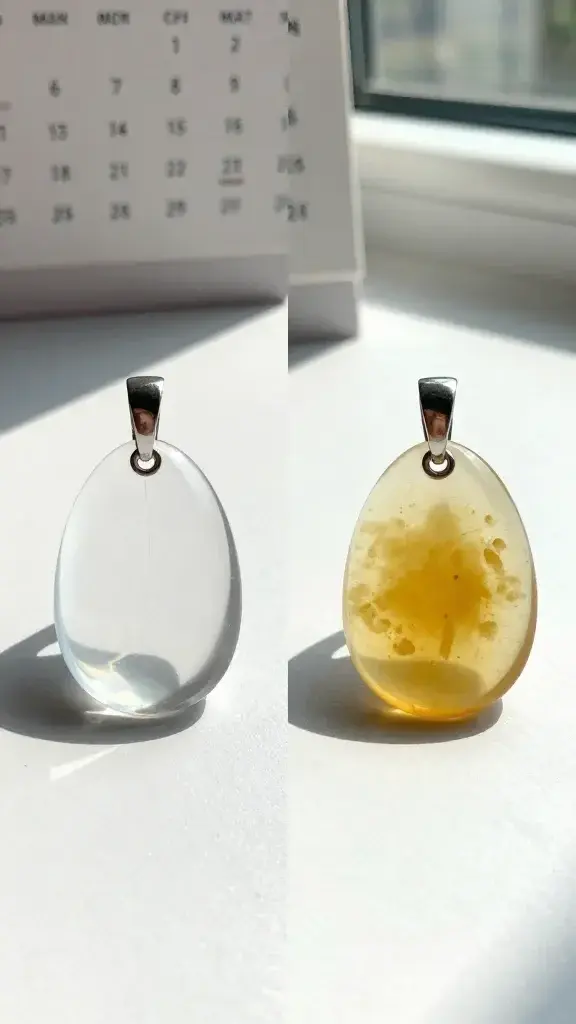
Let’s talk about what happens six months down the road. Epoxy resin typically offers superior durability and better resistance to yellowing over time, especially if you spring for quality brands.
UV resin can yellow faster when exposed to sunlight repeatedly. Not ideal for jewelry that’ll see daily wear! Some higher-end UV resins have improved formulas, but generally speaking, epoxy holds up better for pieces meant to last years.
That said, UV resin creates a super hard, glossy finish that’s gorgeous for items that won’t get constant sun exposure. Think earrings worn occasionally rather than a ring you never take off.
4. Price Point: Your Wallet’s Opinion Matters
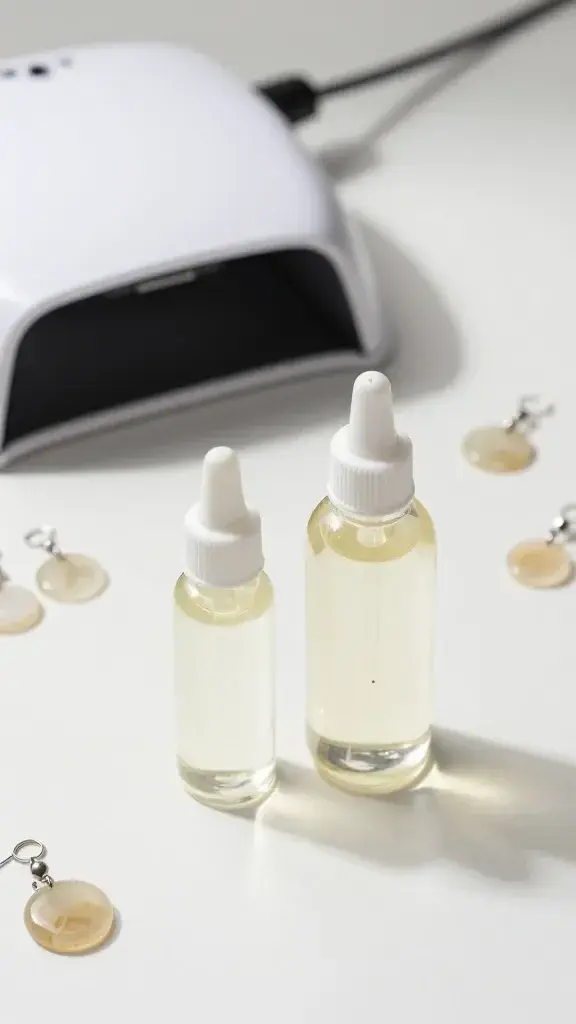
Here’s where things get real: UV resin costs significantly more per ounce than epoxy resin. We’re talking maybe two to three times the price, depending on brands.
But wait – before you write off UV resin entirely, remember you also need to buy a UV lamp (around $15-50). Once you’ve got that initial investment covered, though, you’re set for tons of quick projects.
Epoxy resin is budget-friendly for large projects. Buy it in bigger quantities, and the price per ounce drops even more. Perfect for when you’re experimenting or making multiple pieces at once.
Cost Breakdown:
- UV resin: Higher per ounce, plus lamp investment, but zero waste from mixing
- Epoxy resin: Lower per ounce, but you might waste some when mixing small batches
5. Ease of Use: Beginner-Friendly or Learning Curve Ahead?
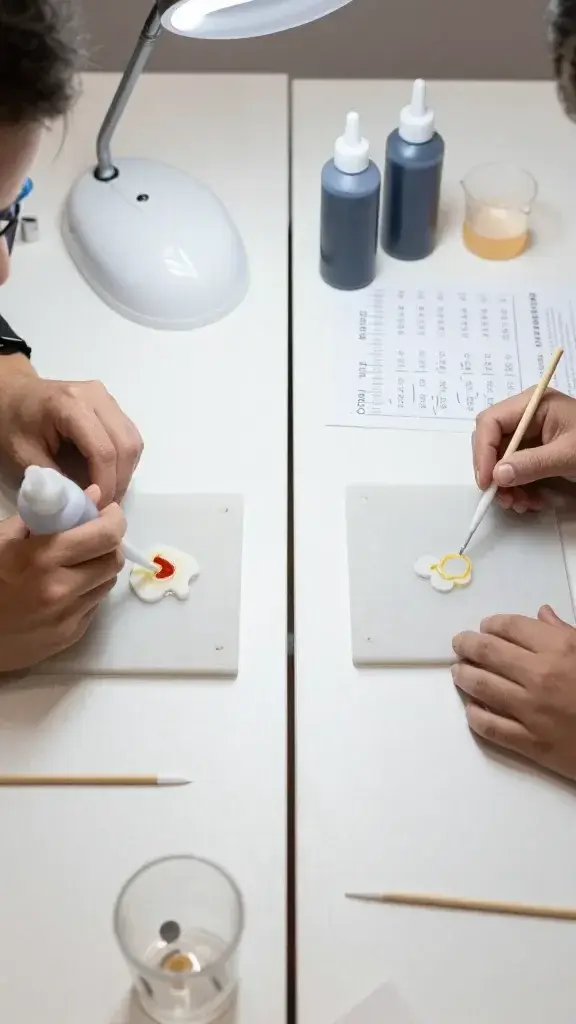
Total beginners often love UV resin because there’s no mixing ratios to mess up. Squeeze it out, use it, cure it. No math, no stress about getting your measurements perfect.
Epoxy resin requires precise mixing – usually a 1:1 ratio, but sometimes 2:1 or other combinations depending on your brand. Mess up those ratios, and your piece might never fully cure. Trust me, sticky resin that never hardens is heartbreaking.
That said, once you nail the mixing process, epoxy becomes second nature. Plus, you get way more working time to create intricate designs without rushing against a cure clock.
So which resin wins? Honestly, the best jewelry makers keep both on hand! Use UV resin for quick projects and thin pieces, and reach for epoxy when you need durability, thickness, or budget-friendly volume. Now go create something amazing – your jewelry box is waiting!