Upcycling vs Recycling vs Downcycling: What Actually Helps the Planet?

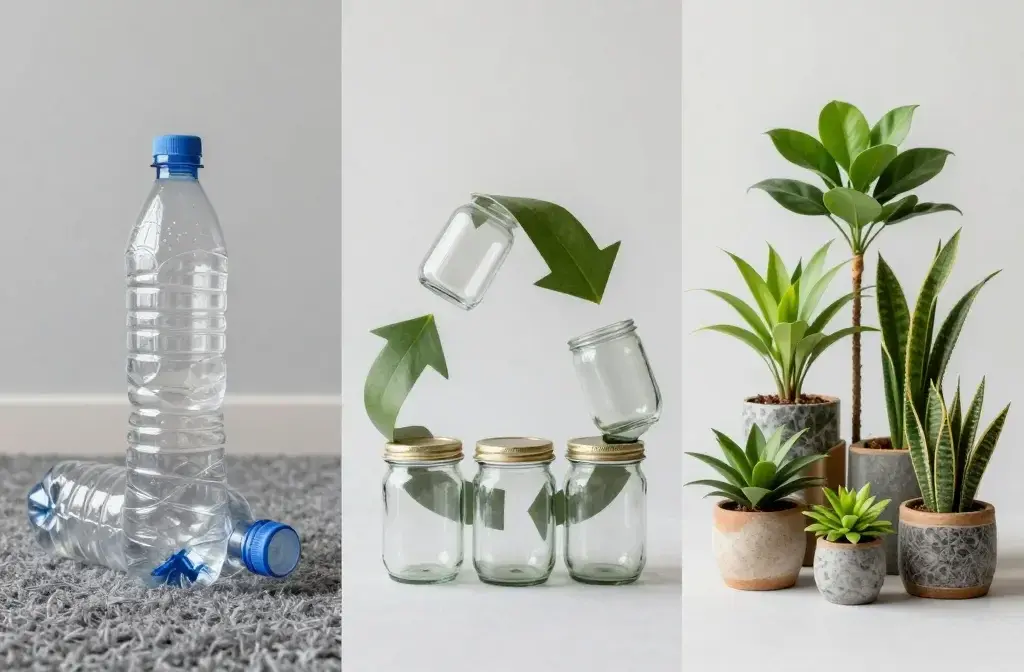
Think tossing everything into your blue bin makes you an environmental hero? Plot twist: you might be doing less than you think.
Understanding the real difference between upcycling, recycling, and downcycling will completely change how you handle your trash. Seriously, this stuff matters way more than most people realize.
Let’s break down what’s actually happening to your waste and which methods genuinely move the needle on saving the planet.
1. Recycling: The Basics We All Think We Know (But Probably Don’t)
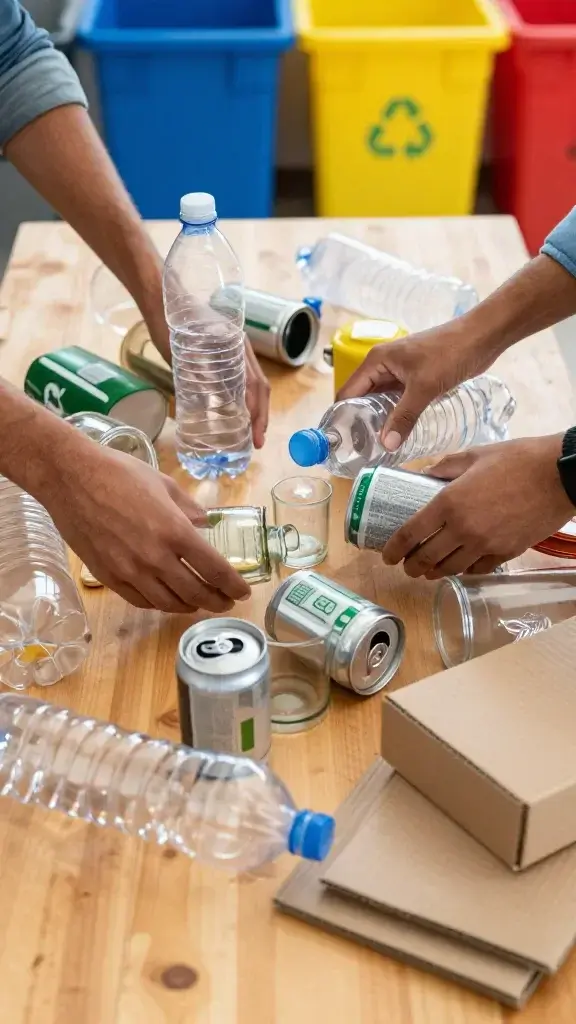
Recycling takes your old materials and transforms them into new products of similar quality. Your plastic water bottle becomes another plastic water bottle. Simple enough, right?
Here’s the catch: recycling still requires energy, water, and transportation. It’s definitely better than landfills, but it’s not the environmental miracle we’ve been sold. Plus, only about 9% of plastic ever produced has actually been recycled.
Think of recycling as damage control. It keeps materials in circulation and reduces virgin resource extraction, but it’s not a free pass to consume endlessly. Your recycling bin helps, just not as much as you’d hope.
2. Downcycling: When Your Stuff Gets a Downgrade
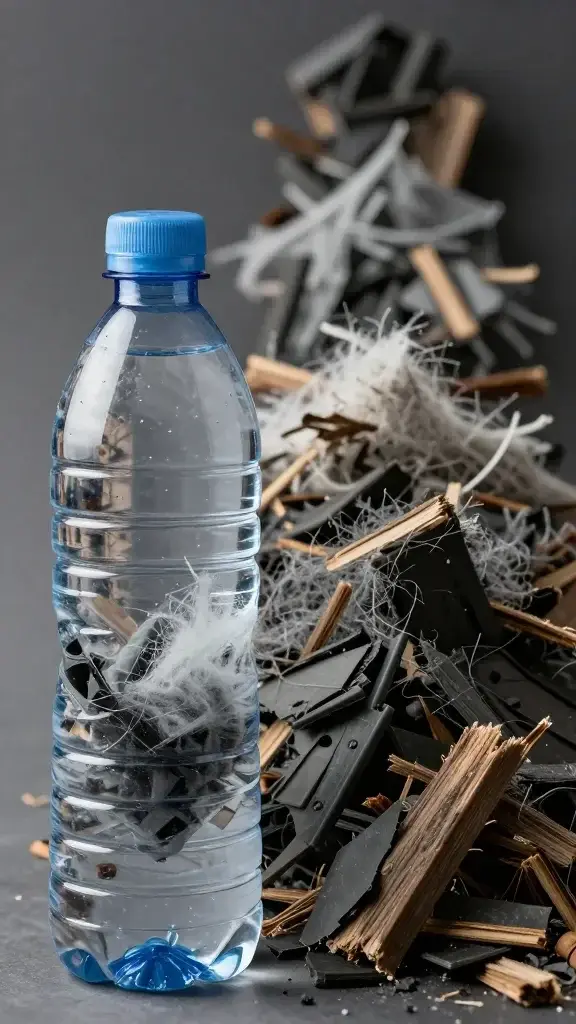
Most “recycling” is actually downcycling, where materials become lower-quality products that can’t be recycled again. That plastic bottle? It probably becomes carpet fiber or plastic lumber, not another bottle.
Common Downcycling Examples:
- Plastic bottles turning into fleece jackets
- Mixed paper becoming cardboard
- Old tires becoming playground surfaces
Each time materials get downcycled, they lose quality and versatility. Eventually, they end up in landfills anyway. It’s basically just delaying the inevitable, though it does buy us some time.
FYI, this is why “recyclable” packaging isn’t always the win companies claim it is. Many items can only go through the process once or twice before they’re trash.
3. Upcycling: Turning Trash Into Treasure (For Real)
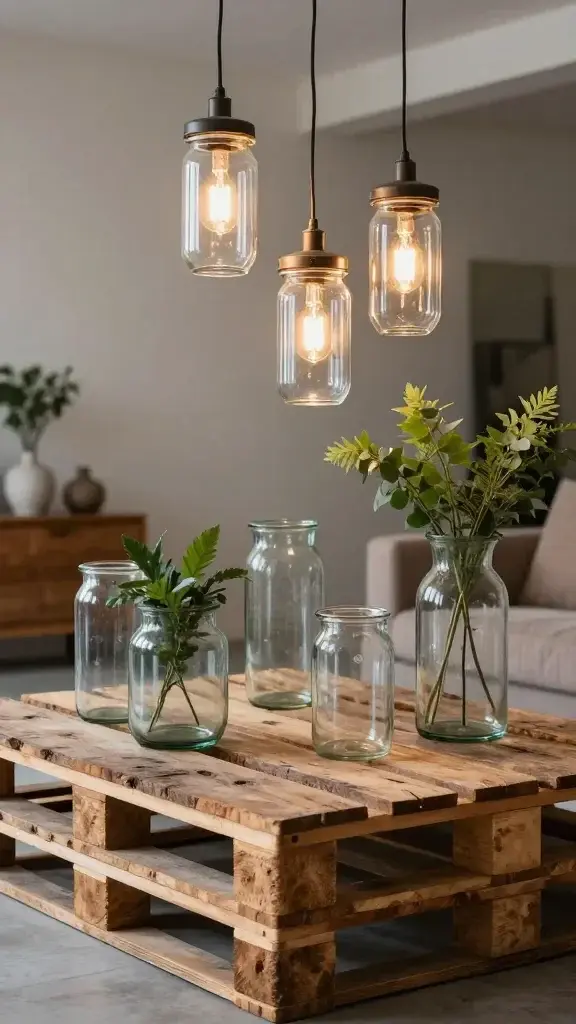
Upcycling transforms waste materials into something more valuable than the original. Think turning old pallets into furniture or glass jars into pendant lights. This is where creativity meets sustainability.
Unlike recycling, upcycling typically requires minimal industrial processing. You’re adding value through design and reimagination rather than breaking materials down and rebuilding them. Your energy footprint? Way smaller.
Why Upcycling Wins:
- Requires less energy than traditional recycling
- Creates unique, one-of-a-kind items
- Keeps materials out of waste streams longer
- Doesn’t degrade material quality
The downside? Upcycling doesn’t scale like industrial recycling. You can’t personally upcycle your way out of our waste crisis, but you can make a dent in your own footprint.
4. What Actually Makes the Biggest Environmental Impact?
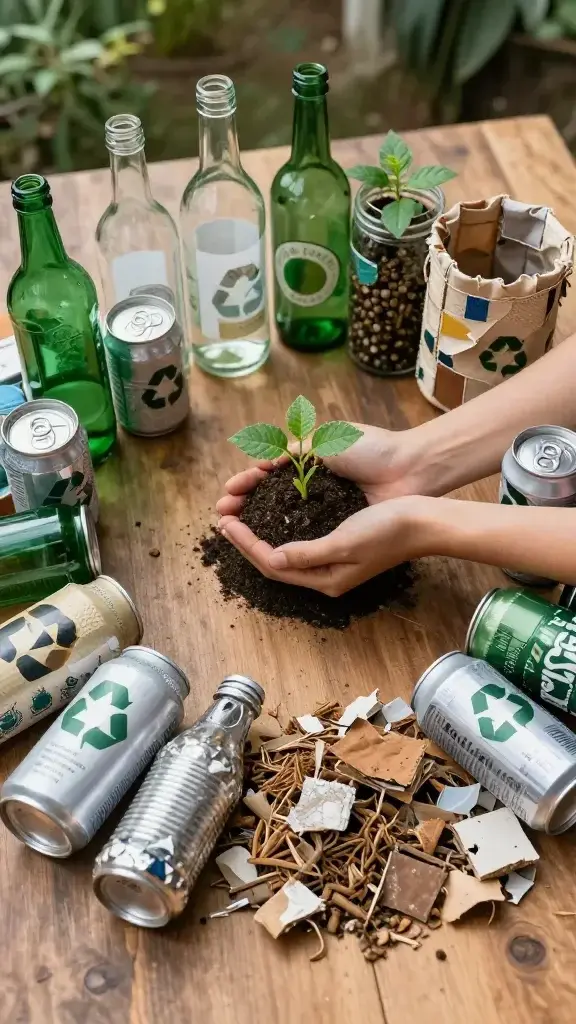
Here’s the truth bomb: the best thing for the planet is consuming less in the first place. Reduce beats reuse beats recycle, every single time.
When you do need to deal with waste, upcycling wins for individual items because it adds value without intensive processing. But systematic recycling programs handle the volume that individuals can’t tackle alone.
The real answer? Use all three strategically. Upcycle what you can get creative with, recycle what your local facilities actually process effectively, and accept that some downcycling happens when better options don’t exist. Just don’t let any of it become an excuse to buy more stuff.
5. How to Actually Put This Into Practice
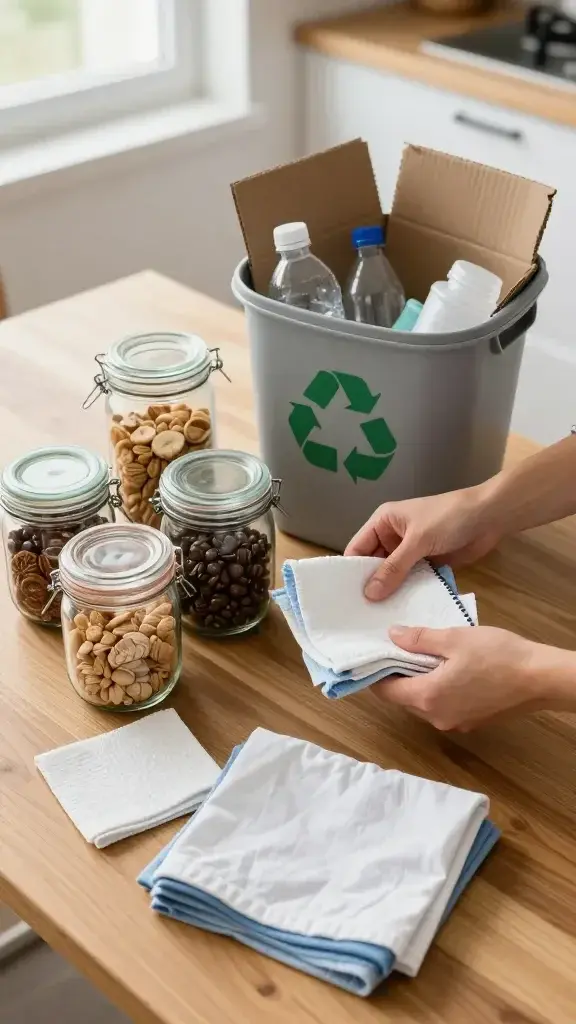
Stop obsessing over perfection and start making better choices where they’re easy. Check what your local recycling facility actually accepts because contamination ruins entire batches.
Get creative with upcycling projects that match your skill level. Not crafty? Start simple with glass jars as storage or old t-shirts as cleaning rags. You don’t need Pinterest-perfect results to keep stuff out of landfills.
Quick Action Steps:
- Audit your recycling bin – are you wishcycling items that aren’t actually recyclable?
- Choose one upcycling project this month
- Buy less new stuff (seriously, this matters most)
- Research local recycling rules – they vary wildly
Remember, downcycling still beats throwing things away. Accept imperfect solutions while working toward better ones. Progress over perfection, always.
Now you know the real differences between these three approaches and can make smarter choices about your waste. Start small, stay consistent, and don’t beat yourself up when you can’t find the perfect sustainable solution. The planet needs progress, not perfection, and you’ve got this.