Acrylic Yarn vs Wool: Which is Better for Beginner Crochet Projects?

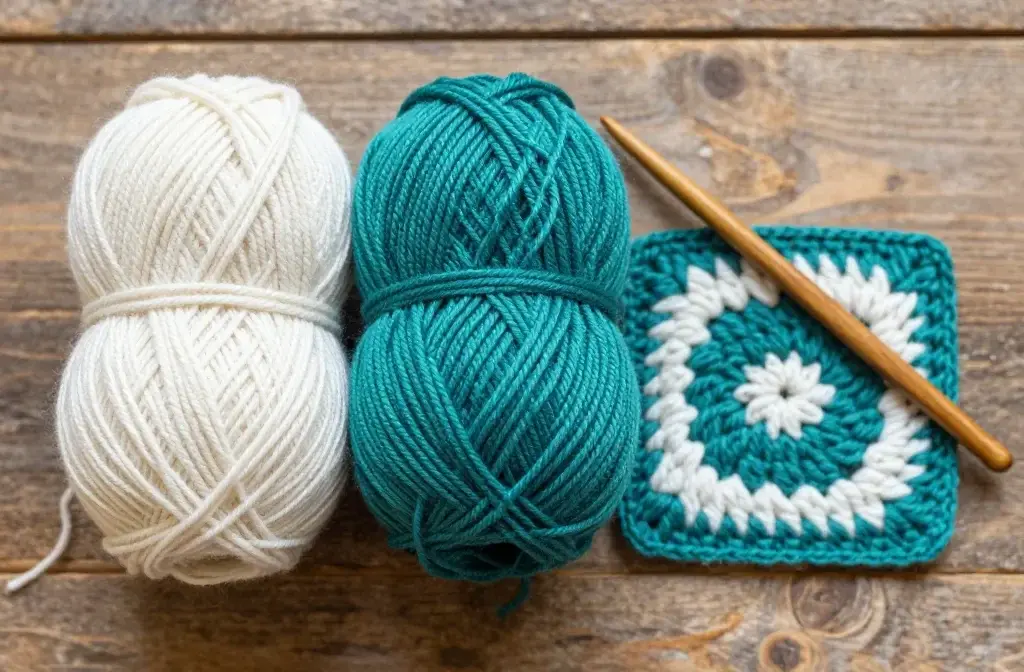
Staring at the yarn aisle wondering if you should grab the cheap acrylic or splurge on wool? You’re not alone in this fuzzy dilemma.
Picking the right yarn for your first crochet projects can mean the difference between a finished masterpiece and a tangled mess shoved in your closet.
Let’s break down exactly what you need to know so you can start hooking with confidence.
1. The Price Tag Reality Check
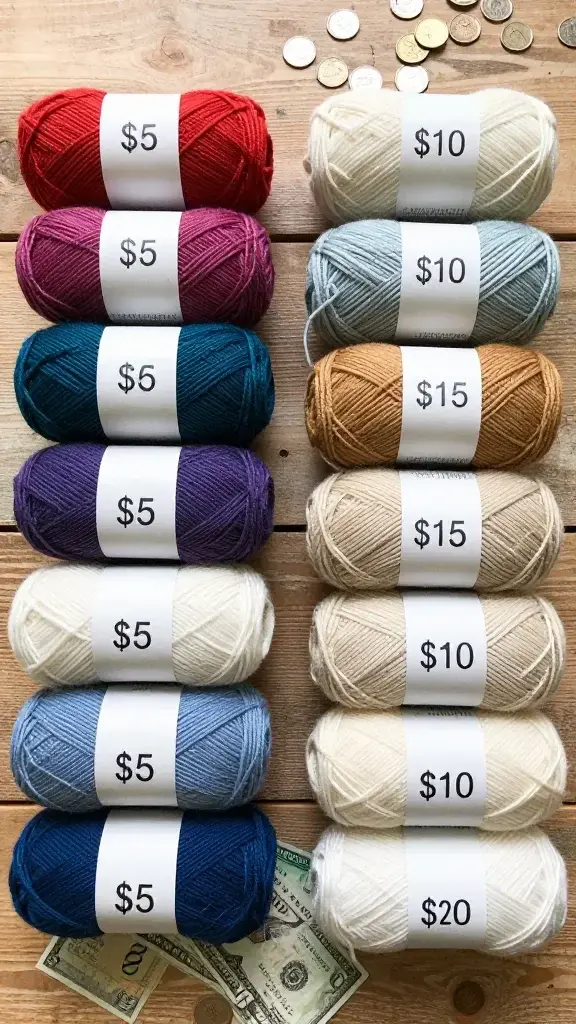
Let’s talk money, because seriously, nobody wants to drop serious cash on their first attempt at a granny square. Acrylic yarn wins this round by a landslide, often costing a fraction of what you’d pay for wool.
You can grab a huge skein of acrylic for under five bucks at most craft stores. Wool? That same amount might set you back fifteen to thirty dollars depending on the quality. When you’re just learning and might accidentally create a lopsided scarf instead of a blanket, acrylic lets you practice without the guilt.
This price difference means you can buy multiple colors and experiment freely. Your wallet stays happy while you figure out tension and stitch counts.
2. The Durability Showdown
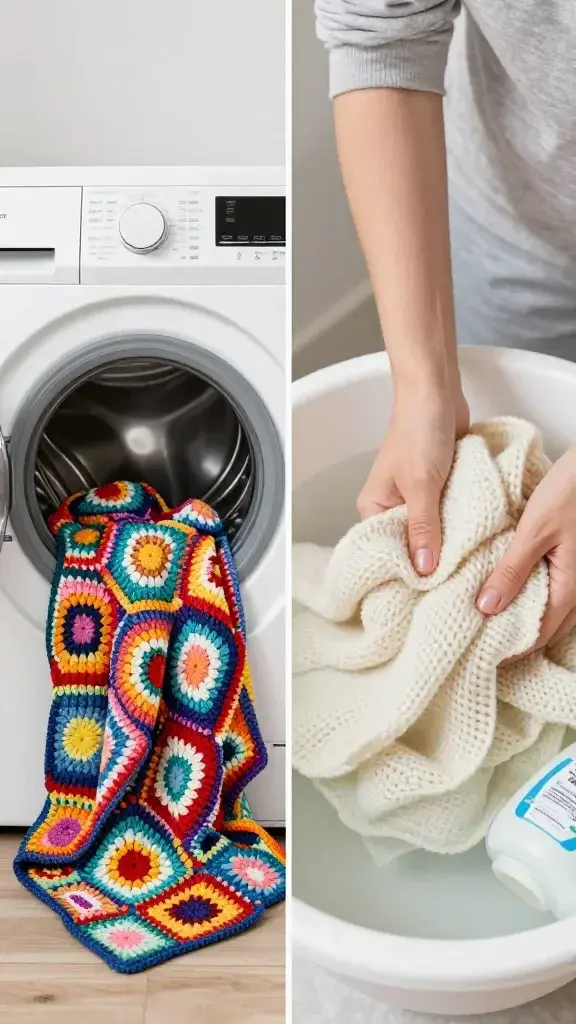
Here’s where things get interesting. Acrylic yarn is basically the superhero of washability – toss it in the washing machine, throw it in the dryer, and it comes out looking pretty much the same.
Acrylic Advantages:
- Machine washable without special care
- Doesn’t shrink or felt
- Holds its shape through multiple washes
- Colorfast and fade-resistant
Wool requires way more babying. You need special detergent, cold water, and careful handling or you’ll end up with a felted mess that could fit a doll instead of a human. For beginners who just want to make something and actually use it? Acrylic takes the crown here.
3. Feel And Comfort Factor
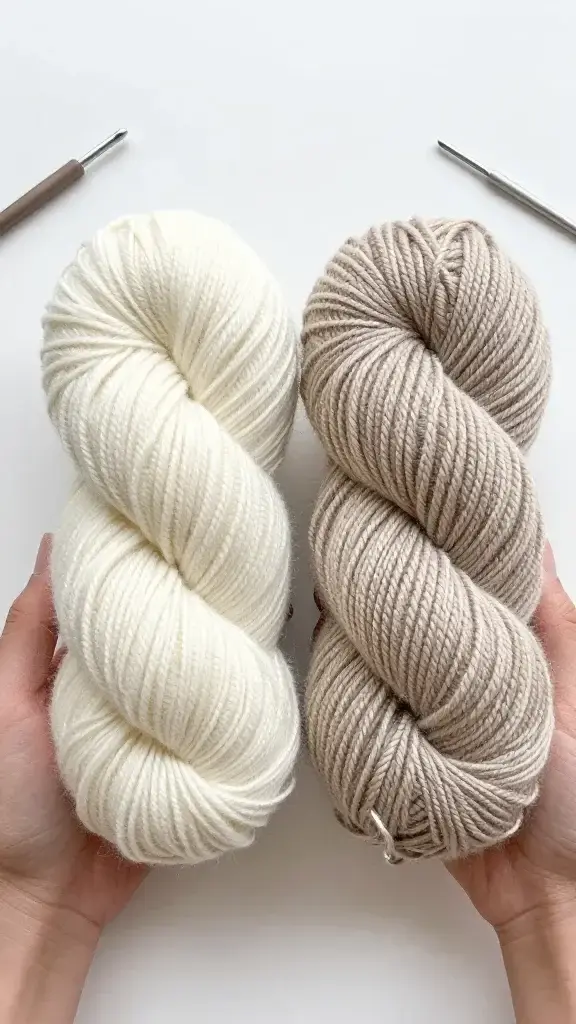
This is where wool finally gets its moment to shine. Natural wool feels luxurious, soft, and breathable against your skin in ways that acrylic struggles to match.
Acrylic can feel a bit plasticky or squeaky when you’re working with it, and some cheaper varieties get scratchy over time. However, modern acrylic has come a long way – brands now make super soft versions that feel surprisingly good.
Consider This:
- Wool regulates temperature naturally
- High-quality acrylic mimics wool’s softness pretty well
- Some people find wool itchy (FYI, this is totally normal)
- Acrylic works great for people with wool allergies
If you’re making baby blankets or items for sensitive skin, test both options. Your project’s end use matters way more than yarn snobbery.
4. Working With It (The Learning Curve)
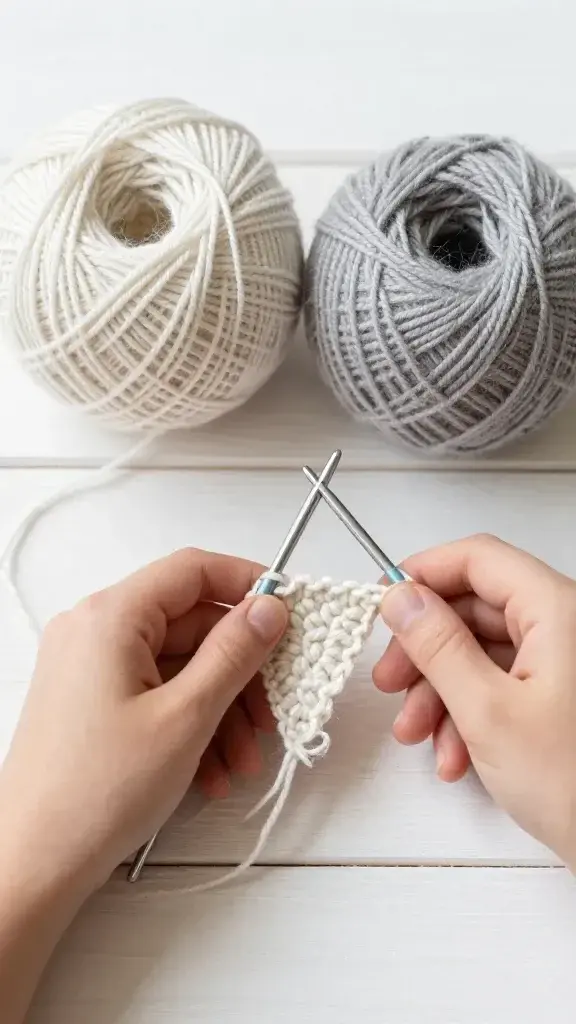
Want to know a secret? Acrylic yarn is actually easier for beginners to handle. It’s more forgiving when you make mistakes, and you can easily pull out stitches to fix errors without damaging the fiber.
Wool has more elasticity, which sounds good but can actually make it trickier for newbies to maintain consistent tension. It also tends to split more easily if you’re still figuring out how to insert your hook properly. Trust me, fewer split stitches means less frustration when you’re learning.
Acrylic also comes in incredibly consistent textures and weights, making it easier to predict how your project will turn out. You’ll spend less time fighting with your yarn and more time actually crocheting.
5. The Final Project Results
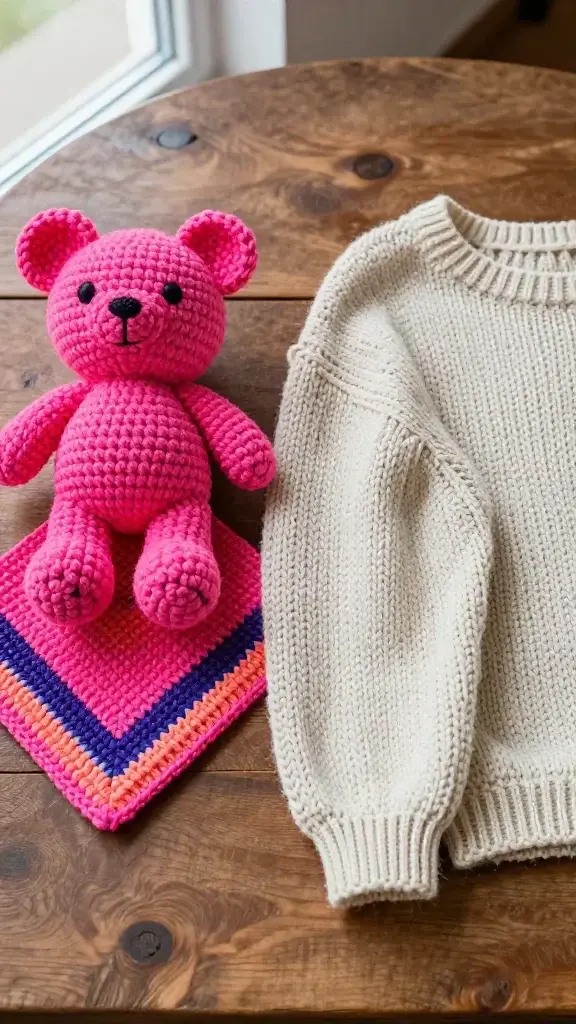
Here’s the bottom line: both yarns create beautiful finished projects, just with different vibes. Wool gives you that handmade, artisanal look with natural drape and breathability that’s perfect for wearables.
Acrylic excels at holding structure, making it ideal for amigurumi, bags, and items that need to keep their shape. It also comes in wild color options you won’t find in natural wool – neon pink anyone?
Best Uses:
- Acrylic: Kids’ toys, blankets, dishcloths, practice projects
- Wool: Sweaters, winter accessories, heirloom pieces
The real winner? Starting with acrylic to learn the basics, then graduating to wool once you’ve got your technique down. No shame in the beginner game.
Now grab some yarn and get hooking! Whether you choose acrylic or wool, the best project is the one you actually finish. Happy crocheting!