
Lye Safety for Soap Making: How to Handle Sodium Hydroxide Safely at Home

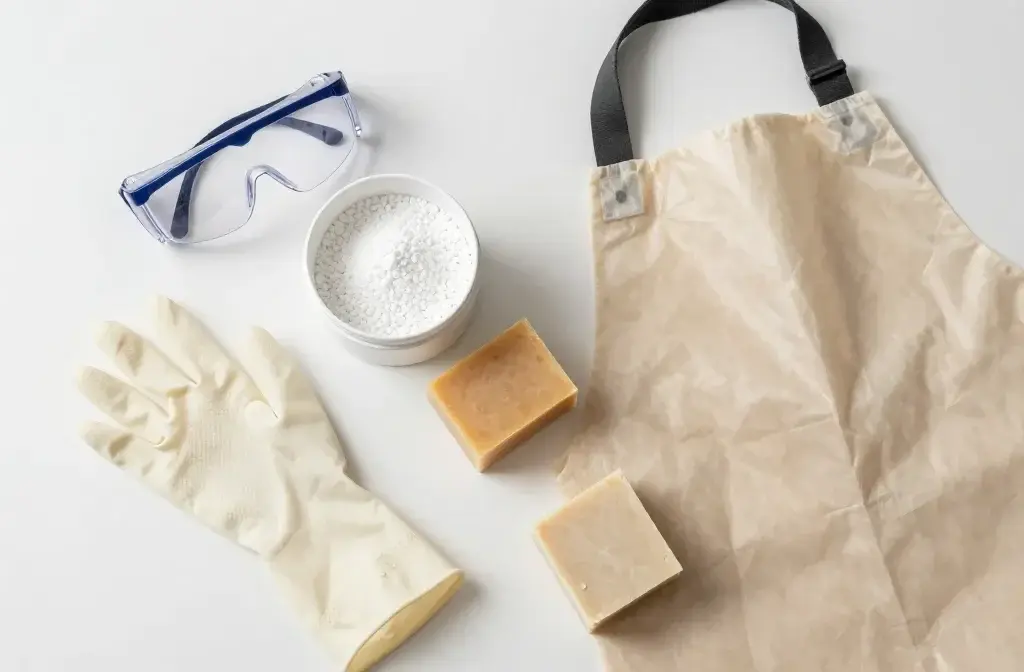
Want to make beautiful handmade soap but terrified of working with lye? You’re not alone.
Sodium hydroxide might sound scary, but with the right safety measures, you can handle it confidently and avoid nasty chemical burns. Thousands of home soap makers work with lye safely every single day.
These five essential safety practices will transform you from nervous beginner to confident soap artisan. Let’s get you mixing like a pro!
1. Suit Up Like You’re Handling Science (Because You Are)
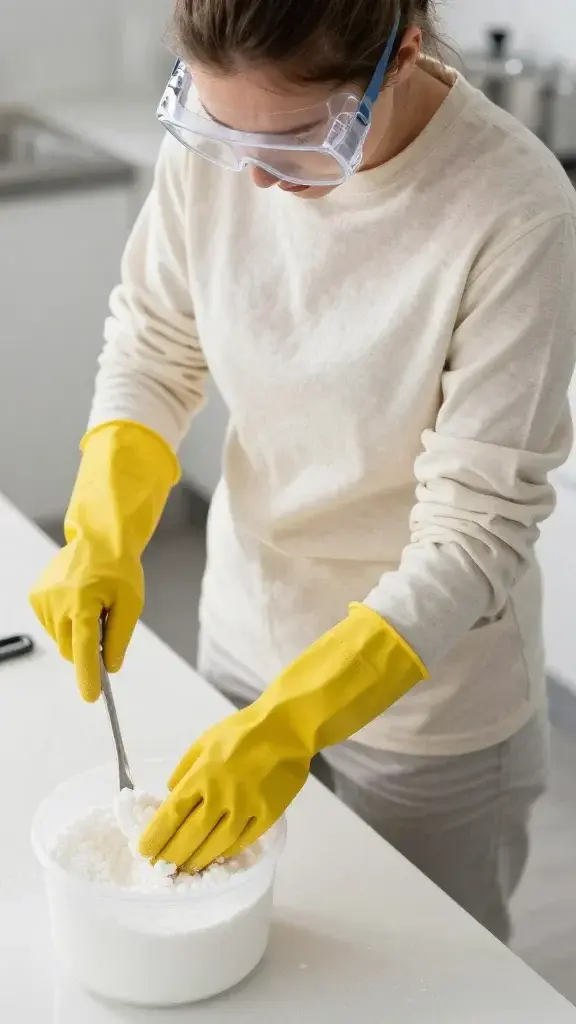
First things first: protective gear is non-negotiable when working with lye. Think of it like your soap-making armor against chemical burns.
Sodium hydroxide is incredibly alkaline and can cause serious damage to skin and eyes in seconds. No shortcuts here, seriously.
Essential Safety Gear:
- Safety goggles or glasses with side shields (regular glasses don’t cut it)
- Long rubber gloves that cover your forearms
- Long sleeves and pants made from natural fibers
- Closed-toe shoes (flip-flops are a hard no)
- Optional but smart: a protective apron
Keep all this gear in your soap-making kit so you’re never tempted to skip it. Trust me, one splash is all it takes to understand why this matters.
2. Create Your Lye-Mixing Command Center
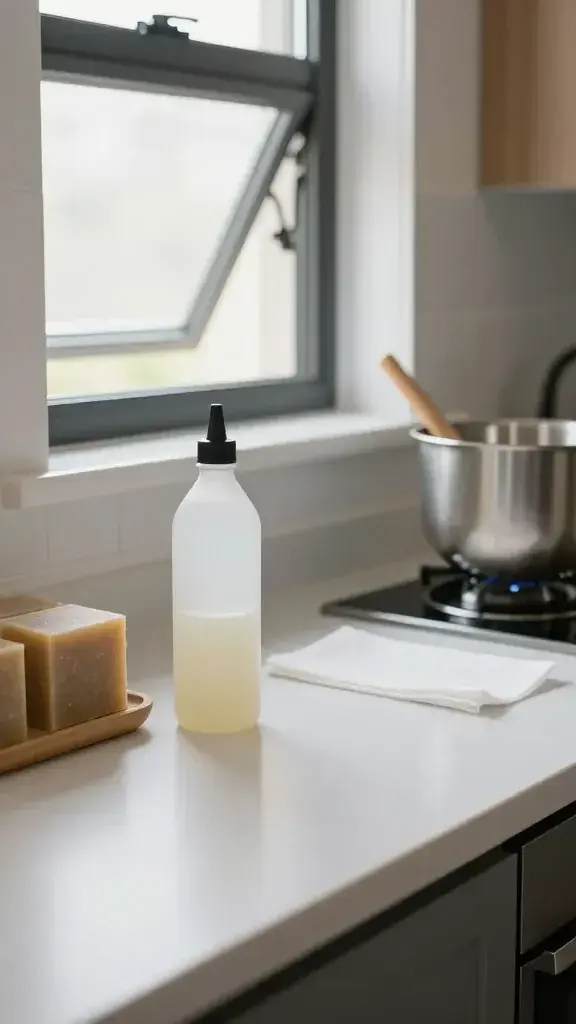
Where you mix your lye solution matters just as much as how you mix it. You need a well-ventilated workspace away from kids, pets, and anyone who might accidentally bump into you.
Lye creates intense fumes when mixed with water, and breathing those vapors feels like inhaling pool chemicals. Not fun.
Setup Checklist:
- Work near an open window or outdoors on a calm day
- Clear your workspace of clutter and distractions
- Keep a bottle of white vinegar nearby (it neutralizes lye)
- Have paper towels within reach for quick cleanups
- Never work near food prep areas
Your bathroom or kitchen sink works great because you’ve got running water nearby. Just make absolutely sure no one’s cooking or eating in the space while you work.
3. Master the Golden Rule: Always Add Lye to Water
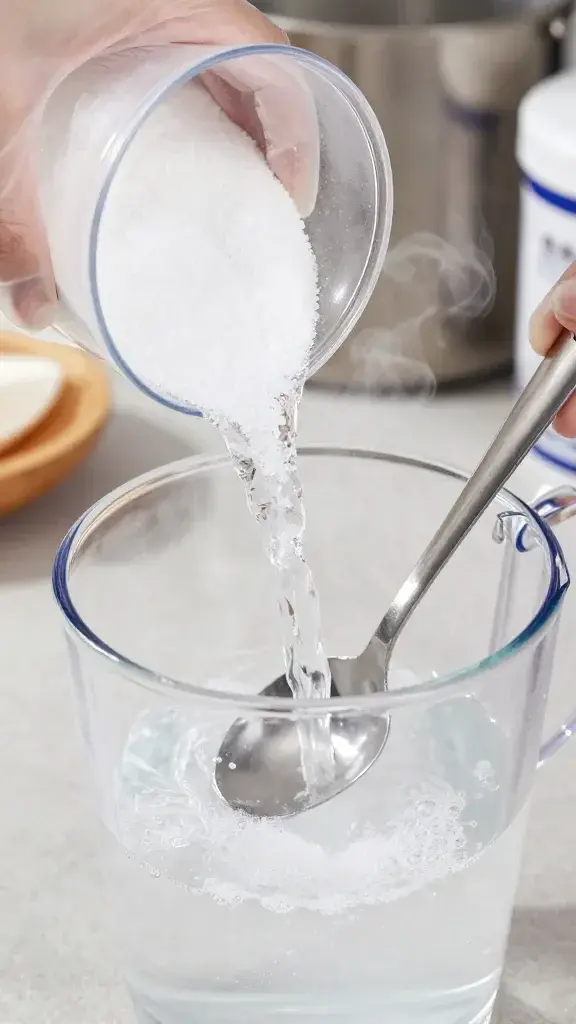
Here’s where people mess up most often: you must always add lye to water, never water to lye. Write this backwards on your forehead if you have to.
Adding water to lye can cause a violent eruption that sends caustic liquid everywhere. Chemistry 101, folks.
Pour your lye slowly into the water while stirring gently with a heat-resistant spatula or spoon. The mixture will heat up to around 200°F almost instantly, so use heat-safe containers like heavy-duty plastic pitchers or stainless steel.
Never use glass containers – the extreme temperature change can shatter them. Also, avoid aluminum, which reacts badly with lye and creates toxic fumes.
Stir until all the lye crystals dissolve completely, keeping your face away from those fumes. This whole process takes about 2-3 minutes of careful attention.
4. Store Lye Like the Dangerous Chemical It Is
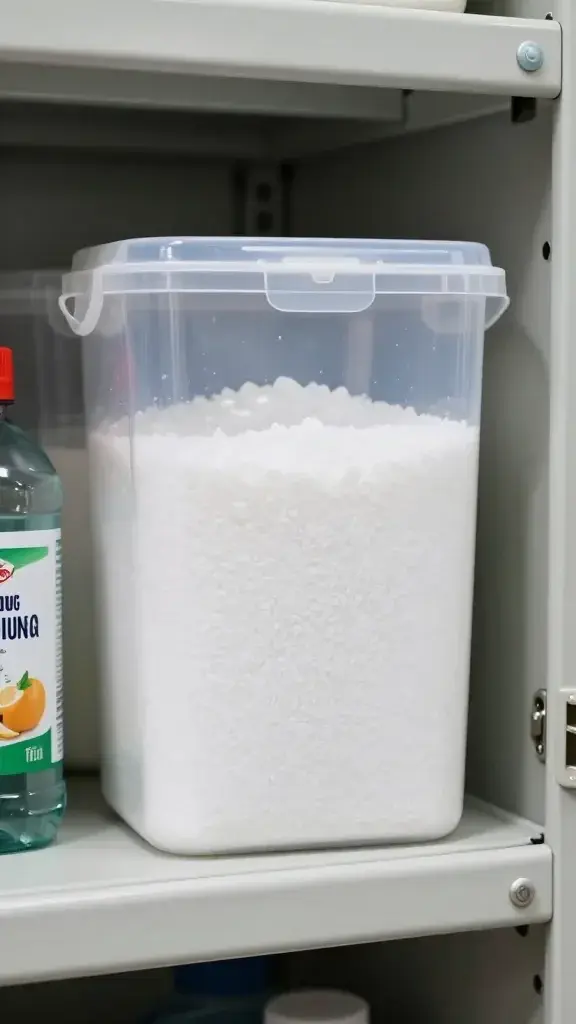
Your sodium hydroxide storage situation needs to be absolutely foolproof. This isn’t something you toss in the pantry next to the flour.
Lye is hygroscopic, meaning it pulls moisture from the air and turns into a caustic mess if left unsealed. Keep it in its original container with the lid tightly sealed.
Smart Storage Practices:
- Store in a locked cabinet or high shelf away from children and pets
- Keep it separate from acids like vinegar (they react violently)
- Label everything clearly with “DANGER: SODIUM HYDROXIDE”
- Store in a cool, dry place away from moisture
- Never transfer to unmarked containers
FYI, lye has an indefinite shelf life when stored properly. Just make sure moisture never gets inside that container.
5. Know Your Emergency Response Plan
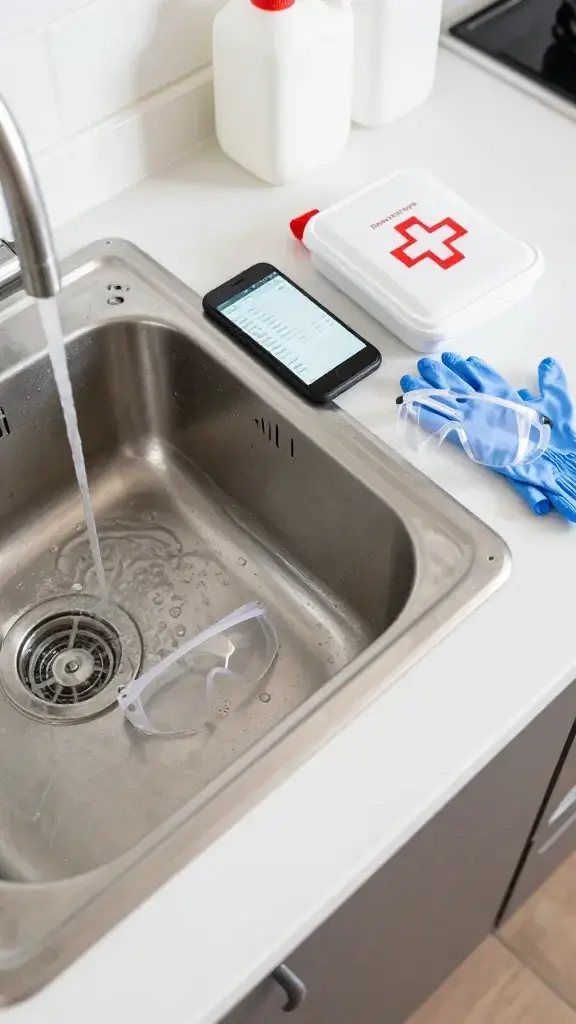
Even careful soap makers occasionally get splashed. Having an emergency action plan prevents panic and minimizes damage when accidents happen.
The moment lye touches skin, flush with cool running water for at least 15 minutes. Don’t grab vinegar first – just get that lye off your skin immediately.
For eye exposure, flush with water for 20-30 minutes and get medical attention right away. Keep the number for poison control (1-800-222-1222) saved in your phone.
If you spill lye solution on your workspace, neutralize it with vinegar, then wipe up with disposable towels. Never pour lye solutions down the drain until they’ve fully saponified with oils.
Keep a first aid kit in your soap-making space with burn gel and sterile gauze. Better to have it and not need it than the reverse.
You’ve got this! Lye safety might seem intimidating at first, but these five practices become second nature after your first few batches. Soon you’ll be whipping up gorgeous handmade soaps with confidence and zero drama. Now get out there and make some amazing soap – safely!