Cold Process vs Melt and Pour Soap: Which Method Is Right for You?

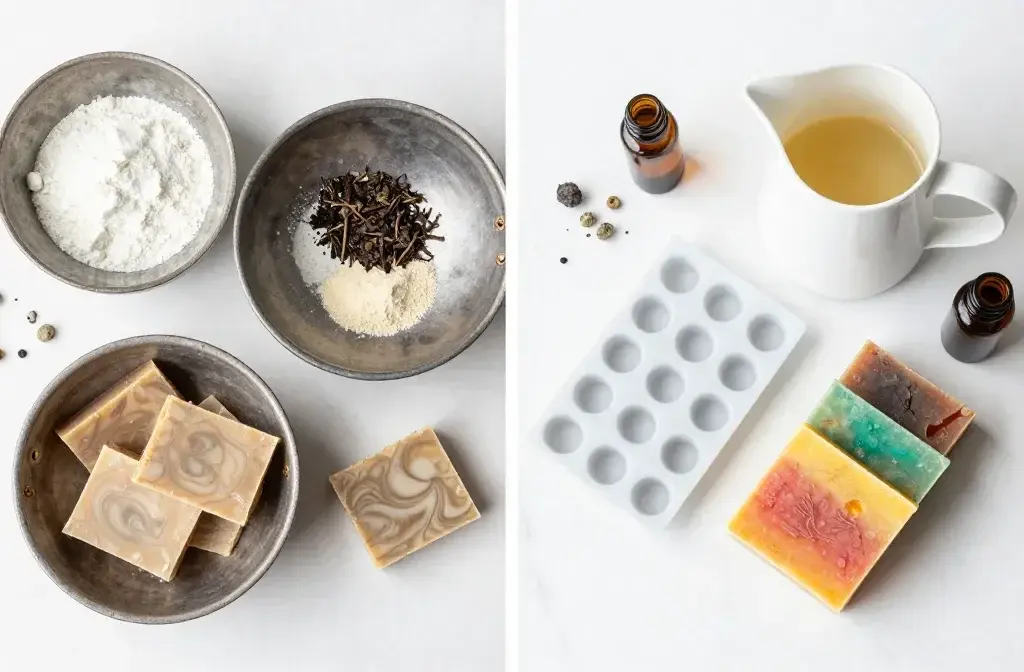
Ever stared at soap-making tutorials wondering which method won’t turn your kitchen into a chemistry disaster zone?
Choosing between cold process and melt and pour isn’t just about picking a technique – it’s about finding your perfect creative outlet that fits your lifestyle, patience level, and how much you actually enjoy playing with lye.
Let’s break down these two methods so you can start making gorgeous bars without the guesswork.
1. The Commitment Level: How Much Time Do You Actually Have?
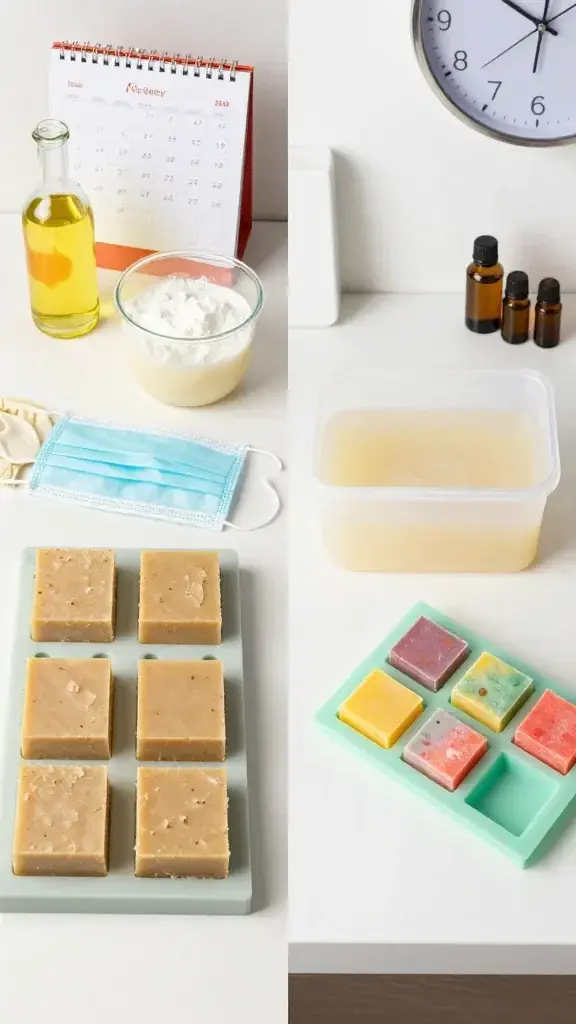
Here’s the deal: cold process soap is like adopting a pet that needs your attention for weeks. You mix oils and lye, pour your masterpiece, then wait 4-6 weeks for it to cure before you can even use it. Seriously, the patience required is real.
Melt and pour, on the other hand, is instant gratification at its finest. You melt pre-made soap base, add your colors and scents, pour it into molds, and boom – you’re washing your hands with your creation within hours.
If you’re the type who starts projects at midnight and wants results before bed, melt and pour is calling your name. Got the patience of a saint and love the slow craft vibe? Cold process might be your soulmate.
2. The Safety Factor: Are You Ready to Handle Lye?
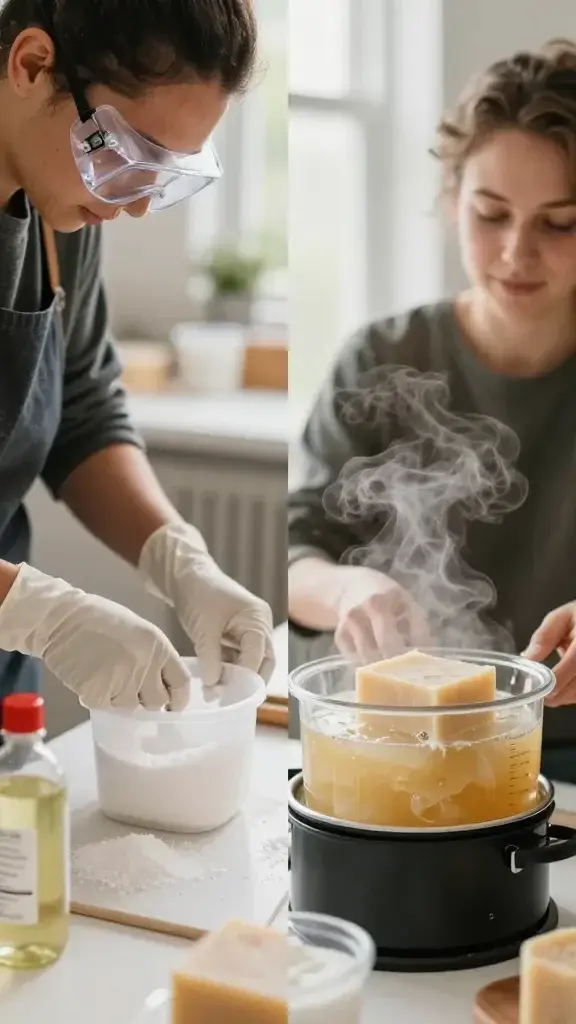
Cold process soap making requires working with lye (sodium hydroxide), which is basically a chemical you need to respect like you’d respect a very grumpy cat. Safety goggles, gloves, and good ventilation aren’t optional – they’re mandatory.
Safety Requirements:
- Safety goggles and rubber gloves
- Long sleeves and closed-toe shoes
- Well-ventilated workspace
- Vinegar nearby (neutralizes lye spills)
With melt and pour, your biggest safety concern is not burning yourself on hot soap base. No scary chemicals, no fumes, no drama. FYI, this makes it perfect if you want to craft with kids or just prefer keeping things simple.
Think of it this way: cold process is advanced baking, melt and pour is making Rice Krispies treats.
3. Creative Control: Do You Want Total Artistic Freedom?
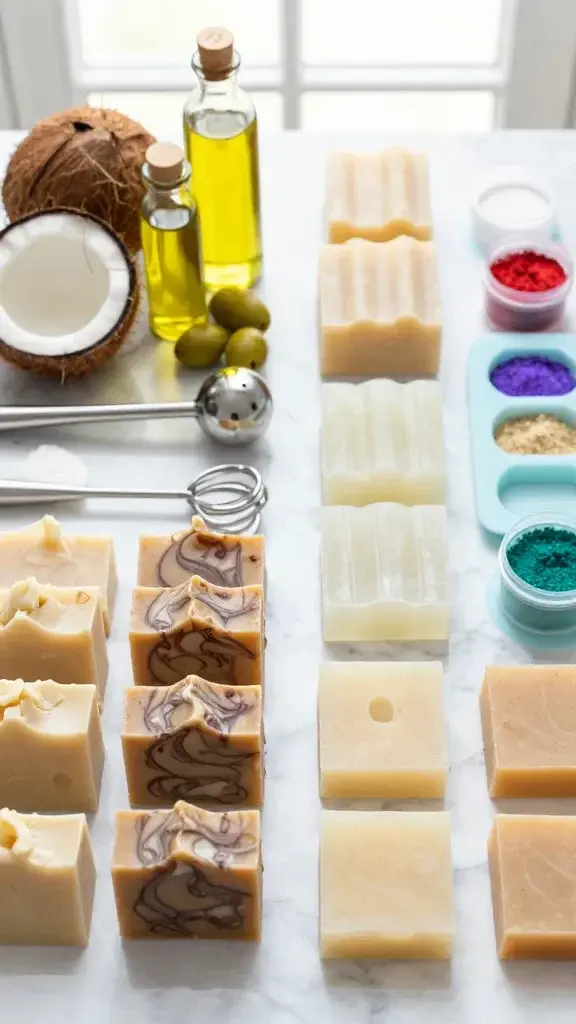
Cold process gives you complete creative control over everything – your oil blend, the ingredients, the texture, the whole shebang. Want goat milk soap with shea butter and exactly 3% superfat? You’re the boss.
You can create swirls, layers, and textures that make people think you’re running a boutique soap company from your basement. The customization options are literally endless.
Melt and pour has some limitations since you’re working with a pre-made base, but don’t let that fool you. You can still add colors, fragrances, exfoliants, and create stunning designs with embeds and layers. Think of it as customizing instead of building from scratch.
Both methods let you flex your creative muscles – just in different ways.
4. The Budget Reality Check: What’s This Going to Cost You?
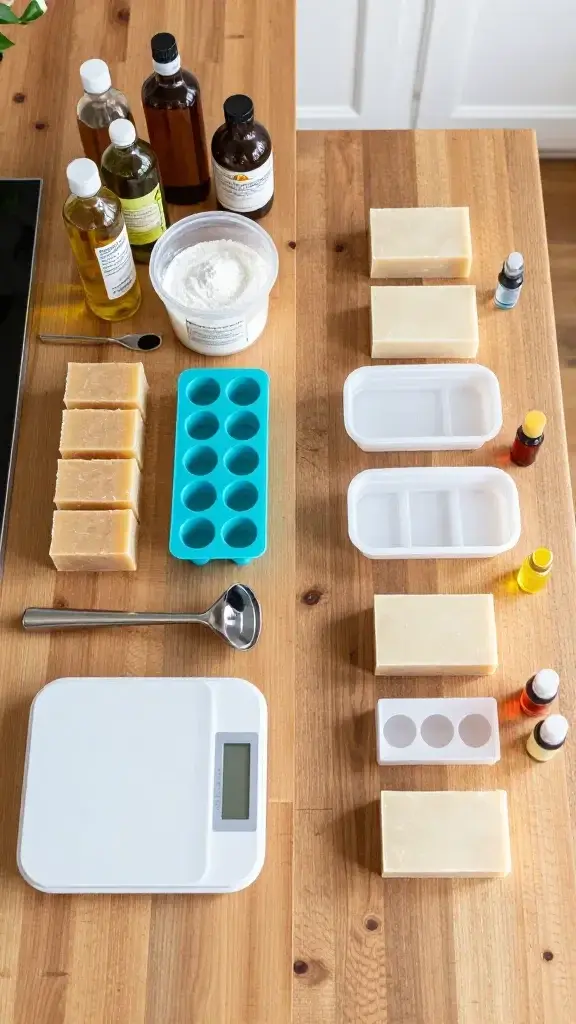
Let’s talk money. Cold process soap has higher upfront costs because you need oils (coconut, olive, palm), lye, a stick blender, molds, and ideally a digital scale. But once you’re set up, the per-batch cost drops significantly.
Melt and pour bases cost more per pound than making soap from scratch, but your startup investment is way lower. You basically need soap base, molds, and maybe some colorants and fragrances. Done.
Cost Breakdown:
- Cold process startup: $50-100
- Melt and pour startup: $20-40
- Per-batch costs: Cold process wins long-term
Trust me, if you’re just testing the waters, melt and pour won’t make your wallet cry.
5. The Learning Curve: How Much Do You Love Research?
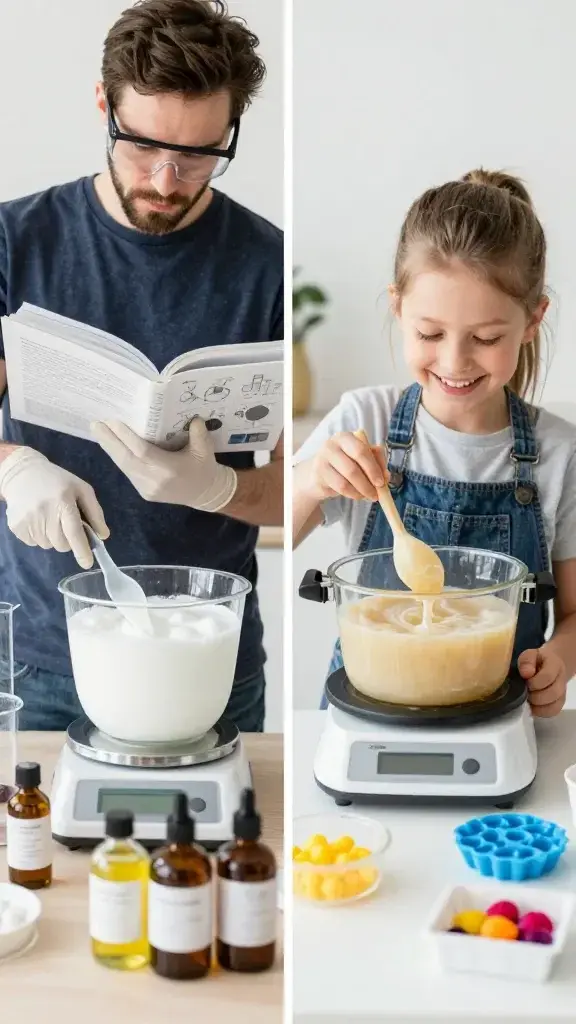
Cold process requires actual studying. You need to understand saponification, lye safety, oil properties, and how to use a soap calculator (yes, that’s a real thing). One wrong measurement and your soap might be too soft, too harsh, or just plain weird.
The learning curve is steep, but soap makers who love this method are basically nerds who get excited about chemistry – and there’s nothing wrong with that.
Melt and pour is beginner-friendly to the max. If you can follow a simple recipe and operate a microwave, you’re golden. No calculations, no chemistry degree needed, just creativity and enthusiasm.
IMO, melt and pour is perfect for testing whether you even like soap making before investing in the full cold process setup. You can always level up later.
So which method wins? Honestly, they both rock for different reasons. Start with melt and pour if you want instant results and easy entry, or dive into cold process if you’re ready to embrace the science and don’t mind the wait. Either way, you’re about to make some seriously gorgeous soap!