How to Make Origami Animals: Step-by-Step Guide for Beginners

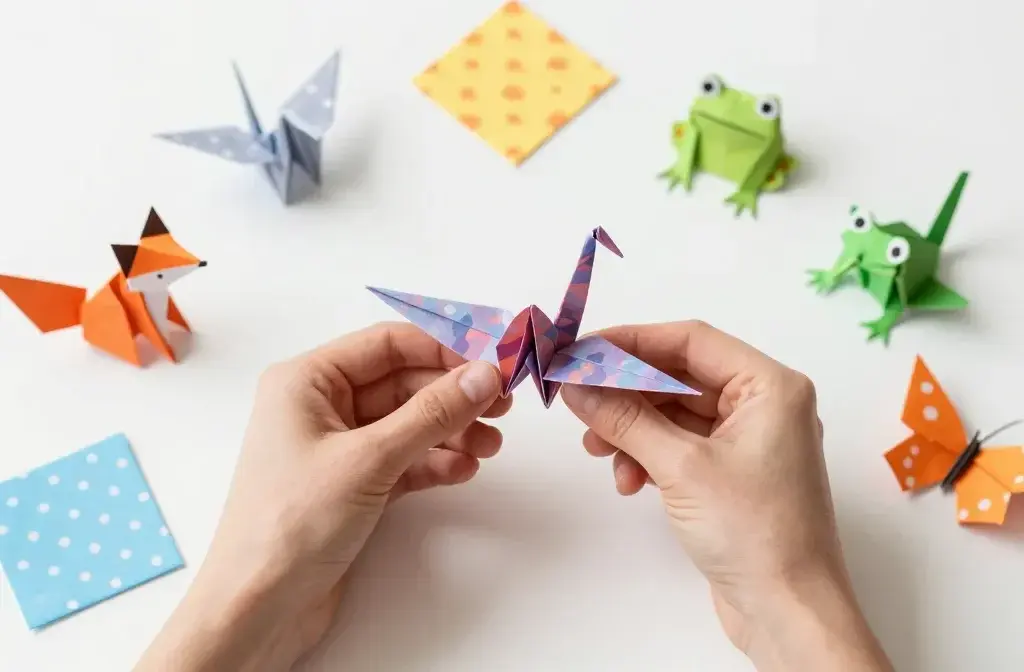
You know that magical moment when someone casually folds a napkin into a swan at dinner and everyone loses their minds? That could be you. Origami isn’t some mystical art form reserved for Japanese masters—it’s totally learnable, and making adorable paper animals is honestly the best place to start. Let’s turn you into that person who whips out impressive paper creatures like it’s no big deal.
What You Actually Need to Get Started
Here’s the good news: origami is probably the cheapest hobby you’ll ever pick up. You literally just need paper. Sure, you can drop money on fancy origami paper with beautiful patterns, but regular printer paper works perfectly fine when you’re learning.
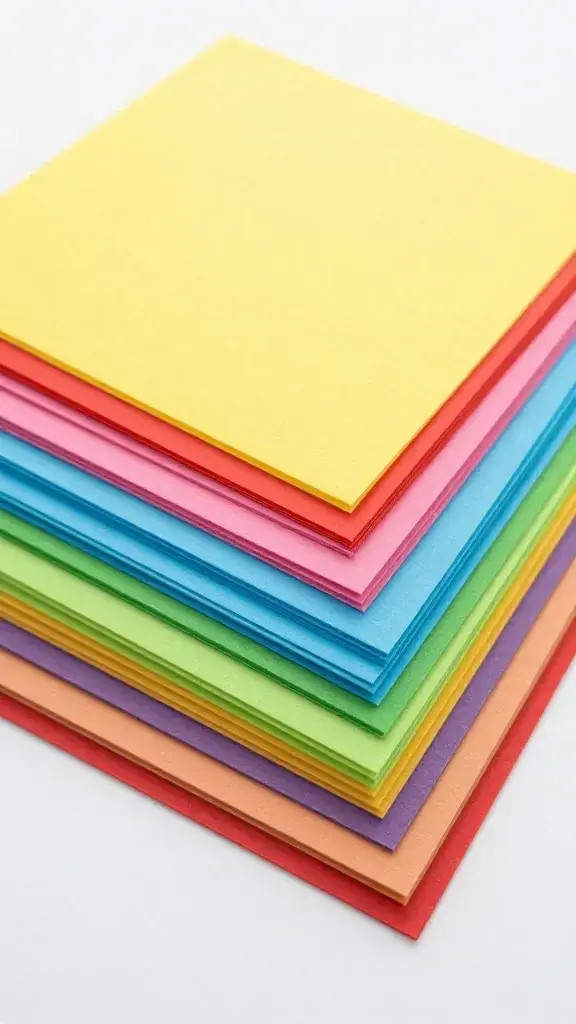
That said, if you want to grab some proper origami paper, look for 15cm x 15cm squares. They’re the sweet spot—not too big, not too small. You can find packs at craft stores or online for like five bucks. The paper is thinner than regular paper, which makes folding cleaner and crisper.
Keep a flat surface nearby. Your kitchen table works great. Maybe grab a ruler or bone folder if you want super crisp creases, but honestly? Your fingernail does the job just fine.
The Basic Folds You Need to Know
Before you dive into making animals, you need to speak a bit of origami language. Don’t worry—there are only a few basic folds, and once you’ve got them down, you’ll see them pop up in every design.
Valley Fold and Mountain Fold
The valley fold is when you fold the paper toward you, creating a valley shape. Simple, right? The mountain fold is the opposite—you fold away from you, making a little mountain peak. These two folds are like 80% of what you’ll do in origami.
The All-Important Reverse Fold
This one trips people up at first, but it’s crucial for making animal heads and tails. You basically fold a section, then open it slightly and push the fold inside-out. Sounds weird, but once you do it a few times, it clicks. This fold is what transforms a flat piece into something that actually looks like a creature.
Squash Fold and Petal Fold
The squash fold involves opening a flap and pressing it flat into a new shape—like squashing it (shocking, I know). The petal fold combines several valley and mountain folds to create a petal-like point. You’ll use these for things like ears and wings.
Your First Animal: The Classic Crane
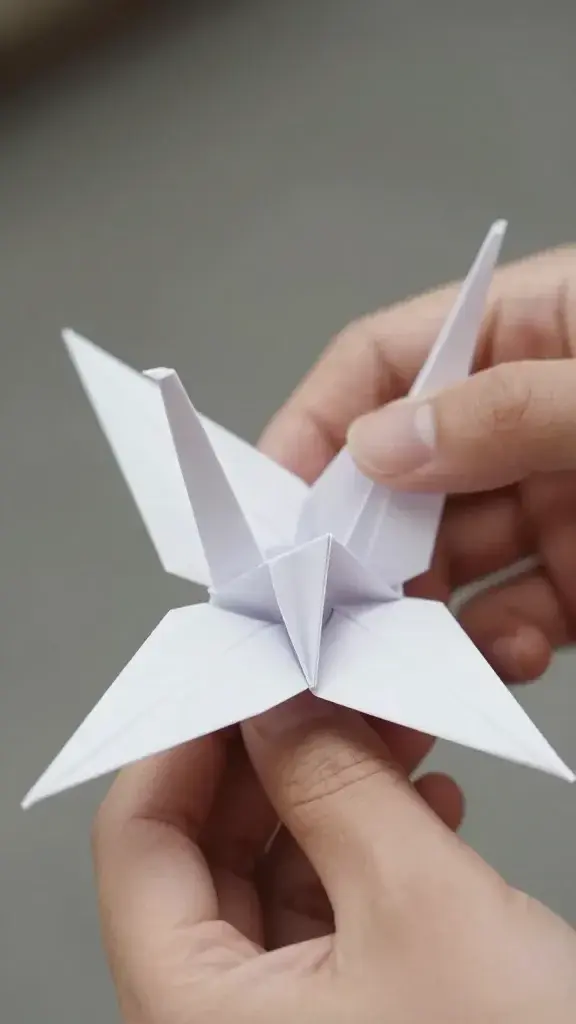
Yeah, yeah, everyone starts with the crane. There’s a reason for that—it teaches you basically everything you need to know. Plus, you can tell people about the Japanese legend of folding 1,000 cranes for good luck. Instant conversation starter.
Start with your paper colored-side down (if it has a colored side). Fold it diagonally both ways, then flip it over and fold it in half both ways. You should have an asterisk of creases. Now here’s where it gets fun: bring all four corners together at once, collapsing the paper into a square base. This base is your foundation for tons of different animals.
From here, you’ll do a series of folds that create the crane’s long neck and tail. The whole process takes maybe 20 steps, and honestly, the first time might take you 15 minutes. The tenth time? You’ll bang it out in two minutes flat.
Level Up: Making a Jumping Frog
Want something interactive? The jumping frog is ridiculously fun and way easier than it looks. Kids go absolutely bonkers for these, FYI.
You start with a rectangular piece of paper (not a square this time). Make a bunch of strategic folds to create the frog’s body, then—and this is the best part—you create a little spring mechanism on its back. Press down on the frog’s butt (technical term), release, and it actually jumps forward. It’s stupid simple and stupidly entertaining.
Pro Tips for Frog Success
- Use stiffer paper for better jumps—magazine pages work amazingly
- The smaller your frog, the better it jumps (weird but true)
- Make the final fold really crisp—that’s your spring power right there
- Race multiple frogs for maximum entertainment value
The Easiest Animals for Total Beginners
Not ready for the crane’s 20+ steps? I feel you. Here are some super beginner-friendly animals that still look impressive:
The Dog Face: Like 8 folds total. You end up with a cute puppy head that you can draw features on. Perfect for testing the waters.
The Cat: Similar to the dog but with a few tweaks to make pointier ears. You can make a whole family of cats in different sizes.
The Butterfly: Gorgeous, simple, and you can use patterned paper to make it pop. Great for decorating cards or your wall.
The Fish: Involves maybe 10 folds and creates a surprisingly realistic-looking fish. Make a whole school in different colors.
Start with these, nail them, then work your way up to more complex creatures. Building confidence matters way more than jumping straight to advanced stuff and getting frustrated.
Common Mistakes (And How to Not Make Them)
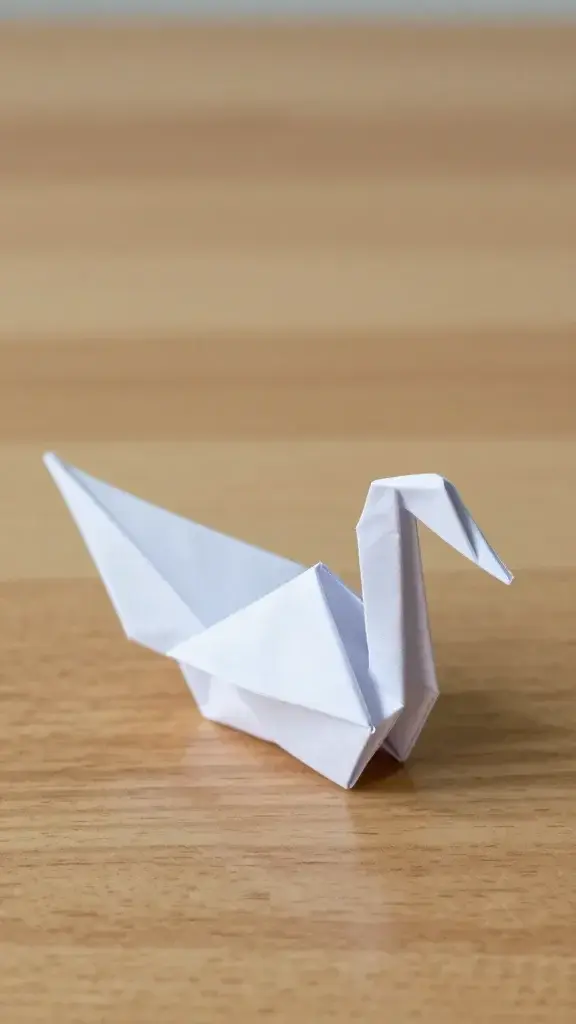
Let’s talk about the screw-ups everyone makes because I guarantee you’ll hit at least a few of these speedbumps.
Uneven folds are your enemy. Seriously, if your corners don’t line up perfectly, your final product will look wonky. Take the extra two seconds to align everything precisely before you crease. Your future self will thank you.
Wimpy creases won’t cut it. You need to commit to those folds. Run your fingernail along every crease with some pressure. Sharp, defined creases are what separate “meh” origami from “whoa, you made that?”
Don’t skip steps because you think you know where it’s going. You don’t. Follow the instructions exactly, especially when you’re learning. Once you’ve made something successfully a few times, then you can start experimenting.
Paper Quality Actually Matters
I said earlier that printer paper works fine, and it does—for learning. But once you’ve got the hang of things, upgrading your paper makes a massive difference. Kami paper is the standard beginner origami paper, while washi paper gives you gorgeous textures and patterns.
Thick paper is harder to fold but holds its shape better. Thin paper is easier to manipulate but might tear if you’re rough with it. Find your sweet spot.
Where to Find Great Patterns and Instructions
YouTube is honestly your best friend here. You can watch someone fold in real-time, pause, rewind, and actually see what “reverse fold” means in action. Channels like “Jo Nakashima” and “Origami with Jo” have hundreds of animal tutorials at every skill level.
For written instructions, check out origami-instructions.com or grab a book like “Easy Origami” by John Montroll. Books are great because you can have them open next to you without worrying about your phone screen timing out at the worst possible moment.
IMO, combining video tutorials with written diagrams works best. Watch the video first to understand the overall process, then use the diagram as your reference while you fold.
Taking Your Skills Further
Once you’ve mastered the basics, the origami world opens up wide. You can explore modular origami, where you fold multiple pieces and combine them into complex structures. Or dive into wet-folding, a technique that lets you create curved, sculptural animals instead of angular ones.
Some people get into origami tessellations, which create mind-bending geometric patterns. Others focus on super realistic animals that can take hours to fold from a single uncut sheet. The rabbit hole goes deep if you want to explore it.
But honestly? Just making simple paper animals and seeing people’s faces light up is pretty rewarding on its own.
Frequently Asked Questions
Can I use regular notebook paper or does it have to be special origami paper?
Regular paper totally works, especially when you’re learning. The main difference is that origami paper is thinner and easier to fold, plus it’s already cut into perfect squares. Notebook paper with those ragged edges and lines can be distracting, but if that’s what you’ve got, go for it. Just cut it into squares first.
How long does it take to get good at origami?
You can make recognizable animals within your first hour, no joke. Getting “good” depends on your definition. If you practice for 30 minutes a few times a week, you’ll be cranking out intermediate-level animals within a month. The learning curve isn’t as steep as you’d think—it’s more about pattern recognition than manual dexterity.
My folds never look as clean as the tutorials. What am I doing wrong?
Probably one of two things: either you’re not aligning your edges precisely before creasing, or you’re not making firm enough creases. Origami is honestly like 70% precision and 30% technique. Use a hard surface underneath, line everything up perfectly, then really press those creases hard. Also, some papers just fold cleaner than others.
What’s the hardest origami animal to make?
Complex dragons and phoenixes designed by masters like Satoshi Kamiya can have 100+ steps and take literally hours. Some realistic insects require insanely precise folds and paper that’s almost tissue-thin. But here’s the thing—you don’t need to worry about that stuff when you’re starting out. Stick with beginner animals and work your way up gradually.
Can kids do origami or is it too frustrating for them?
Kids can absolutely do origami! Start them with super simple designs like the dog face or a basic boat. Children as young as 5 or 6 can manage easy folds with a little help. It’s actually amazing for developing fine motor skills and spatial reasoning. Just don’t start them with a crane and expect success—set them up to win with age-appropriate designs.
Do I need to memorize the folds or can I always use instructions?
Most people use instructions every time, especially for complex designs. You’ll naturally memorize your favorites after making them a few times, but there’s zero shame in keeping a tutorial handy. Even experienced folders use diagrams for new designs. Your brain has better things to store than the 47 steps to make an elephant.
Wrapping It Up
Origami animals are genuinely one of the most satisfying things you can learn. You start with a flat square, make a bunch of folds, and somehow end up with a recognizable creature. It’s like magic, except you’re the magician.
Start simple, be patient with yourself, and make those creases sharp. Before you know it, you’ll have a whole paper zoo and the impressive party trick you never knew you needed. Now grab some paper and start folding—your first crane is waiting.