How to Make a Paper Lantern at Home: DIY Tutorial With Photos

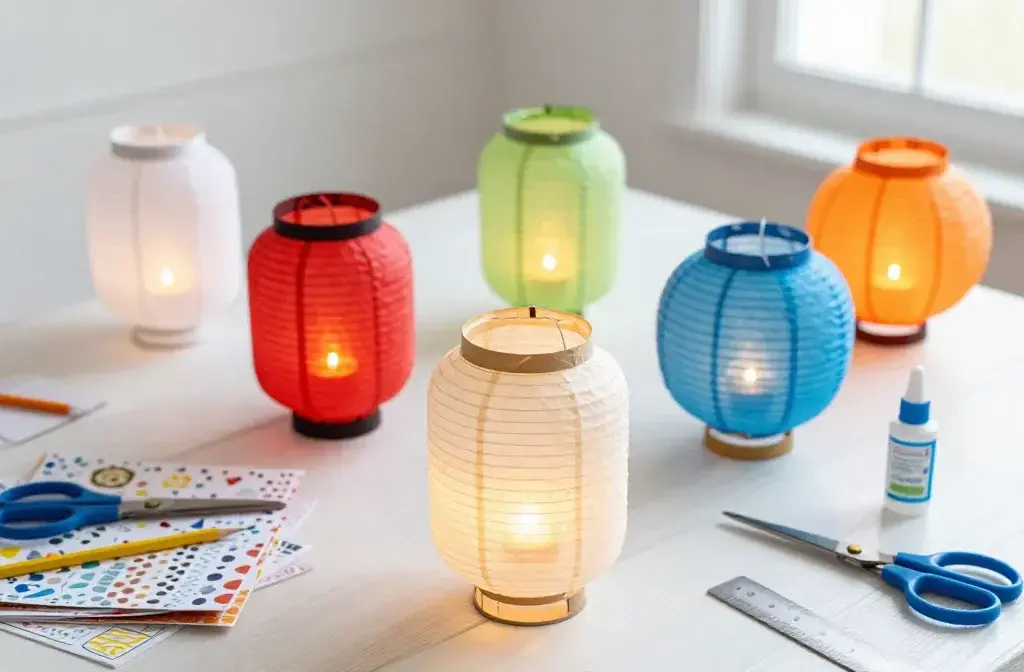
Want to add some warm, cozy vibes to your space without dropping serious cash at a home decor store? Paper lanterns are ridiculously easy to make, look fantastic, and you probably have most of the materials lying around already. Plus, there’s something weirdly satisfying about turning a few sheets of paper into something actually beautiful.
What You’ll Need to Get Started
Before you dive in, let’s gather your supplies. The good news? This project won’t send you on a wild goose chase to seventeen different craft stores.
Here’s your shopping list:
- Colored or patterned paper (cardstock works best, but regular printer paper does the job)
- Scissors (the sharper, the better)
- Ruler and pencil for measuring
- Glue stick or double-sided tape
- String or ribbon for hanging
- Battery-operated tea light (seriously, DO NOT use real candles unless you enjoy excitement of the fire-hazard variety)
- Optional: Decorative elements like stickers, stamps, or glitter
Got everything? Great. Let’s make something pretty.
The Classic Cylindrical Lantern Method
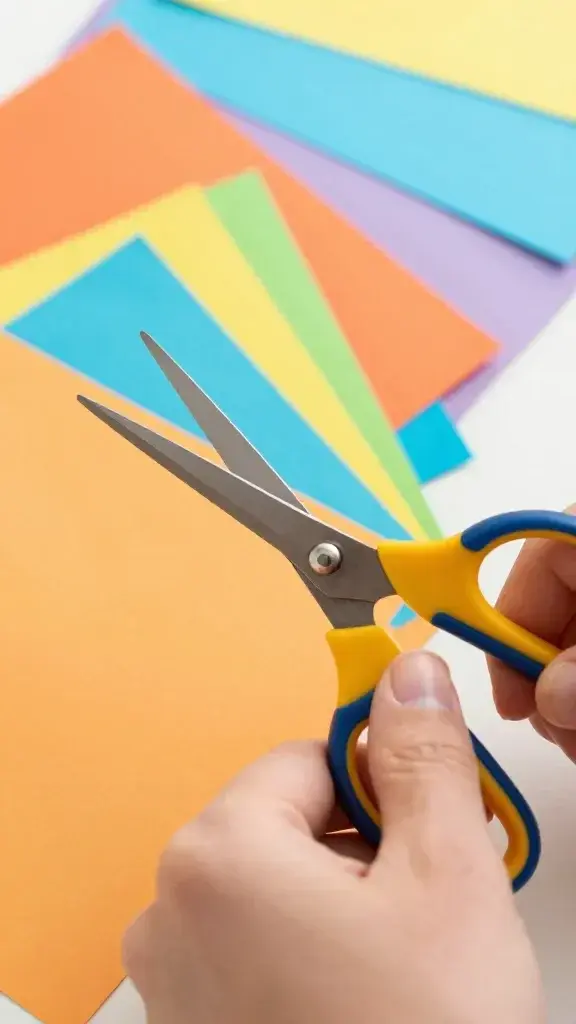
This is your gateway drug into paper lantern making. Simple, forgiving, and impressive enough that people will think you spent way more time on it than you actually did.
Step 1: Measure and Cut Your Paper
Start with a rectangular piece of paper. Standard size is about 8.5 by 11 inches, but honestly? Go with whatever you’ve got. Fold your paper in half lengthwise so the shorter edges meet up.
Now here comes the fun part. Using your ruler, draw lines from the folded edge toward the open edge, stopping about one inch from the top. Space these lines about half an inch apart. These will be your cutting guides.
Step 2: Make the Cuts
Carefully cut along each line you just drew, starting at the folded edge and stopping at your one-inch mark. Keep the cuts as straight as possible, but don’t stress if they’re not perfect. Handmade charm is real, people.
When you unfold the paper, you’ll see vertical strips running down the middle with solid borders at the top and bottom. Looking good already, right?
Step 3: Form the Cylinder
Here’s where your lantern starts taking shape. Bring the two short ends together to form a cylinder, with the cut strips on the inside. The strips will naturally bow outward, creating that classic lantern shape.
Secure the ends with glue or tape along the entire edge. Hold it for about 30 seconds to make sure it’s stuck properly. Nobody wants their lantern falling apart mid-display.
Step 4: Add a Handle and Light
Cut a strip of paper about half an inch wide and attach it to opposite sides of the top rim to create a handle. This is what you’ll use to hang your masterpiece.
Pop a battery-operated tea light inside (on the bottom), and boom – you’ve got yourself a legit paper lantern. Was that so hard?
The Accordion-Style Lantern
Ready to level up? The accordion style gives you more texture and dimension, plus it looks fancier without actually requiring fancy skills.
Take a long strip of paper (at least 20 inches long and about 4 inches wide). Fold it accordion-style, making each fold about one inch wide. Think of those paper fans you made as a kid – same concept.
Once you’ve folded the entire strip, use a hole punch to make a hole through all the layers near one end. Thread your string through the hole, then carefully fan out the accordion to form a circle. Glue the two ends together where they meet.
Pro tip: Alternate between different colored papers when you fold for a rainbow effect that’s honestly kind of addictive to look at.
Getting Creative With Decorations
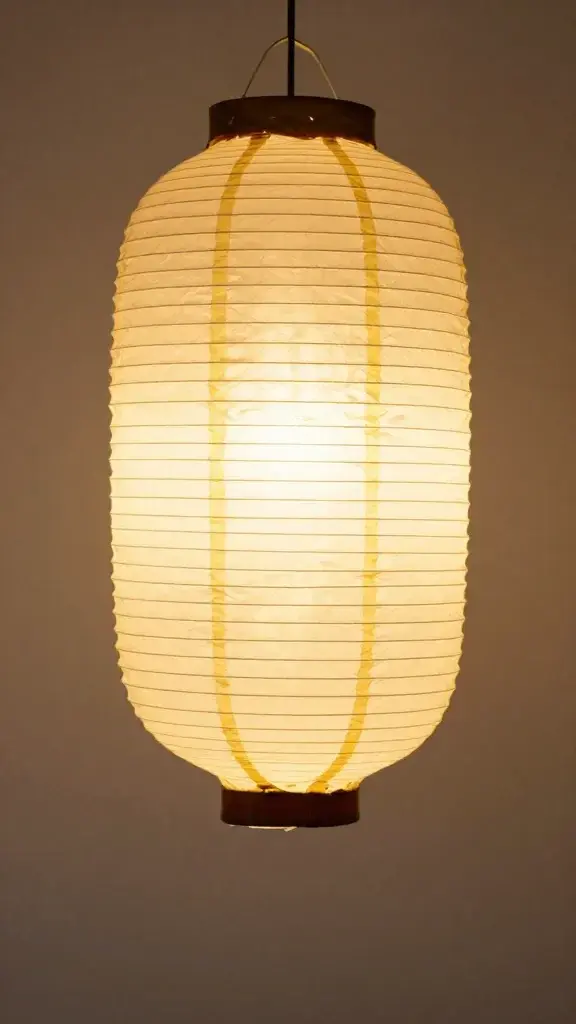
Plain paper lanterns are nice, but decorated ones? Chef’s kiss. This is where you get to let your personality shine through.
Before you assemble your lantern, try these decoration ideas:
- Stamp designs across the paper with ink pads
- Draw patterns with markers or colored pencils
- Cut out small shapes (stars, hearts, circles) to let more light through
- Use patterned scrapbook paper instead of plain cardstock
- Add pressed flowers between two layers of tissue paper for a botanical vibe
- Paint watercolor washes for a soft, dreamy effect
FYI, if you’re going the cutout route, do it before you form the cylinder. Trying to cut shapes after assembly is a one-way ticket to Frustrationville.
Advanced Technique: The Origami Cube Lantern
Feeling ambitious? The cube lantern looks seriously impressive and isn’t as complicated as it seems. You’ll need six square pieces of paper, all the same size.
Fold each square diagonally both ways, then fold it in half both ways. These creases will guide your folds. Bring the corners to the center point, creating a smaller square. Fold the edges toward the center line, making triangular flaps.
Do this for all six pieces, then connect them by tucking the flaps of one piece into the pockets of another. It’s like a puzzle, except you’re creating the pieces AND solving it. Work your way around until you’ve formed a cube with an opening at the top for your light.
Is this method more time-consuming? Absolutely. Will people be blown away? Also absolutely.
Safety Tips Because We’re Responsible Adults
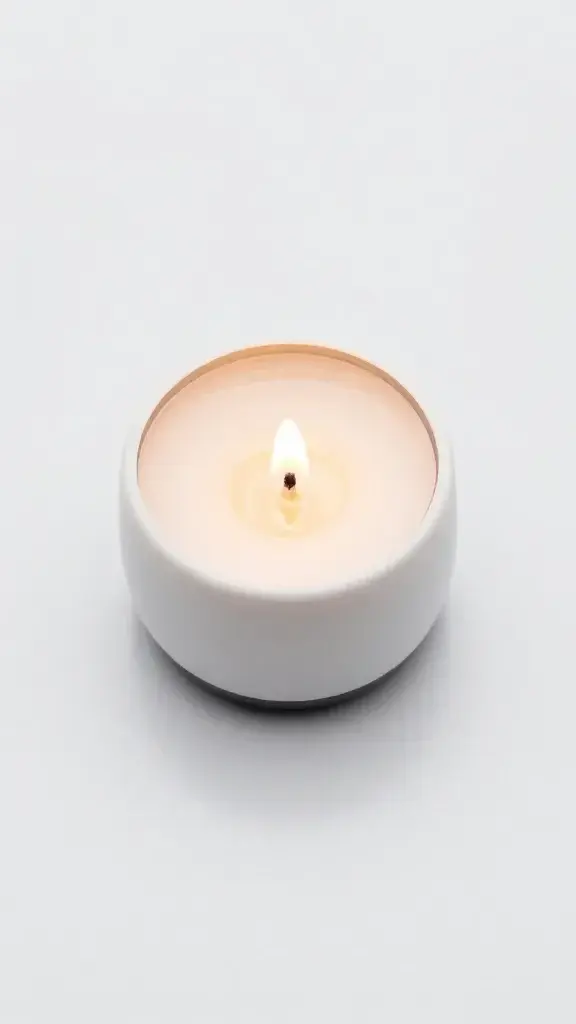
Let’s talk safety for a second because nobody wants this craft session ending with a call to 911.
Never, ever use real candles inside paper lanterns. I don’t care how careful you think you’ll be. Paper plus flame equals disaster waiting to happen. Battery-operated LED tea lights give you the same warm glow without the potential for catastrophe.
Don’t hang lanterns directly above heat sources or near curtains and other flammable materials. Give them some space to do their thing safely.
If you’re making these with kids, supervise the cutting portions. Those scissors can be sneaky sharp, and excited children plus sharp objects sometimes equals tears.
Displaying Your Paper Lanterns
You’ve made these beauties, so let’s show them off properly. Hang them at varying heights from the ceiling for a whimsical, floating effect. Group several together in one corner to create a focal point. String them along a mantle or bookshelf for ambient lighting.
They also work wonderfully for parties and events. Wedding shower? Make them in the bride’s colors. Kid’s birthday? Let them decorate their own as a party activity. Holiday gathering? Seasonal colors and patterns, obviously.
IMO, they look best in odd numbers. Three lanterns grouped together beats two or four every time. Something about odd numbers just feels more visually balanced.
Frequently Asked Questions
Can I use tissue paper instead of cardstock?
Absolutely! Tissue paper creates a softer, more diffused light that’s gorgeous. The downside? It’s more delicate and harder to work with. If you’re a beginner, start with cardstock and work your way up to tissue paper once you’ve got the technique down. You can also layer tissue paper over a cardstock frame for the best of both worlds.
How long do paper lanterns typically last?
If you keep them indoors and handle them gently, paper lanterns can last for years. The main enemies are moisture, direct sunlight (which fades colors), and curious pets who think they’re toys. Store them somewhere dry when you’re not using them, and they’ll stick around for many displays to come.
Can I make weatherproof lanterns for outdoor use?
Regular paper won’t survive outside, but you can make weather-resistant versions using wax paper or by coating regular paper with a sealant spray. Another option is using outdoor-friendly materials like thin plastic sheets or waterproof scrapbook paper. Just remember that even weatherproofed versions won’t last forever outdoors.
What’s the best type of paper for beginners?
Start with regular cardstock from any craft store. It’s thick enough to hold its shape but thin enough to cut easily and let light through. Once you’re comfortable with the basic techniques, branch out to specialty papers like mulberry paper, vellum, or handmade paper for different effects.
How do I fix a lantern that won’t hold its shape?
Usually this means you need thicker paper or more secure gluing. Try adding an extra strip of cardstock around the inside rim to reinforce the structure. You can also create a wire frame using thin craft wire to support the paper shape, which is especially helpful for larger lanterns.
Can I wash or clean paper lanterns?
Not really, no. Paper and water don’t mix well. Instead, use a soft, dry cloth or a clean makeup brush to gently dust them off. For stubborn spots, try a barely damp cloth, but test it on an inconspicuous area first. Prevention is your best bet – keep them away from greasy kitchens and dusty areas.
Wrapping It Up
There you have it – everything you need to create gorgeous paper lanterns without spending a fortune or requiring a PhD in crafting. Start with the simple cylindrical version to build your confidence, then experiment with different styles and decorations as you get more comfortable.
The beauty of this project is that there’s no wrong way to do it. Your lanterns might look different from mine, and that’s exactly the point. Handmade items carry their own unique charm that factory-made decorations just can’t match. So grab some paper, scissors, and glue, and start creating some mood lighting that’ll make your space feel like a cozy sanctuary. Your Instagram feed will thank you.