Candle Making for Beginners: Everything You Need to Know Before Starting

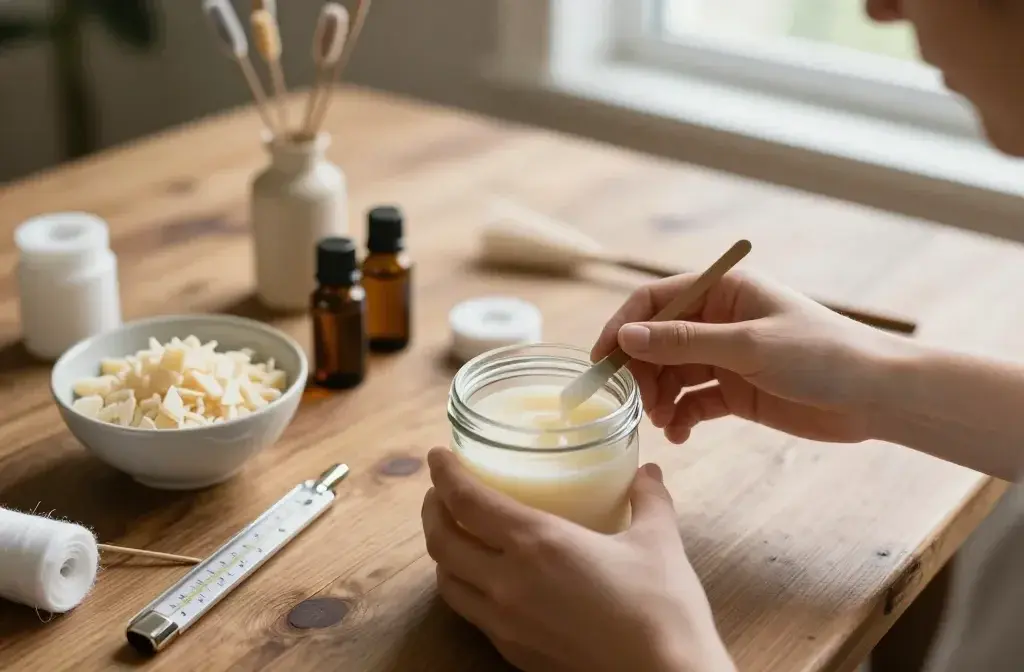
Think candle making is just melting wax and hoping for the best? Think again.
Getting into this craft means creating custom scents, saving money on expensive store-bought candles, and impressing literally everyone with handmade gifts they’ll actually use.
Let’s break down everything you need to know so your first batch doesn’t turn into a Pinterest fail.
1. Pick Your Wax Wisely (It’s Not All the Same)
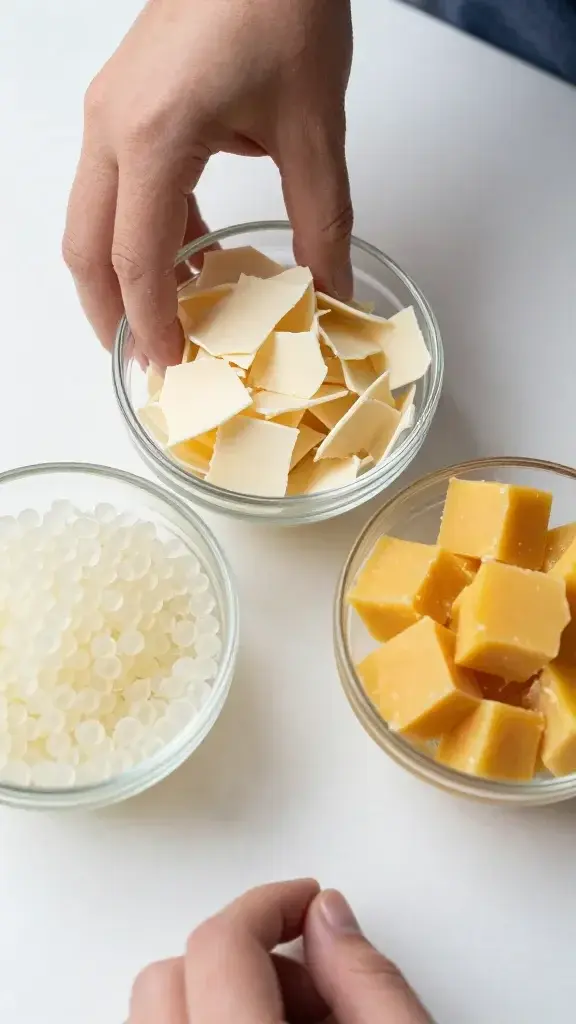
Here’s the deal: not all wax behaves the same way, and choosing the wrong one will frustrate you fast. Soy wax is your best friend as a beginner because it’s forgiving, burns clean, and holds scent beautifully.
Paraffin wax is cheaper but releases some not-so-great stuff when burned. Beeswax smells amazing naturally but costs more and can be tricky to work with. FYI, you can also find wax blends that combine the best of both worlds.
Quick Comparison:
- Soy wax: eco-friendly, easy to clean, holds fragrance well
- Paraffin: cheapest option, bright colors, petroleum-based
- Beeswax: natural honey scent, burns longest, higher price point
Start with soy wax and branch out once you’ve nailed the basics. Trust me on this one.
2. Get the Right Wick (Seriously, This Matters)
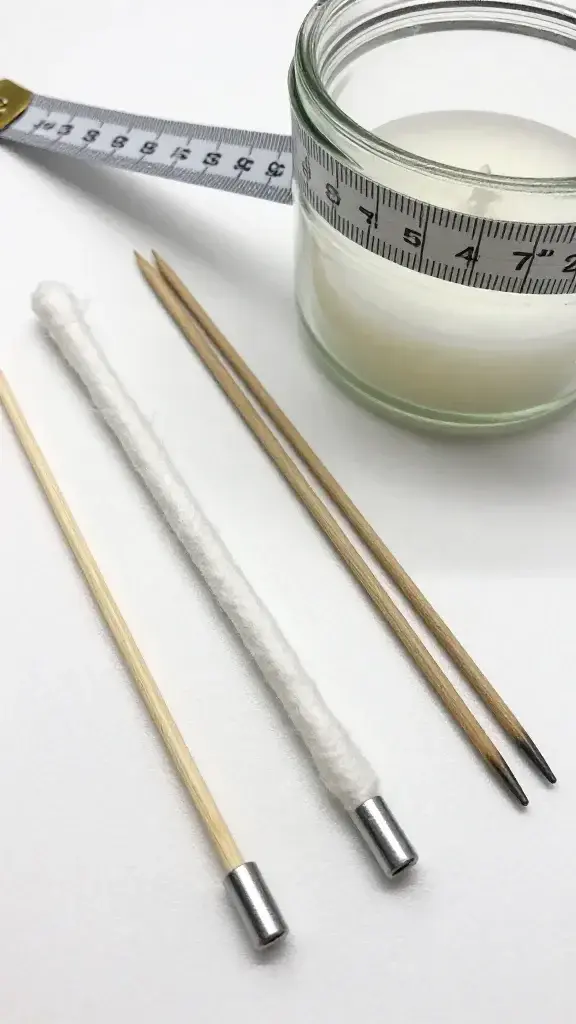
You might think a wick is just a string, but choosing the wrong size will give you either a pathetic flame or a raging inferno. The wick size depends on your container’s diameter, and getting this right makes or breaks your candle.
Cotton wicks work great for soy and paraffin, while wooden wicks create that trendy crackling sound everyone loves. Start with pre-tabbed cotton wicks sized for your container (most jars are 3-4 inches wide, which need medium wicks).
Wick Selection Tips:
- Measure your container’s diameter before ordering
- Buy a variety pack to test different sizes
- Keep notes on which wicks work best with your wax
A properly wicked candle burns evenly without tunneling or smoking. Get this right and you’ll look like a total pro.
3. Master the Temperature Game
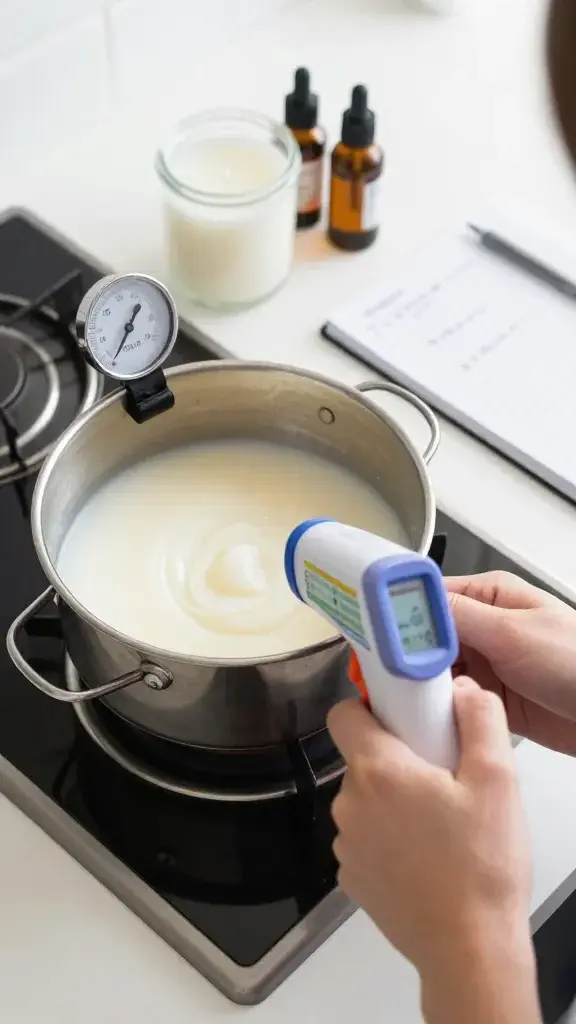
Candle making is basically fancy chemistry, and temperature control separates gorgeous candles from lumpy disasters. You need a candy thermometer or infrared thermometer to monitor your wax constantly.
Most soy wax melts around 120-180°F, but you’ll add fragrance at a specific temp (usually around 185°F) and pour at another (around 135°F). Pour too hot and you’ll get sinkholes. Pour too cold and you’ll get poor glass adhesion.
Write down the temperatures that work for your specific wax brand because they vary. This is where keeping a candle making journal becomes your secret weapon for consistent results.
4. Don’t Cheap Out on Fragrance Oils
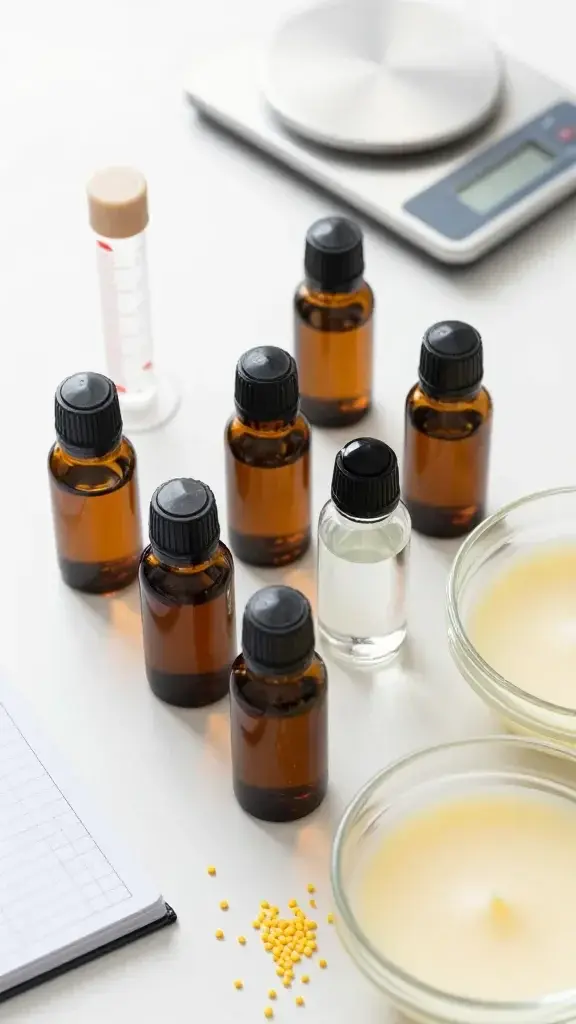
Here’s where beginners often mess up: they grab random essential oils or buy sketchy fragrance oils from who-knows-where. Candle-safe fragrance oils are specifically formulated to handle heat and disperse scent properly.
You typically need about 1 ounce of fragrance per pound of wax (that’s roughly 6% fragrance load). Going overboard won’t make it smell stronger – it’ll just make your candle perform badly and possibly not burn right.
Fragrance Essentials:
- Buy from reputable candle supply companies
- Start with popular scents before getting experimental
- Test your fragrance load with small batches first
- Let candles cure for 1-2 weeks before burning
Quality fragrance oils cost more upfront but make candles that actually fill a room with scent. Worth every penny, IMO.
5. Gather Your Basic Supplies (Keep It Simple)
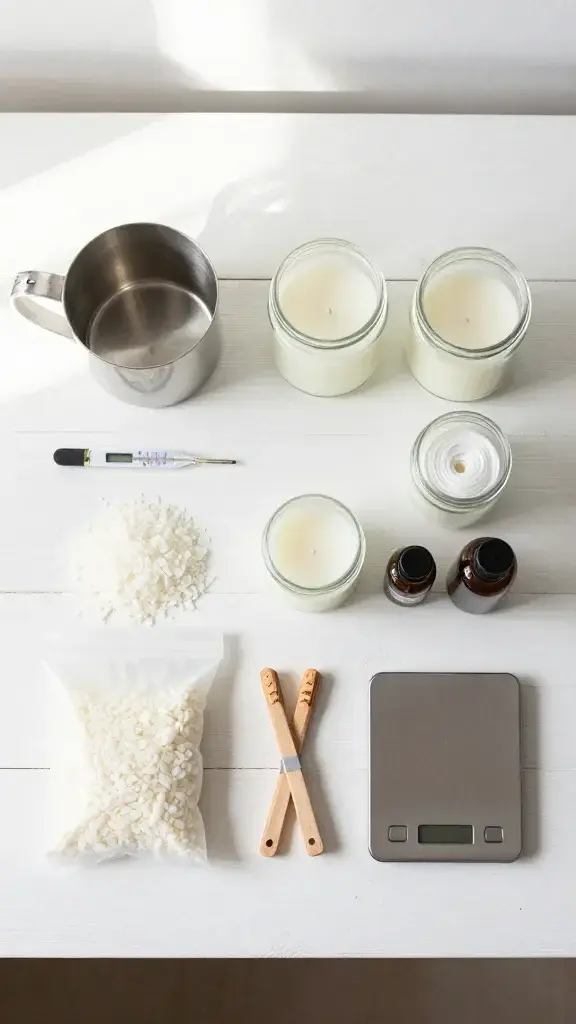
You don’t need a fancy setup to start making candles. A double boiler (or a pouring pot in a larger pot of water), your thermometer, wicks, wax, fragrance, and containers are the essentials.
Add in some wick centering devices (or chopsticks work fine), a scale for measuring, and you’re good to go. Resist buying every gadget and mold you see until you’ve made a few successful batches.
Beginner Shopping List:
- 2-5 lbs of soy wax to start
- Pouring pot and thermometer
- Pre-tabbed wicks and centering devices
- 2-3 fragrance oils you love
- Glass jars or tins (start with 4-6)
You can find starter kits online that bundle everything together, which honestly makes life easier when you’re just testing the waters. Once you’re hooked (and you will be), you can upgrade your supplies.
Ready to fill your home with custom candles? Start small, take notes on what works, and don’t stress if your first batch isn’t perfect. Every candle maker has created some wonky-looking candles along the way – it’s all part of the fun!