
Soy Wax vs Paraffin Wax vs Beeswax: Which is Best for Homemade Candles?

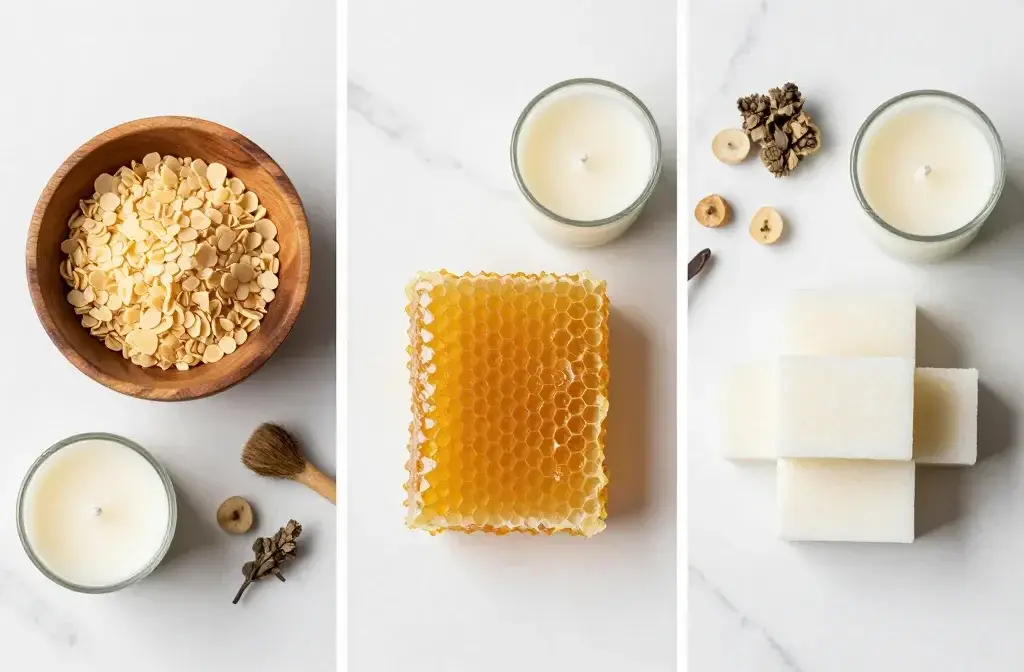
Staring at wax options online and feeling totally overwhelmed? You’re not alone.
Choosing the right wax can make or break your candle game – from how it burns to whether it fills your room with fragrance or just sits there looking pretty.
Let’s break down the three major players so you can pick your perfect match and start pouring like a pro.
1. Soy Wax – The Eco-Friendly Crowd Pleaser
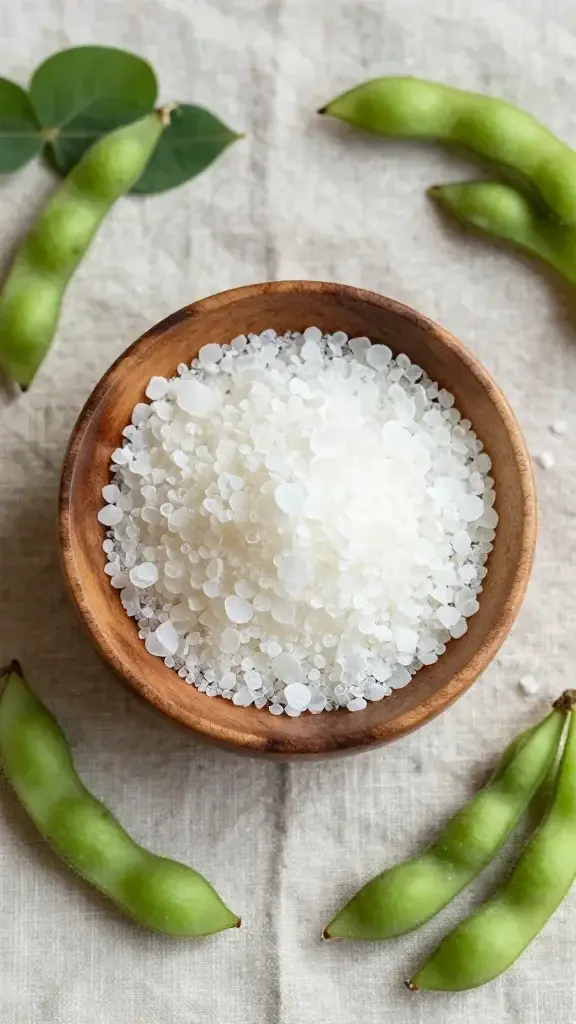
Made from soybeans, this plant-based wax has become the darling of the DIY candle world. It burns clean, holds scent beautifully, and won’t make you feel guilty about your environmental impact.
Why Candle Makers Love It:
- Renewable and biodegradable – guilt-free burning
- Longer burn time than paraffin
- Easy cleanup with just soap and water
- Excellent scent throw when you nail the ratio
Soy wax melts at a lower temperature, which means you get more hours out of each candle. It also creates a creamy, smooth finish that looks downright professional.
Best for container candles and beginners who want forgiving wax that’s hard to mess up. FYI, it doesn’t work great for pillars since it’s too soft.
2. Paraffin Wax – The Classic Workhorse
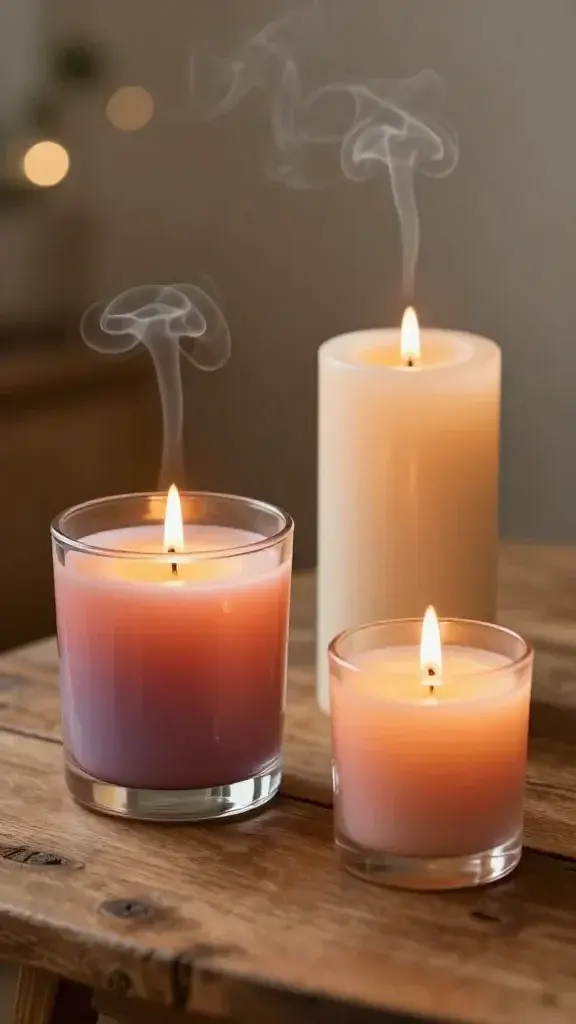
This petroleum-based wax is what your grandma probably used, and honestly? There’s a reason it’s been around forever.
Paraffin is the cheapest option and delivers an incredible scent throw that soy lovers can only dream about. Seriously, if you want your entire house smelling like vanilla bourbon, paraffin’s your friend.
The Real Deal:
- Superior fragrance throw – both hot and cold
- Budget-friendly pricing
- Versatile – works for containers, pillars, and votives
- Vibrant colors when you add dyes
The downside? It’s derived from petroleum, so it’s not renewable. Some people worry about potential toxins, though most modern paraffin waxes are highly refined and considered safe.
Perfect for when you want maximum scent payoff and don’t mind the non-eco-friendly origin story.
3. Beeswax – The Luxury Natural Option
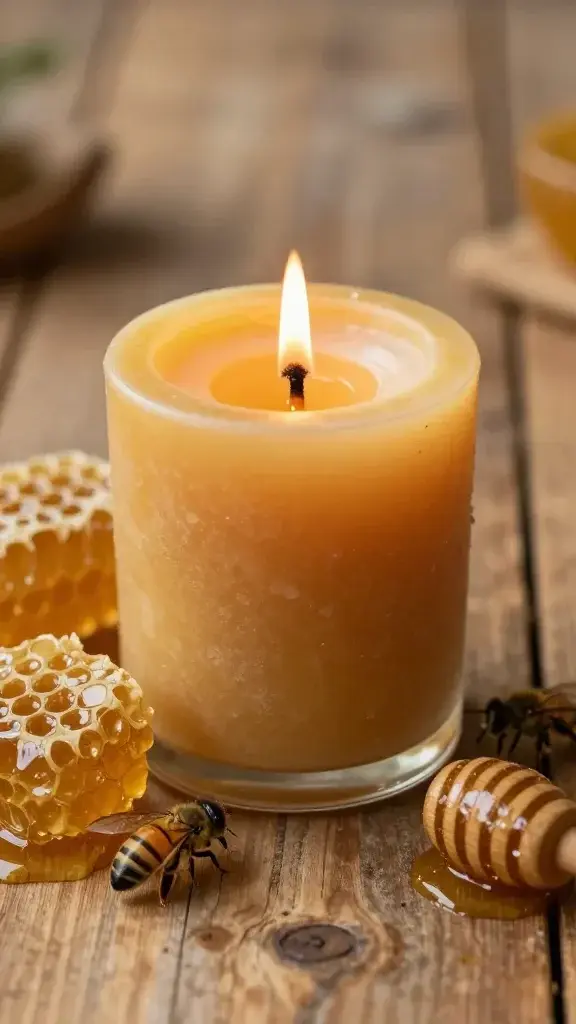
If soy wax is the eco-friendly middle child, beeswax is the fancy eldest sibling who went to an Ivy League school. This natural wax comes straight from honeybee hives and costs accordingly.
Beeswax has a gorgeous natural honey scent that’s subtle and sweet. It also releases negative ions when burning, which supposedly purifies the air (though the science is still out on that one).
What Makes It Special:
- 100% natural and totally chemical-free
- Naturally beautiful golden color
- Longest burn time of all three waxes
- Natural honey aroma without added fragrance
The catch? Beeswax is pricey and doesn’t hold added fragrances well. Most people love it for its natural scent or blend it with other waxes to get the best of both worlds.
Ideal for purists who want zero additives and don’t mind paying premium prices for that all-natural glow.
4. The Blending Game – Mix and Match for Perfection
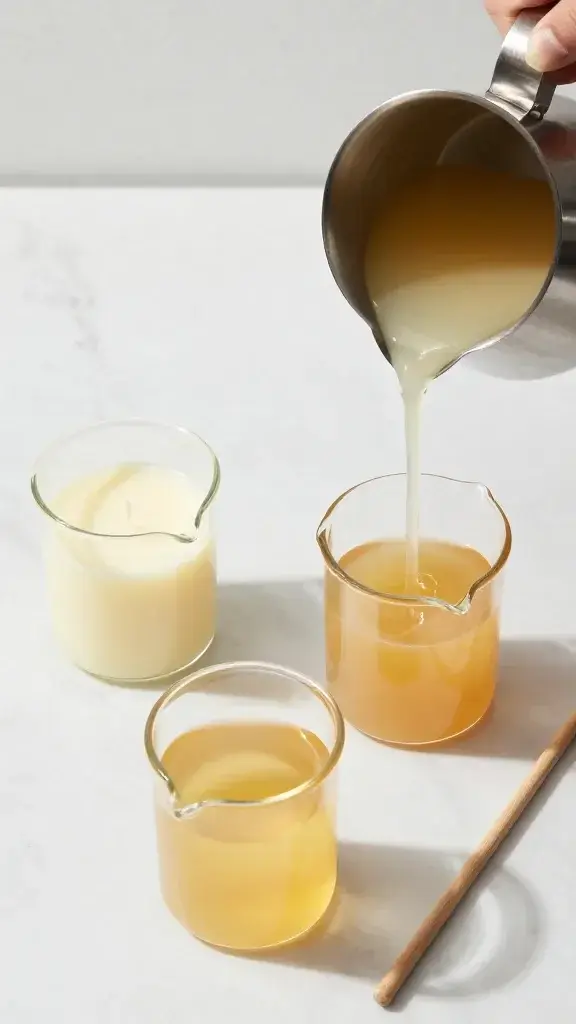
Here’s a secret the pros know: you don’t have to pick just one! Blending waxes lets you customize exactly what you want from your candles.
Try mixing 80% soy with 20% beeswax for a harder candle that still burns clean. Or go 50/50 paraffin and soy for amazing scent throw with less petroleum guilt.
Popular Blends to Try:
- Soy + coconut wax for smooth glass adhesion
- Beeswax + soy for harder, longer-burning candles
- Paraffin + soy for scent throw with cleaner burning
Blending gives you total control over burn time, hardness, scent throw, and appearance. It’s like being a mad scientist, but way more relaxing.
Perfect for experienced candle makers who want to geek out and create their signature formula.
5. Making Your Choice – What Actually Matters
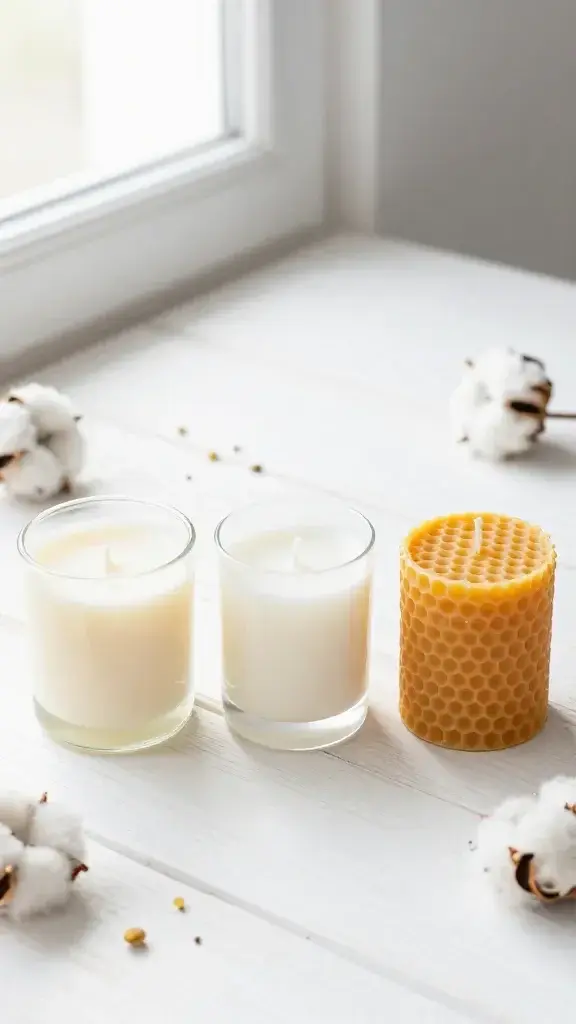
Trust me, there’s no universally “best” wax. It all depends on what matters most to you and what kind of candles you’re making.
Ask yourself: Do you prioritize eco-friendliness (go soy or beeswax)? Want the strongest scent possible (hello, paraffin)? Making pillars or containers? What’s your budget?
Quick Decision Guide:
- Beginners: Start with soy – it’s forgiving and widely available
- Scent lovers: Paraffin delivers maximum fragrance
- Eco-warriors: Beeswax or soy are your only real options
- Budget-conscious: Paraffin wins on price
The good news? You can always experiment. Buy small amounts of each and test them out before committing to bulk orders.
Once you find your favorite (or favorite blend), you’ll never look back. Your homemade candles are about to level up big time!
Now grab some wax and start experimenting – your perfectly customized candles are waiting to happen. The best part about making your own? You get to call all the shots and create exactly what you want.