
How to Do a Resin Ocean Wave Pour: Tutorial for Beginners

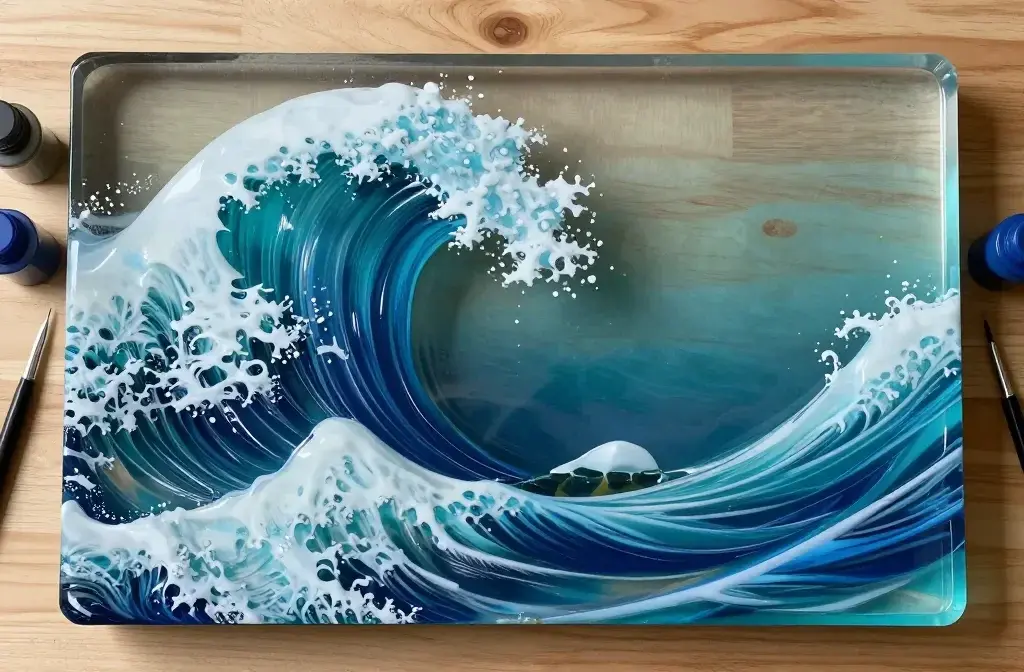
Ever watched someone pour a resin ocean wave and thought “I need that on my wall right now”? Those mesmerizing swirls of blue and white that look like actual breaking waves aren’t just for experienced artists. You can totally create your own resin ocean masterpiece, and I’m going to walk you through exactly how to do it without ending up with a sticky mess on your floor.
What You’ll Actually Need (And Why Skimping Won’t Help You)
Let’s talk supplies first, because showing up unprepared is basically asking for disaster. You can’t just grab any old resin and expect ocean magic to happen.
Here’s your shopping list:
- Epoxy resin and hardener – Get the clear stuff meant for art pours, not the super-thick table top variety
- White acrylic paint or resin pigment – For those foamy wave caps
- Blue pigments or resin dyes – I recommend having at least two shades, maybe a turquoise and a deeper ocean blue
- Canvas, wooden panel, or another surface – Something rigid works best, around 12×16 inches for your first attempt
- Mixing cups and stir sticks – Lots of them, because cross-contamination is real
- Heat gun or torch – To pop those annoying bubbles
- Gloves, drop cloth, and level – Trust me on the level thing
- Isopropyl alcohol in a spray bottle – Your secret weapon for creating realistic lacing effects
FYI, you’ll spend anywhere from $50-100 getting everything if you’re starting from scratch. But you can reuse most of it for future projects, so don’t stress too much about the initial investment.
Prep Work That’ll Save Your Sanity
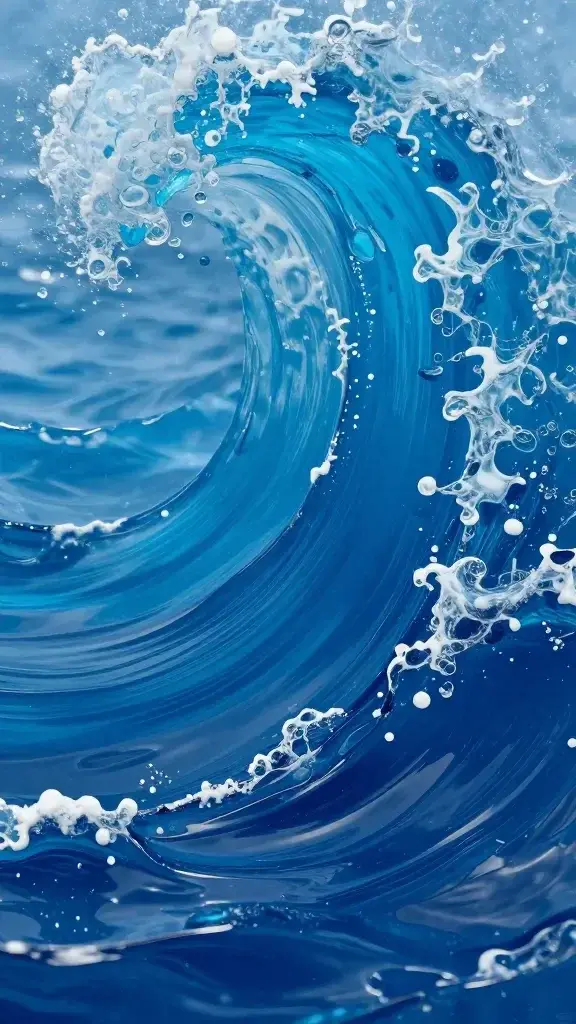
Before you touch a single drop of resin, you need to set up your workspace properly. I learned this the hard way when my first pour ended up with cat hair embedded in it (long story, don’t ask).
First, find a spot that’s level, dust-free, and temperature controlled. Resin hates cold and loves to cure weird in temps below 70°F. Cover everything within a three-foot radius with plastic sheeting because resin drips are basically permanent.
Elevate your canvas using cups or a makeshift stand. You want the piece raised so drips can fall freely underneath. Also, make sure the surface itself is completely level – use that level tool you bought. Even a slight tilt will send your ocean waves sliding in directions that defy nature.
Mixing Your Resin Like a Pro
Read your resin’s instructions. Seriously, read them. Different brands have different mixing ratios, and eyeballing it will result in resin that never fully cures (ask me how I know).
Measure your resin and hardener precisely, pour them into a clean cup, and stir slowly for at least 3-4 minutes. You want to mix thoroughly but without whipping in a bunch of bubbles. Think “gentle folding” rather than “making a smoothie.”
Let the mixed resin sit for about 5 minutes after mixing. This gives some of those microscopic bubbles time to rise and pop on their own.
Creating Your Ocean Colors
Now comes the fun part – making those gorgeous ocean hues. Don’t just dump pigment randomly and hope for the best.
Pour your clear mixed resin into separate cups for each color you want. I typically do:
- One cup with deep blue (start with just a few drops of pigment)
- One cup with turquoise or teal
- One cup with white (this one gets more pigment for opacity)
- One cup left completely clear
The key here? Less is more with pigment. You can always add more, but you can’t take it out once it’s in there. Mix each color thoroughly and check it against a white surface to see the true shade.
The Actual Pour Technique (Where the Magic Happens)
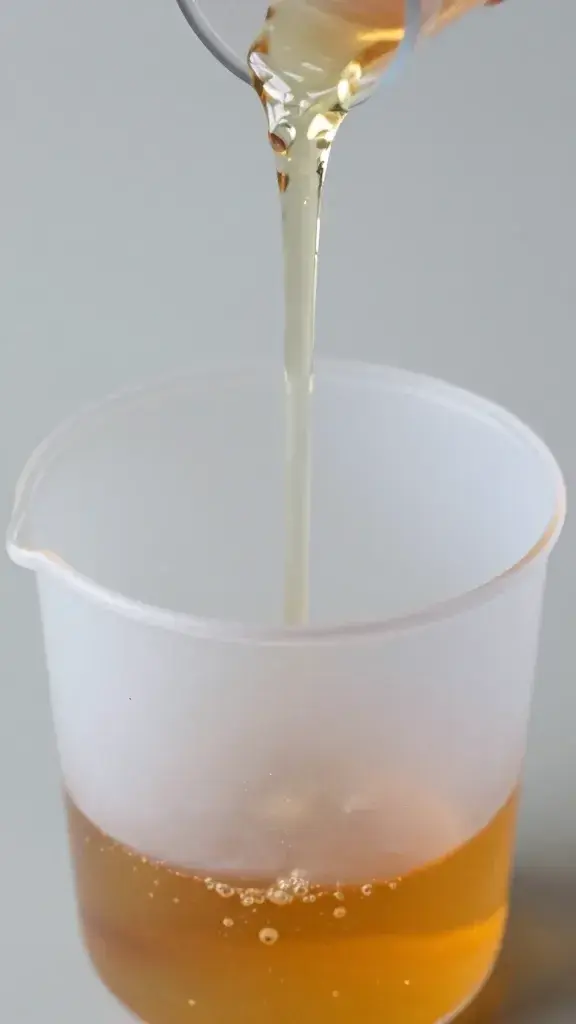
Alright, deep breath. You’ve got your colors ready, your workspace is prepped, and you’re about to create something awesome.
Start by pouring a base layer of your clearest blue across the entire canvas. This creates your ocean foundation. Don’t worry about making it perfect – ocean isn’t perfect either.
Building Your Waves
Here’s where technique really matters. Pour your white resin in curved, flowing lines where you want your wave breaks to appear. Think about how actual waves move – they’re not straight lines, they curve and undulate.
Immediately add your darker blue behind the white, and your turquoise in front. The colors should flow into each other naturally. You’re not painting within lines here; you want that organic blend that makes resin art so captivating.
Creating the “Lacing” Effect
Want those delicate, foamy tendrils that make ocean pours look so realistic? Grab your isopropyl alcohol spray bottle and lightly mist over the white areas. The alcohol breaks the surface tension and creates those gorgeous web-like patterns that mimic sea foam.
Don’t go crazy with it though. A light misting is all you need. Too much and you’ll blow holes right through your resin layers.
Manipulating Your Pour
Your resin will stay workable for maybe 20-30 minutes depending on your brand and room temperature. Use this time wisely.
Tilt your canvas gently to encourage the resin to flow in the direction you want. Ocean waves typically move in one general direction, so guide yours accordingly. You can also use a stir stick or even a drinking straw to gently push colors around and create swirls.
Heat your surface with a torch or heat gun to pop bubbles. Move it quickly about 6 inches above the surface. This also slightly thins the resin and helps colors blend even more beautifully. Just don’t hold it in one spot or you’ll create divots and burn marks (yes, resin can burn).
The Waiting Game and Finishing Touches
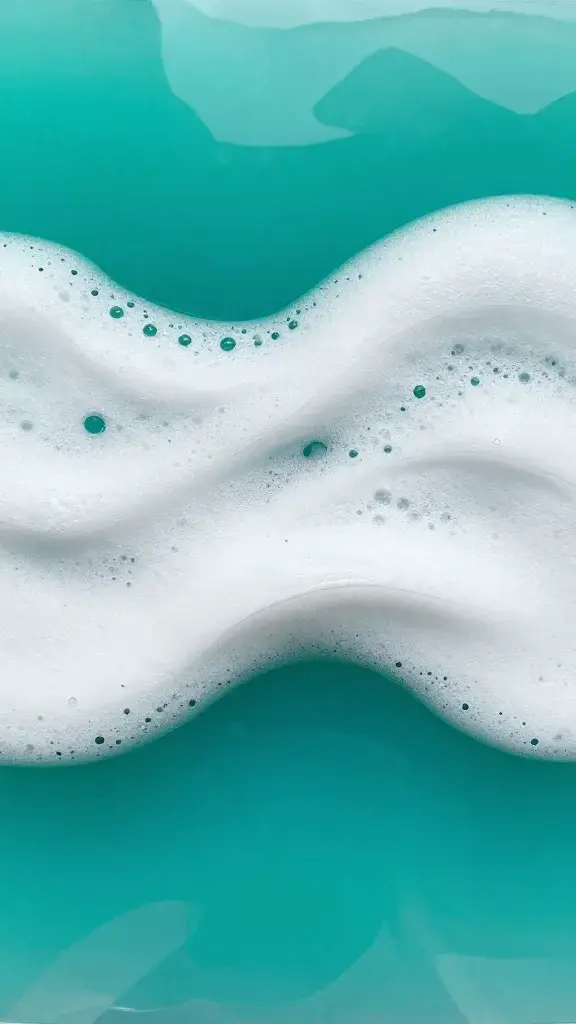
Once you’re happy with your ocean, cover it loosely with a large cardboard box or plastic tote to keep dust out. Then comes the hardest part: walking away.
Resin typically takes 24-72 hours to fully cure. During the first few hours, check on it occasionally. If you spot any areas where the colors separated weirdly or the resin pulled away from edges, you might be able to gently fix it with a stir stick within the first 2-3 hours.
After it’s completely cured (it should be hard to the touch, not tacky at all), you might notice the edges have drips. You can sand these smooth with fine-grit sandpaper. Some people also add a second clear coat of resin over the entire piece for extra depth and glossiness, but that’s totally optional for beginners.
Frequently Asked Questions
Why did my resin stay sticky and never fully cure?
Nine times out of ten, this happens because the resin and hardener ratio was off. You need to measure precisely – not just eyeball it. Temperature can also affect curing, so make sure your workspace stays consistently warm (70-75°F is ideal). Some resins are just finicky too, which is why I always recommend reading reviews before buying.
How do I prevent bubbles in my ocean pour?
You’ll never eliminate bubbles completely, but you can minimize them. Mix slowly, let your resin rest after mixing, and use a heat source to pop surface bubbles. IMO, a few tiny bubbles actually add to the realistic ocean effect, so don’t stress about achieving absolute perfection.
Can I use regular acrylic paint instead of resin pigments?
Yes, but with caution. Acrylic paint contains water, and too much water can prevent resin from curing properly. Use paint sparingly – just enough to tint the resin. Resin-specific pigments and alcohol inks work more reliably, but acrylic paint is fine for beginners experimenting on a budget.
What if my colors all mixed together into a muddy mess?
This usually happens when you over-manipulate the pour. Once you’ve placed your colors, resist the urge to keep stirring and fussing. Let the resin do its thing. Also, working too slowly can cause issues – if your resin starts thickening before you finish pouring, colors won’t flow properly.
Do I really need to work in a ventilated area?
Absolutely yes. Resin fumes aren’t immediately dangerous but they’re not great to breathe for extended periods. Open windows, use fans, and consider wearing a respirator if you’re sensitive to chemical smells. Your lungs will thank you.
How do I clean up resin spills?
Before it cures, you can wipe up resin with paper towels and rubbing alcohol. Once it’s cured, you’re basically dealing with plastic – you’ll need to scrape it off or sand it down. This is why the prep work with drop cloths is so important. Don’t pour resin down your drain either; it’ll cure in your pipes and create expensive problems.
Wrapping Up Your First Ocean Pour
Creating a resin ocean wave pour definitely has a learning curve, but it’s totally doable even if you’ve never worked with resin before. Your first piece might not be gallery-worthy, and that’s completely fine. Each pour teaches you something about how resin flows, how colors interact, and how much alcohol spray is too much.
The best part about resin art? Even your “mistakes” usually end up looking pretty cool. Those happy accidents often create effects you couldn’t plan if you tried. So grab your supplies, set up that workspace, and dive in. The worst thing that happens is you end up with some practice pieces and a better understanding for round two.