
7+ Candle Making Mistakes Beginners Make (And How to Fix Them)

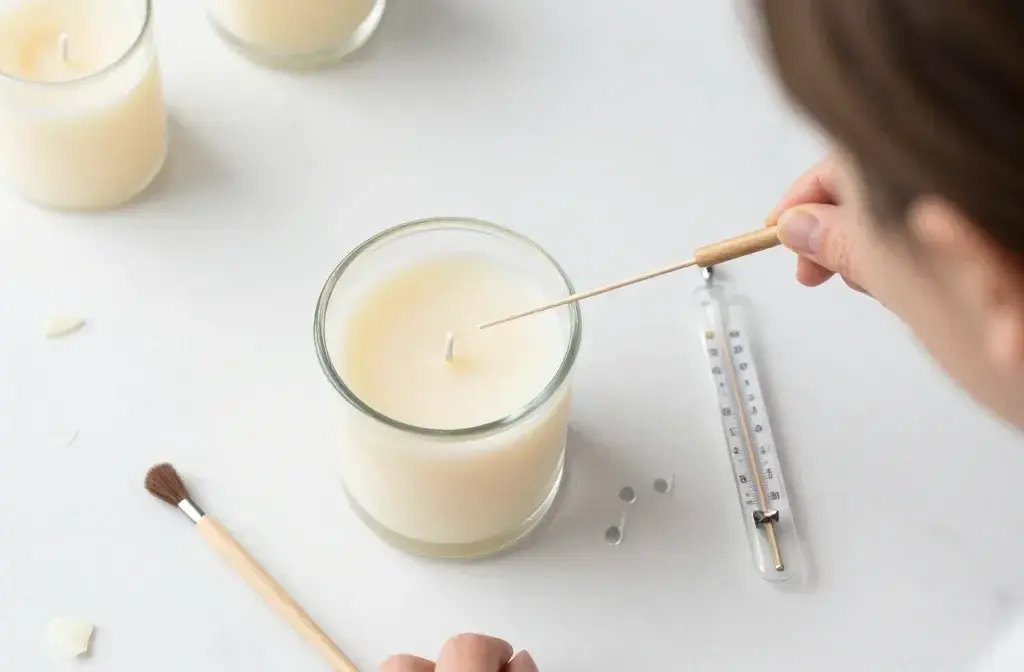
Ever poured your heart into making candles only to end up with sinkholes, tunneling, or wax that won’t even light? Yeah, we’ve all been there.
These common mistakes can turn your candle-making dreams into a waxy nightmare, but the good news is they’re totally fixable once you know what went wrong.
Let’s break down the biggest newbie errors so you can skip the frustration and start making candles that actually look and burn like the pros made them.
1. The Temperature Tango Gone Wrong
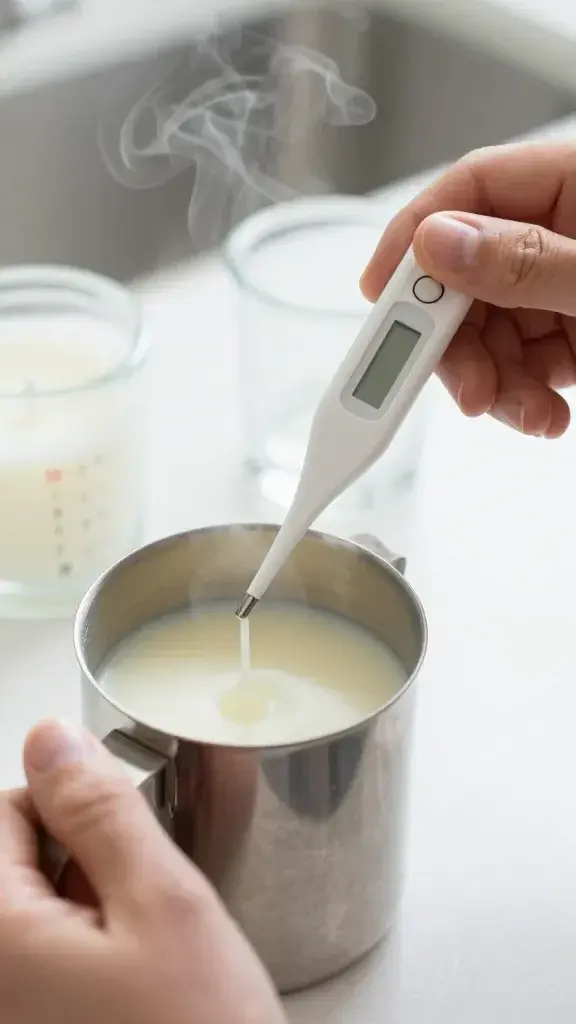
Here’s the thing about candle wax: it’s ridiculously picky about temperature. Pour it too hot and you’ll get sinkholes and wet spots. Pour it too cool and the wax won’t adhere to your container properly.
Most soy wax needs to be poured between 120-140°F, while paraffin runs a bit hotter at 170-180°F. Get yourself a reliable thermometer and actually use it every single time.
Trust me, eyeballing the temperature is a rookie move that’ll cost you perfectly good wax and containers. Different wax types have different sweet spots, so always check your specific wax manufacturer’s guidelines.
2. Wick Size Chaos
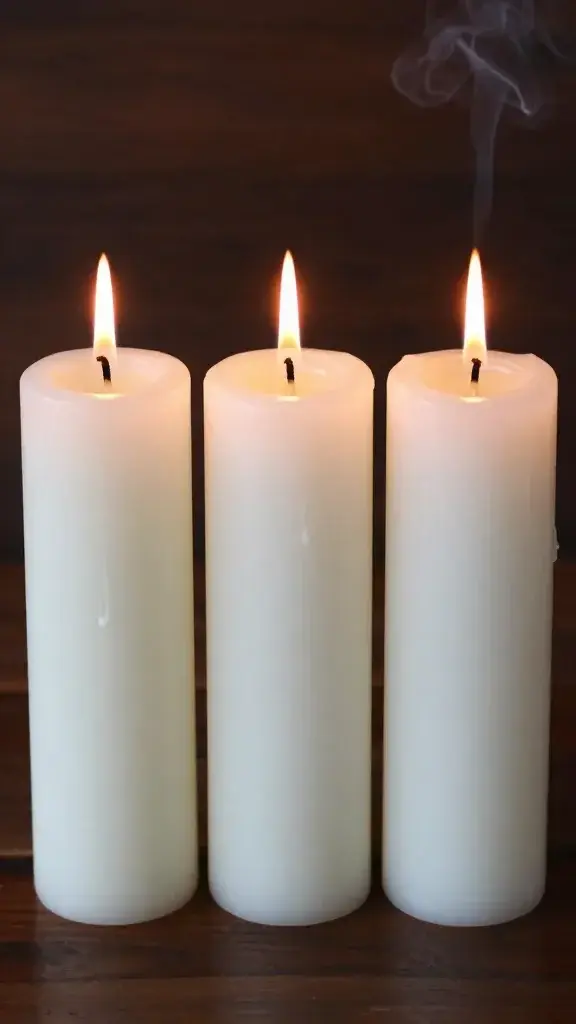
Picking the wrong wick is probably the fastest way to sabotage your candles. Too small and you get tunneling (where only the middle burns). Too large and you’ve got a smoky, sooty mess on your hands.
Getting It Right:
- Container diameter matters – wider containers need thicker or multiple wicks
- Wax type affects burn – soy burns cooler than paraffin
- Fragrance load impacts flame – more oil means you might need a larger wick
Start with the wick manufacturer’s recommendations for your specific wax and container size. Then do test burns before making a whole batch. Seriously, test burns save so much heartache.
3. The Fragrance Oil Overload
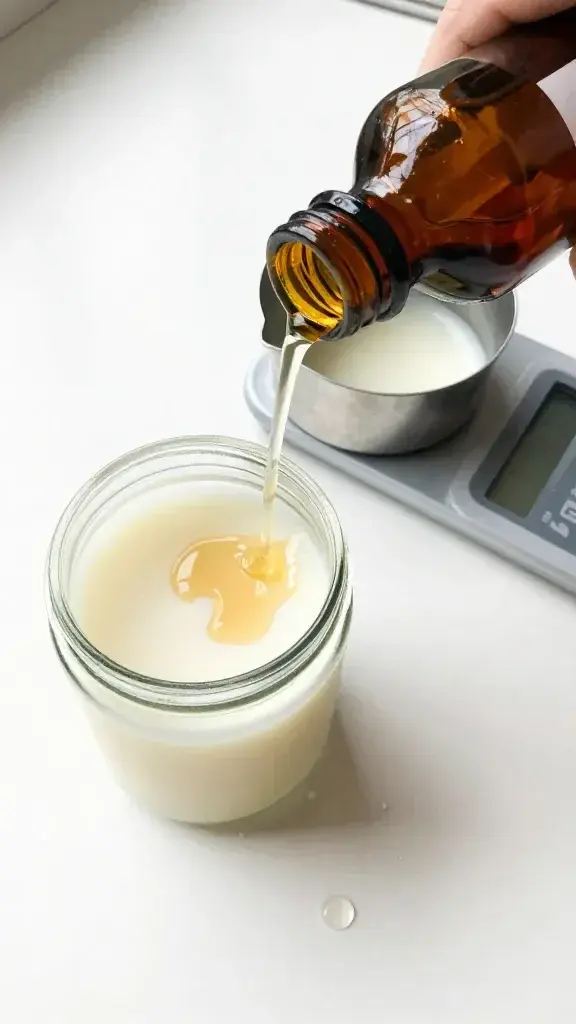
More fragrance equals stronger scent, right? Wrong. Adding too much fragrance oil can actually make your candle perform worse, not better.
Most waxes can only hold 6-10% fragrance oil by weight. Go over that limit and you’ll end up with oil pooling on top, poor burning, and potential safety issues. Plus you’re literally wasting expensive fragrance oil that the wax can’t even hold.
Measure your fragrance oil by weight using a digital scale, not by guessing or using volume measurements. Your nose (and your candles) will thank you.
4. Skipping the Cure Time
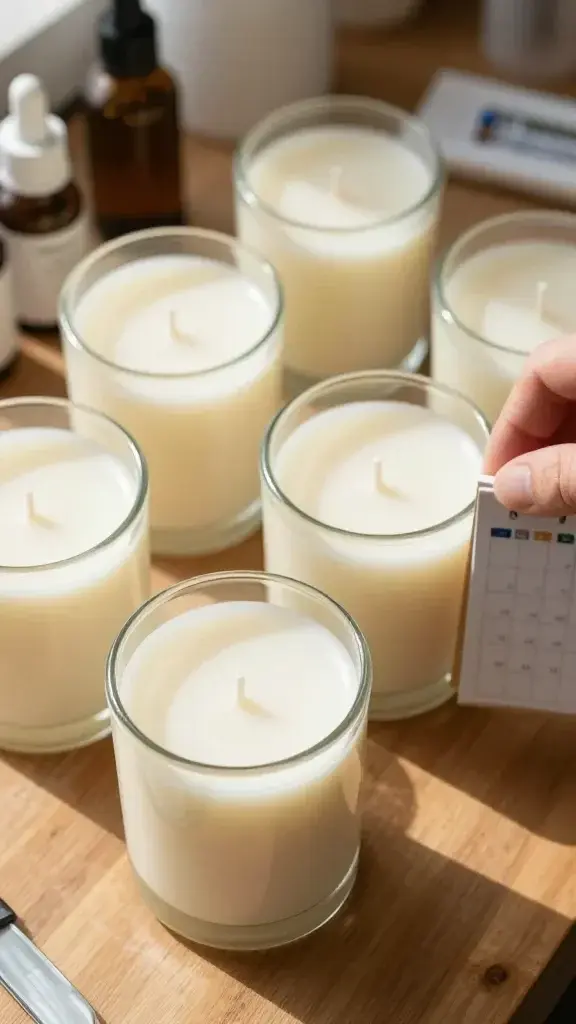
I know you’re excited to light that candle the second it hardens, but patience pays off big time here. Candles need time to cure so the wax and fragrance oil can properly bond together.
Soy candles need at least 1-2 weeks to cure, while paraffin candles can be ready in just 24-48 hours. Skip this step and your cold throw (how it smells unlit) and hot throw (burning scent) will be disappointing.
Mark your candles with the pour date and test them after the recommended cure time. The difference in scent throw is honestly night and day.
5. Ignoring the First Burn Rule
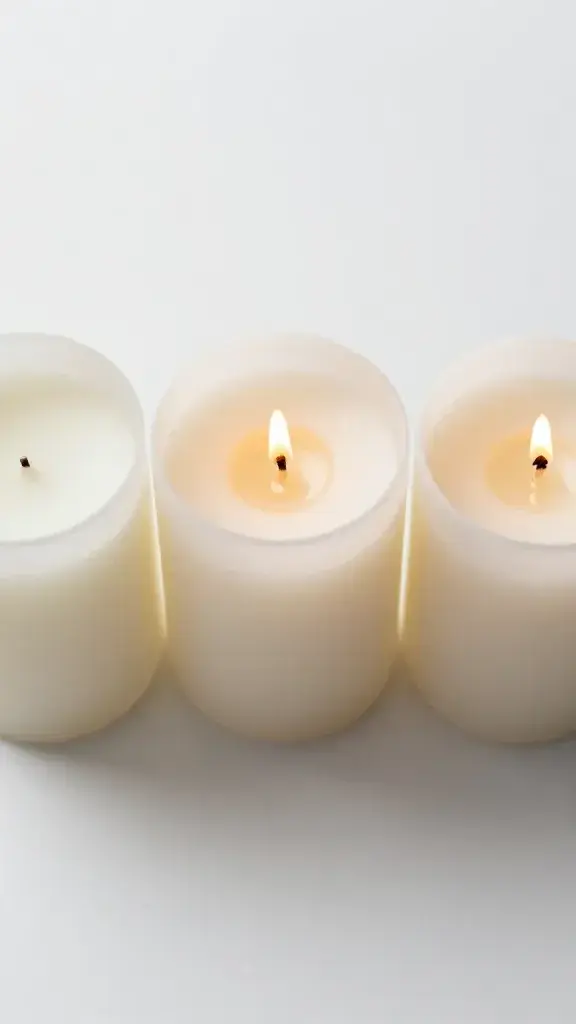
The first burn sets the stage for how your candle will burn for its entire life. If you don’t let the wax pool reach the edges of the container on that first burn, you’ve basically taught your candle to tunnel forever.
First Burn Best Practices:
- Burn for 1 hour per inch of diameter (3-inch candle = 3 hours minimum)
- Make sure the entire top surface melts into a pool
- Never blow out before achieving a full melt pool
This “memory ring” is real, and fixing tunneling after the fact is way harder than just doing the first burn correctly. Set a timer if you need to.
6. Using Questionable Containers
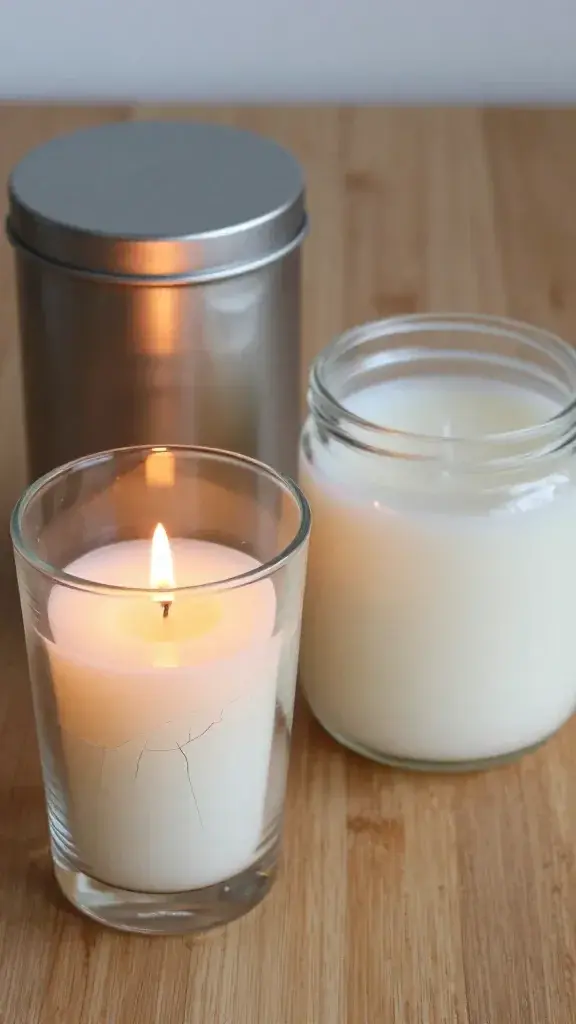
Not every cute jar or vessel you find at the thrift store is candle-safe. Using the wrong container is actually a fire hazard, and nobody wants their house burning down because of a DIY candle.
Stick with heat-resistant glass, metal tins, or ceramic containers specifically made for candles. Regular drinking glasses can crack or shatter from the heat. Plastic is obviously a hard no (melted plastic disaster, anyone?).
When in doubt, buy containers from candle supply companies. They’re tested for heat resistance and designed to handle the temperature changes candles create.
7. Rushing the Cooling Process
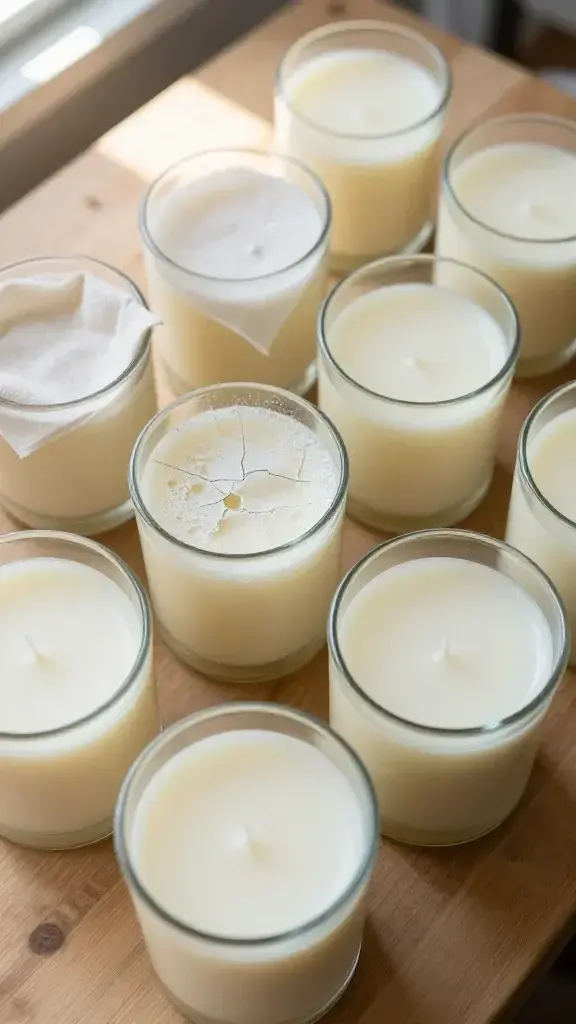
FYI, trying to speed up cooling by sticking your candles in the fridge or freezer will backfire spectacularly. Rapid temperature changes cause cracking, frosting, and those annoying wet spots on the glass.
Let your candles cool at room temperature naturally. Yes, it takes longer (usually 4-6 hours for small candles, overnight for larger ones), but slow and steady wins the race here.
Cover them loosely with a box or cloth to keep dust out while they cool, but don’t seal them up completely. A little airflow prevents condensation from forming on the surface.
Now you’ve got the insider knowledge to avoid the most common candle-making fails. Start with small test batches, take notes on what works, and don’t be afraid to experiment once you’ve mastered the basics. Your perfect candles are just a few pours away!