
DIY Accent Wall Ideas: How to Paint a Statement Wall in One Afternoon

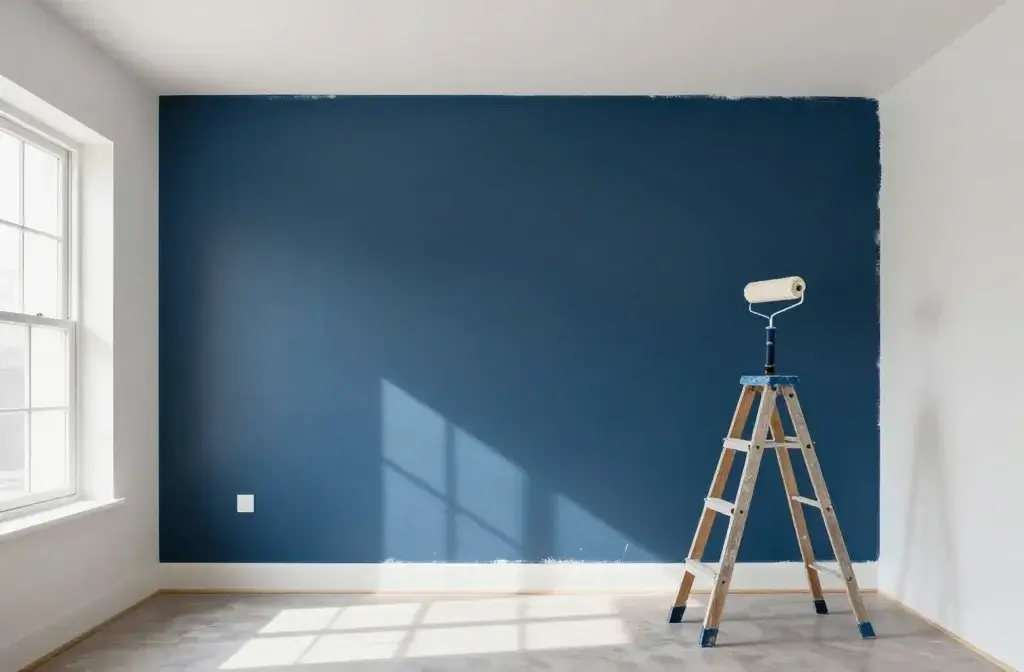
You know that wall in your living room that’s looking a little sad and boring? The one you walk past every day thinking “I should really do something about that”? Well, today’s the day. An accent wall can completely transform a room, and I’m here to tell you it’s way easier than you think—we’re talking one afternoon, some paint, and boom, you’ve got yourself a statement wall that’ll make your guests go “Wait, did you hire someone?”
Why an Accent Wall Is Your Best DIY Decision
Look, I get it. The idea of painting can feel intimidating, especially when you’re worried about commitment. But an accent wall is like the gateway drug of home improvement—it’s low-risk, high-reward, and you only have to paint ONE wall. Not the whole room. Just one.
The beauty here is that you can go bold without overwhelming your space. Always wanted to try that moody navy or that trendy terracotta but scared it’ll feel like too much? An accent wall lets you dip your toe in without diving headfirst into color commitment. Plus, if you hate it (you won’t), you’re only repainting one wall instead of four.
And can we talk about the instant gratification? You’ll start in the morning, finish by dinner, and spend the evening admiring your handiwork like it’s a piece of fine art. Because honestly? It kind of is.
Picking the Perfect Wall (It’s Not Random, People)
Here’s where a lot of folks mess up—they just pick whatever wall and hope for the best. But there’s actually some strategy here, and it makes all the difference.
The focal point wall is your best friend. This is usually the wall you see first when you walk into the room, or the one behind your bed, sofa, or fireplace. Basically, wherever your eye naturally goes when you enter the space. That’s your winner.
Avoid walls with tons of windows or doors breaking them up. You want a nice, clean surface where the color can really shine. A wall that’s chopped up by openings just won’t have the same impact, and you’ll spend half your time taping around trim anyway. Nobody has time for that.
The Architecture Matters
Got any cool architectural features? A chimney breast, built-in shelving, or maybe some shiplap? Those are prime accent wall real estate. The texture or dimension already draws the eye, so adding color just amplifies what’s already working.
Color Selection: Go Bold or Go Home
This is where you get to have some fun. The whole point of an accent wall is to make a statement, so this isn’t the time for “Agreeable Beige” (though no judgment if beige is your thing).
Deep, saturated colors work beautifully. Think emerald green, charcoal gray, rich burgundy, or that almost-black navy that looks incredibly sophisticated. These colors create drama and depth without needing any special technique—just roll it on and watch the magic happen.
Want something a bit more playful? Coral, mustard yellow, or sage green can add personality without feeling too dark. The key is choosing something that contrasts with your other walls while still coordinating with your overall color scheme.
Here’s my hot take: grab those sample pots and paint big swatches directly on your wall. Those tiny paint chips lie. You need to see how the color looks in your actual lighting throughout the day before you commit to gallons of the stuff.
The Supplies You Actually Need
Let me save you a trip back to the hardware store mid-project. Here’s everything you’ll want to have on hand before you start:
- Paint: One gallon usually covers one wall, but measure to be sure
- Primer: If you’re going dark over light or vice versa, don’t skip this
- Painter’s tape: The good stuff, not the dollar store version that bleeds everywhere
- Drop cloth: Unless you enjoy scrubbing paint off your floors
- Roller and tray: Get a quality roller cover—it makes a huge difference
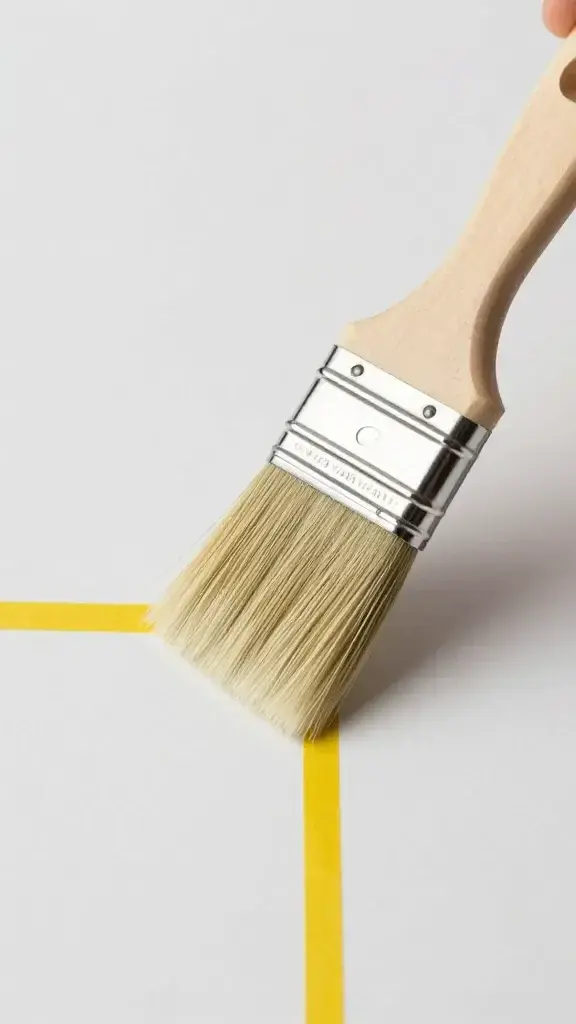
- Angled brush: For cutting in around edges and corners
- Stirring stick: They usually give these away free, so grab a few
- Damp cloth: For wiping up inevitable drips immediately
FYI, investing in decent tools makes this job about ten times easier. A cheap roller that sheds fibers all over your freshly painted wall will make you want to cry.
The Step-by-Step Game Plan
Alright, let’s get down to business. I’m breaking this down so even if you’ve never painted anything besides your nails, you’ve got this.
Prep Work (Don’t Skip This Part)
First, clear the area. Move furniture away from the wall, take down artwork, and remove outlet covers. This takes maybe fifteen minutes and saves you from doing an awkward dance with a paint roller around your couch.
Next up, the tape. Run painter’s tape along the ceiling line, baseboards, and any adjacent walls. Press it down firmly with your finger or a credit card to prevent bleeding. This is tedious but worth it—trust me.
Lay down your drop cloth and give the wall a quick wipe-down. Dust and cobwebs don’t play nicely with paint.
Prime Time
If you’re making a dramatic color change, primer is your insurance policy against needing four coats. It also helps the paint adhere better and show its true color. Let it dry completely—usually about 2-4 hours depending on humidity.
The Main Event: Painting
Start by cutting in. Use your angled brush to paint a 2-3 inch border around all the edges, corners, and trim. This gives you a nice guideline for the roller and ensures you get into all those spots the roller can’t reach.
Now grab that roller and get to work. Use a W or M pattern to distribute the paint evenly, then fill in the gaps. Don’t overload the roller—you want good coverage without drips. Work in sections and maintain a wet edge to avoid visible lines where different sections meet.
Most colors need two coats for full coverage. Don’t panic when the first coat looks patchy or streaky. Let it dry completely (check the can for timing), then apply your second coat the same way.
The Peel Reveal
Here’s the satisfying part: peeling off that painter’s tape. Do this while the final coat is still slightly tacky—not wet, but not completely dry either. Pull at a 45-degree angle slowly and steadily. If you wait until it’s bone dry, you risk peeling off paint with it.
Taking It Up a Notch: Easy Pattern Ideas

Feeling ambitious? A solid color is fantastic, but if you want to add some extra pizzazz without getting too complicated, these techniques are surprisingly doable.
Geometric tape designs are having a moment, and they’re easier than they look. Use painter’s tape to create triangles, hexagons, or a modern stripe pattern. Paint your base color, let it dry, tape off your design, then paint the accent sections. Just make sure that base coat is fully dry before you tape, or you’ll have a bad time.
Ombré walls sound fancy but basically involve blending three shades of the same color from dark to light (or vice versa). You’ll need to work quickly while the paint is wet, but the dreamy result is worth it. IMO, this works best in bedrooms for that serene vibe.
A half-painted wall is another trendy option—paint the bottom or top half in a bold color and leave the rest white or neutral. Add a thin piece of trim or molding where the colors meet for a polished look.
Common Mistakes (And How to Avoid Them)
Let me share some wisdom from my own painting mishaps so you don’t have to learn the hard way.
Using cheap paint is false economy. That budget paint might save you ten bucks, but you’ll need three coats instead of two, and the finish will look streaky. Spend a little more on quality paint—your time is worth something, right?
Skipping the second coat is tempting when you’re tired and ready to be done, but it’s almost always necessary. The coverage, color depth, and overall finish just aren’t the same with one coat. Push through—you’re already 80% there.
Removing tape too early or too late both cause problems. Too early and you’ll smudge wet paint. Too late and you’ll peel off dried paint. That sweet spot when it’s tacky-dry is chef’s kiss perfect.
And please, don’t forget to stir your paint thoroughly before and occasionally during painting. Pigments settle, and you’ll end up with inconsistent color if you don’t mix it up.
Making It Work With Your Existing Décor
You’ve got this gorgeous new accent wall—now what? The good news is that you’ve done the heavy lifting. Now you just need to tie it together.
Pull accent colors from the wall into your accessories. Throw pillows, artwork, rugs, or even small decorative objects in complementary colors create cohesion. You don’t need to match exactly—in fact, please don’t. Just pick up on the undertones.
Consider the mood you’re creating. Dark walls feel cozy and intimate, so lean into that with warm lighting and plush textures. Bright, energetic colors pair well with modern, minimalist furniture that lets the wall be the star.
Don’t be afraid to add texture to your accent wall with things like floating shelves, a gallery wall, or even just one large statement piece of art. The color provides the backdrop; your décor provides the personality.
Frequently Asked Questions
How do I know if I should paint a horizontal or vertical accent wall?
Vertical accent walls (the traditional approach) work in most rooms and help draw the eye to architectural features. Horizontal accent walls—like painting the wall behind your headboard in a bedroom—create a cozier, more anchored feeling. Pick based on your room’s layout and what you want to emphasize. There’s no wrong answer here.
Can I do an accent wall in a small room, or will it make the space feel smaller?
Absolutely you can! The myth that dark colors shrink rooms is outdated. A well-chosen accent wall can actually make a small room feel more intentional and designed rather than just “small.” Dark colors recede visually, which can create depth. Just make sure the room has adequate lighting to prevent it from feeling cave-like.
What’s the best finish for an accent wall—matte, eggshell, or satin?
Matte finishes look incredibly sophisticated and hide wall imperfections beautifully, but they’re harder to clean. Eggshell offers a subtle sheen and wipes down easily—it’s the goldilocks option for most rooms. Satin has more shine and is super durable, making it great for high-traffic areas or kids’ rooms. I typically go with eggshell unless there’s a specific reason not to.
How long does the paint smell last, and can I sleep in the room that night?
With modern low-VOC paints, the smell dissipates pretty quickly—usually within a few hours. Open windows, run a fan, and you should be fine to sleep in the room that same night. If you’re sensitive to smells or painting a nursery, look for zero-VOC options. They cost a bit more but have virtually no odor.
What if I painted my accent wall and hate it?
First, live with it for a few days. Our eyes need time to adjust to dramatic changes, and what feels shocking on day one might feel perfect by day three. If you still hate it, you can repaint—it’s just paint, not a tattoo. This is why sample pots exist. But honestly? Most people end up wishing they’d gone bolder, not the other way around.
Do I need to paint the whole wall if there’s built-in shelving or a fireplace?
You’ve got options here. You can paint just the flat wall surface around the features, or you can paint the built-ins/fireplace surround the same color for a cohesive, wrapped look. Painting everything creates more impact, while leaving built-ins a contrasting color (like white) adds dimension. Try the mockup-in-your-head test and see which excites you more.
Wrapping It Up
See? I told you an accent wall was totally doable in an afternoon. You don’t need professional skills, a huge budget, or even that much time—just a willingness to try something new and maybe get a little paint on yourself in the process (it washes off, probably).
The transformation you’ll get from this simple project is honestly wild. One wall of color completely changes the energy of a room, gives you a renewed appreciation for your space, and provides serious bragging rights. Plus, you’ll have learned a skill you can use again and again because let’s be real—once you do one accent wall, you’ll start seeing possibilities everywhere.
So grab that paint, tape off your wall, and create something awesome. Your boring wall has been waiting for this moment, and so have you. Now get out there and make a statement.