Best Soap Molds for Beginners: Silicone vs Wooden vs Plastic Compared

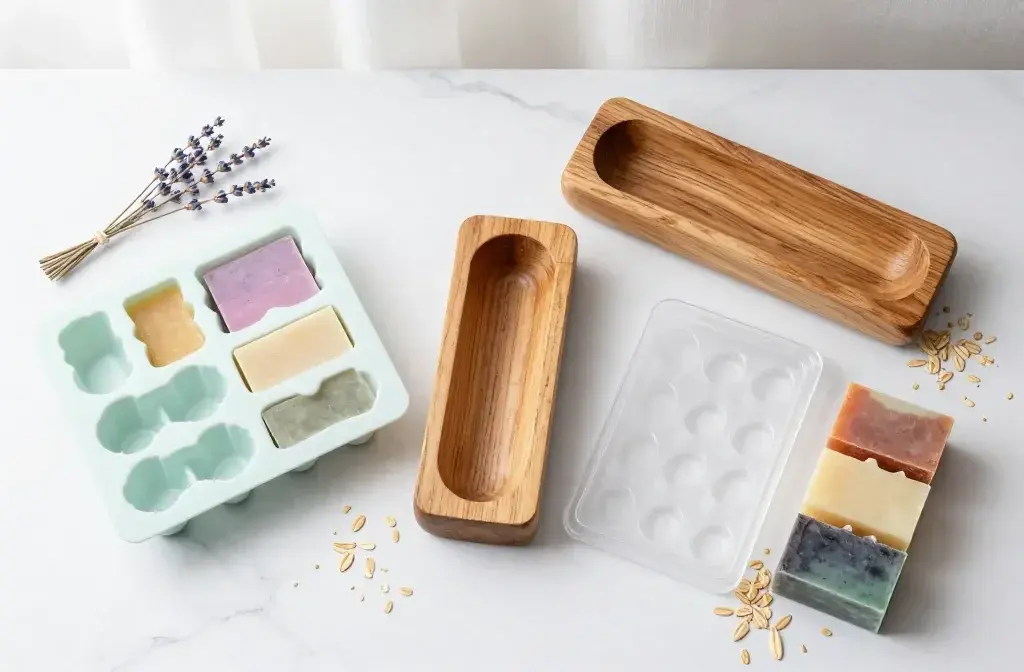
Ever wonder why your homemade soap looks like a sad brick while everyone else’s looks Instagram-worthy?
The secret isn’t some fancy technique – it’s all about choosing the right mold for your skill level and soap-making style.
Let’s break down the three main types of molds so you can stop guessing and start making gorgeous bars.
1. Silicone Molds: The Beginner’s Best Friend
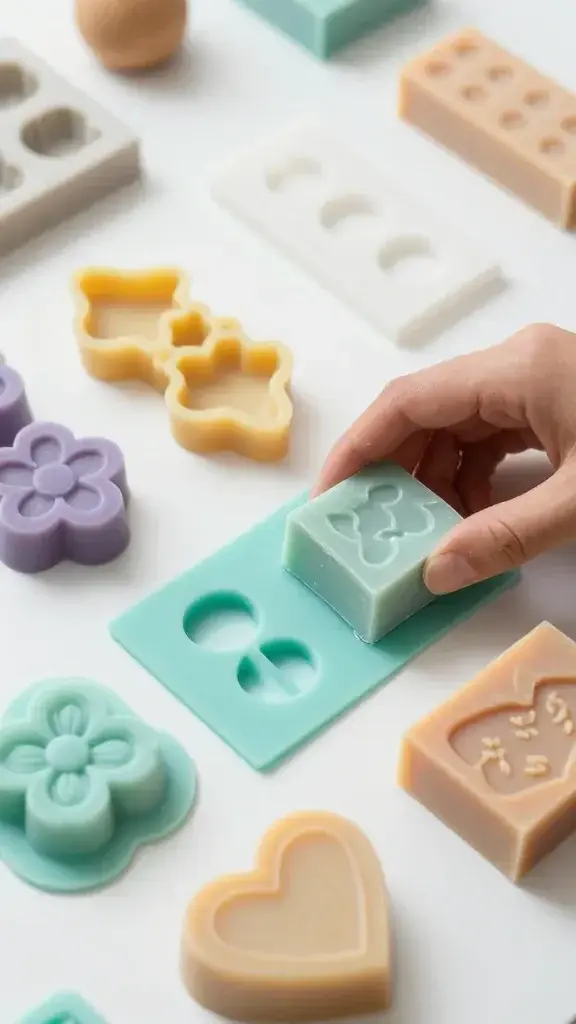
If you’re just starting out, silicone molds are basically cheat codes for soap making. They’re flexible, non-stick, and practically idiot-proof (trust me, I’ve tested this theory).
The beauty of silicone is how easily your soap pops out once it’s set. No wrestling, no breaking, no tears – just gentle pressure and you’ve got perfect bars every time.
Why They Rock:
- Zero release agent needed (seriously, nothing sticks)
- Come in every shape imaginable – flowers, hearts, rectangles, you name it
- Dishwasher safe for easy cleanup
- Flexible enough to handle without damaging your soap
The downside? Silicone molds can be pricier upfront, and cheaper versions might warp or tear after heavy use. But for beginners who want instant success, they’re worth every penny.
2. Wooden Molds: Classic Craftsmanship with Character
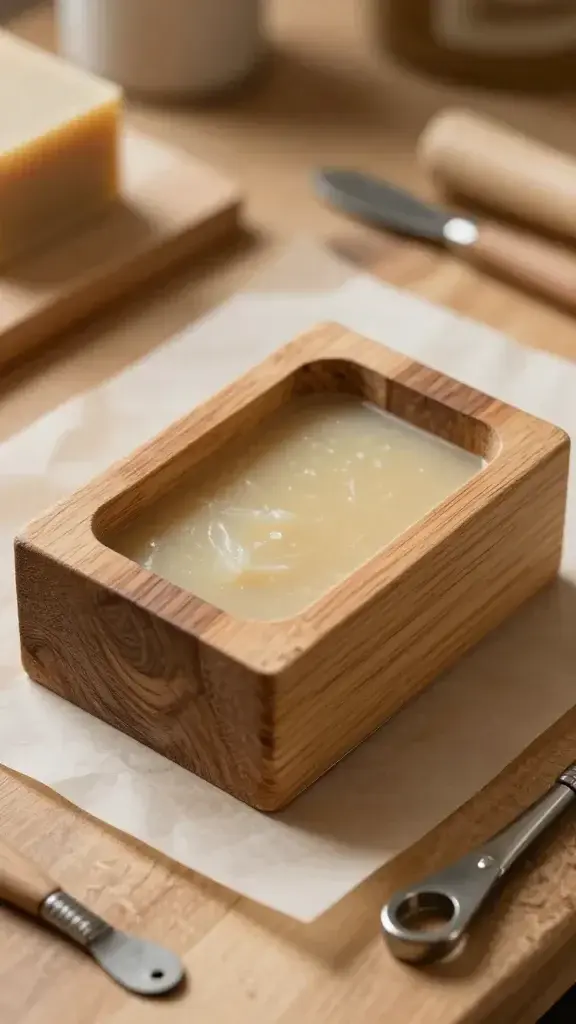
Want that rustic, artisan look? Wooden molds give your soap-making process some serious vintage vibes. Plus, they make you feel like an old-school craftsperson (which is honestly pretty cool).
These molds create those perfect rectangular loaves that you slice into bars. The process feels more traditional, and the results look absolutely professional.
What You Need to Know:
- Requires lining with parchment paper or freezer paper
- Creates uniform loaves perfect for cutting
- Insulates soap during curing (great for cold process)
- Lasts forever if you treat them right
The learning curve is slightly steeper – you’ll need to master lining techniques and invest in a decent soap cutter. But once you get the hang of it, wooden molds produce consistently beautiful results that scream “professional soap maker.”
3. Plastic Molds: Budget-Friendly and Surprisingly Versatile
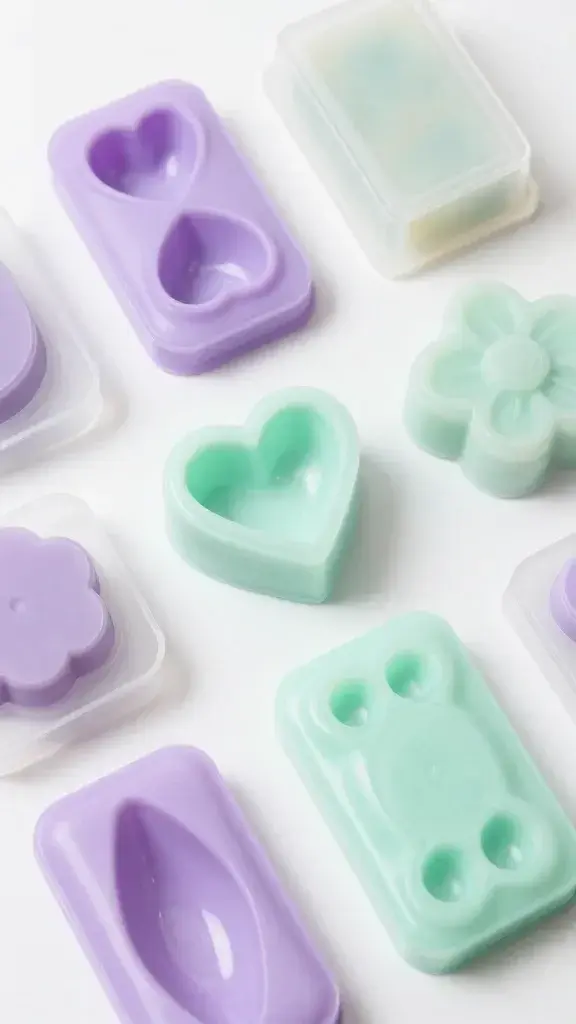
Don’t sleep on plastic molds just because they sound basic. These affordable options come in tons of fun shapes and work surprisingly well for beginners on a budget.
FYI, not all plastic molds are created equal. Look for food-grade, thick plastic that won’t crack or warp when you’re pouring hot soap.
Best Uses:
- Individual cavity molds for perfectly portioned bars
- Guest soap sizes and decorative shapes
- Testing new recipes without big commitment
- Kids’ projects (they’re practically indestructible)
The main drawback? Some cheaper plastic molds can make soap removal tricky, and they might need a light coating of release agent. But at under ten bucks for most sets, they’re perfect for experimentation.
4. Loaf Molds vs. Individual Cavity Molds: Pick Your Style
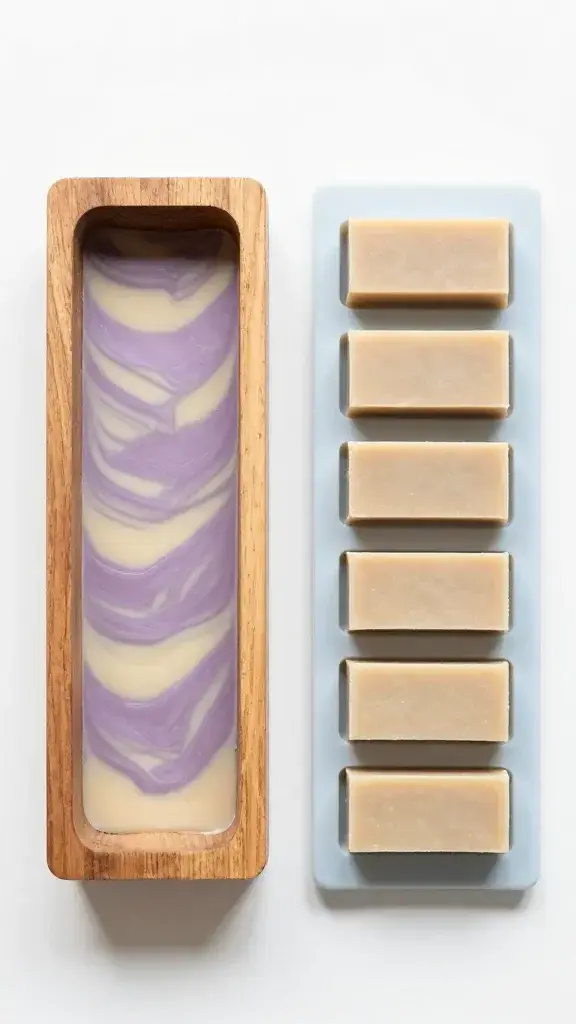
Here’s where things get interesting – the format matters just as much as the material. Loaf molds create big blocks you slice yourself, while cavity molds give you pre-portioned bars.
Loaf molds (usually wooden or silicone) let you create swirls and layers like a boss. You pour everything at once, then slice into uniform bars after curing. It’s faster for big batches and gives you more creative freedom.
When to Choose Each:
- Loaf molds: Making multiple bars at once, want to create swirl patterns
- Cavity molds: Need consistent sizing, making different recipes simultaneously
- Loaf molds: Selling soap or gifting in bulk
- Cavity molds: Experimenting with colors and scents in small batches
IMO, every soap maker eventually needs both types in their arsenal. Start with whichever matches your immediate goals, then expand from there.
5. Specialty Molds: Level Up Your Soap Game
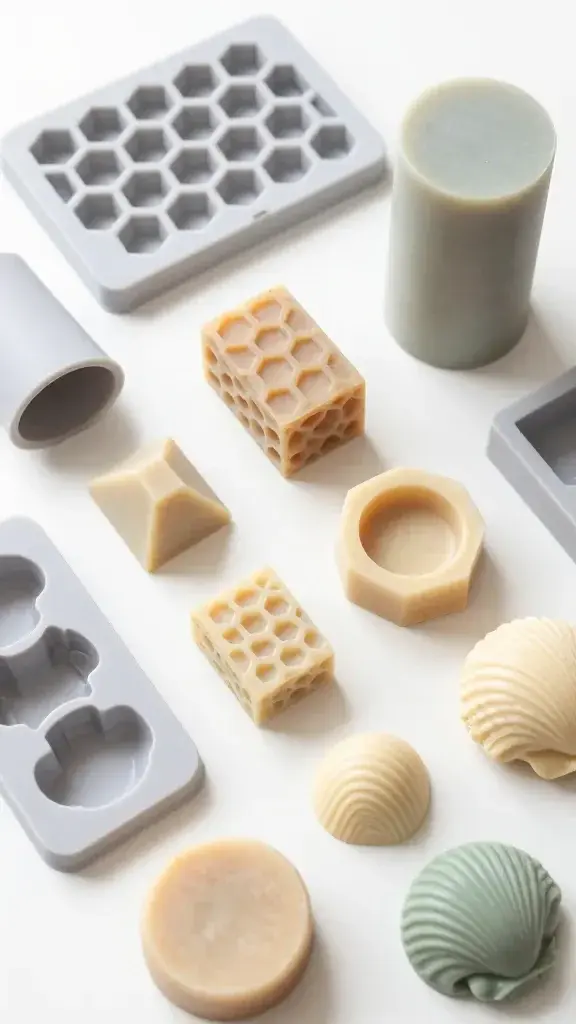
Once you’ve mastered the basics, specialty molds open up a whole new world of creative possibilities. Think honeycomb patterns, geometric shapes, and those adorable guest soaps shaped like seashells.
These molds let you create soaps that look like they came from a high-end boutique. They’re perfect for gifts, special occasions, or when you just want to show off a little.
Popular Options:
- Column molds for round bars with professional appeal
- Tube molds for unique cylindrical shapes
- Detailed silicone molds with intricate designs
- Custom molds for your signature shape
Start simple and work your way up to these fancier options. Your skills (and confidence) will thank you for not jumping into the deep end too quickly.
Ready to make some seriously gorgeous soap? Pick the mold type that matches your style, grab your supplies, and get pouring. The best part about soap making is that even your “mistakes” still get you clean – so there’s literally no downside to diving in today!