Best Earring Findings for Polymer Clay: Hooks Posts and Backings Compared

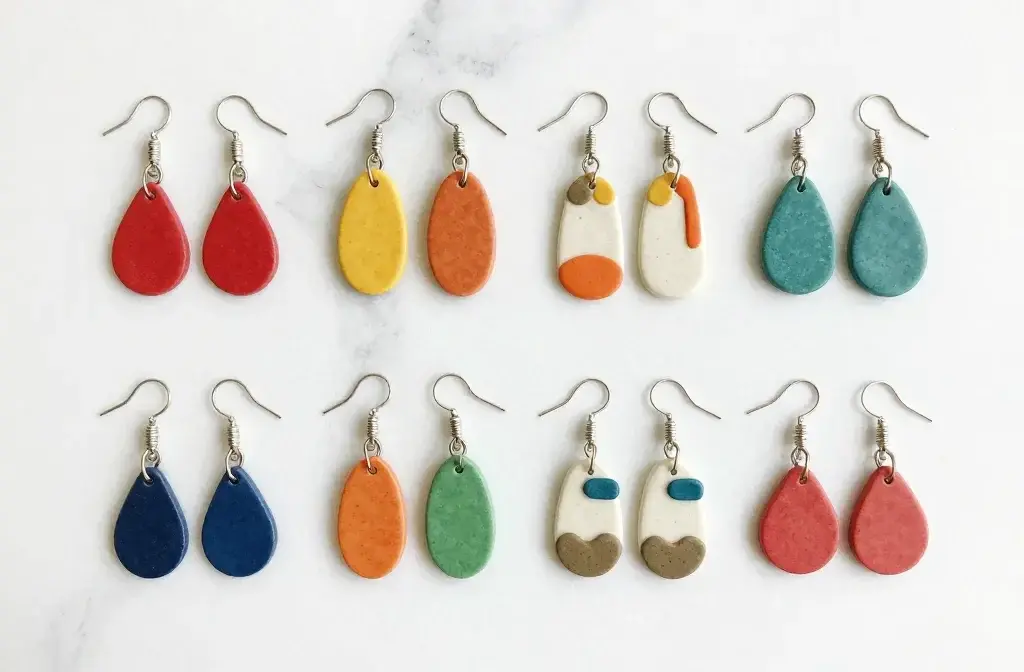
Ever spent hours crafting the perfect polymer clay earrings, only to have them fall apart because you picked the wrong findings? Yeah, been there.
The right earring findings can make or break your handmade jewelry – literally. They affect everything from comfort to durability to how professional your pieces look.
Let’s break down exactly which findings work best for your polymer clay creations, so you can stop wasting money on duds.
1. Surgical Steel Fish Hooks – The Classic Crowd-Pleaser
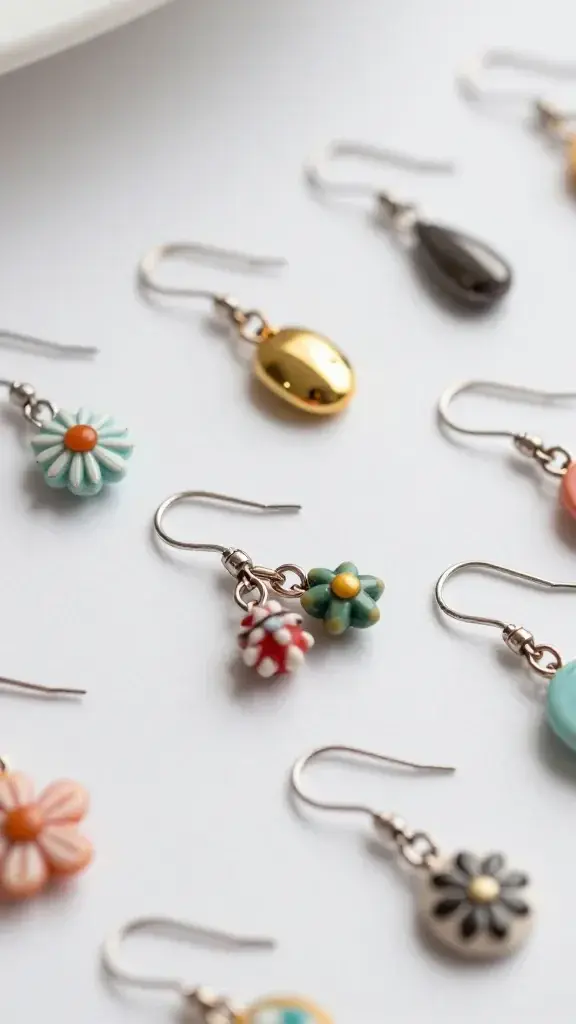
Fish hook earrings are the go-to for most polymer clay artists, and honestly, there’s a good reason for that. They’re lightweight, affordable, and work beautifully with lightweight polymer clay designs.
Why They Work:
- Easy to attach with jump rings or direct gluing
- Hypoallergenic options keep sensitive ears happy
- Come in tons of finishes – silver, gold, rose gold, gunmetal
- Super accessible for beginners
The trick with fish hooks is making sure you get surgical steel or sterling silver versions. Those cheap nickel ones? They’ll turn ears green faster than you can say “allergic reaction.”
Best for dangling statement pieces and medium-weight clay earrings that need a little movement.
2. Lever-Back Findings – Security Meets Style
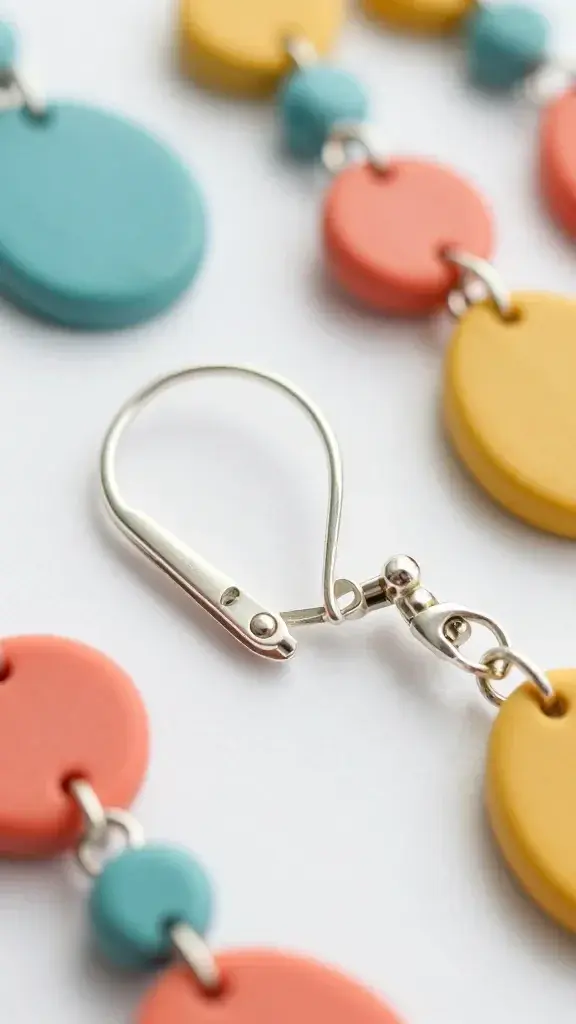
Want something that won’t abandon ship during your daily activities? Lever-backs are your new best friend. These babies lock in place, so you’re not constantly checking if you’ve lost an earring.
I switched to lever-backs for all my heavier polymer clay pieces, and the difference is night and day. No more panic attacks when I realize an earring’s missing.
Key Benefits:
- Secure closure that actually stays put
- Distributes weight better than fish hooks
- Looks more polished and finished
- Perfect for active lifestyles
Fair warning – these cost a bit more than basic hooks, but trust me, the peace of mind is totally worth it. Plus, customers love them for everyday wear pieces.
3. Stainless Steel Posts – The Minimalist’s Dream
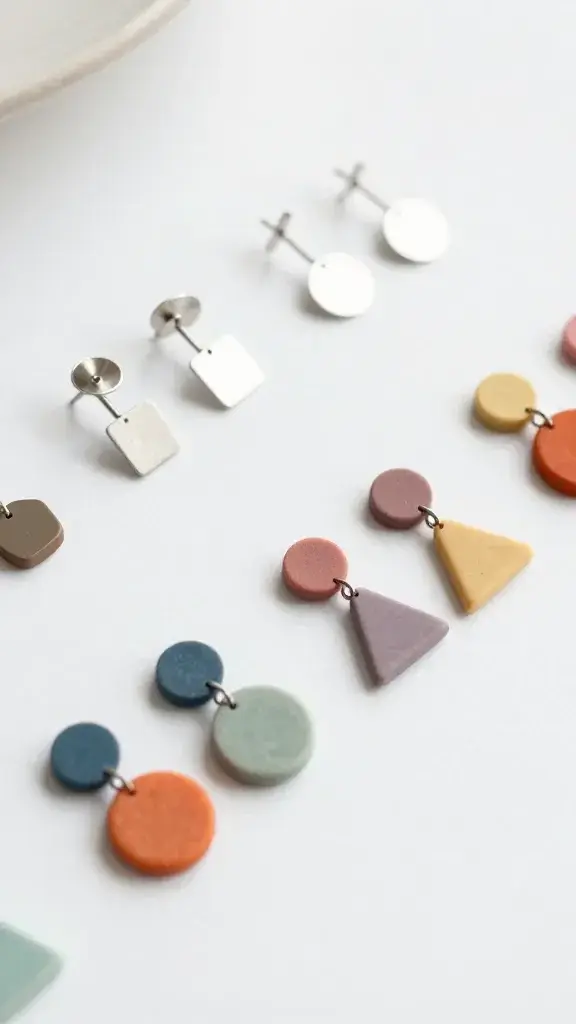
Stud earrings never go out of style, and posts are the foundation that makes them work. For polymer clay, you’ll want flat pad posts that give you maximum surface area for gluing.
The beauty of posts is how versatile they are. You can create anything from tiny geometric studs to chunky statement pieces, all on the same basic finding.
Post Shopping Tips:
- Look for 6mm or 8mm flat pads for best adhesion
- Stainless steel won’t tarnish or irritate skin
- Titanium posts work great for ultra-sensitive ears
- Get ones with removable backs for easier application
Pro tip: rough up that flat pad with sandpaper before gluing. It creates texture for the adhesive to grip, making your bond seriously strong.
4. Butterfly Backs vs. Rubber Backs – The Great Debate
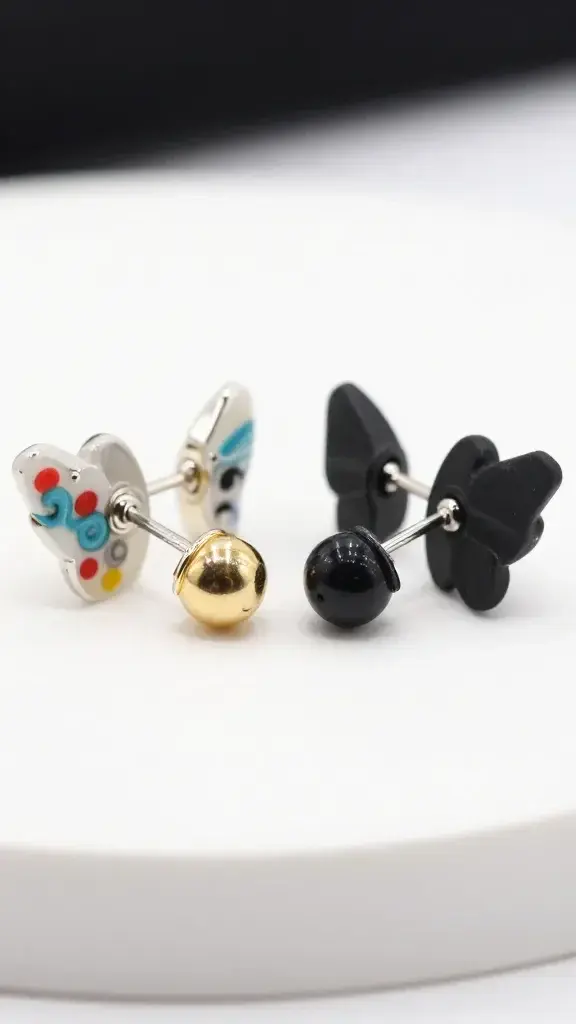
Okay, so you’ve got your posts sorted, but which backing should you use? This is where things get spicy because everyone has opinions.
Butterfly backs (those classic metal scrolls) look professional and hold tight, but they can be fiddly for customers with mobility issues. Rubber backs slide on easily and grip like crazy, but they can look a bit casual for fancy pieces.
When to Use Each:
- Butterfly backs – delicate, lightweight studs and professional presentation
- Rubber backs – heavier pieces that need extra support
- Clear rubber – when you want invisible support
- Jumbo backs – large, heavy statement studs
FYI, I usually include both types when I sell earrings. Customers appreciate having options, and it shows you care about their comfort.
5. Kidney Wire Hoops – The Unexpected Winner
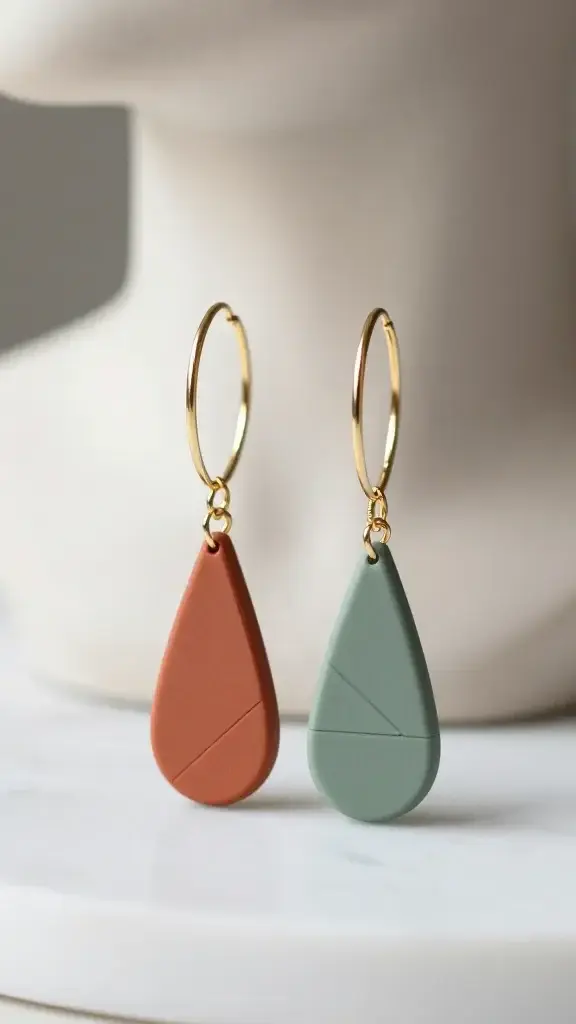
Hear me out on this one. Kidney wire hoops might not be the first thing you think of for polymer clay, but they’re absolutely killer for certain designs. These teardrop-shaped wires create a sophisticated look that elevates even simple clay pieces.
The curved shape sits beautifully against the neck, and the threaded wire closure keeps everything secure without being bulky. Plus, they make your polymer clay dangles look way more expensive than they actually are.
Best Uses:
- Geometric polymer clay shapes
- Layered or tiered designs
- Boho-style statement pieces
- Earrings that need a curved hang
These work especially well if you’re going for that handmade-but-make-it-fashion vibe. Just make sure your clay pieces aren’t too heavy, or the wire can distort over time.
So there you have it – your complete guide to earring findings that’ll actually do your polymer clay creations justice. Pick the right hardware, and your handmade earrings will look professional, last forever, and keep your customers (or your own ears) super happy. Now go forth and create something amazing!