
Natural Skincare Ingredients to Avoid: What Not to Mix at Home


Think mixing your own skincare is always safer because it’s natural? Think again.
Some ingredient combos can seriously irritate your skin, cancel each other out, or even cause chemical burns. Natural doesn’t automatically mean gentle or safe.
Before you go full mad scientist in your bathroom, let’s talk about the five combos you absolutely need to avoid.
1. Vitamin C and Retinol – The Power Struggle
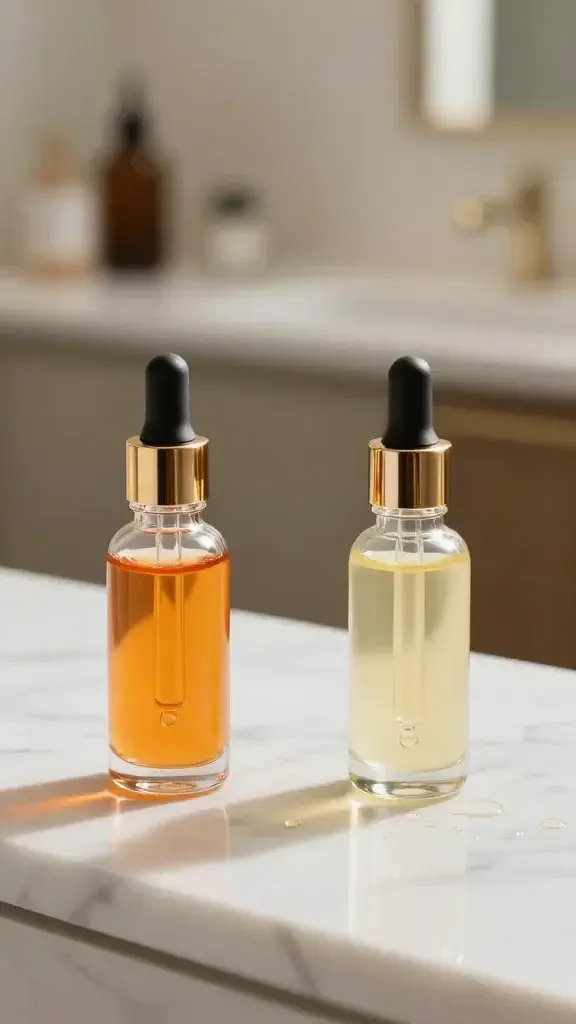
Look, both of these are skincare superstars on their own. But together? They’re like that friend duo that just brings out the worst in each other.
Vitamin C works best at a low pH (around 3.5), while retinol needs a higher pH to be effective. When you mix them, they basically neutralize each other’s benefits. Plus, using them together can seriously irritate your skin, causing redness and peeling that’ll have you hiding indoors for days.
What Happens:
- Reduced effectiveness of both ingredients
- Increased skin sensitivity and irritation
- Potential for severe dryness and flaking
Want to use both? Apply vitamin C in the morning and save retinol for your nighttime routine. Your skin will actually get the benefits without the drama.
2. AHAs/BHAs and Vitamin C – The Acid Overload
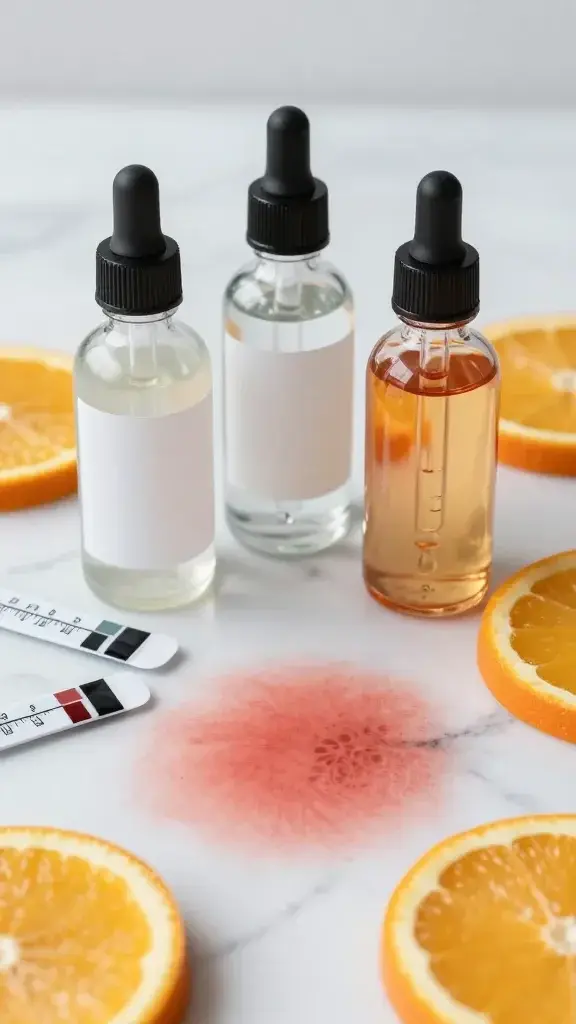
Here’s the thing about acids: more is definitely not better. Combining alpha hydroxy acids (like glycolic or lactic acid) or beta hydroxy acids (like salicylic acid) with vitamin C creates an acid overload situation your skin won’t appreciate.
All these ingredients are already exfoliating and working at low pH levels. Pile them on together, and you’re basically stripping your skin’s protective barrier. This leads to inflammation, sensitivity, and that tight, uncomfortable feeling that screams “I overdid it.”
Signs You’ve Gone Too Far:
- Burning or stinging sensation
- Red, angry-looking skin
- Increased breakouts (seriously ironic, right?)
FYI, you can use these in the same routine, just space them out. Try vitamin C in the morning and your chemical exfoliants at night, or alternate days entirely.
3. Baking Soda and Lemon Juice – The Pinterest Disaster

Can we please stop with this combo already? I know it’s all over DIY skincare tutorials, but this mixture is a recipe for disaster.
Lemon juice is extremely acidic (pH 2), while baking soda is very alkaline (pH 9). Your skin’s natural pH sits around 4.5 to 5.5. Throwing these extremes at your face disrupts your skin’s acid mantle, the protective layer that keeps bacteria out and moisture in.
Plus, lemon juice makes your skin photosensitive, meaning you’re way more likely to get sunburned or develop dark spots. Trust me, the temporary “brightness” isn’t worth the long-term damage.
Better Alternatives:
- Use a gentle AHA product instead of lemon juice
- Skip the baking soda entirely for skincare
- Try yogurt or honey for gentle exfoliation
Save the baking soda for your cookies and the lemon for your water. Your face deserves better.
4. Retinol and Benzoyl Peroxide – The Cancellation Effect
Both ingredients are acne-fighting heroes, so it seems logical to use them together, right? Wrong. Benzoyl peroxide actually oxidizes and deactivates retinol, making both products essentially useless.
Beyond just wasting your money, this combo can also cause excessive dryness and irritation. Your skin gets all the side effects with none of the benefits. Not exactly a fair trade.
The solution? Use benzoyl peroxide in the morning and retinol at night. Some dermatologists even recommend using them on alternate nights if your skin is particularly sensitive. This way, both ingredients can do their job without interfering with each other.
5. Natural Oils and Active Ingredients – The Barrier Problem
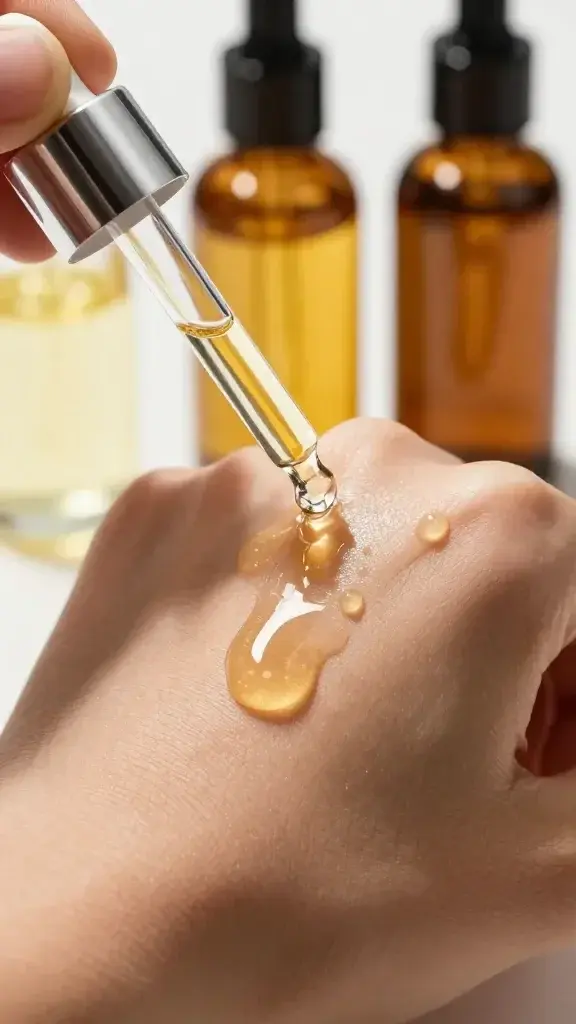
Here’s something most DIY skincare guides won’t tell you: slathering on heavy oils before your active ingredients creates a barrier that prevents those actives from penetrating your skin.
Natural oils like coconut oil, olive oil, or jojoba oil are occlusive, meaning they sit on top of your skin. When you apply them before water-based serums containing ingredients like hyaluronic acid, niacinamide, or vitamin C, those beneficial ingredients can’t get through.
The Right Order Matters:
- Cleanse first (obviously)
- Apply water-based serums and actives
- Wait a few minutes for absorption
- Seal everything in with your oil or moisturizer
Think of it like getting dressed. You wouldn’t put your raincoat on before your shirt, right? Same logic applies here. Let your active ingredients sink in first, then lock them in with oils.
Natural skincare can be amazing, but it’s not a free-for-all. Respect the chemistry, give your skin what it actually needs, and you’ll get that glow without the horror stories. Your future self (and your face) will definitely thank you.