How to Make Layered Candles at Home: Color Pouring Tutorial

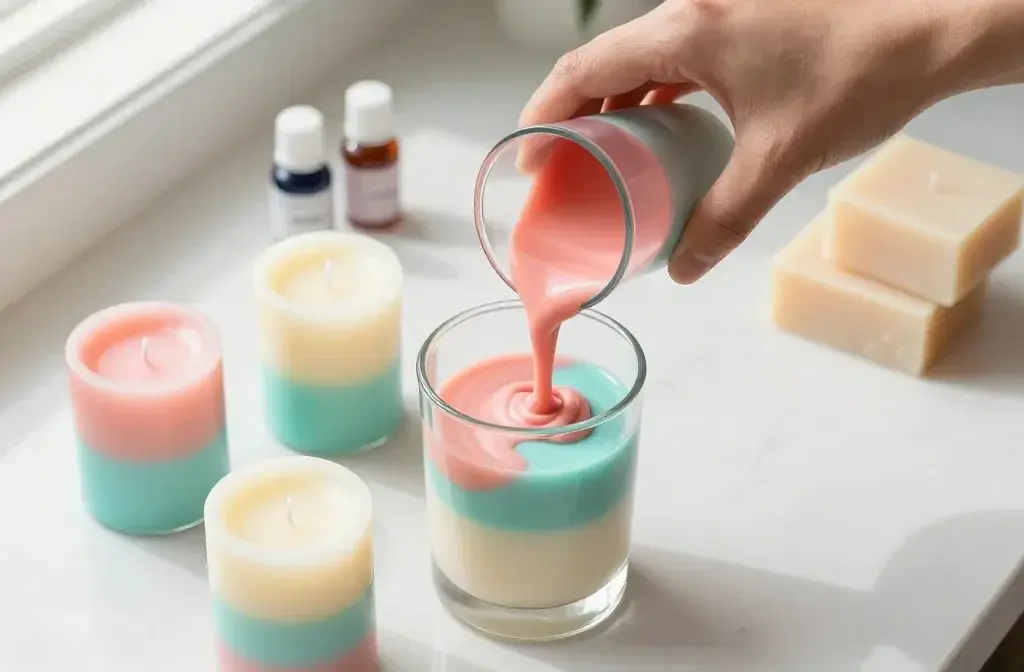
You know what’s cooler than a regular candle? A layered one that looks like you bought it from some fancy boutique for three times the price. The good news is that making these Instagram-worthy beauties at home is way easier than you’d think, and you probably won’t mess it up as badly as your first attempt at sourdough bread. Let me walk you through exactly how to pour those perfect colorful layers without turning your kitchen into a wax disaster zone.
Gathering Your Supplies: What You Actually Need
Before you start melting stuff, let’s talk about what you need to grab. Trust me, having everything ready beats running around looking for a thermometer while your wax solidifies into an unusable blob.
Here’s your shopping list:
- Soy or paraffin wax (soy is easier for beginners, plus it’s trendy)
- Candle dye blocks or liquid dye (NOT food coloring, learned that the hard way)
- Wicks with metal tabs (pre-tabbed saves you time and sanity)
- A pouring pitcher or double boiler
- Thermometer (the candy kind works great)
- Glass containers or molds (clear glass shows off those layers best)
- Wick holders or clothespins (to keep your wick centered)
- Fragrance oil (optional but recommended)
You can find most of this stuff at craft stores or online. No need to break the bank on fancy equipment when you’re just starting out. That said, don’t cheap out on the thermometer because temperature control is basically the secret sauce here.
Prepping Your Container: The Foundation Matters
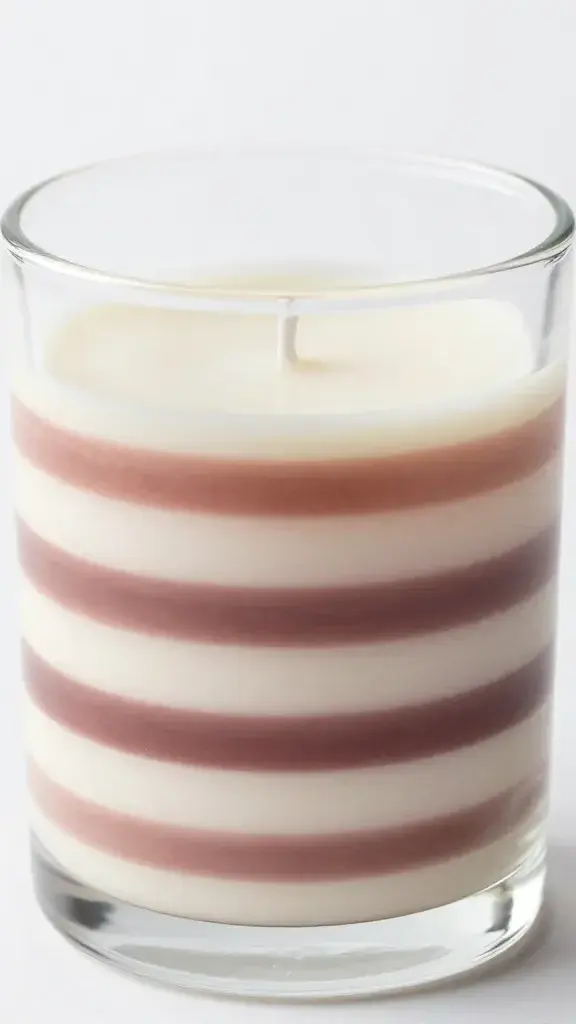
First things first: clean your glass container like your life depends on it. Any dust, fingerprints, or random lint will show up in your finished candle and haunt you forever. Use some rubbing alcohol on a paper towel for a streak-free finish.
Now let’s secure that wick. Put a tiny dab of melted wax or hot glue on the metal tab and press it firmly into the center of your container’s bottom. Hold it there for a few seconds until it sets. Then use a wick holder, clothespin, or even a pencil laid across the top to keep your wick perfectly centered and taut. A wonky wick means a wonky candle, and nobody wants that.
Mastering the Melt: Temperature Is Everything
Here’s where things get real. You’ll need to melt your wax to the right temperature, and this is where most people either nail it or end up with muddy-looking layers.
The Double Boiler Method
Set up your double boiler by placing your pouring pitcher in a pot of simmering water. Add your wax and watch it like a hawk. You’re aiming for around 170-180°F for most waxes, but check your specific wax’s instructions because they’re all slightly different.
Never, ever melt wax in the microwave unless you enjoy cleaning wax explosions. Just don’t.
Adding Your Color
Once your wax is completely melted and clear, it’s time to add color. Start small—you can always add more, but you can’t take it back. A little dye goes a long way, and you want your layers to actually be distinct from each other.
For your first layer, pick your boldest or darkest color. Mix it thoroughly and make sure there are no dye chunks floating around. Those little specks might look charming now, but they’ll look like mistakes in your finished product.
The Pour: Creating Those Perfect Layers
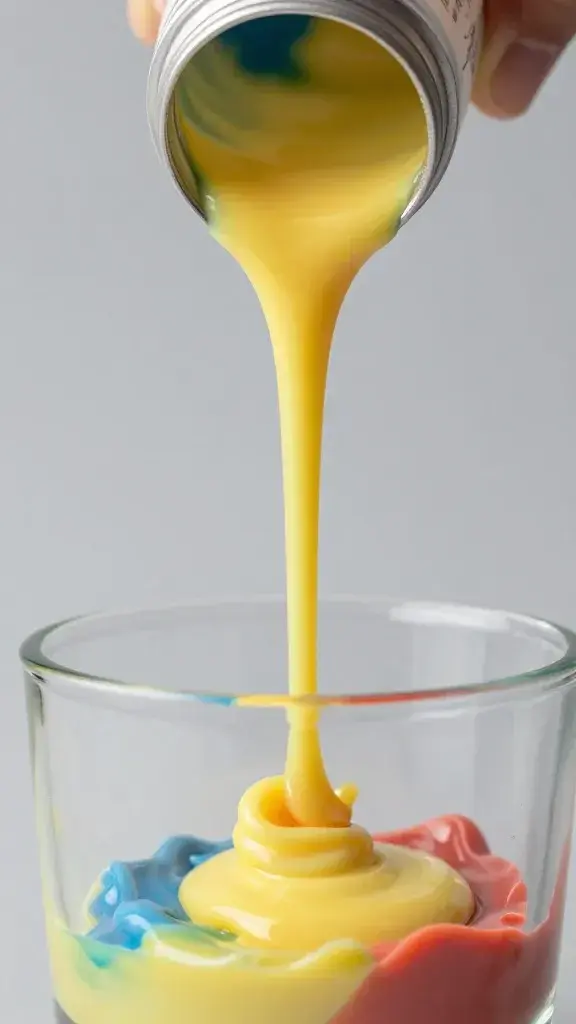
Okay, this is the moment of truth. Pour your first colored layer into your prepared container slowly and steadily. Fill it about one-third of the way up, or whatever thickness you want for that layer.
Now comes the hard part: waiting. I know, waiting is boring, but patience literally makes or breaks layered candles. You need to let each layer cool and form a solid skin on top before adding the next one. This usually takes 30-45 minutes, depending on your room temperature and layer thickness.
How do you know it’s ready? Gently touch the surface. If it feels firm and doesn’t stick to your finger, you’re good to go. If it’s still tacky or soft, give it more time. Rushing this step will give you blended, muddy layers instead of crisp, clean ones.
Temperature Tricks for Clean Lines
Here’s a pro tip that’ll change your candle game: pour your second layer at a slightly cooler temperature than your first. Aim for around 150-160°F. This prevents the heat from melting through the layer below and turning your beautiful separation into a color-blended mess.
Pour the second layer just as slowly as the first, maybe even directing it against the side of the container to minimize impact on that bottom layer. Repeat this process for as many layers as you want. Three to five layers usually looks best, but you do you.
Advanced Techniques: Getting Fancy With It
Once you’ve mastered basic straight layers, you can start playing around with angles and patterns.
Diagonal Layers
Want those cool slanted layers you see on Pinterest? Simply tilt your container at an angle while the wax cools. Prop it up with something stable (a book, a small box, whatever) and let it set at that angle. Then tilt it the opposite direction for the next layer. FYI, this takes a bit of trial and error, so don’t beat yourself up if your first attempt looks wonky.
Ombre Effects
For a gradual color fade, use the same color dye but add progressively more or less to each layer. Start with barely-there color on the bottom and work your way up to deep, saturated color on top. It’s subtle but seriously impressive.
Troubleshooting Common Disasters
Let’s talk about what to do when things go wrong, because they will eventually.
Sinkholes and gaps: These happen when wax contracts as it cools. Fix them by poking relief holes with a skewer and topping off with more melted wax of the same color.
Blurred lines between layers: You poured too hot or didn’t wait long enough. Next time, be more patient and check that temperature.
Wick won’t stay lit: Your wick might be too small for your container size, or you added too much fragrance oil (max 10% by weight, people).
Cracked tops: Usually means you cooled the candle too quickly. Room temperature cooling is your friend. Don’t stick it in the fridge to speed things up unless you enjoy cracks.
Frequently Asked Questions
How long should I wait between pouring each layer?
Generally, 30-45 minutes is the sweet spot. You want the previous layer to have a solid surface skin but still be slightly warm underneath. If you wait too long (like several hours), the layers might not adhere to each other properly and could separate.
Can I use crayons instead of proper candle dye?
Technically yes, but IMO it’s not worth it. Crayons contain additives that can clog your wick and make your candle burn poorly. Proper candle dye is cheap enough that you should just use the real stuff.
What’s the best wax for beginners?
Soy wax is your best friend when you’re starting out. It’s more forgiving, burns cleaner, and holds color well. Paraffin gives you brighter colors and is cheaper, but it’s a bit trickier to work with and not as eco-friendly.
How do I know what size wick to use?
Check the wick manufacturer’s guidelines based on your container diameter. As a general rule, containers 2-3 inches wide need a small wick, 3-4 inches need medium, and anything larger needs a large wick or multiple wicks.
Can I add glitter to my layers?
Only use glitter specifically made for candles. Regular craft glitter is flammable and dangerous. Candle glitter (also called polyester glitter) is safer, but keep in mind it sinks to the bottom as the wax cools, so you’ll need to time your pour carefully.
Why do my layers have bubbles?
You probably poured too quickly or from too high up. Pour slowly and close to the surface. You can also tap the container gently on your work surface right after pouring to release trapped air bubbles.
Wrapping It Up
Making layered candles is honestly one of those crafts that looks way more complicated than it actually is. Once you understand the basic concept of temperature control and patience, you can crank out professional-looking candles that make amazing gifts or just elevate your own space.
Start simple with three solid color layers, master that technique, and then experiment with all the fancy stuff. You’ll probably mess up a few batches along the way, but that’s part of the fun. Plus, even your “failed” candles will still burn just fine—they just might not be as pretty as you hoped. Happy pouring!