Best Natural Fiber Craft Materials: Hemp Jute and Organic Cotton Compared

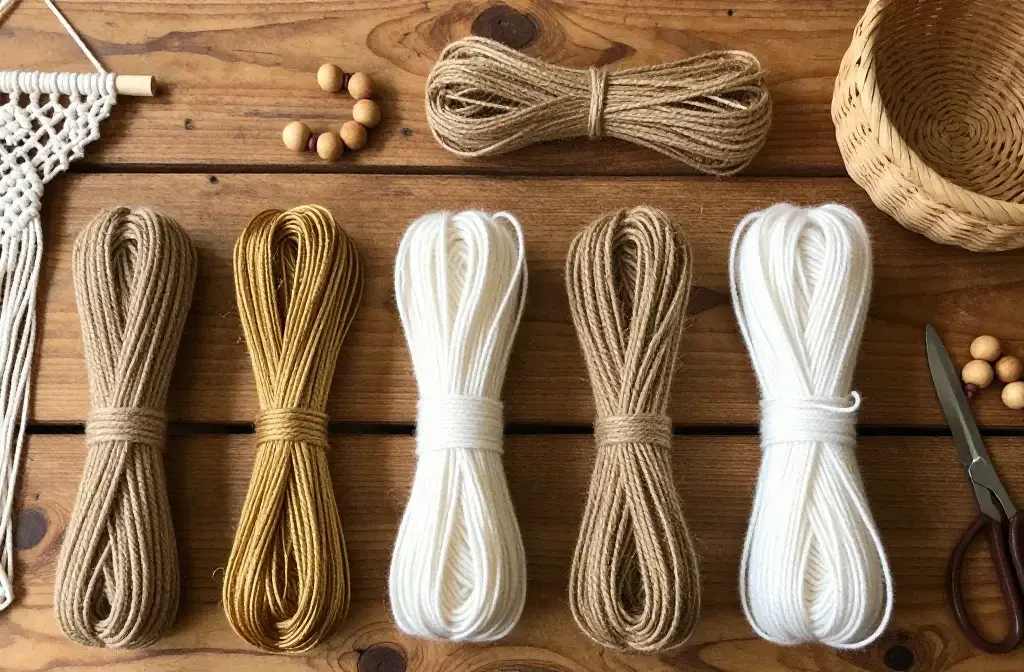
Looking for eco-friendly craft materials that actually work as well as they look?
Natural fibers bring texture, durability, and sustainability to your projects – whether you’re weaving, macramé-ing, or creating something totally unique.
Let’s break down the three powerhouse materials that’ll transform your crafting game forever.
1. Hemp: The Surprisingly Tough Superstar
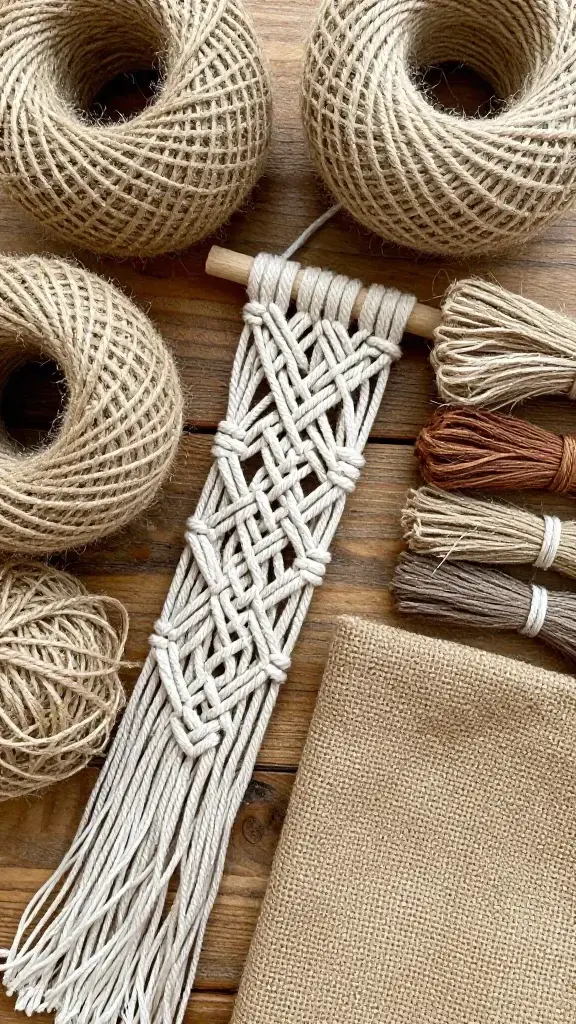
Hemp gets a bad rap for being scratchy, but modern hemp fiber is actually incredibly versatile. This material brings serious strength to jewelry, bags, and home décor projects.
Why Crafters Love It:
- Four times stronger than cotton
- Naturally resistant to mold and UV rays
- Softens beautifully with each wash
- Grows without pesticides
Hemp cord works amazingly for macramé wall hangings and plant hangers that need to support weight. The natural beige color also takes dye like a dream if you want to add some color.
Best for projects that need durability without sacrificing that earthy, handmade aesthetic everyone’s obsessed with right now.
2. Jute: Budget-Friendly Rustic Charm
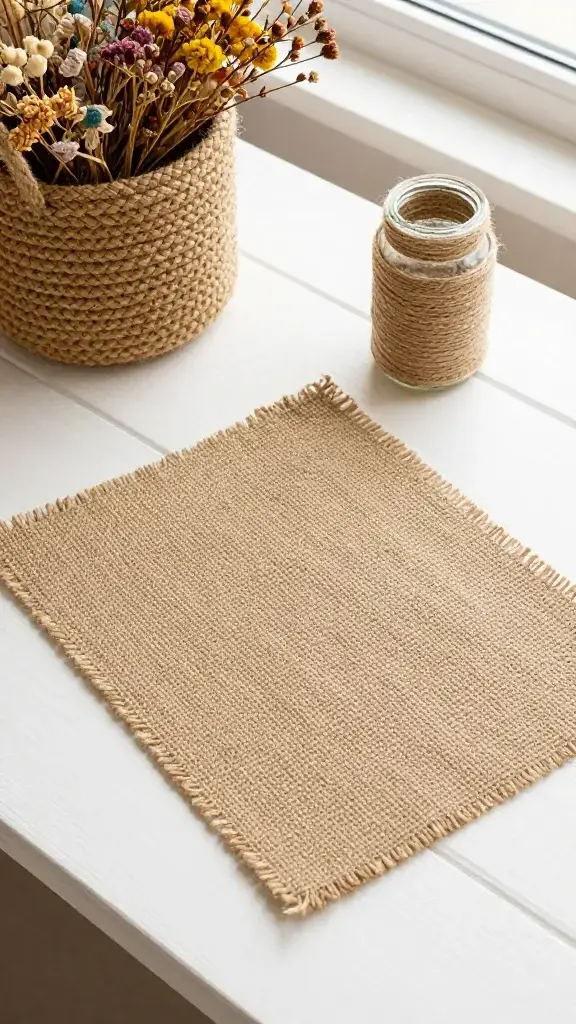
Want that farmhouse vibe without the farmhouse price tag? Jute delivers rustic texture at a fraction of the cost of other natural fibers.
This golden-brown fiber brings instant warmth to any project. You’ll find it in everything from coiled baskets to wrapped vases to woven rugs.
Perfect Projects for Jute:
- Rope baskets and storage containers
- Wrapped bottles and jars
- Table runners and placemats
- Cat scratching posts (seriously, they love it)
Fair warning though – jute can shed a bit when you first work with it, and it’s not as soft as other options. But for decorative pieces that don’t need frequent washing? It’s absolutely unbeatable.
Pro tip: Keep jute away from moisture since it can weaken and develop that musty smell nobody wants.
3. Organic Cotton: The Soft Touch Champion
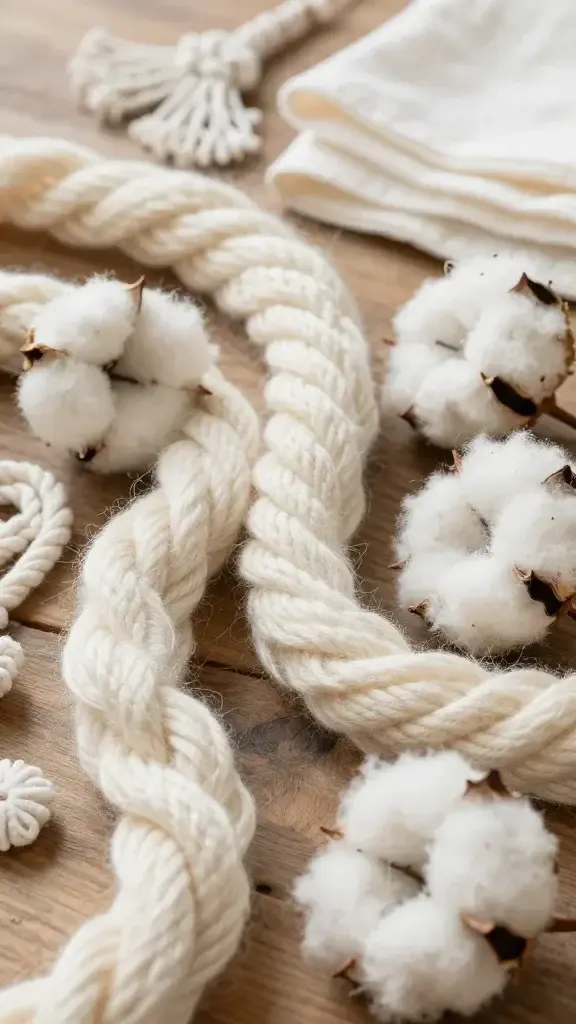
If you need something soft against skin, organic cotton wins every single time. This is your go-to for wearables, baby items, and anything that needs regular washing.
Unlike conventional cotton, organic versions skip the harsh pesticides and chemicals. Your projects stay softer, and you’re not exposing yourself to weird residues.
Best Uses:
- Knitted or crocheted clothing
- Baby blankets and toys
- Kitchen towels and dishcloths
- Delicate macramé jewelry
Organic cotton comes in gorgeous rope, yarn, and string forms. It’s breathable, hypoallergenic, and machine-washable – basically the low-maintenance friend of the fiber world.
The tradeoff? It’s typically pricier than hemp or jute, and it doesn’t have quite the same strength for heavy-duty projects.
4. Texture and Appearance Showdown
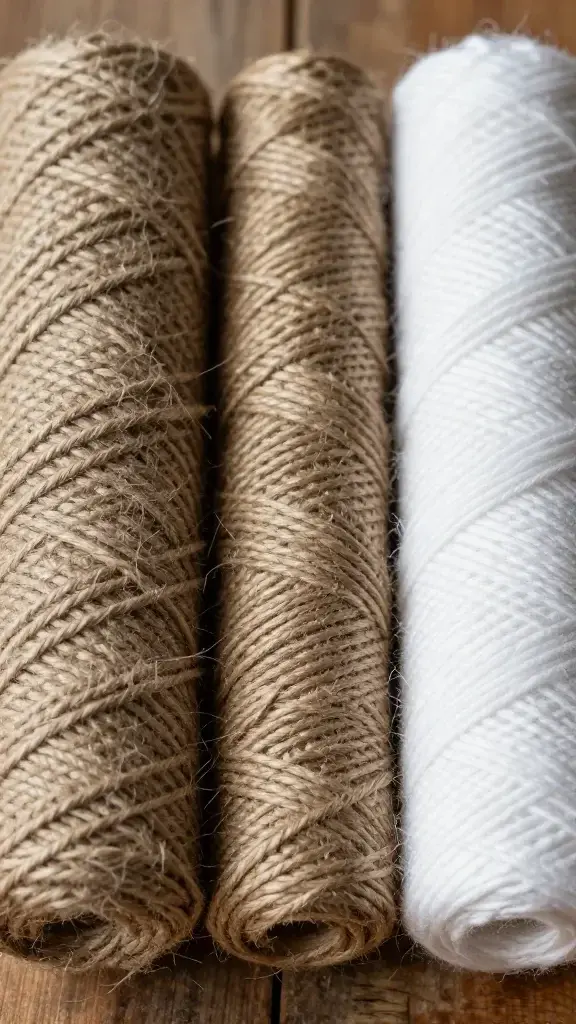
Let’s talk about how these materials actually look and feel in your hands. Trust me, texture matters way more than you might think.
Hemp has that slightly rough, natural look with visible fibers – perfect for bohemian and minimalist styles. Jute brings coarser texture with a gorgeous golden sheen that photographs beautifully. Organic cotton delivers smooth, consistent strands that create clean, polished results.
Think about your project’s vibe. Going for rustic and earthy? Hemp or jute. Need something refined and soft? Cotton’s your answer.
FYI, you can totally mix these fibers in one project for contrasting textures that make your work stand out.
5. Environmental Impact and Sustainability
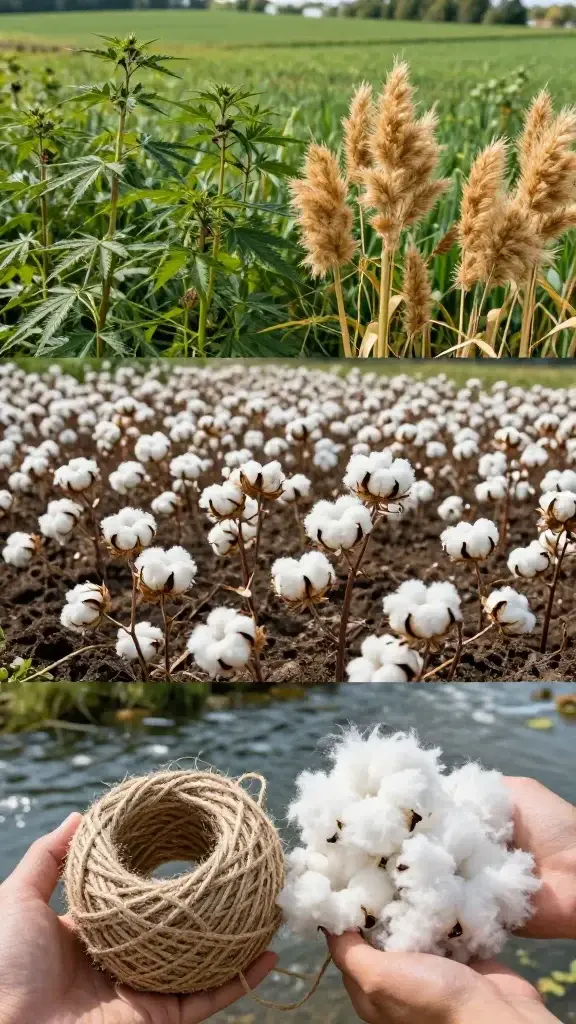
Here’s where natural fibers really shine compared to synthetic options. All three materials break down naturally and come from renewable plants.
Hemp grows incredibly fast and actually improves soil quality. Jute requires minimal water and zero pesticides. Organic cotton uses way less water than conventional cotton and keeps toxic chemicals out of the ecosystem.
Sustainability Highlights:
- All three are completely biodegradable
- No microplastics ending up in oceans
- Support regenerative agriculture practices
- Lower carbon footprint than synthetic fibers
Choosing natural fibers means your beautiful creations won’t sit in landfills for centuries. Your craft hobby can actually align with your values – how cool is that?
Ready to get your hands on some natural fiber goodness? Pick the material that matches your project needs, and enjoy creating something beautiful and sustainable. Your future crafts are about to level up in the best possible way.