3-Strand vs 3-Ply Macrame Cord: Which is Better for Wall Hangings?

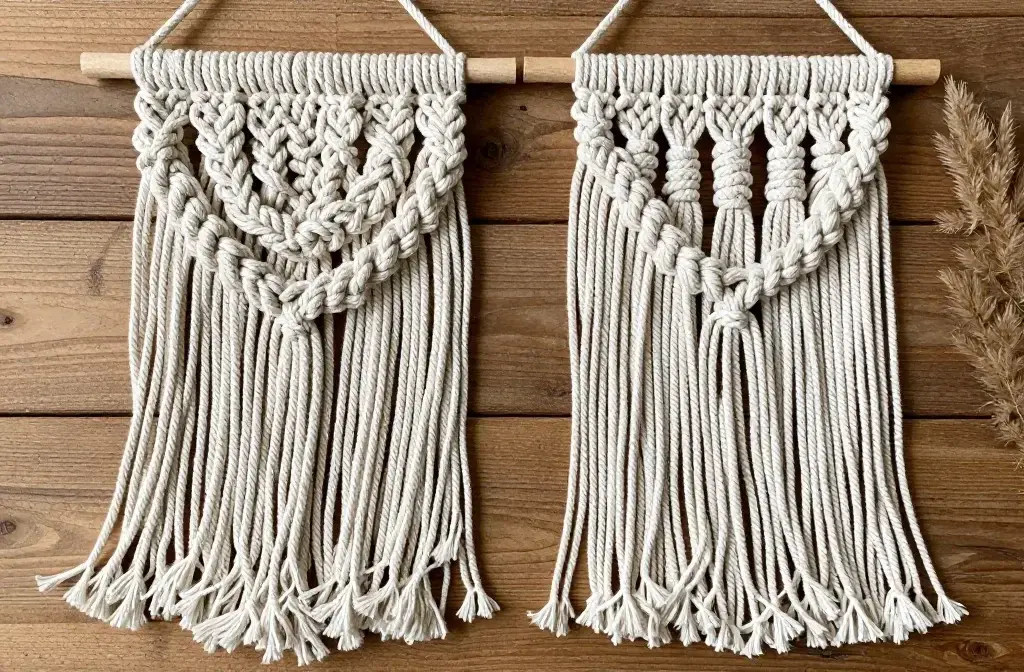
Staring at two spools of macrame cord wondering which one will actually make your wall hanging dreams come true?
The difference between 3-strand and 3-ply isn’t just about how the cord looks – it completely changes how your project turns out, from the texture to the fringe.
Let’s break down everything you need to know so you can stop second-guessing yourself in the craft store aisle.
1. The Texture Showdown: Smooth vs. Fluffy
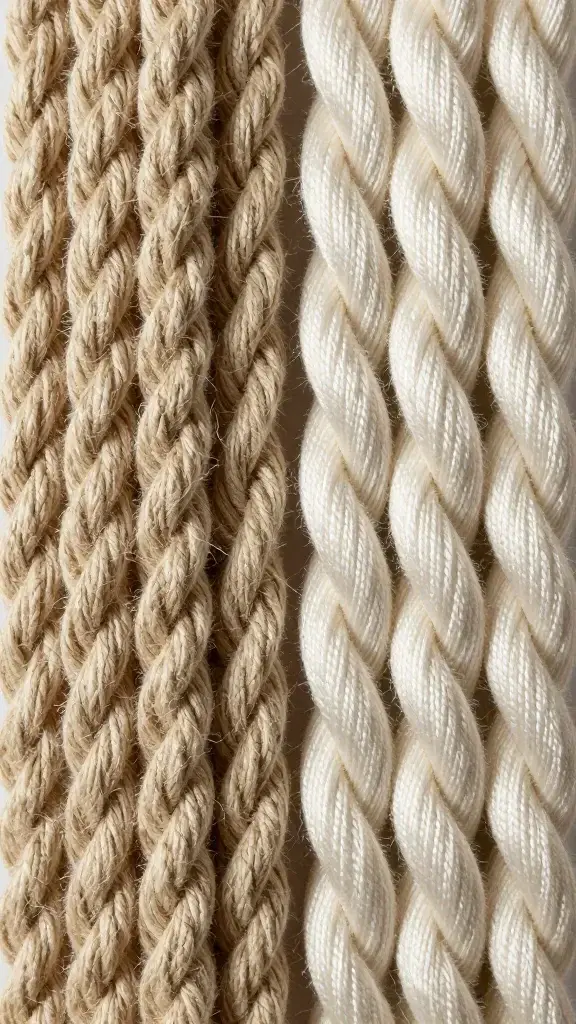
Here’s the deal: 3-strand cord (also called single-twist) gives you that classic, slightly textured look with visible individual strands twisted together. Think of it like a rope you’d find on a boat – sturdy and honest about what it is.
3-ply cord, on the other hand, consists of three separate strands that are each already twisted, then twisted together again. This creates a smoother, more uniform appearance that some people find more polished.
For wall hangings, 3-strand typically wins if you want that boho, organic vibe. The texture catches light beautifully and gives your piece more visual interest when you’re working with simple knot patterns.
2. The Fringe Factor: Where Things Get Really Different
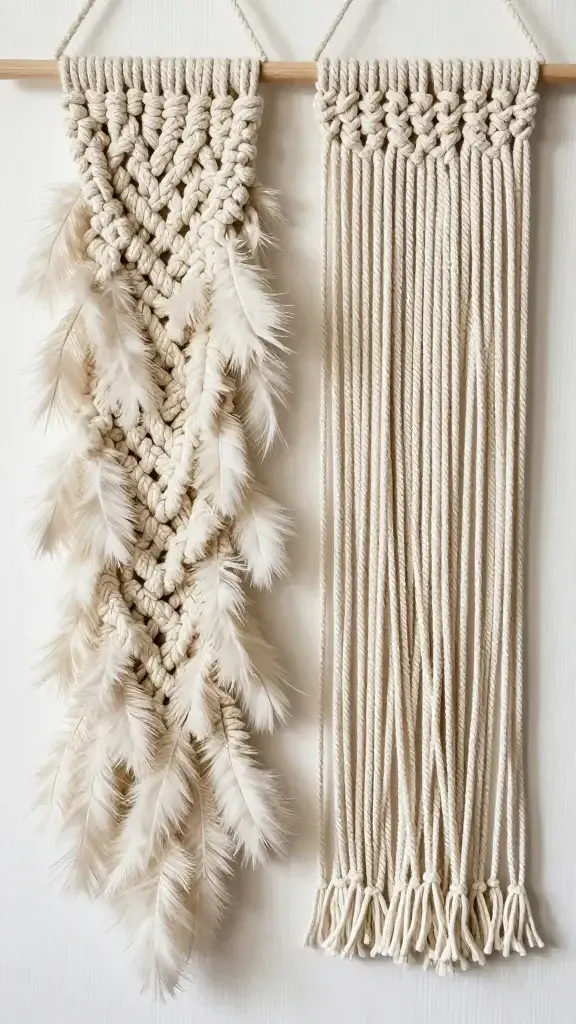
This is where your choice really matters, trust me. When you unravel the ends to create fringe, these two cords behave completely differently.
What Happens When You Unravel:
- 3-strand: Separates into three thick, ropy sections that you can then brush out into soft, feathery fringe
- 3-ply: Creates nine thinner strands (three groups of three) that make finer, more delicate fringe
Want that gorgeous, full fringe that looks like it belongs in a trendy boutique? Go with 3-strand. The brushed-out texture is fluffier and more dramatic – perfect for those Instagram-worthy wall hangings everyone’s obsessed with.
3-ply gives you a more refined, subtle fringe that works better for minimalist designs where you don’t want the fringe stealing the show.
3. Knot Visibility: Show Off Your Skills (Or Hide Your Mistakes)
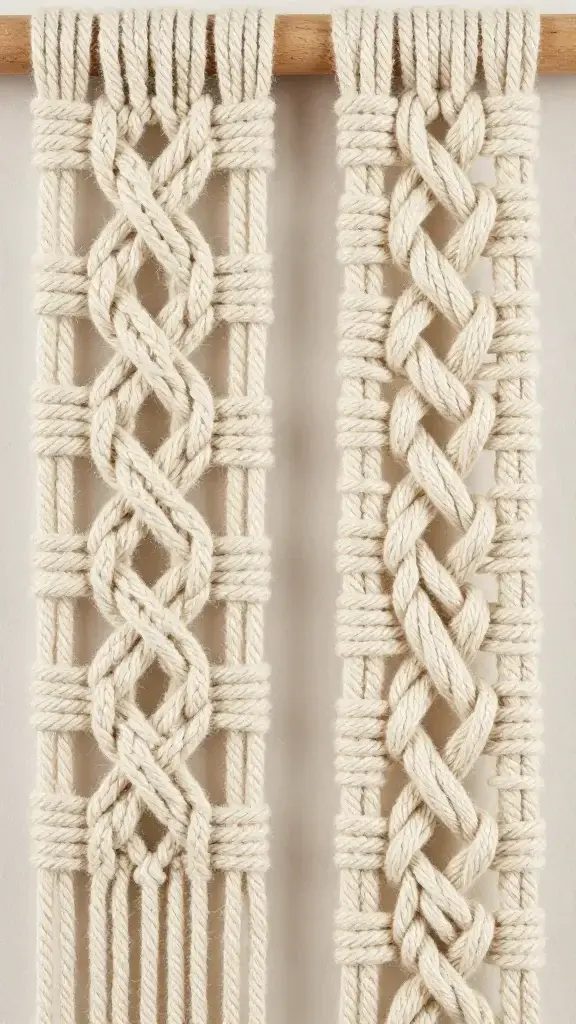
Let’s talk about how your actual macrame work will look. 3-strand cord has a more rustic appearance that slightly camouflages individual knots, blending them into an overall textured look.
3-ply cord shows off your knots more clearly because of its smoother surface. Every square knot and half hitch stands out with crisp definition.
Beginners often prefer 3-strand because it’s more forgiving – if your tension isn’t perfect, the textured surface hides those little inconsistencies. More experienced makers sometimes love 3-ply specifically because it showcases their precise technique.
4. Durability and Working Comfort: The Practical Stuff
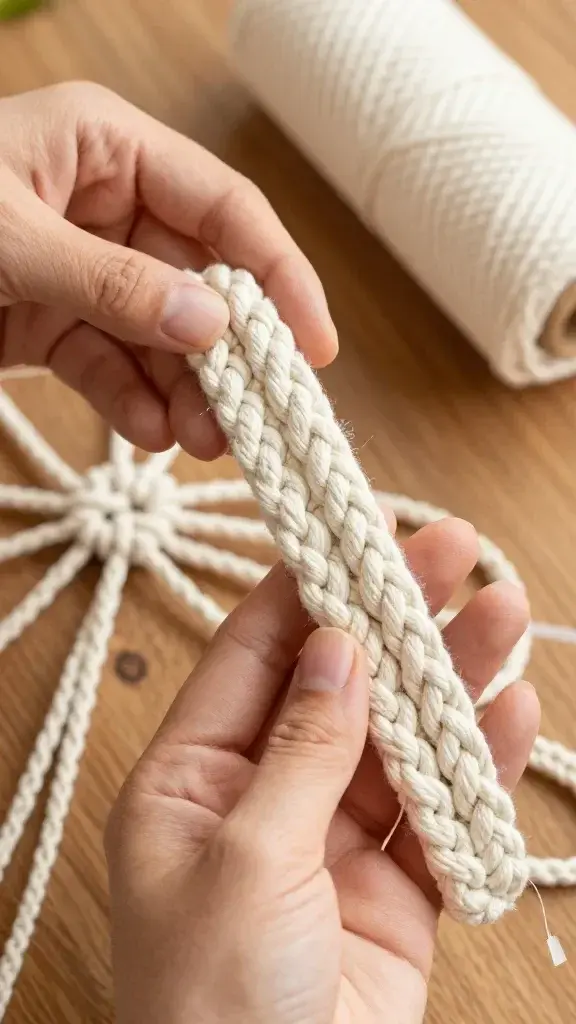
Here’s something most tutorials don’t mention: these cords feel different in your hands as you work. 3-strand tends to be slightly softer and more pliable, making it easier on your fingers during long knotting sessions.
Both types are plenty durable for wall hangings (seriously, they’ll outlast your interest in that particular wall space), but 3-strand can sometimes fray more easily while you’re working with it. FYI, keeping your cord ends taped helps prevent this.
Working Tips:
- 3-strand requires more frequent combing if you want perfect fringe
- 3-ply holds its shape better when creating geometric patterns
- Both work with the same knot techniques – no learning curve
The real difference comes down to handling comfort during your project, not the final strength of your wall hanging.
5. Price and Availability: What Your Wallet Needs to Know
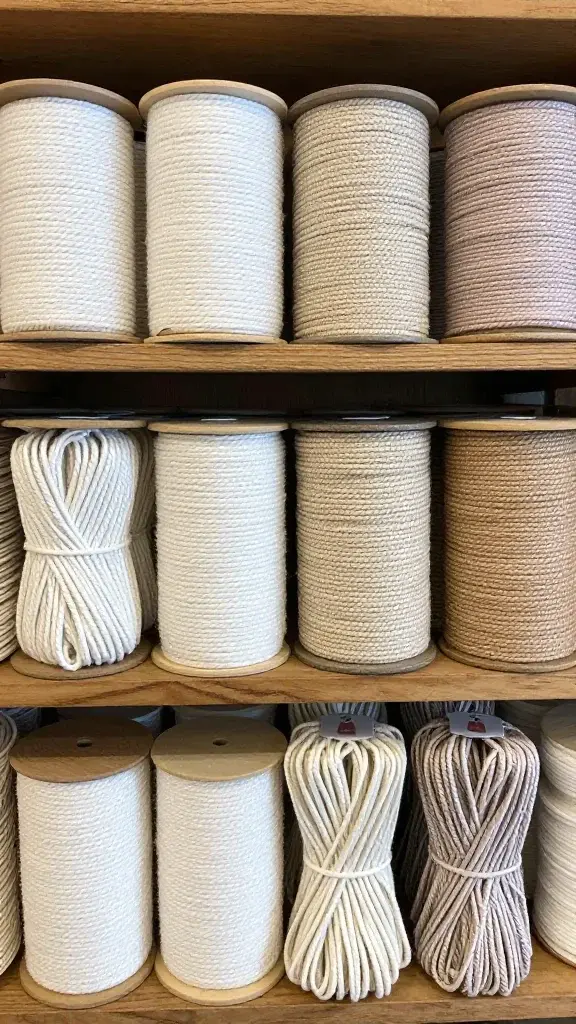
You’ll usually find both types at similar price points, though 3-strand cotton cord tends to be slightly more common in craft stores. It’s the go-to for most macrame artists, so stores stock more variety in colors and thicknesses.
3-ply is sometimes marketed as “braided” cord and might cost a tiny bit more for premium versions, but honestly? The price difference is minimal enough that it shouldn’t be your deciding factor.
What matters more is finding quality cord from either type – look for 100% cotton with consistent thickness throughout the spool. Cheap cord with uneven thickness will frustrate you way more than choosing the “wrong” style ever could.
Now you’re ready to pick the perfect cord for your next wall hanging! Go with 3-strand if you want that fluffy, textured boho look, or choose 3-ply for cleaner lines and refined fringe. Either way, you’ll create something beautiful – the best choice is simply the one that matches your vision.